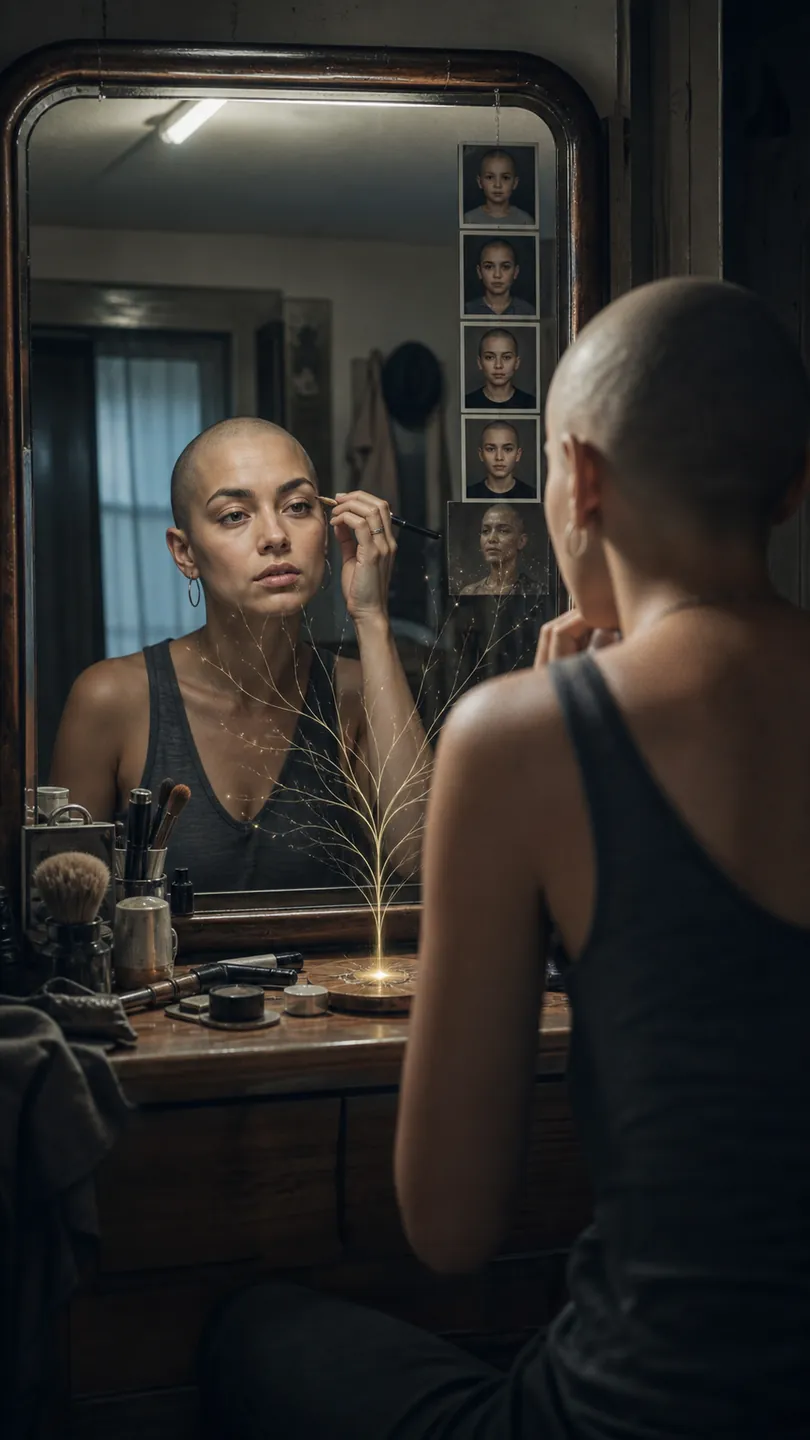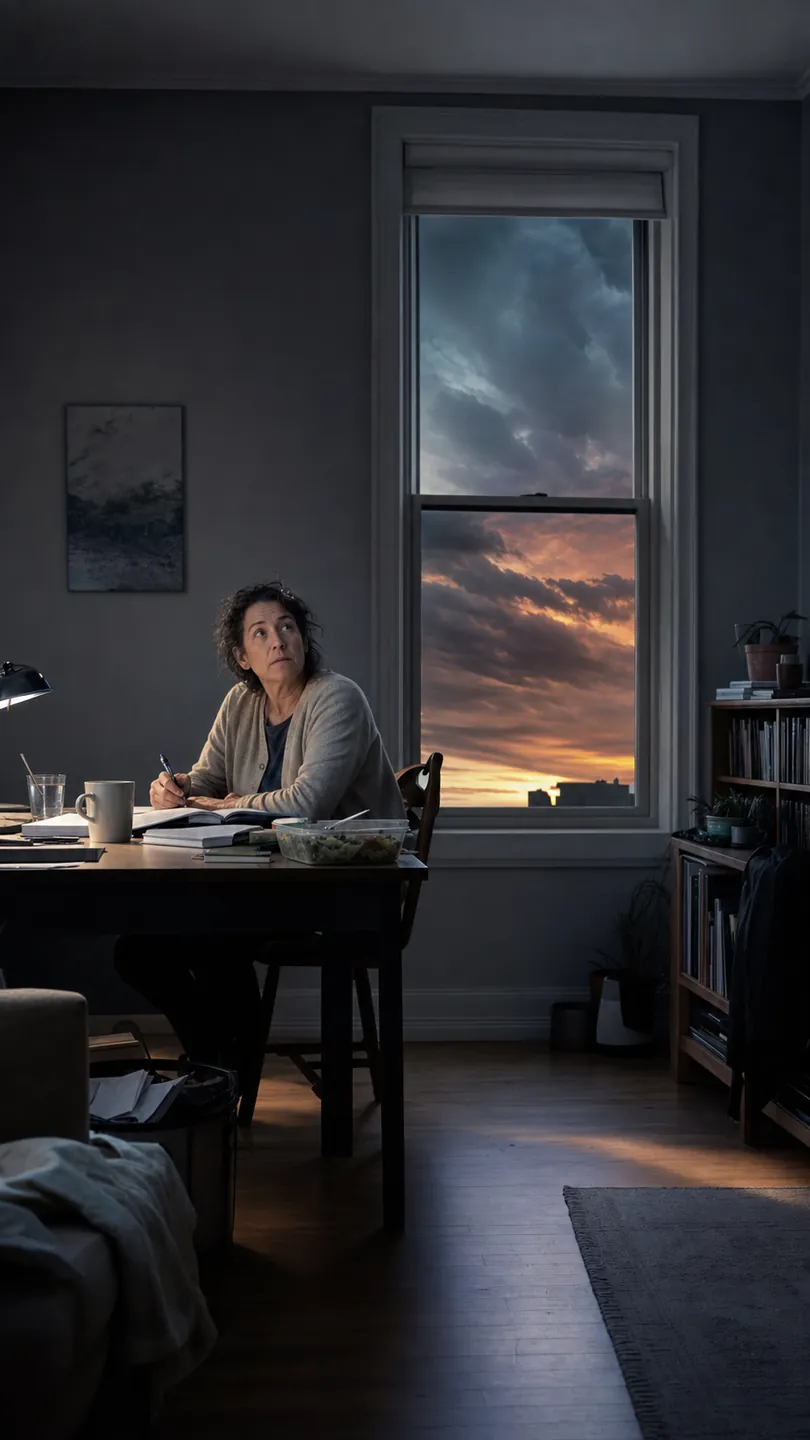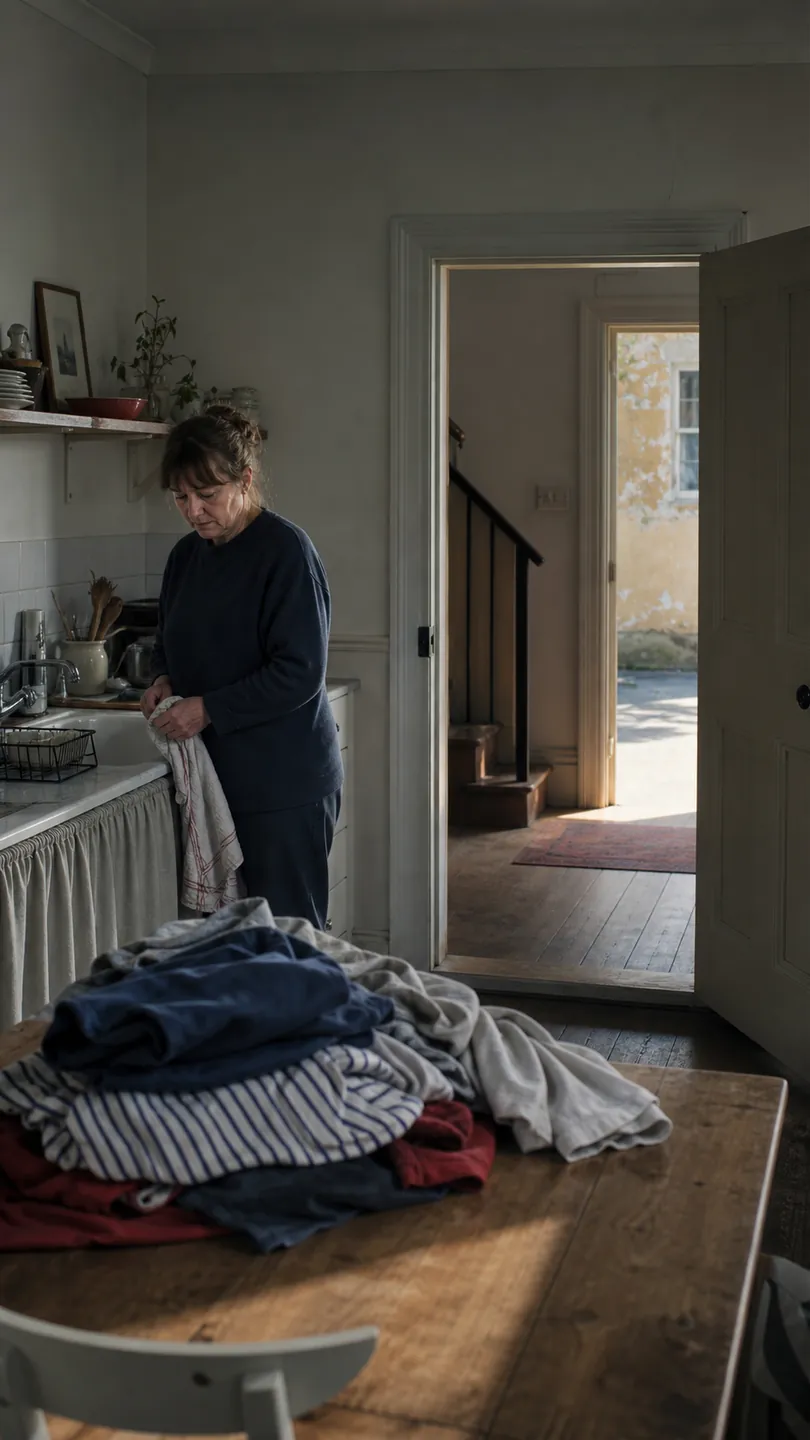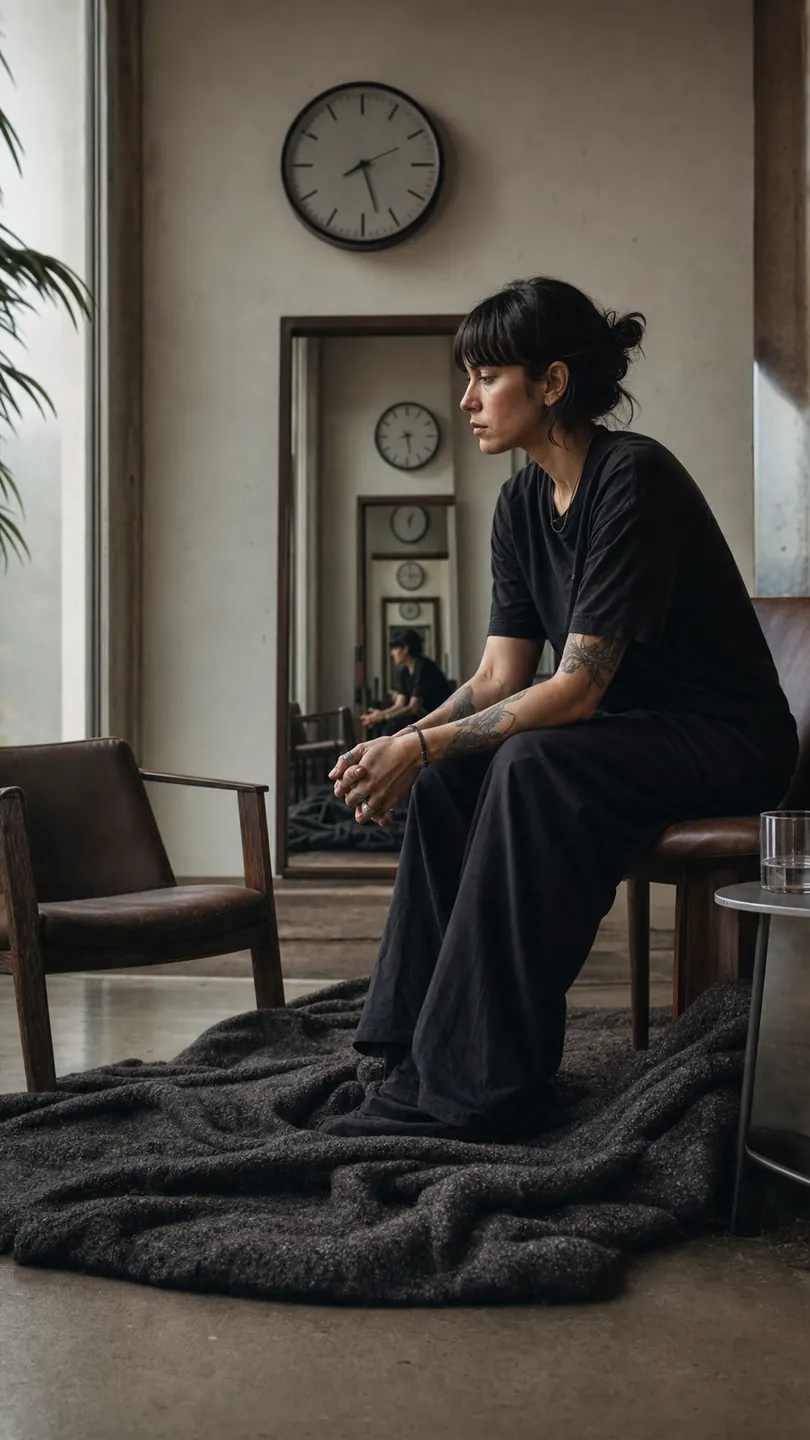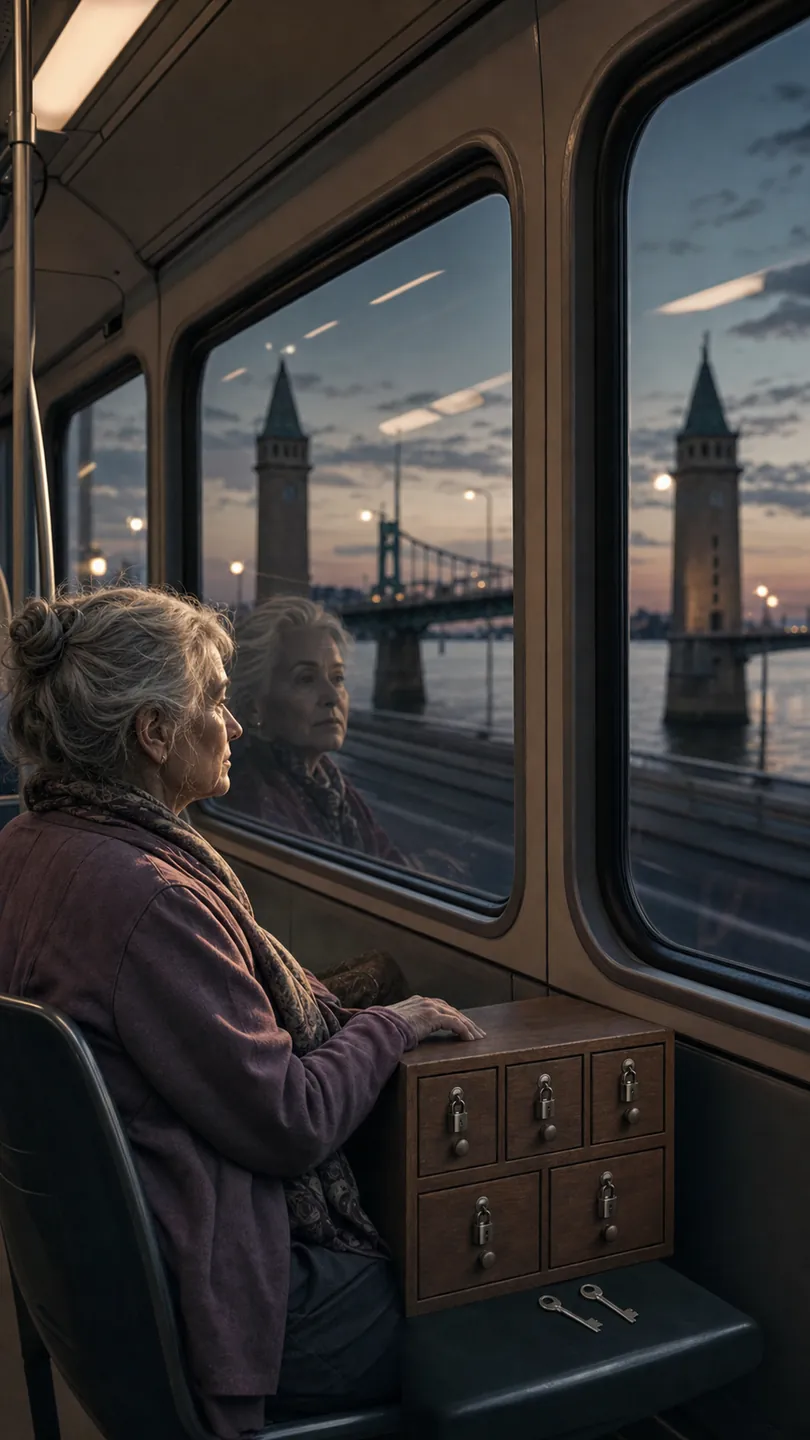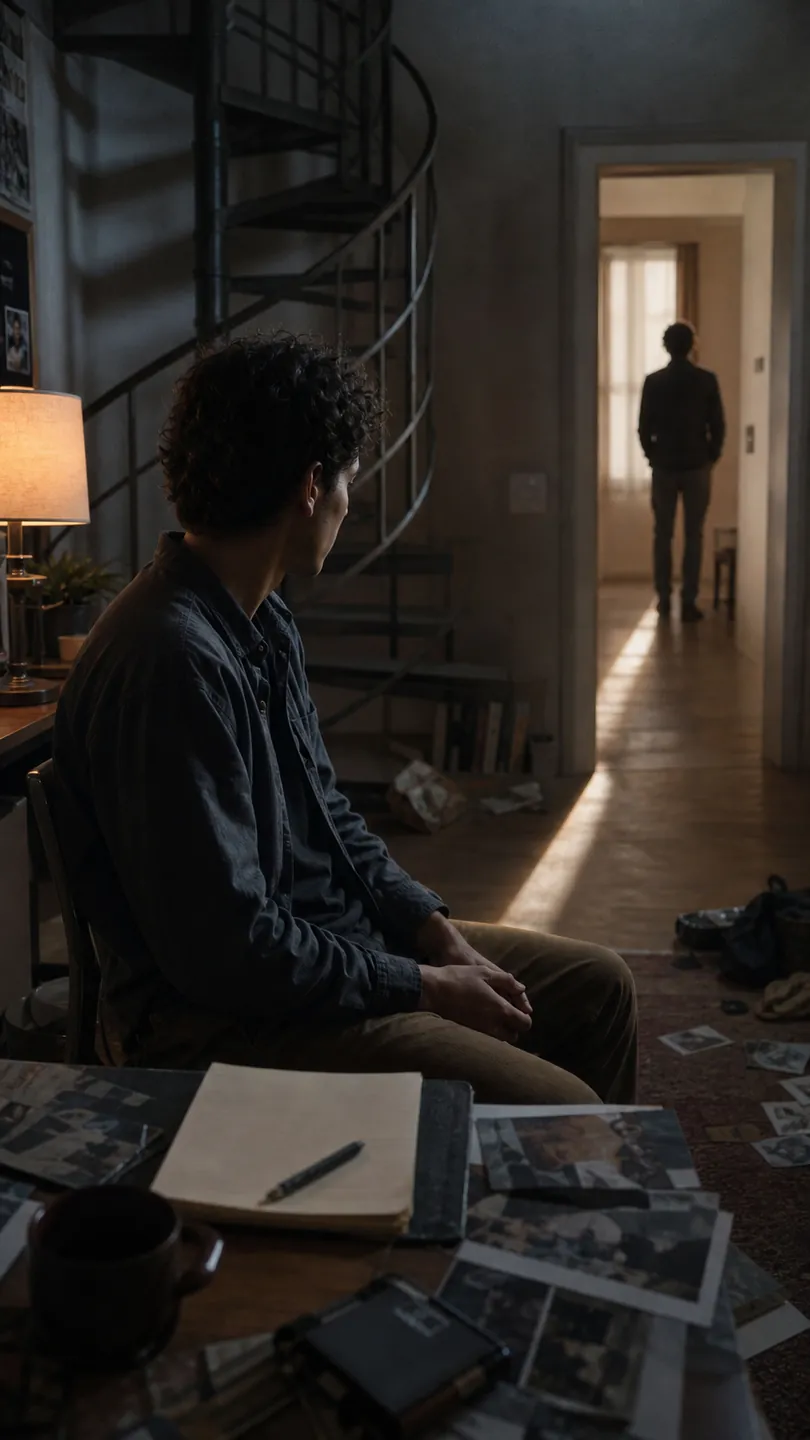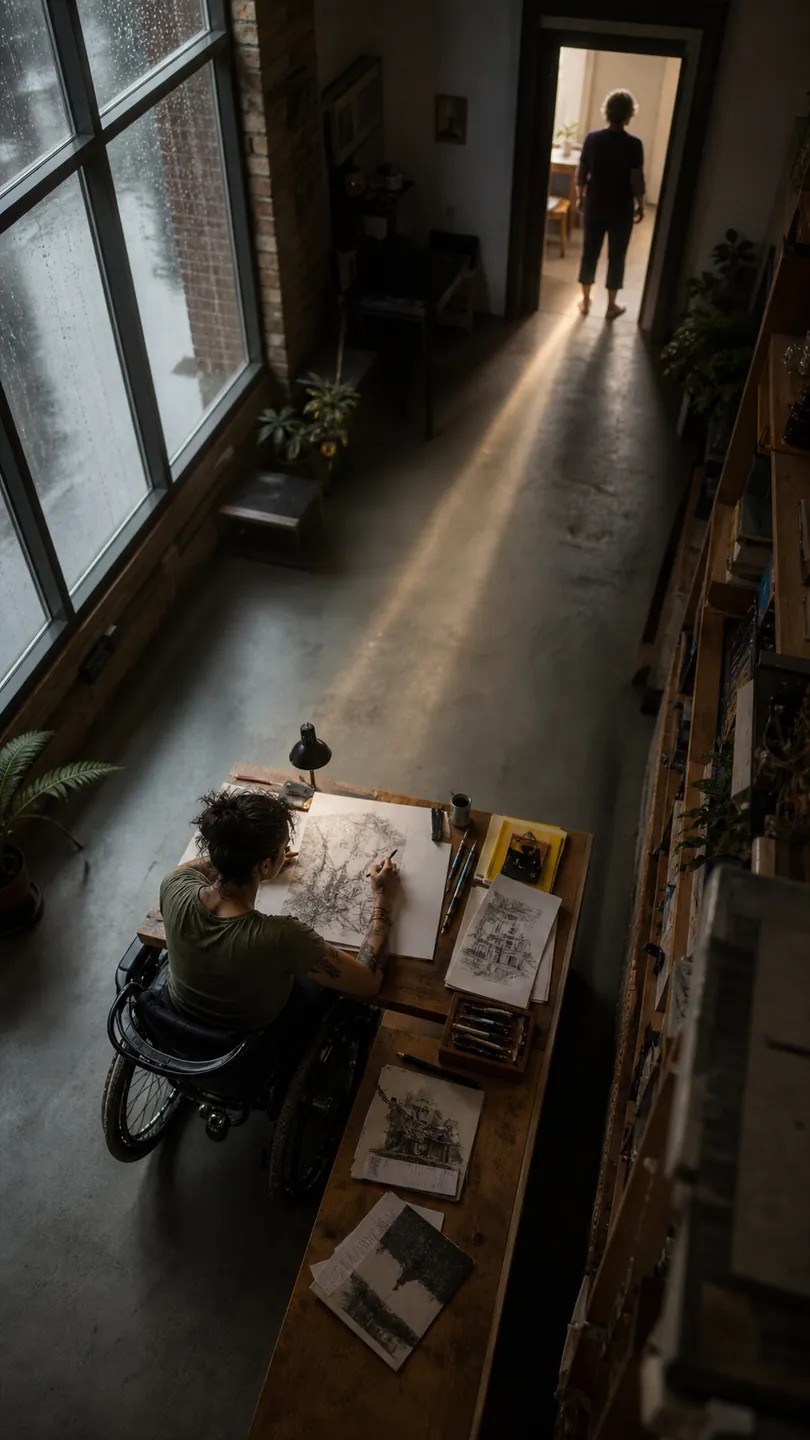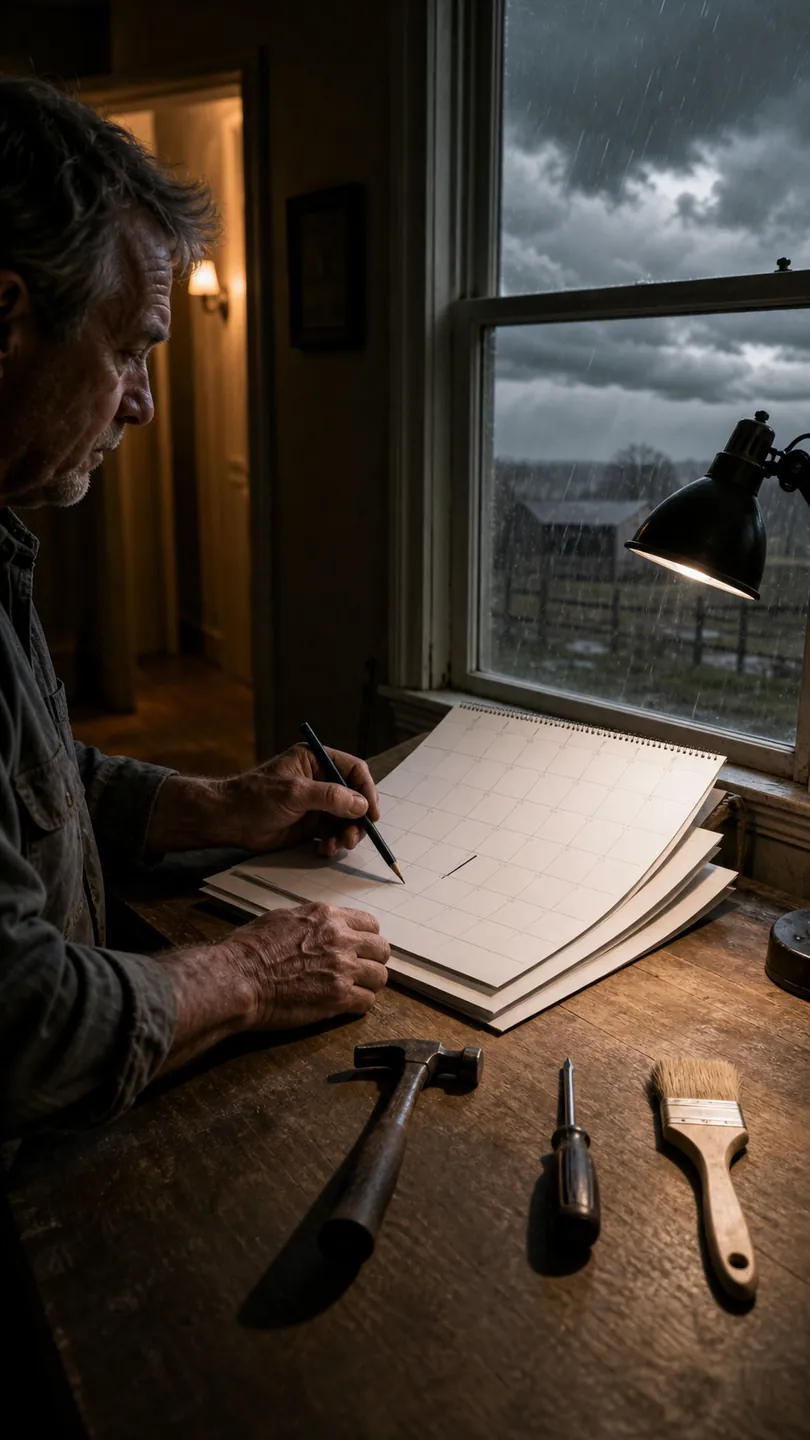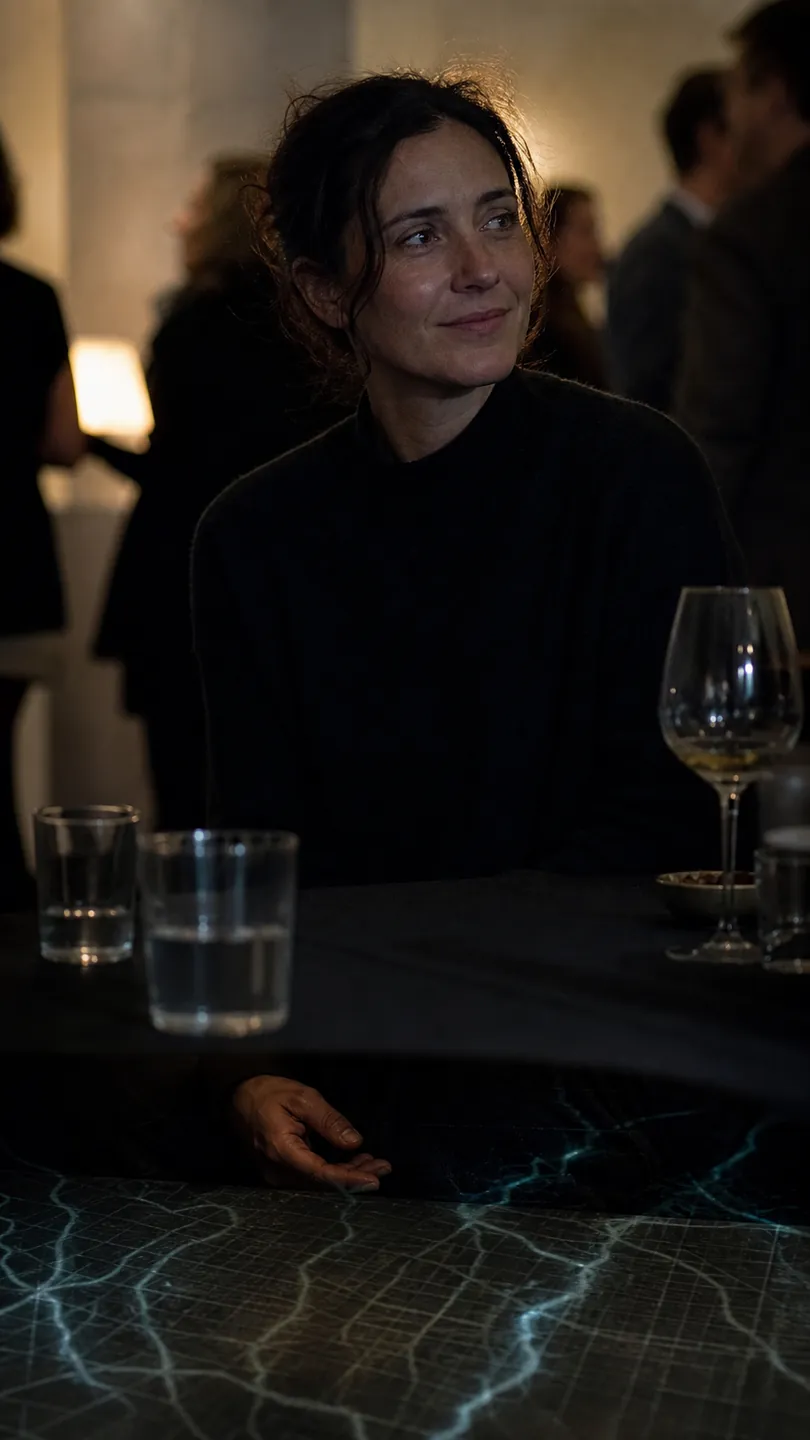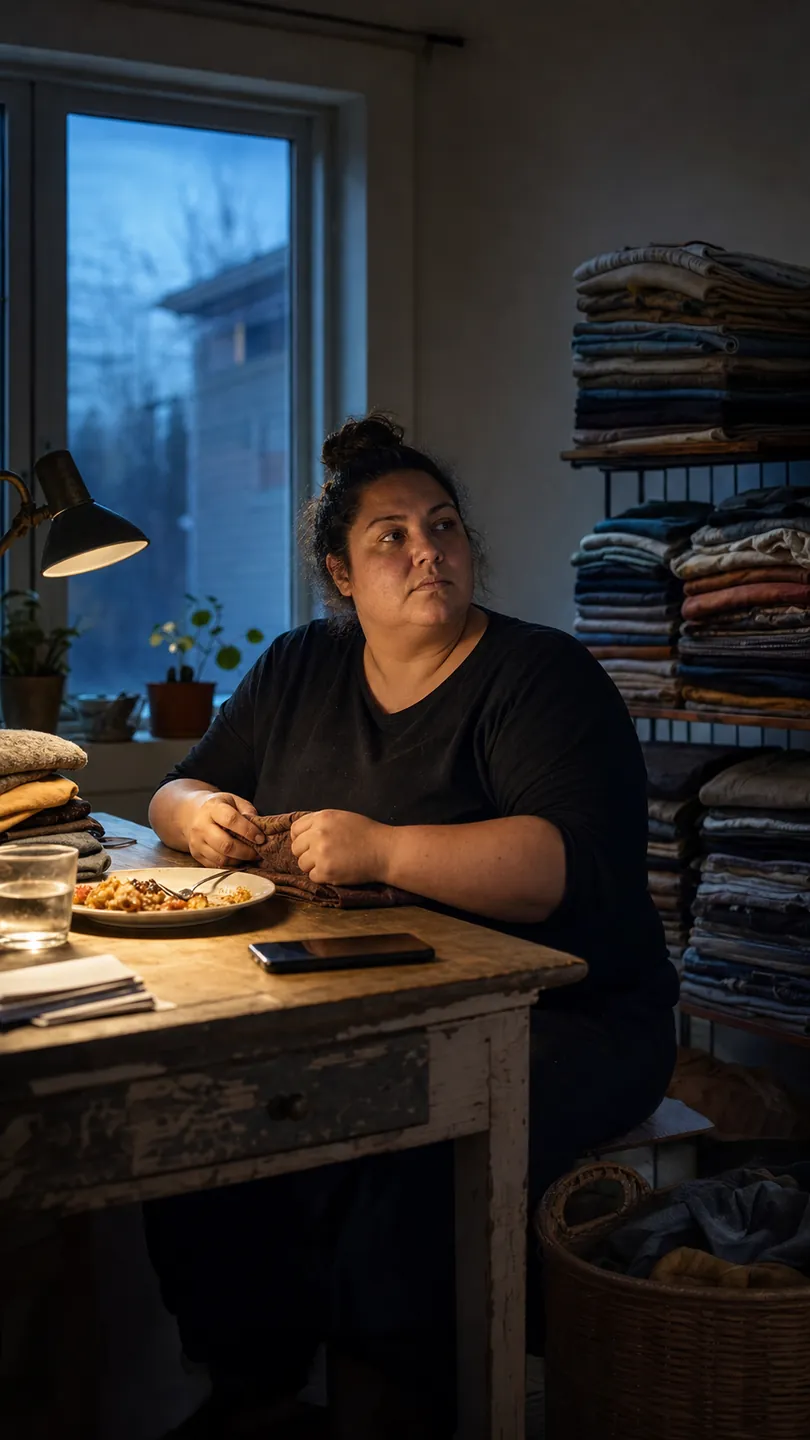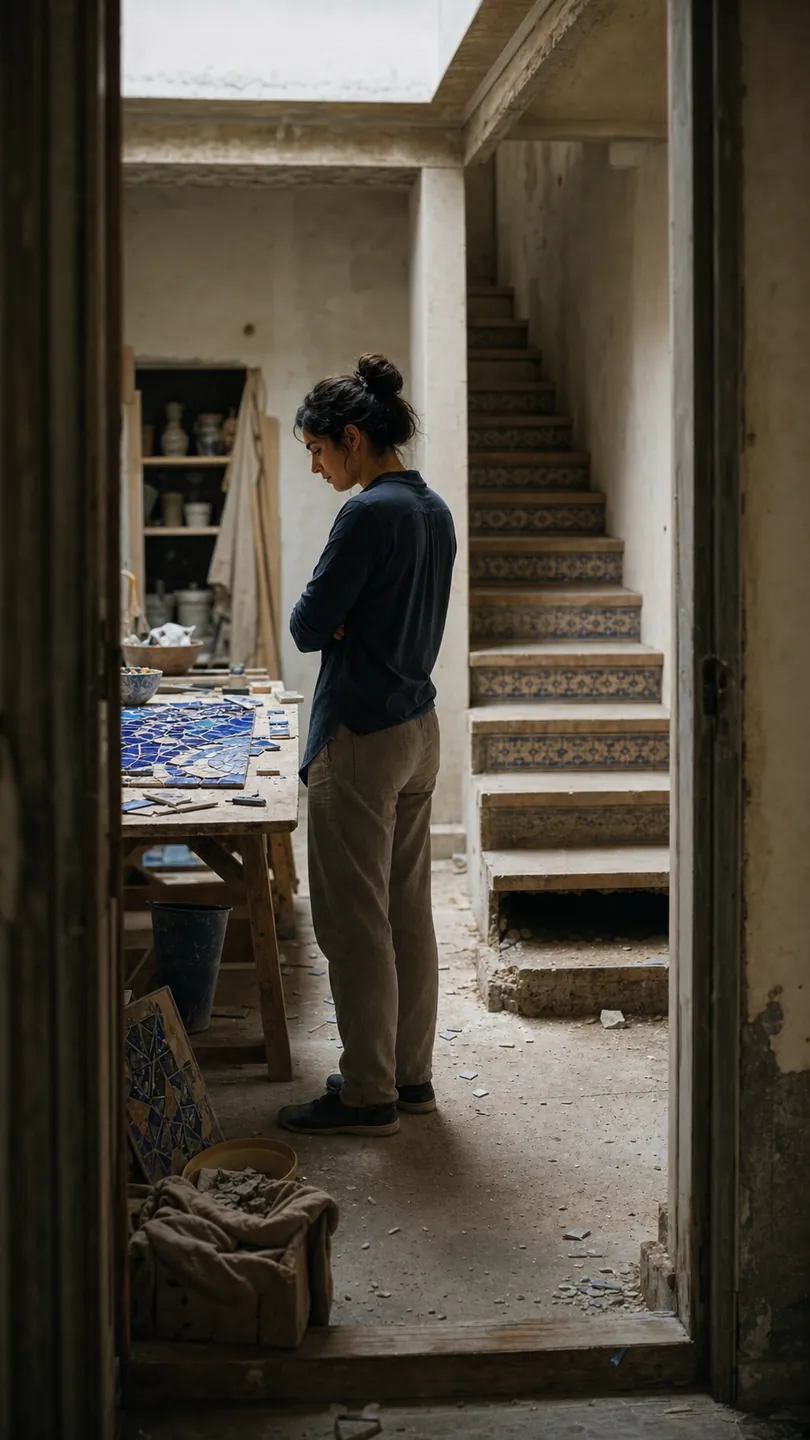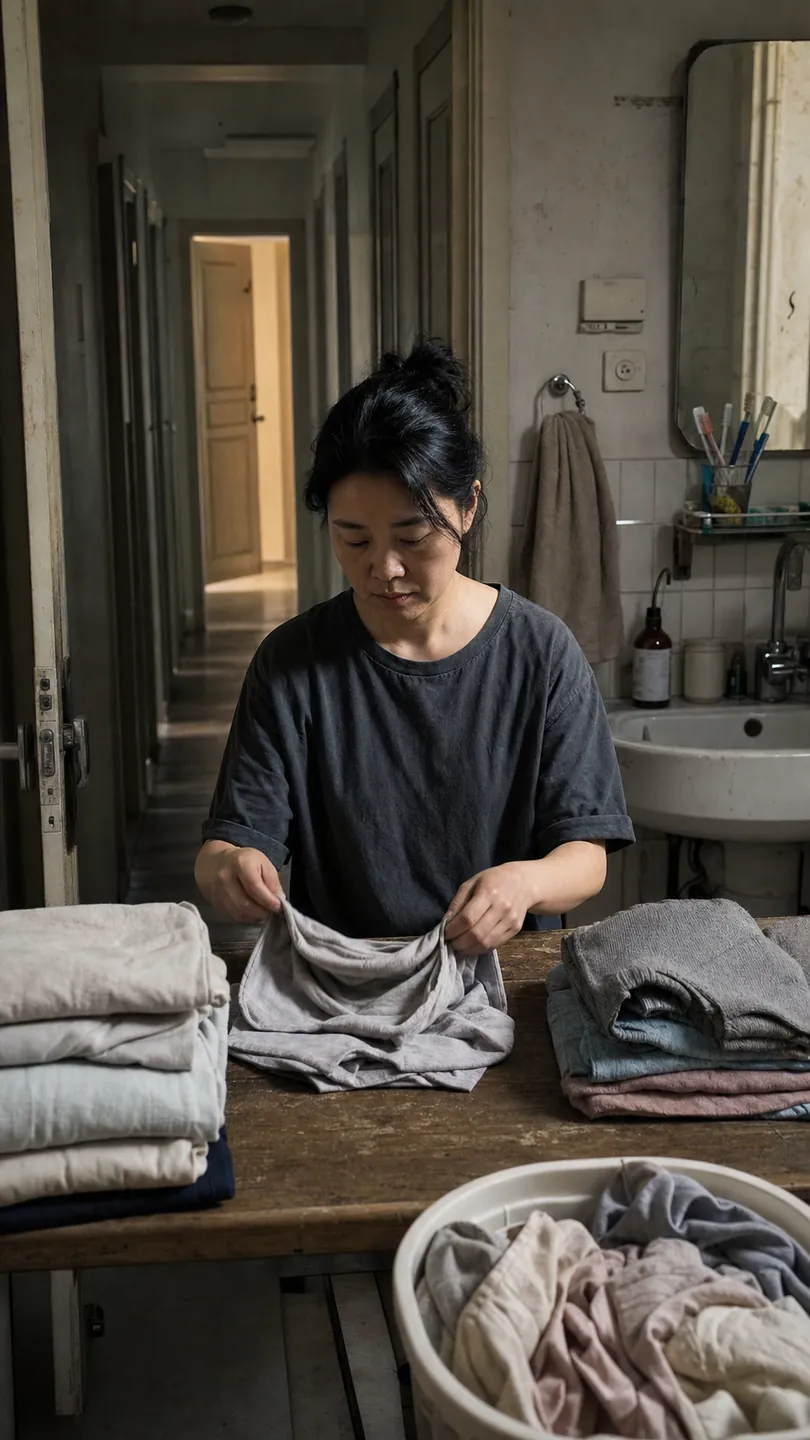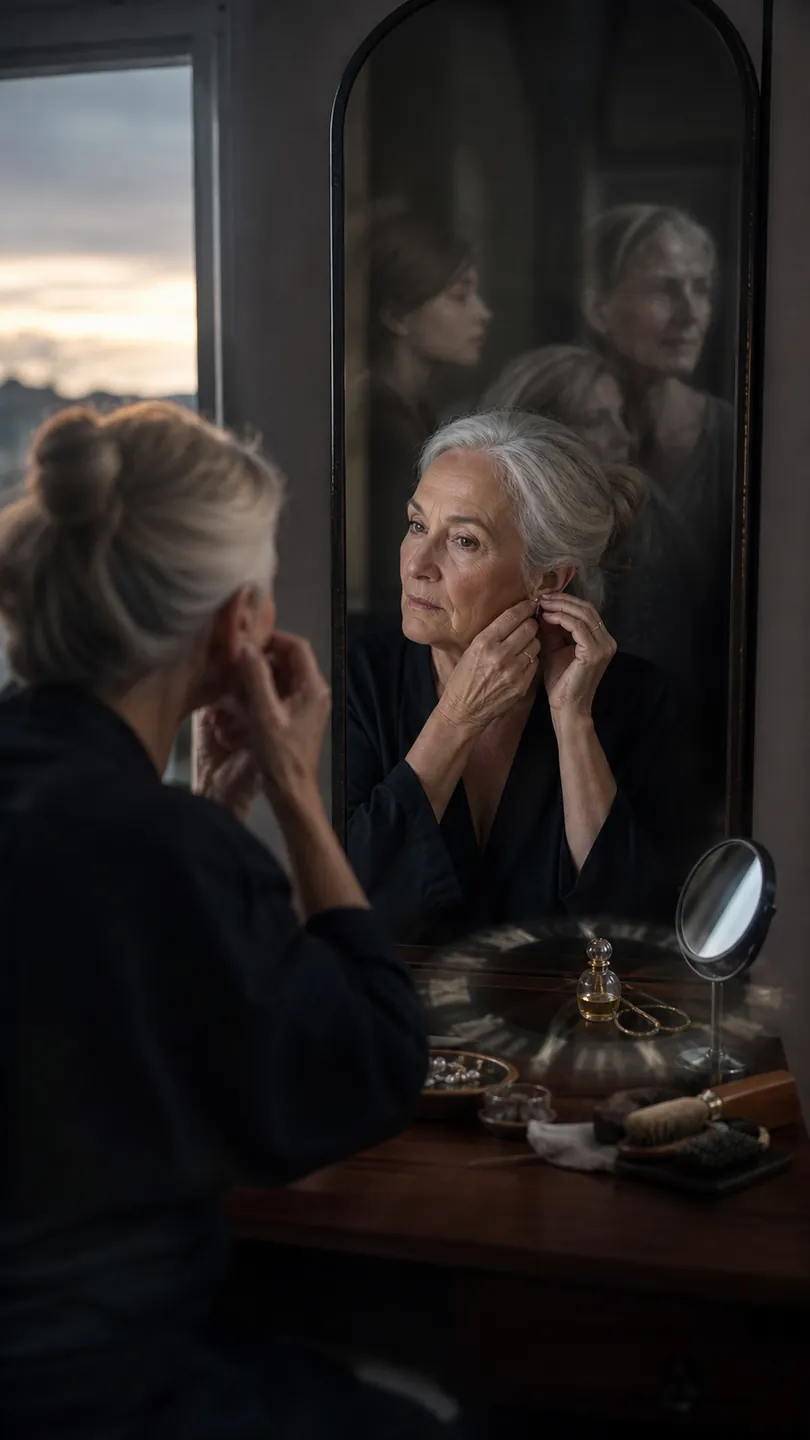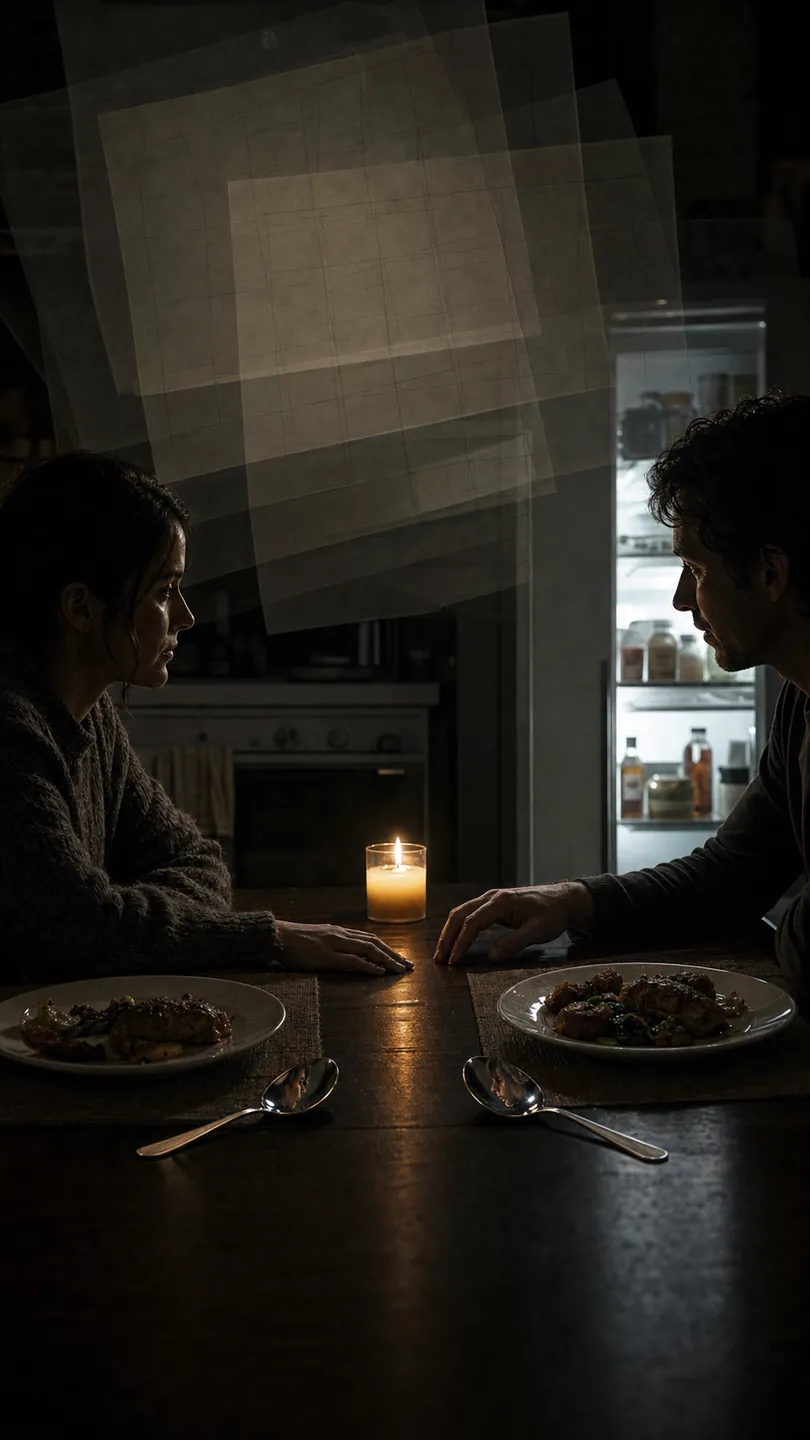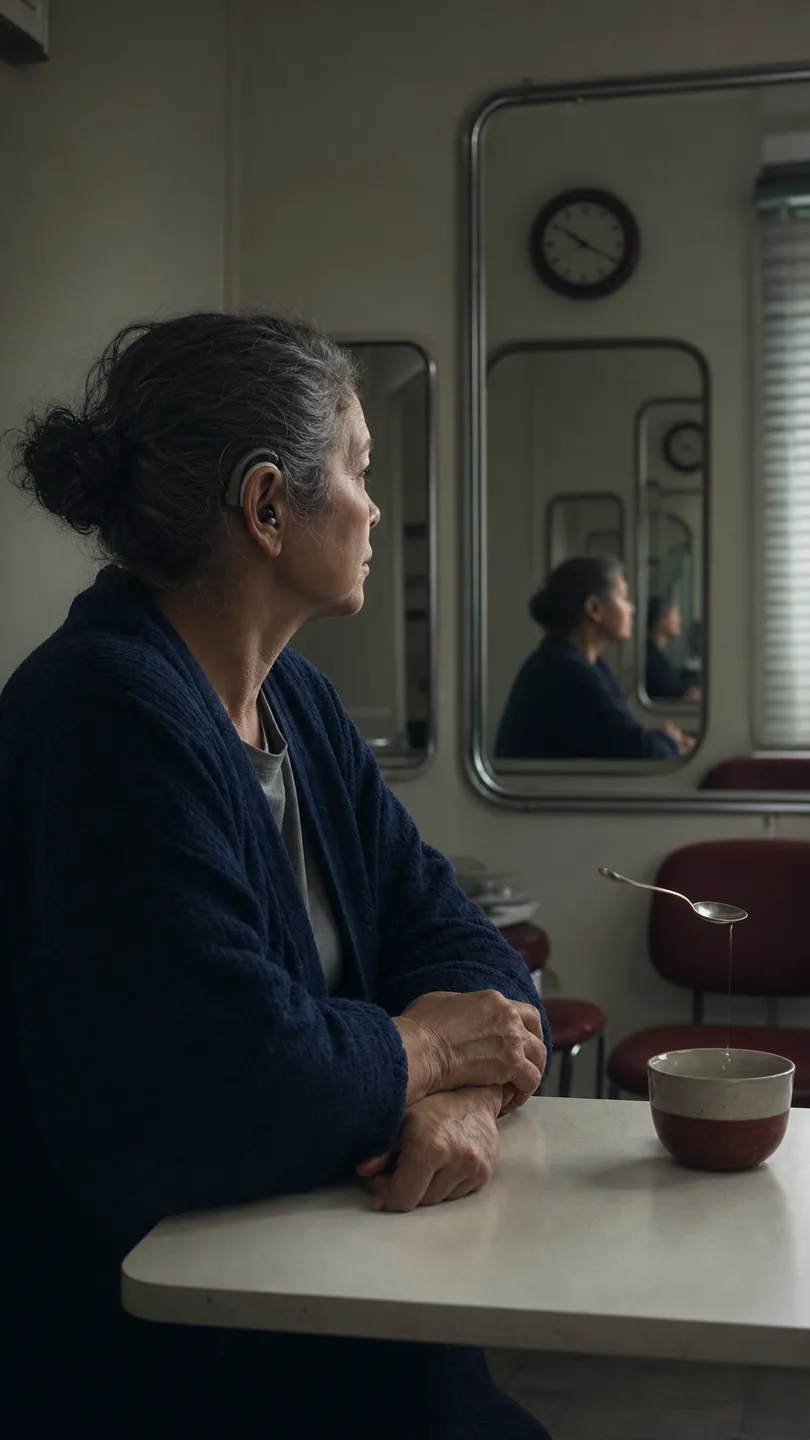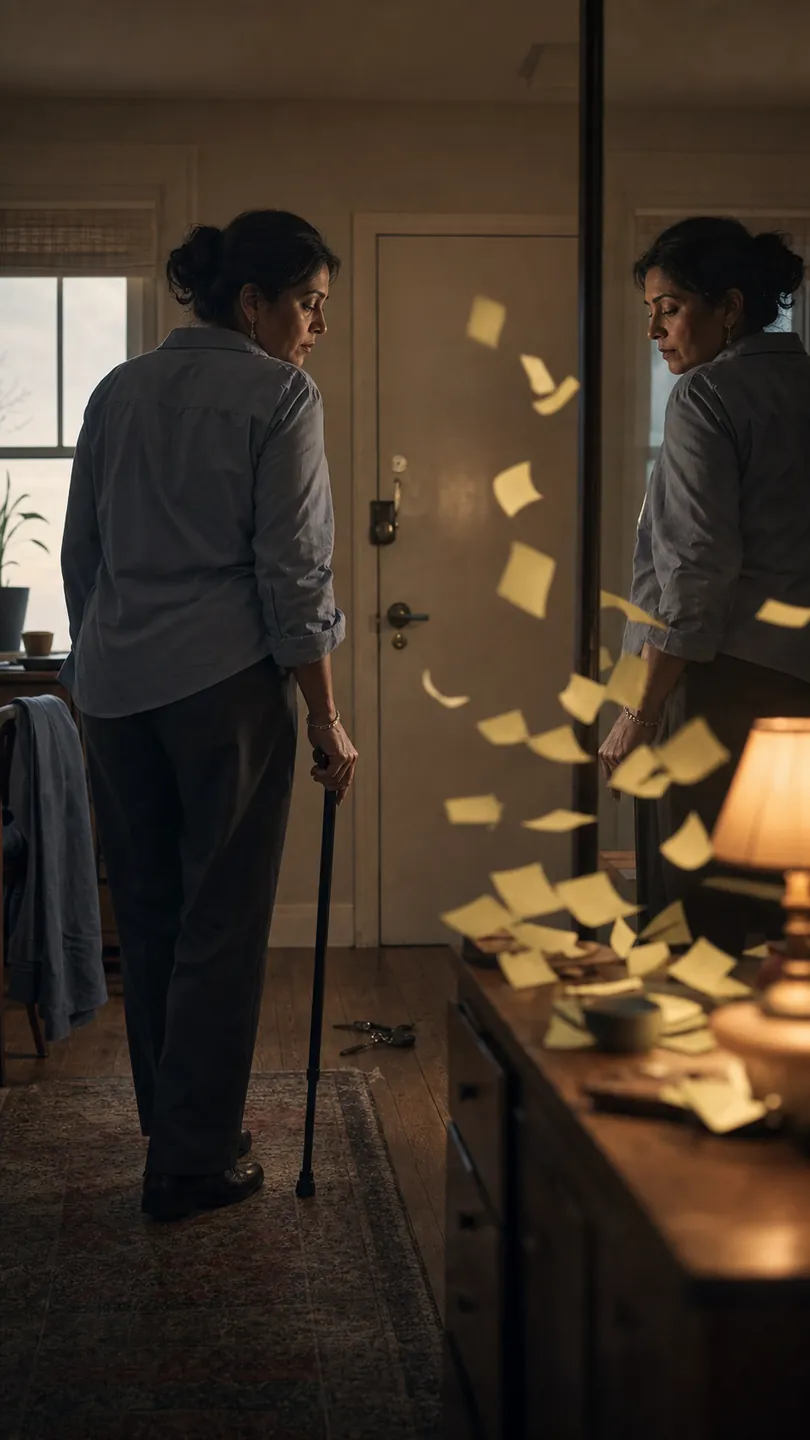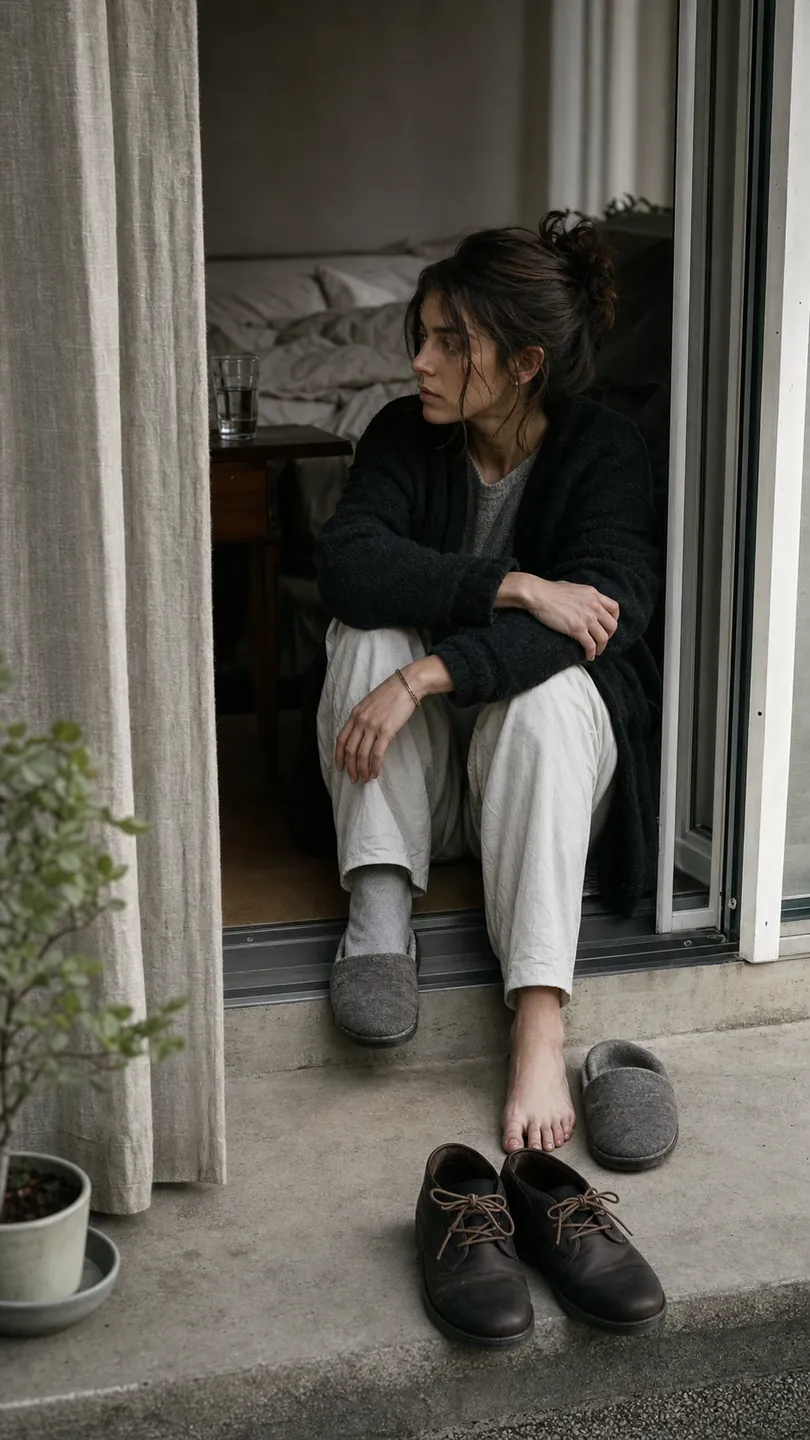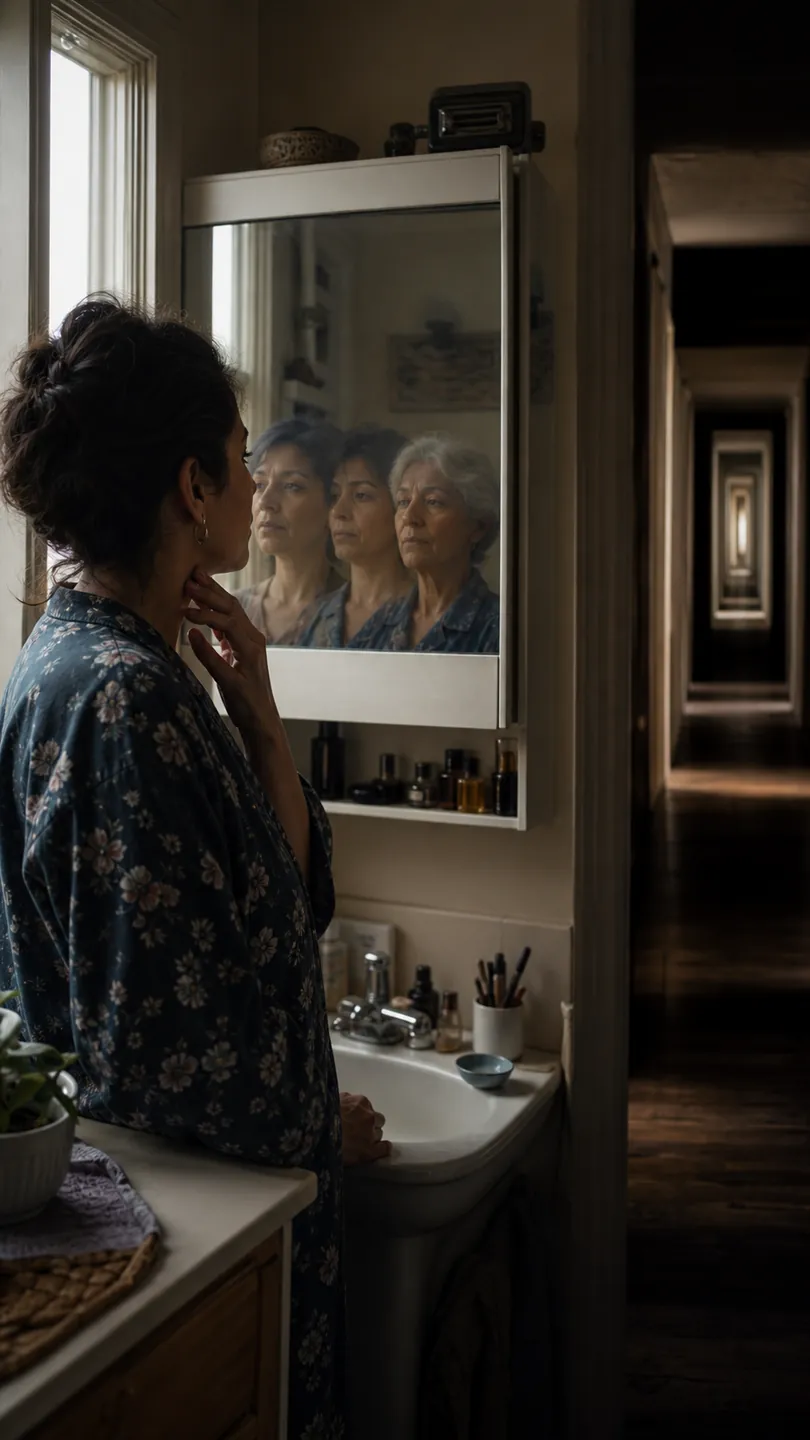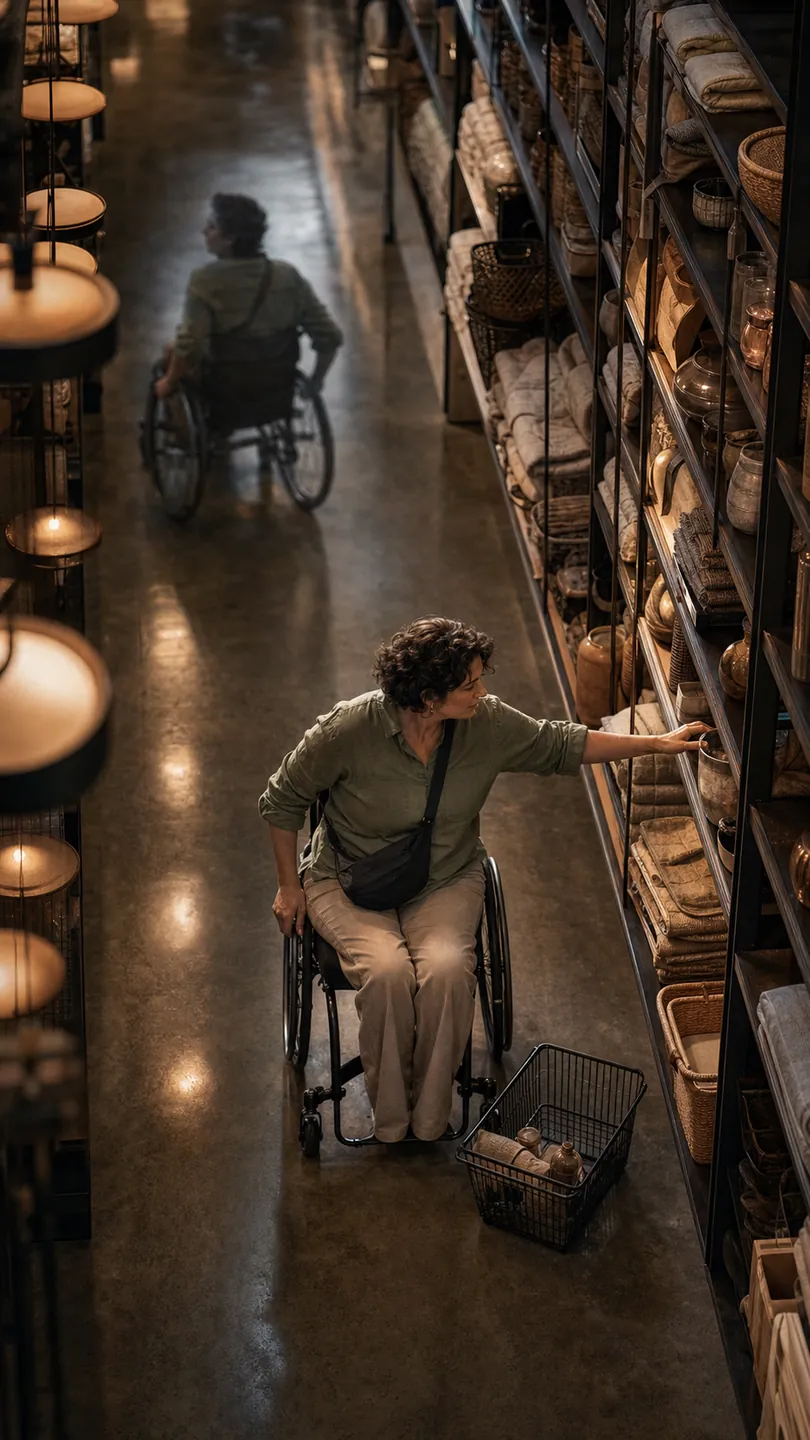
Create a contemplative single-frame image designed to serve as a visual catalyst for reflective writing. SUBJECT & SCENE — Depict the person from the...
من نص البرومبت
Use the attached reference photo as the identity reference: keep the same face, skin tone, hair and features as the person in that photo, without beautifying, aging or altering them. Create a contemplative single-frame image designed to serve as a visual catalyst for reflective writing. SUBJECT & SCENE — Depict the person from the reference photo in an ordinary moment: appearing composed in a meeting while silently managing attention, fear, heaviness, or shifting energy. Ground the scene in neatly aligned notebooks, one restless foot under the table, and a glass wall reflecting a different posture. If the person in the reference photo uses a wheelchair, show it naturally and confidently as part of who they are, framed as fully active within the scene; if not, do not add one. INNER DYNAMIC — Let the image express this dynamic: disrupted sleep and uneven energy altering judgment, temperament, capacity, and self-trust. Show the person as complex and capable, not broken or inspirational. Communicate the tension through restrained posture, attention, and behavior rather than exaggerated facial emotion. SYMBOLIC DETAIL — Integrate the moon and sun visible through the same window as the only controlled departure from realism. It should feel physically present yet subtle enough to be understood only after the everyday scene is noticed. TIME & IDENTITY — Suggest a career built through both visible performance and hidden regulation. Let the scene hold this identity question: whether the exhausted self and the energized self are equally authentic. VISUAL LANGUAGE — Use an overhead geometric composition that reveals patterns the person cannot see; a narrow strip of sunlight moving across an otherwise still room; cool white, muted navy, and worn red accents; fine documentary detail, light film grain, and tactile fabric. BOUNDARIES — No words, captions, diagnostic labels, medical clichés, self-harm imagery, horror framing, or sensational despair. Keep the portrayal humane, culturally respectful, emotionally complex, and accessible. Portrait orientation, 9:16, high detail, realistic anatomy and materials.