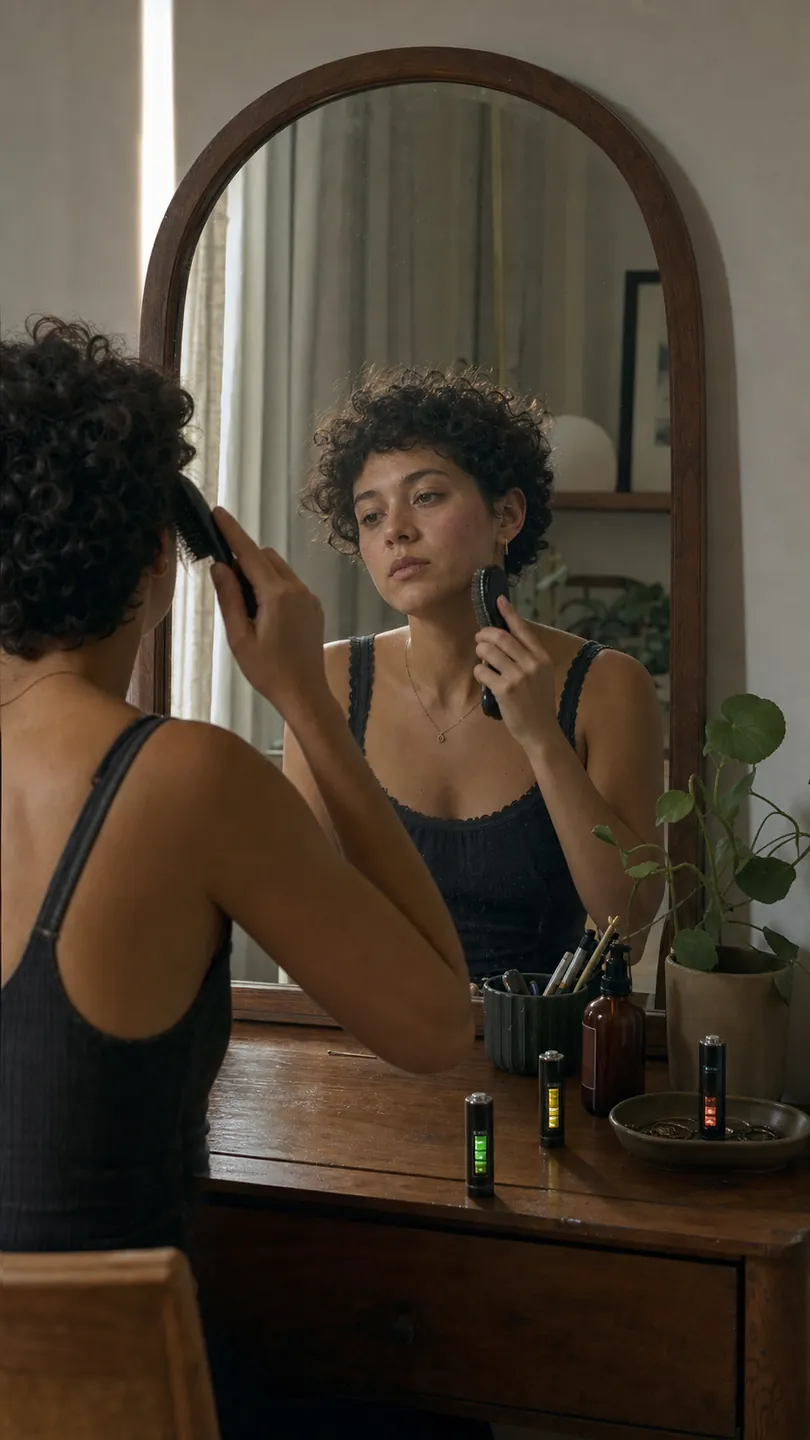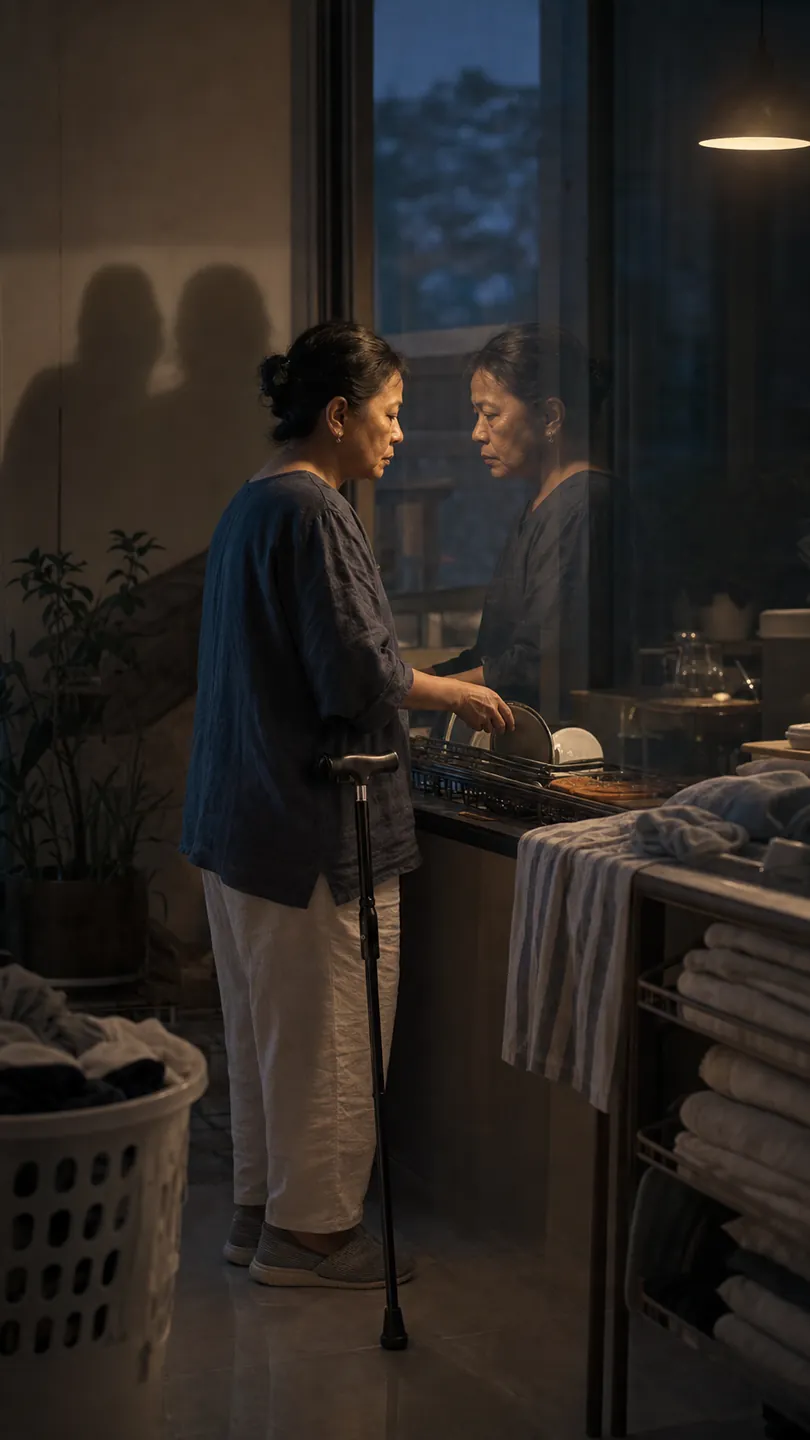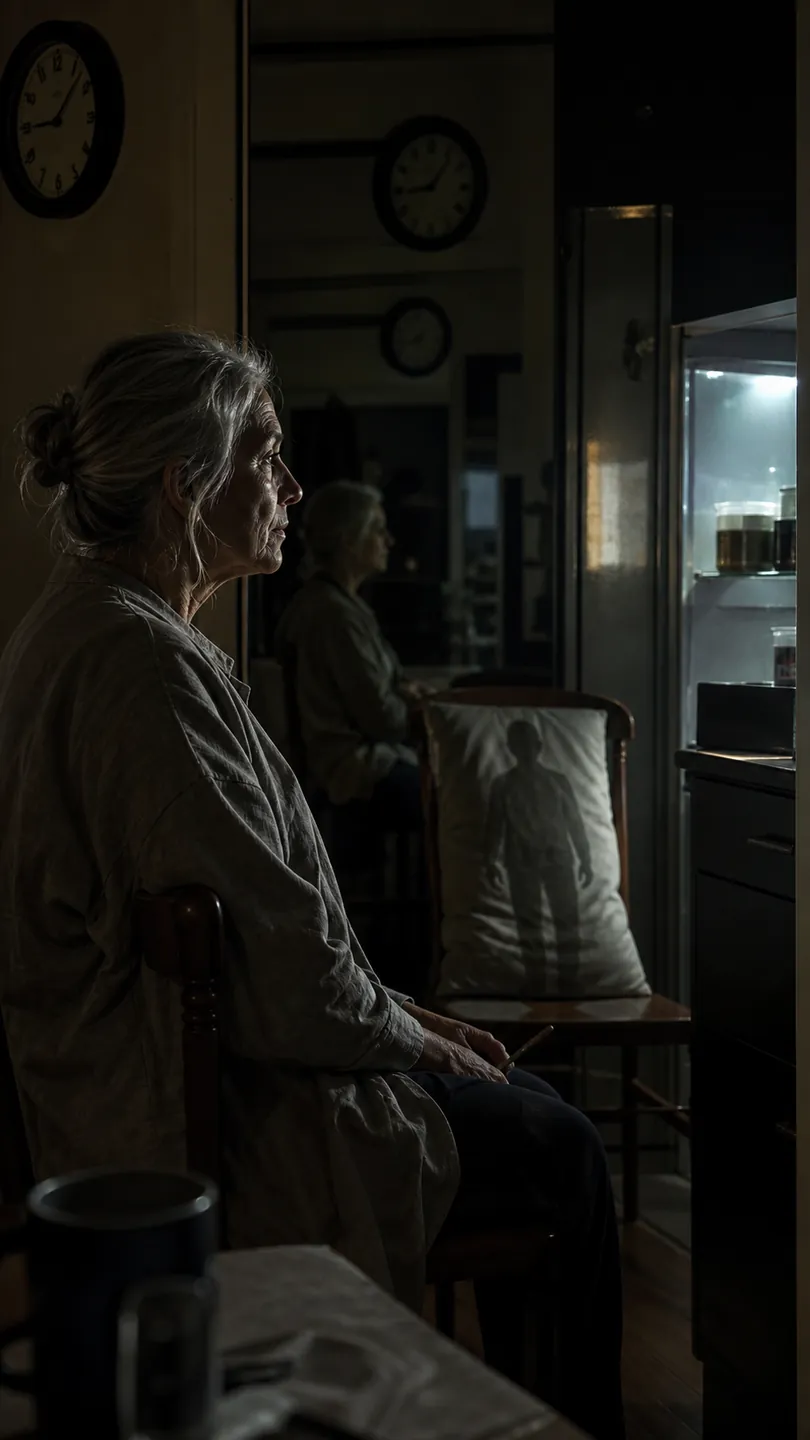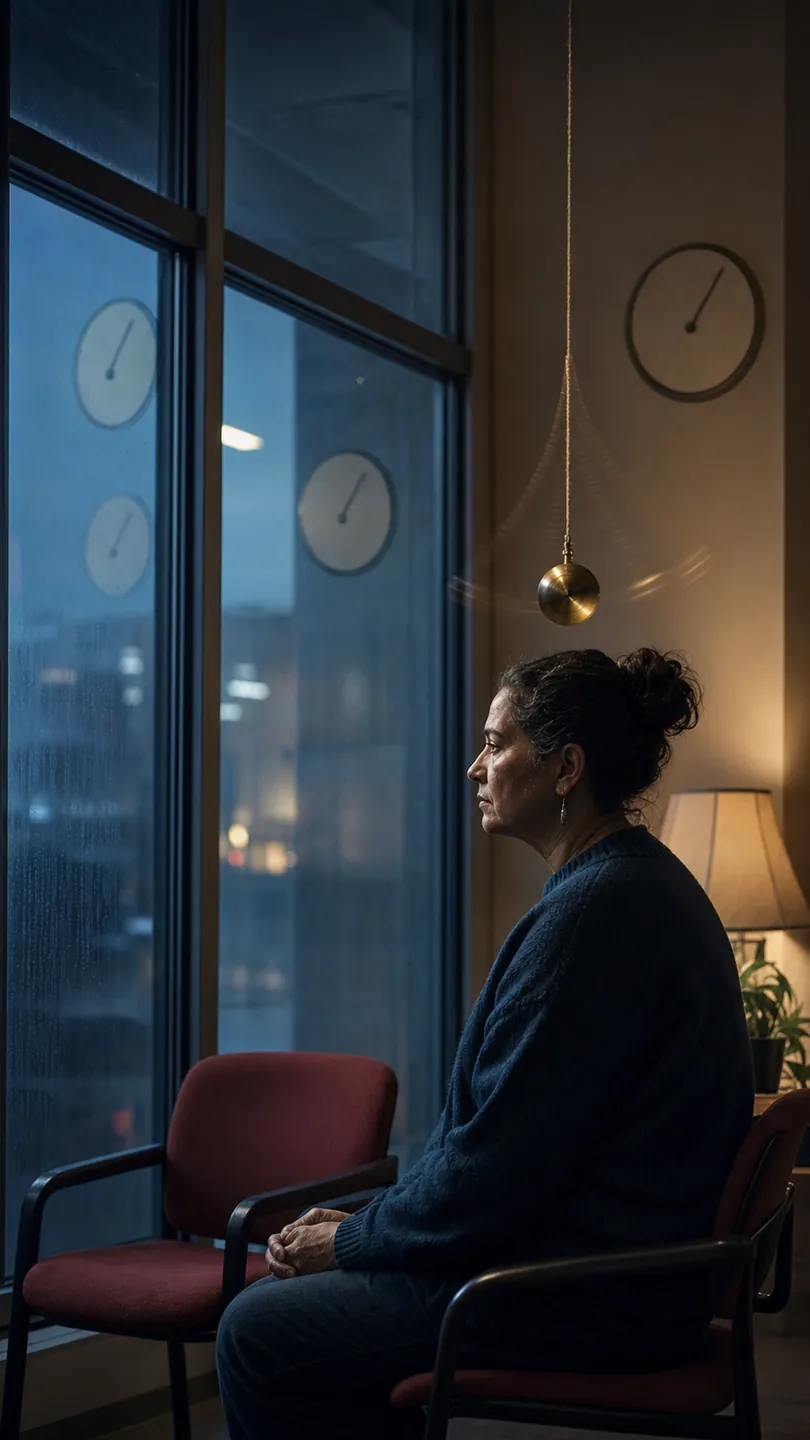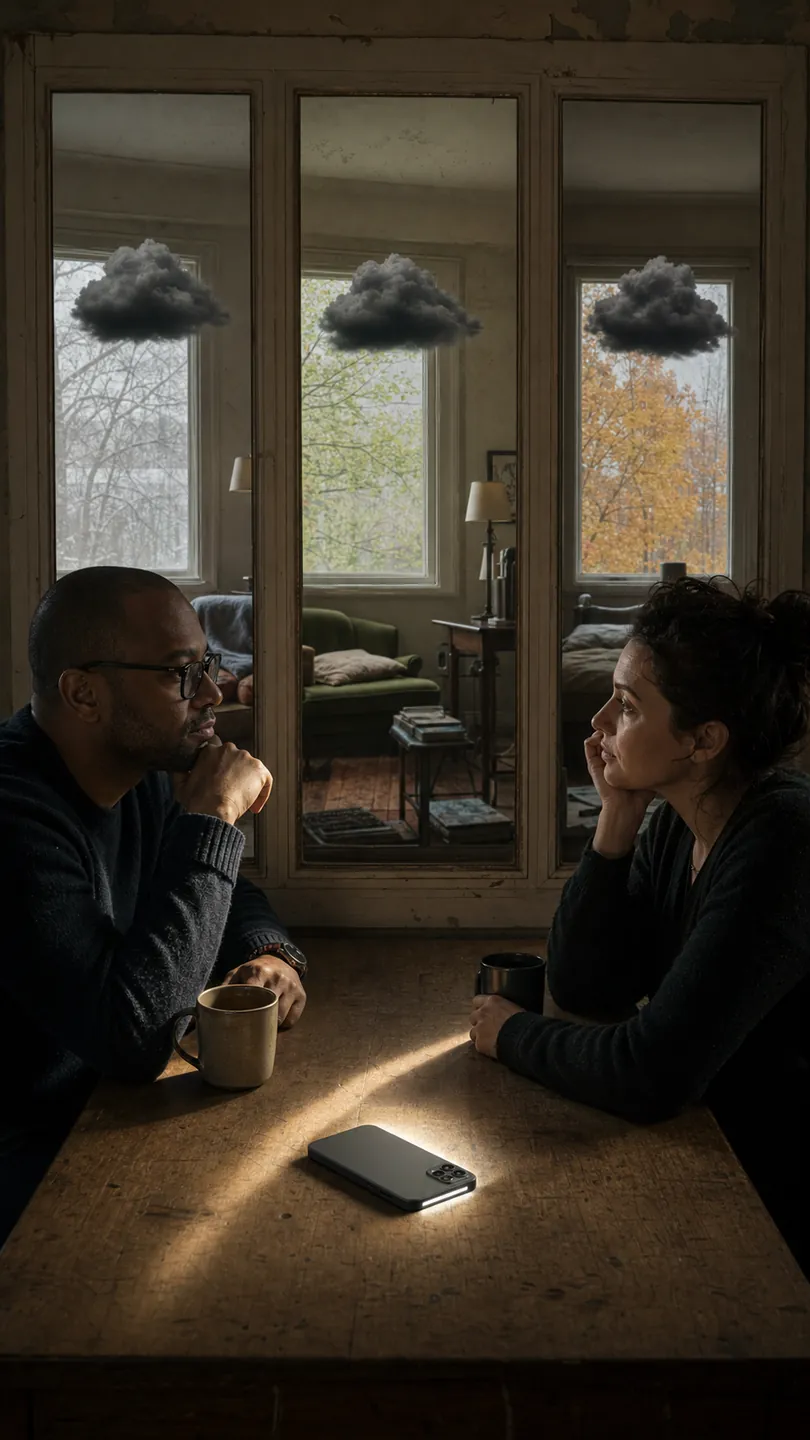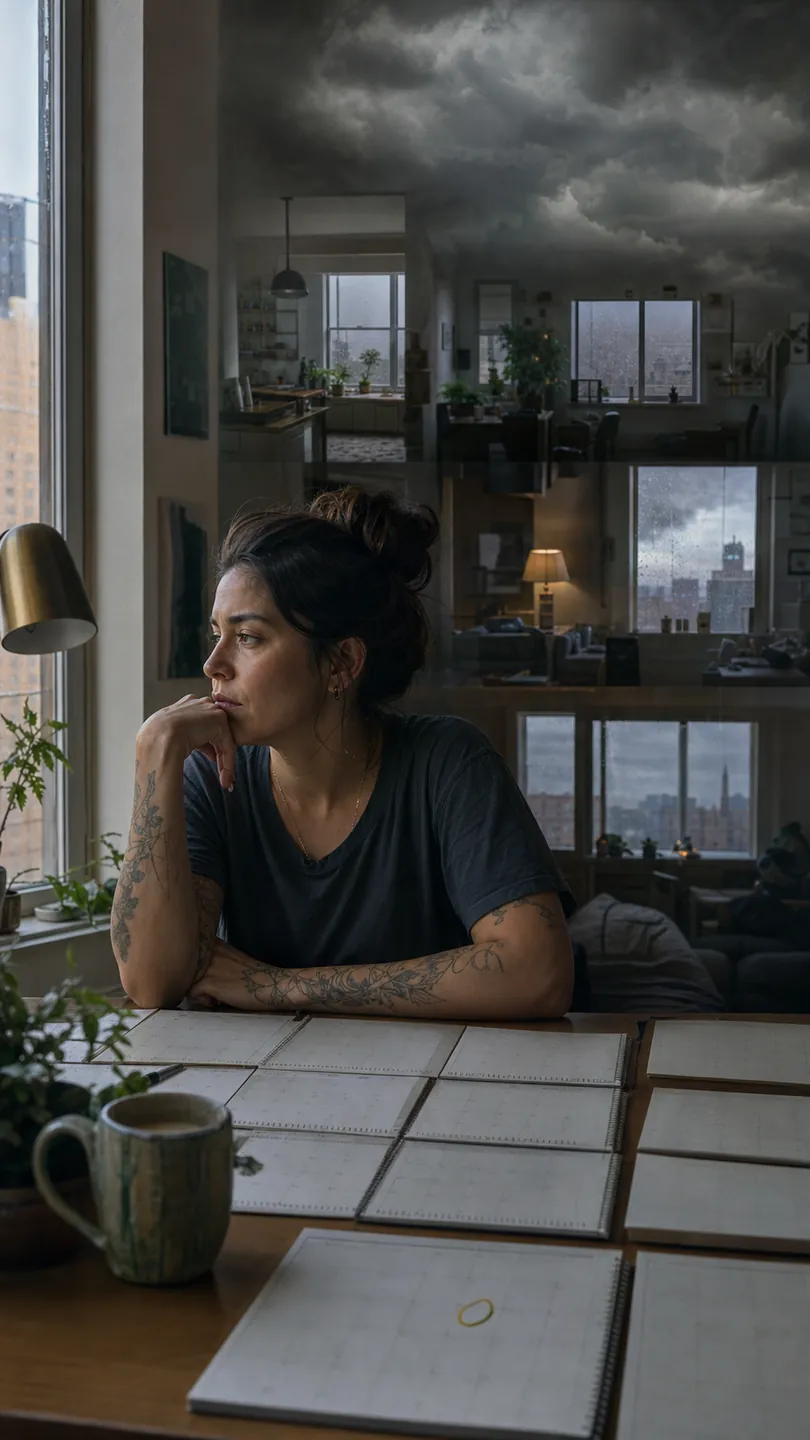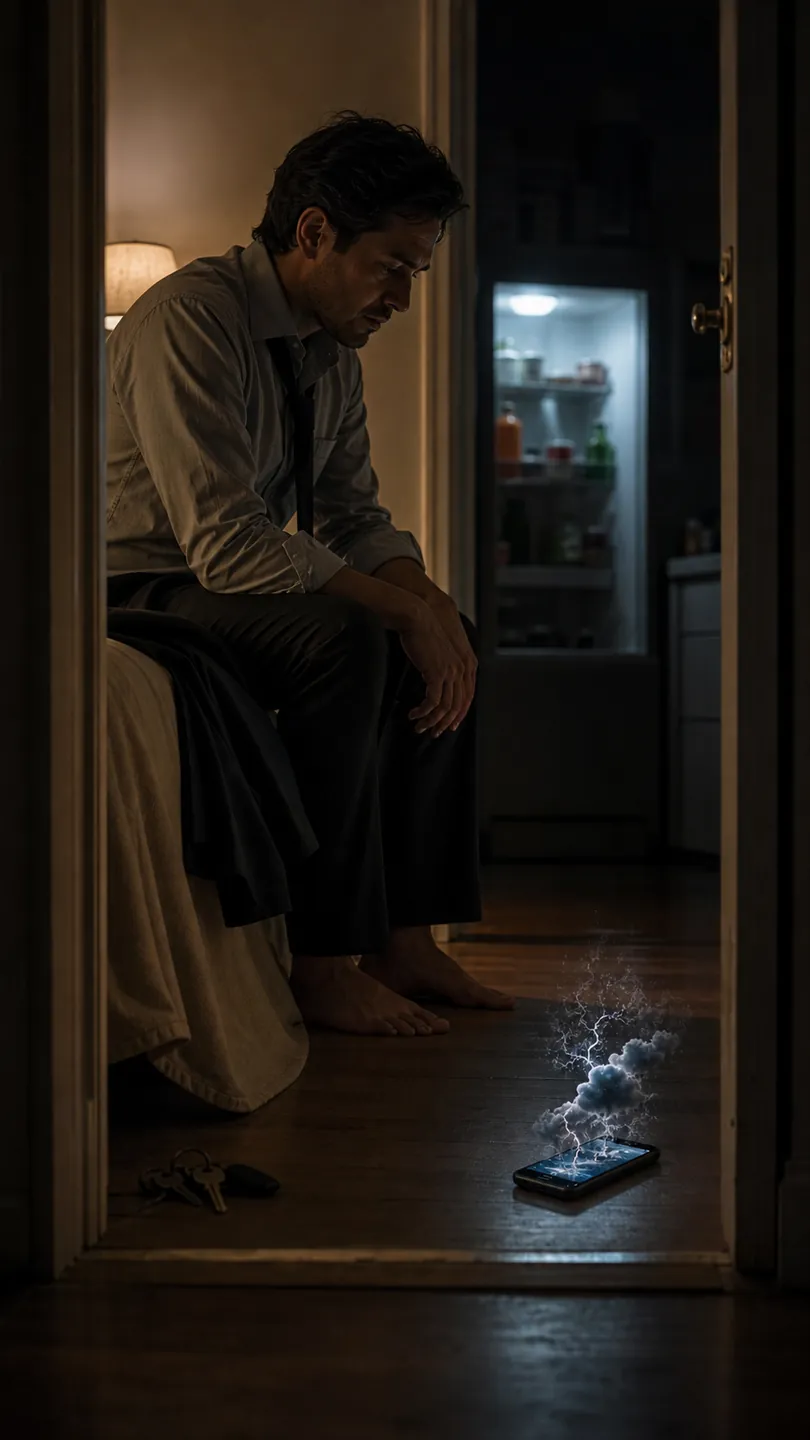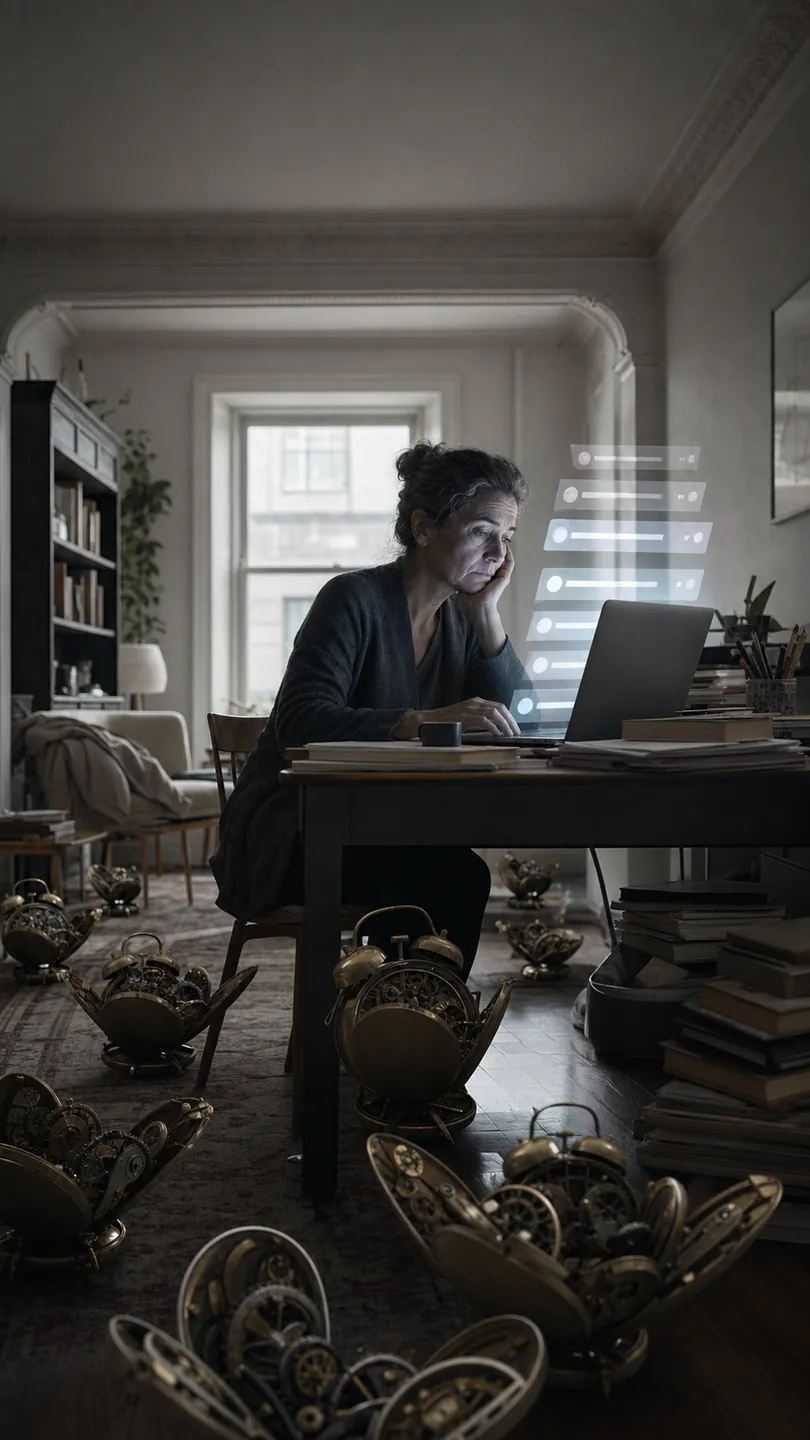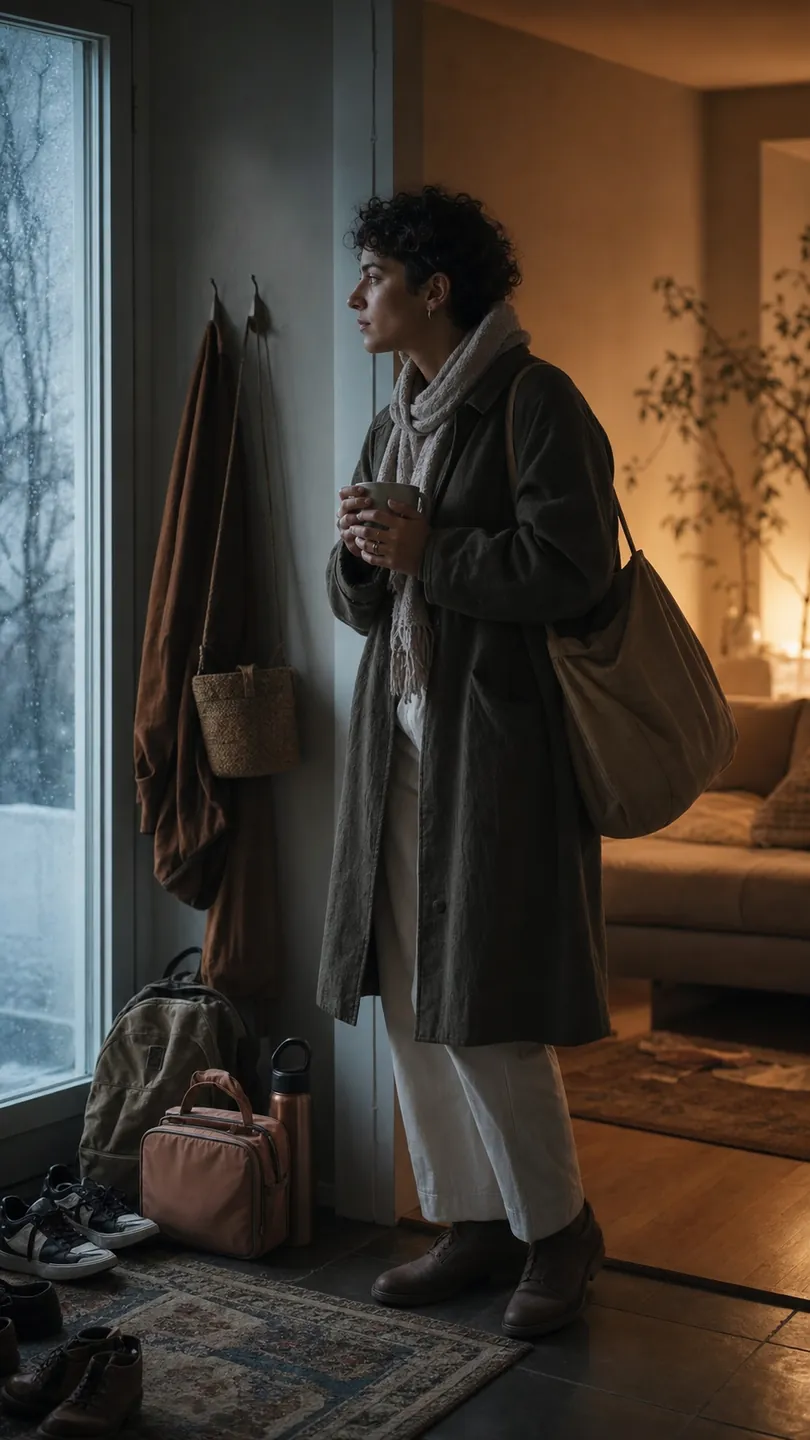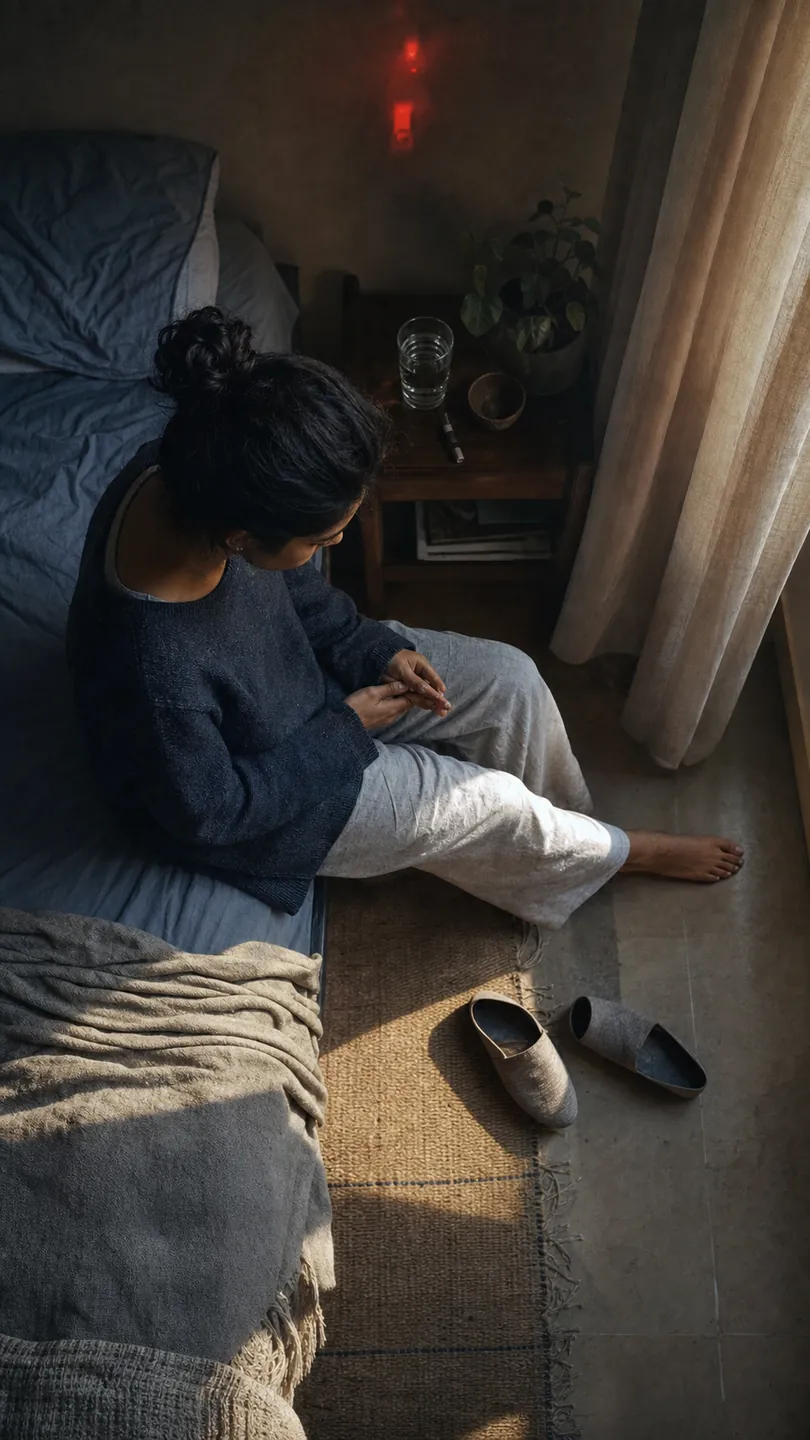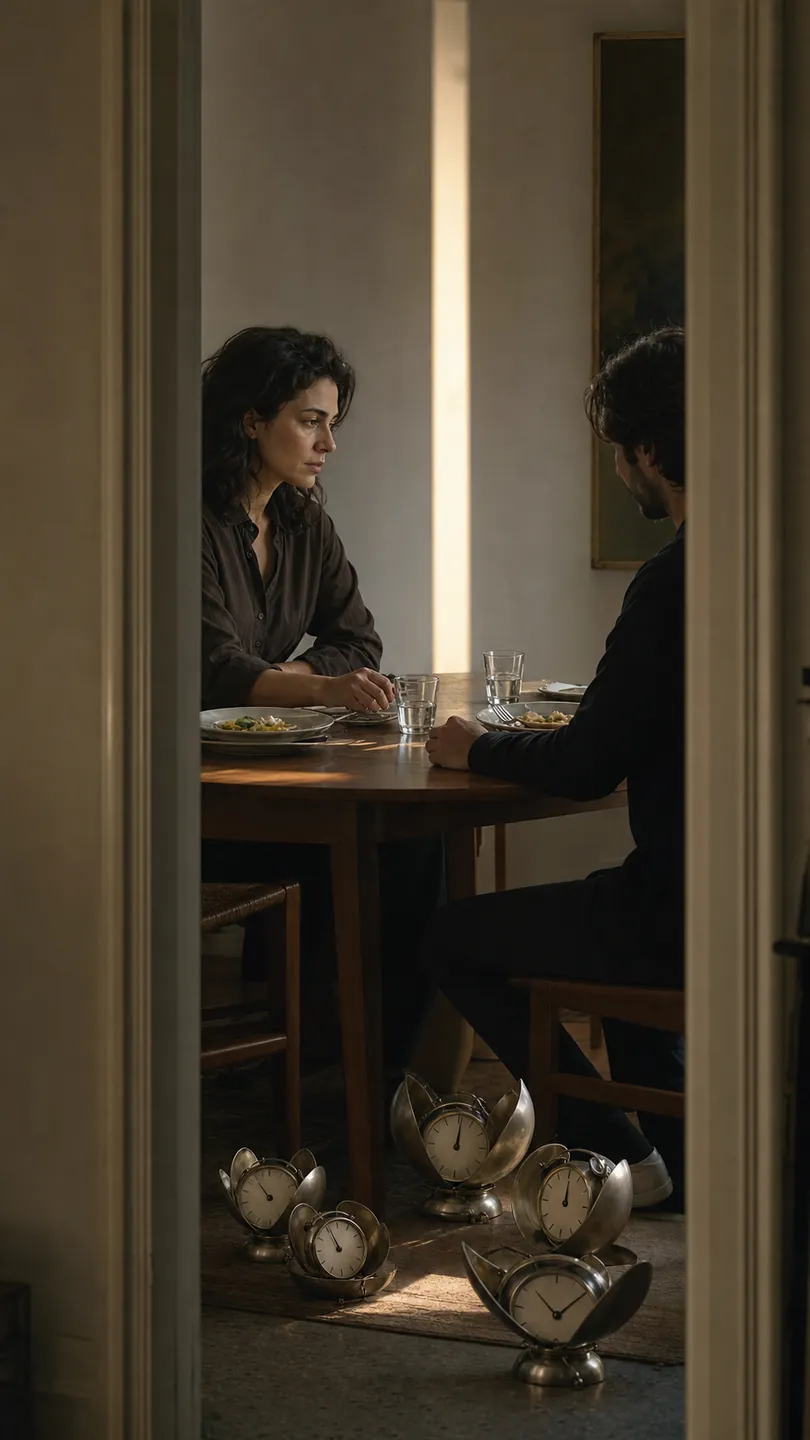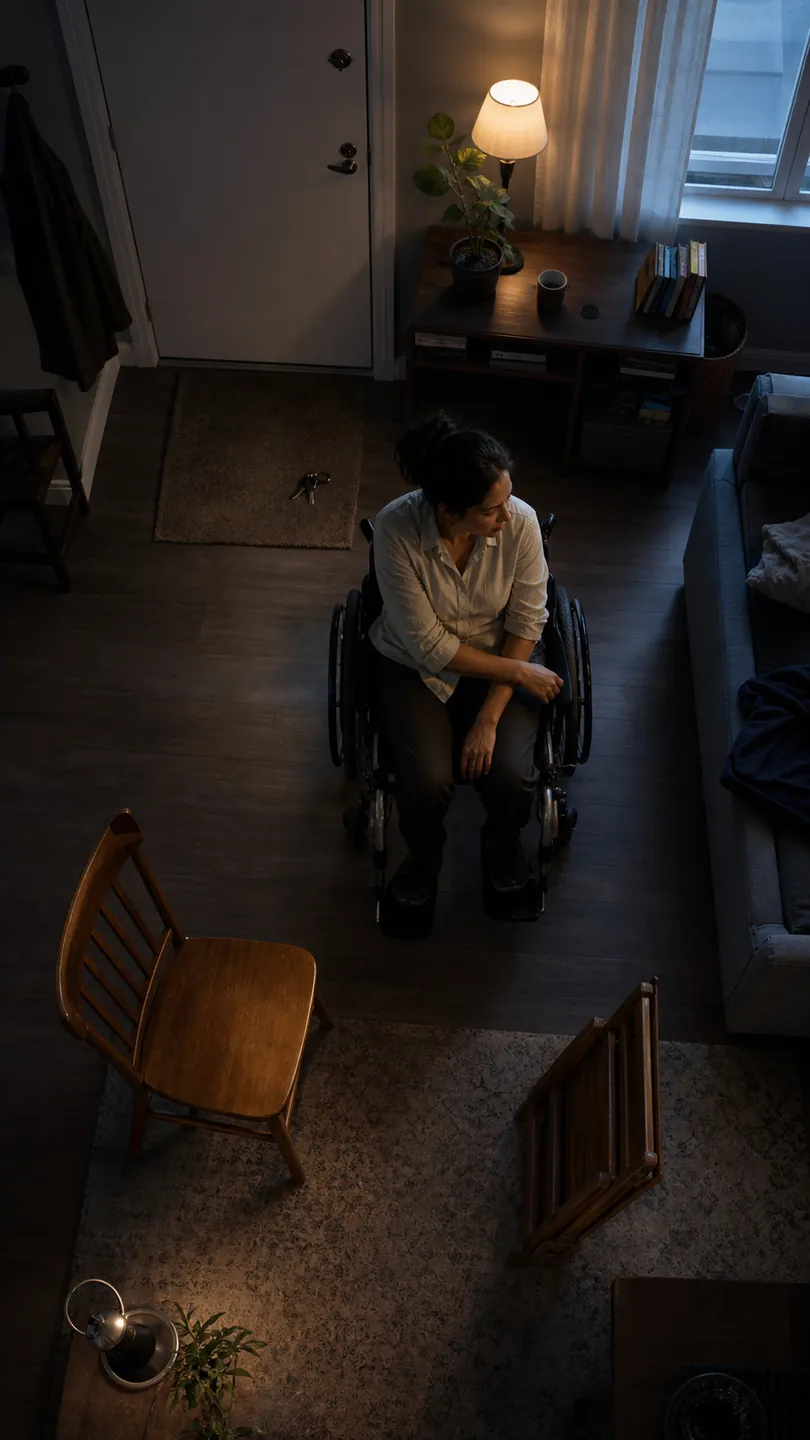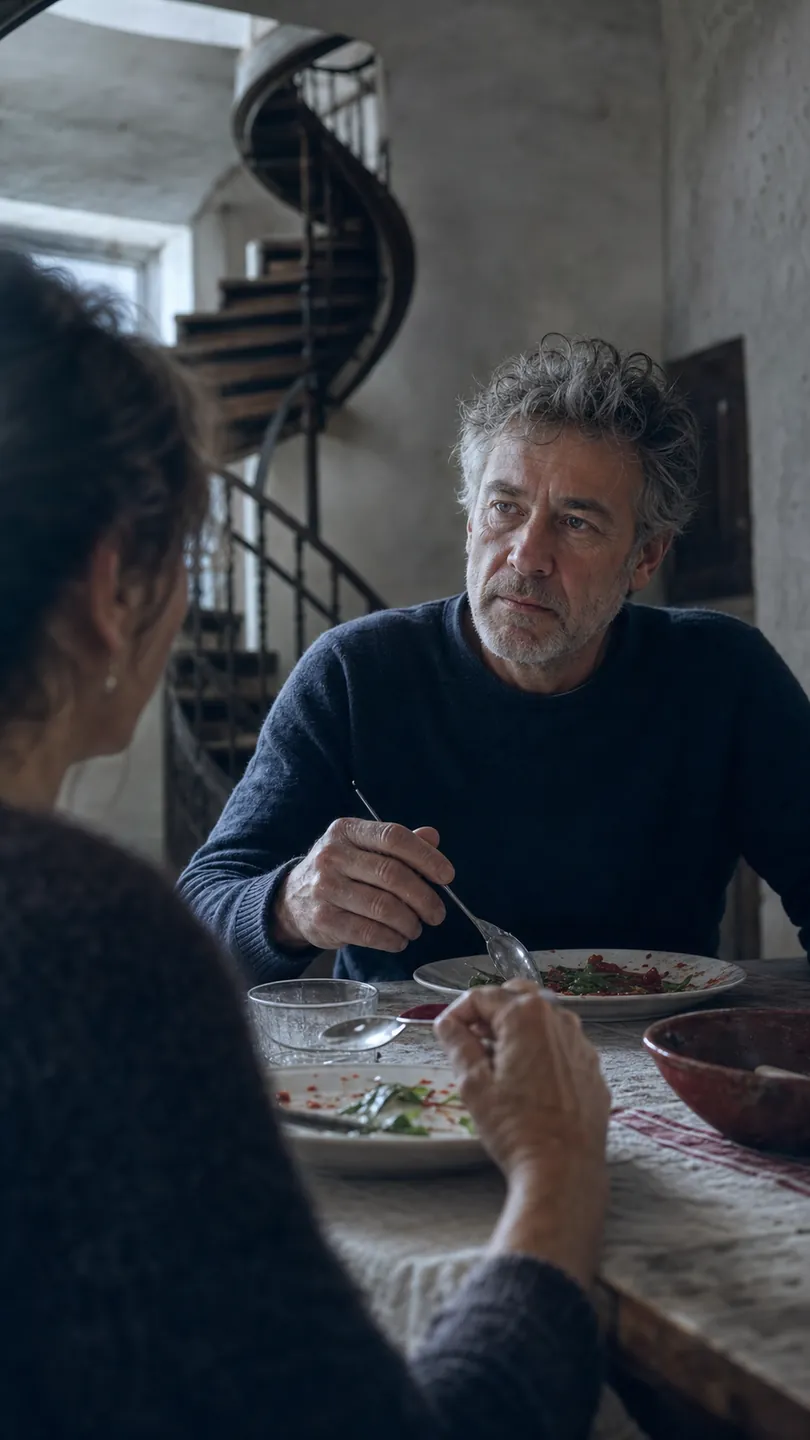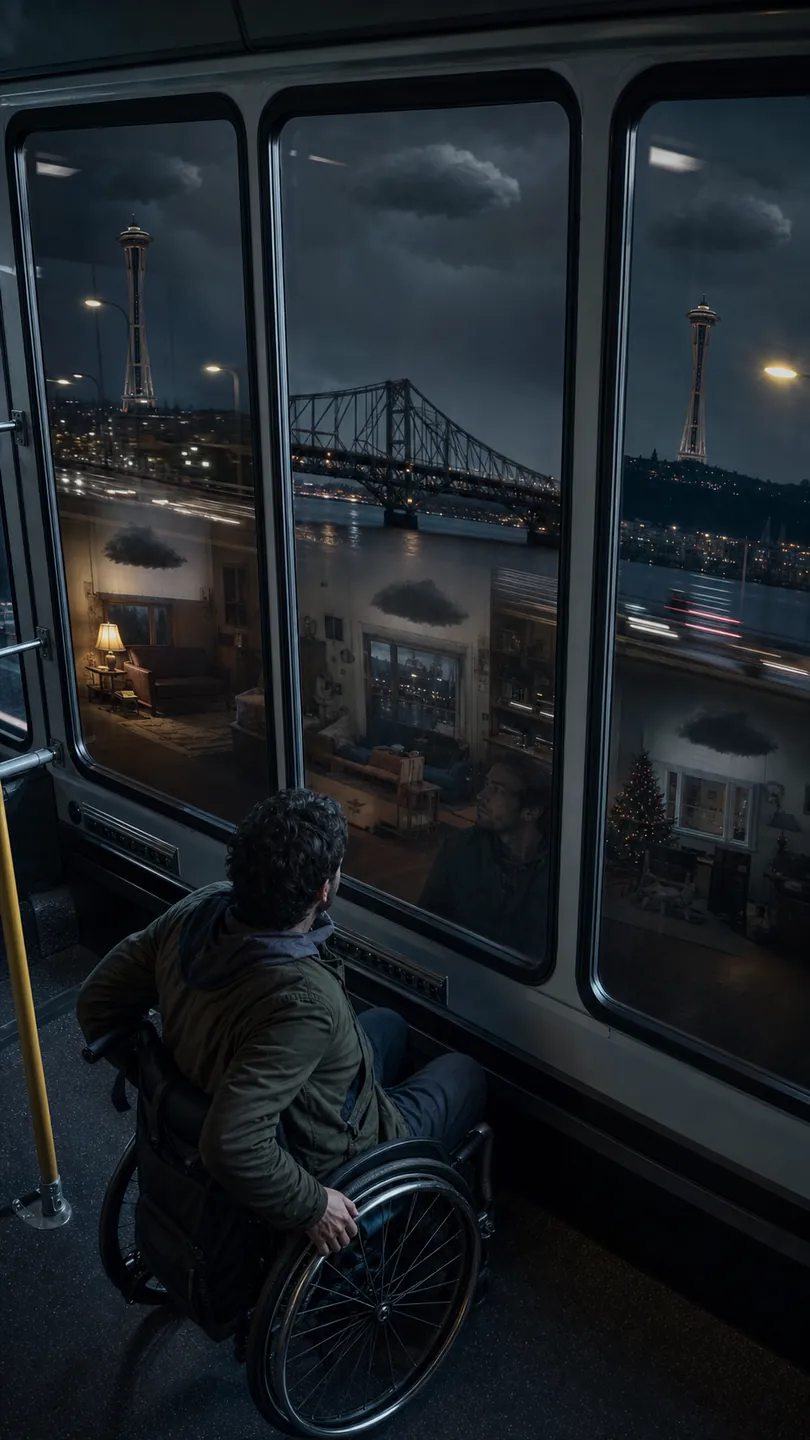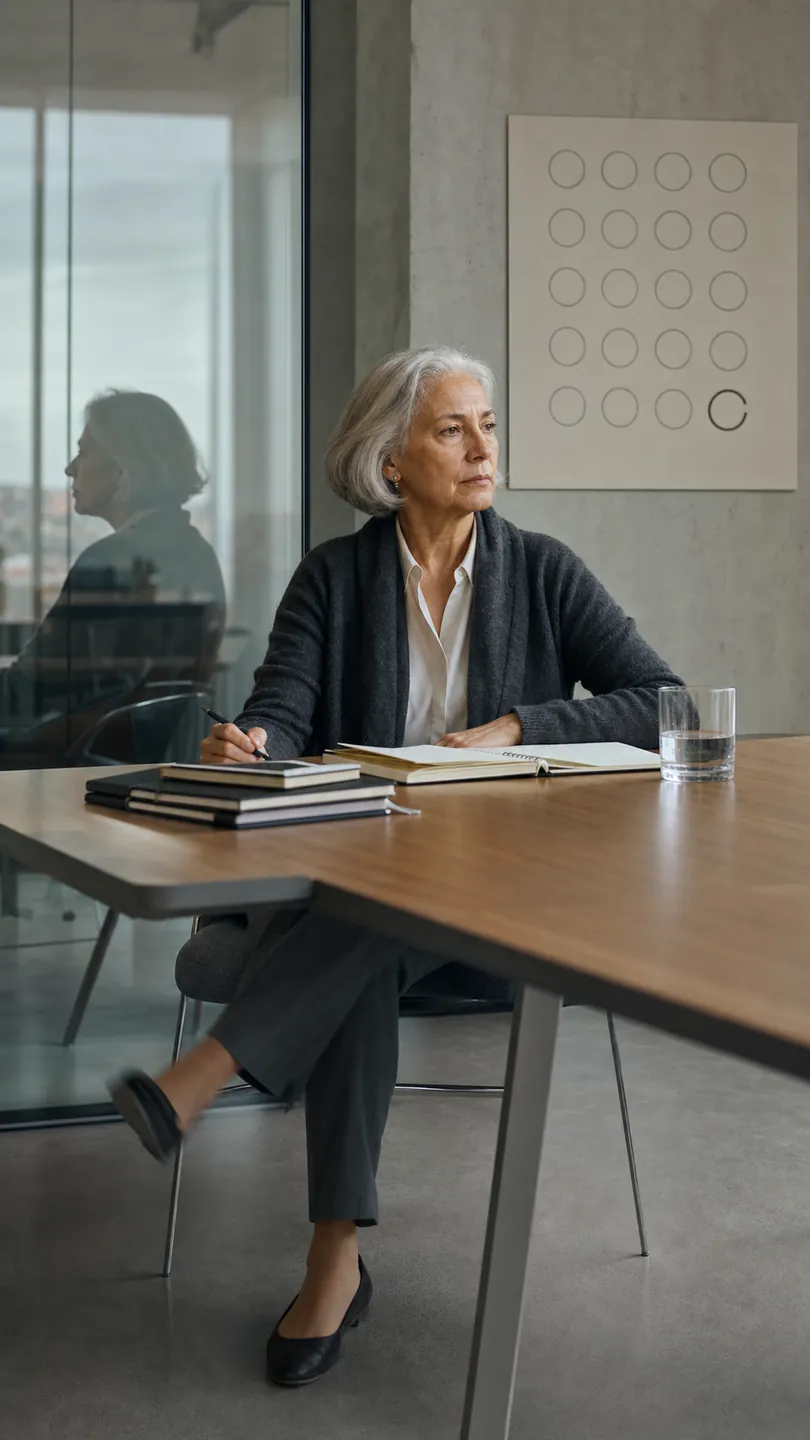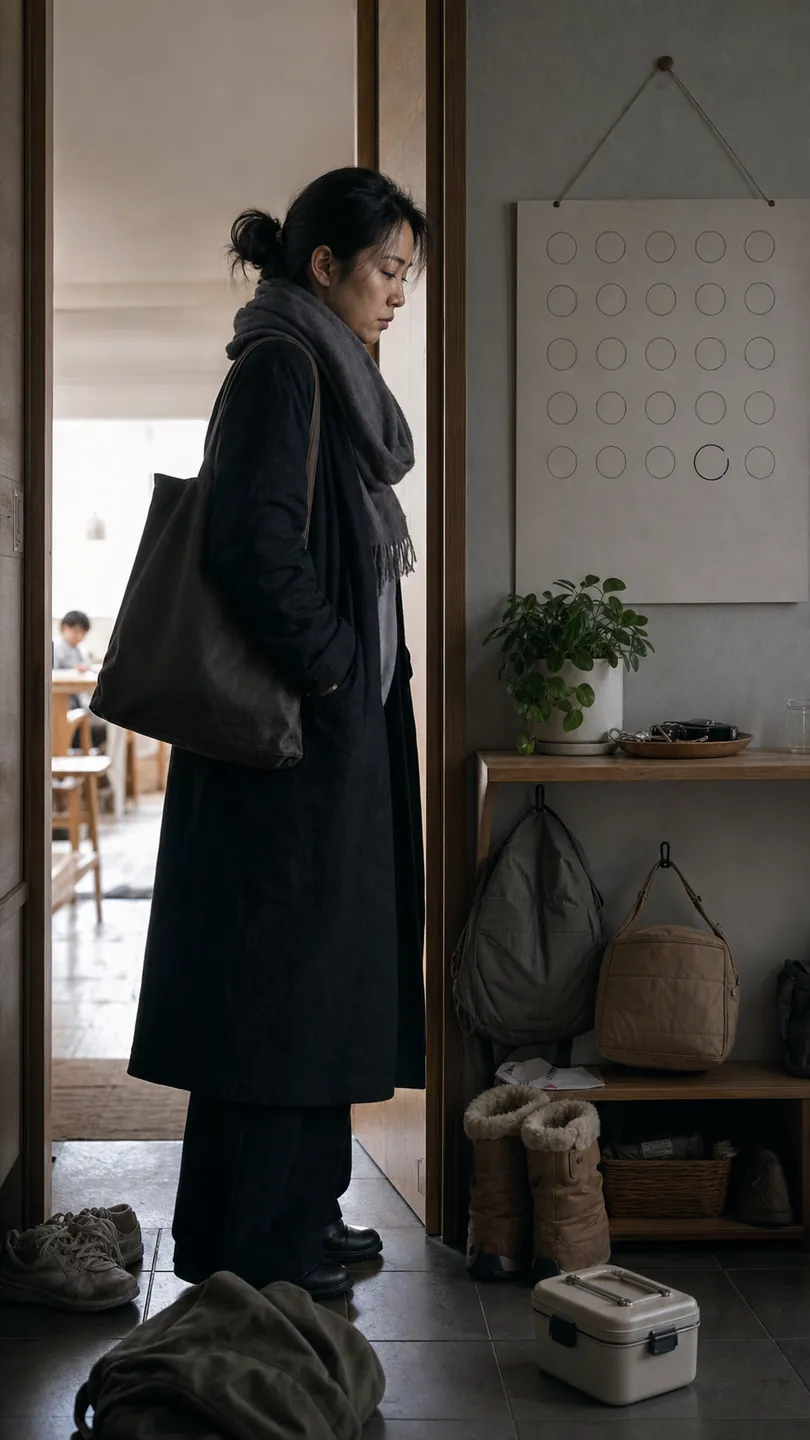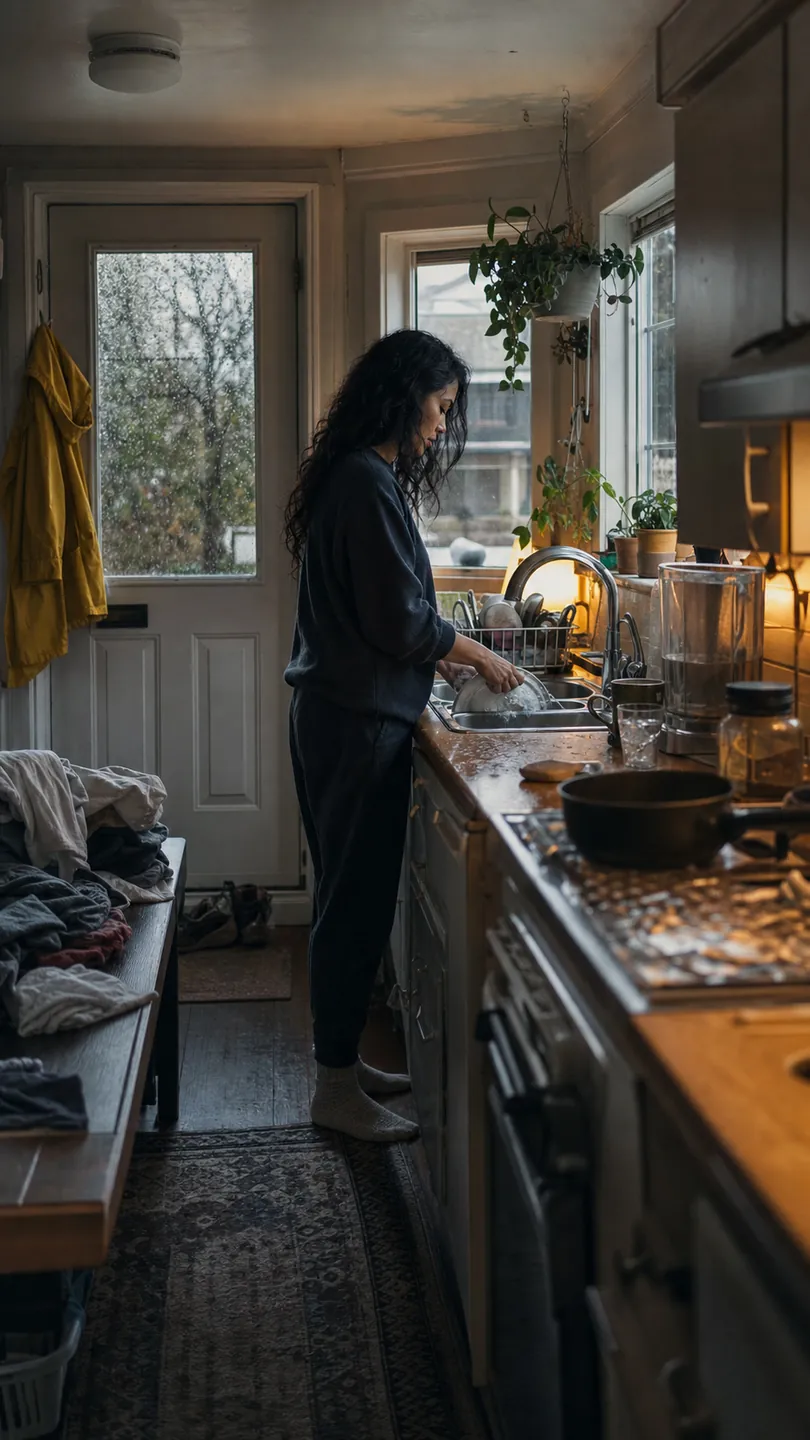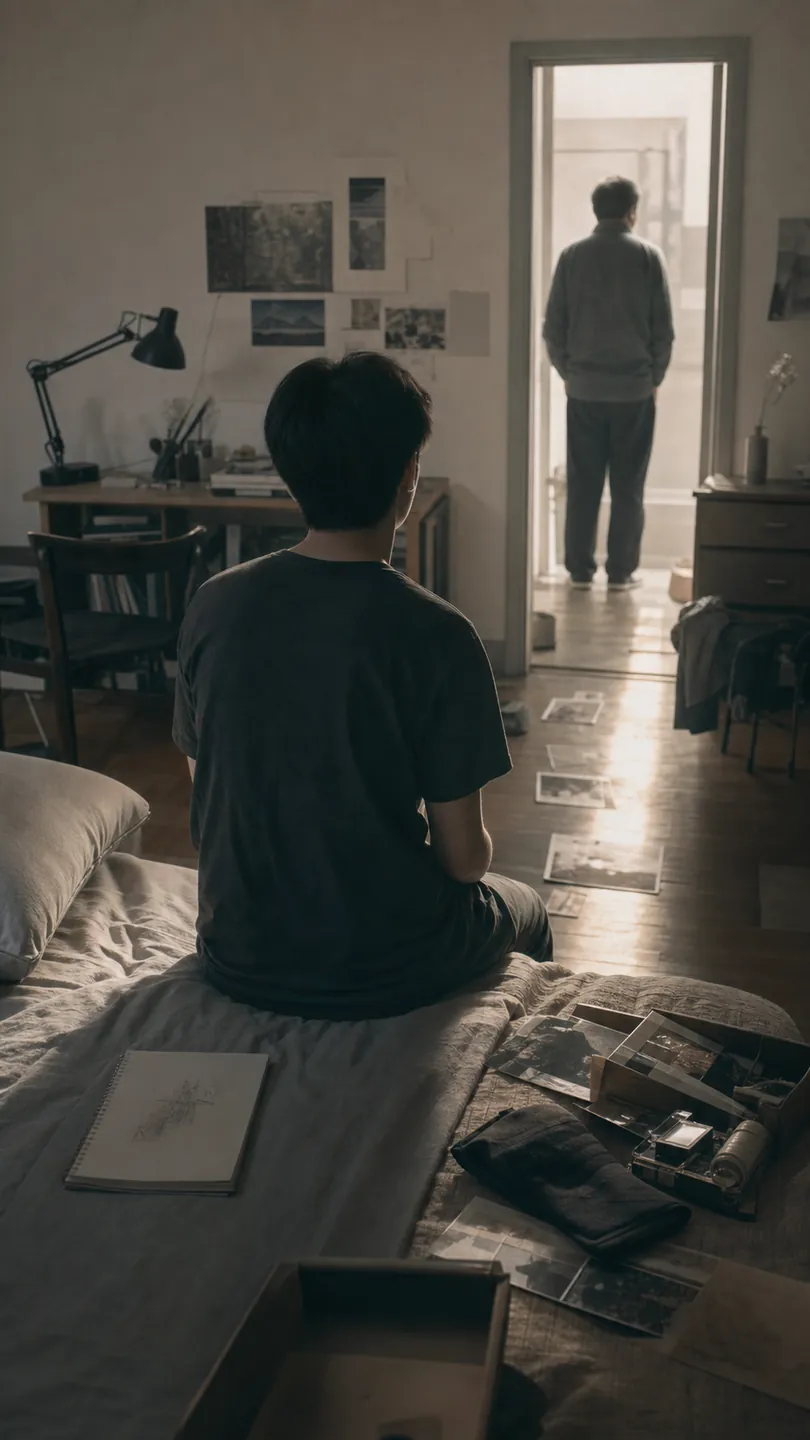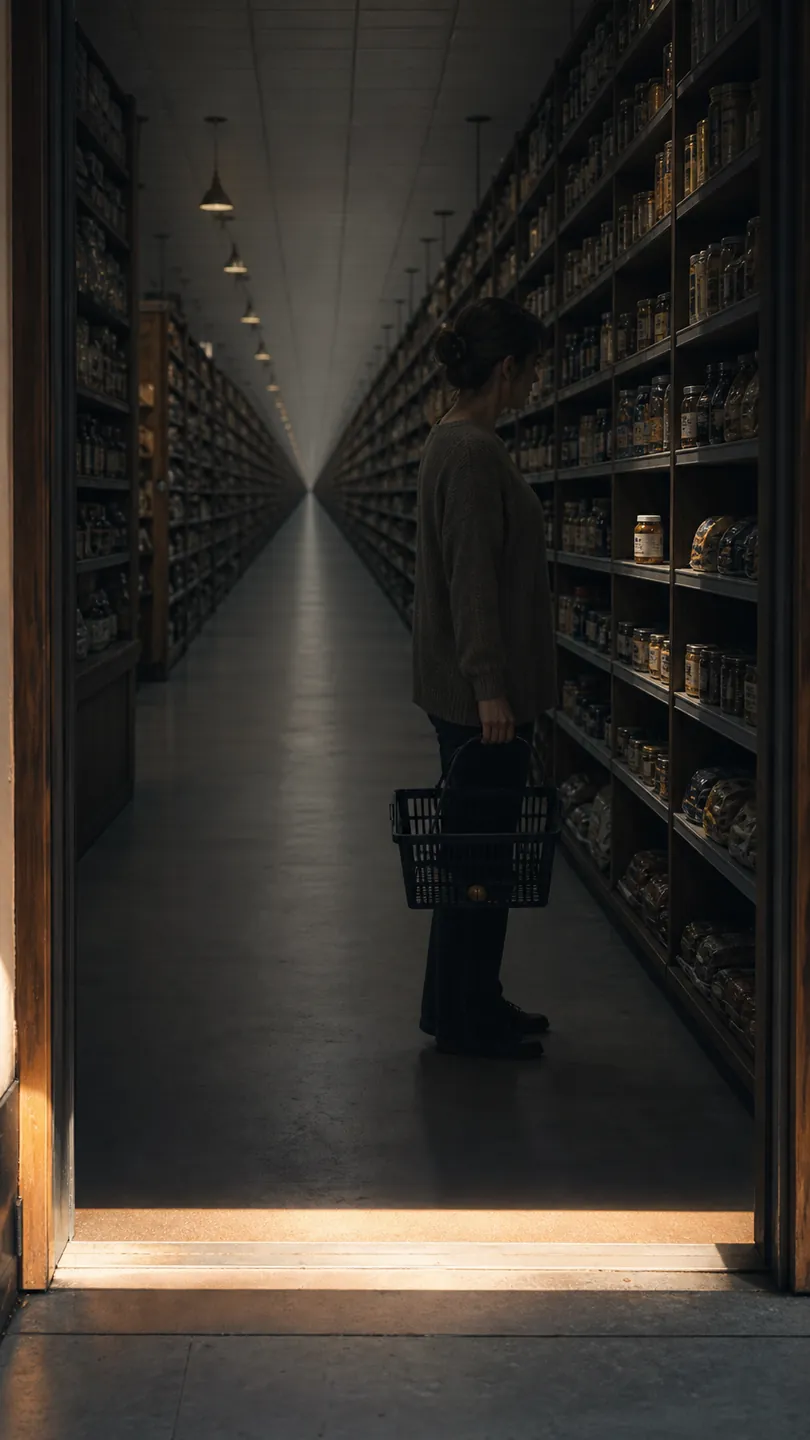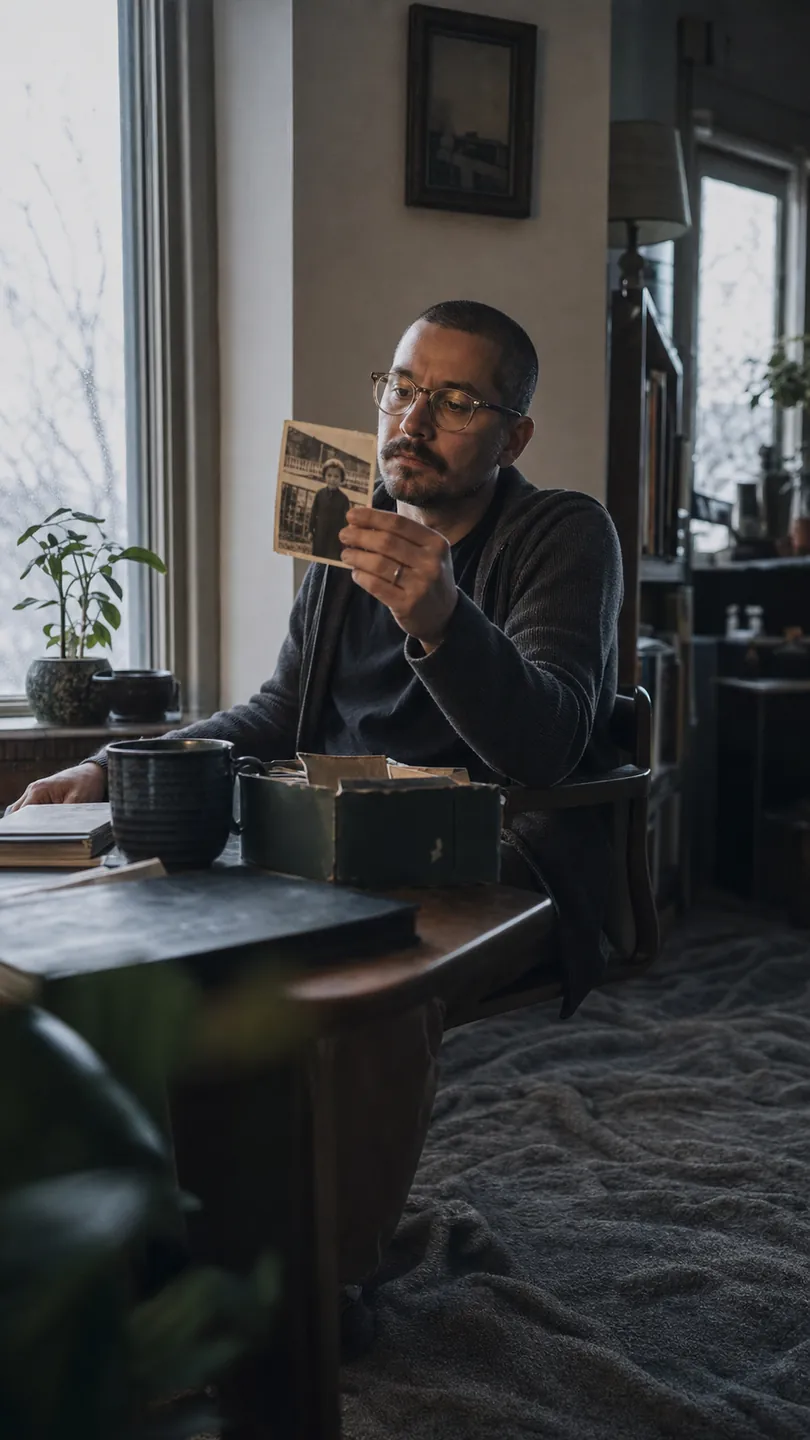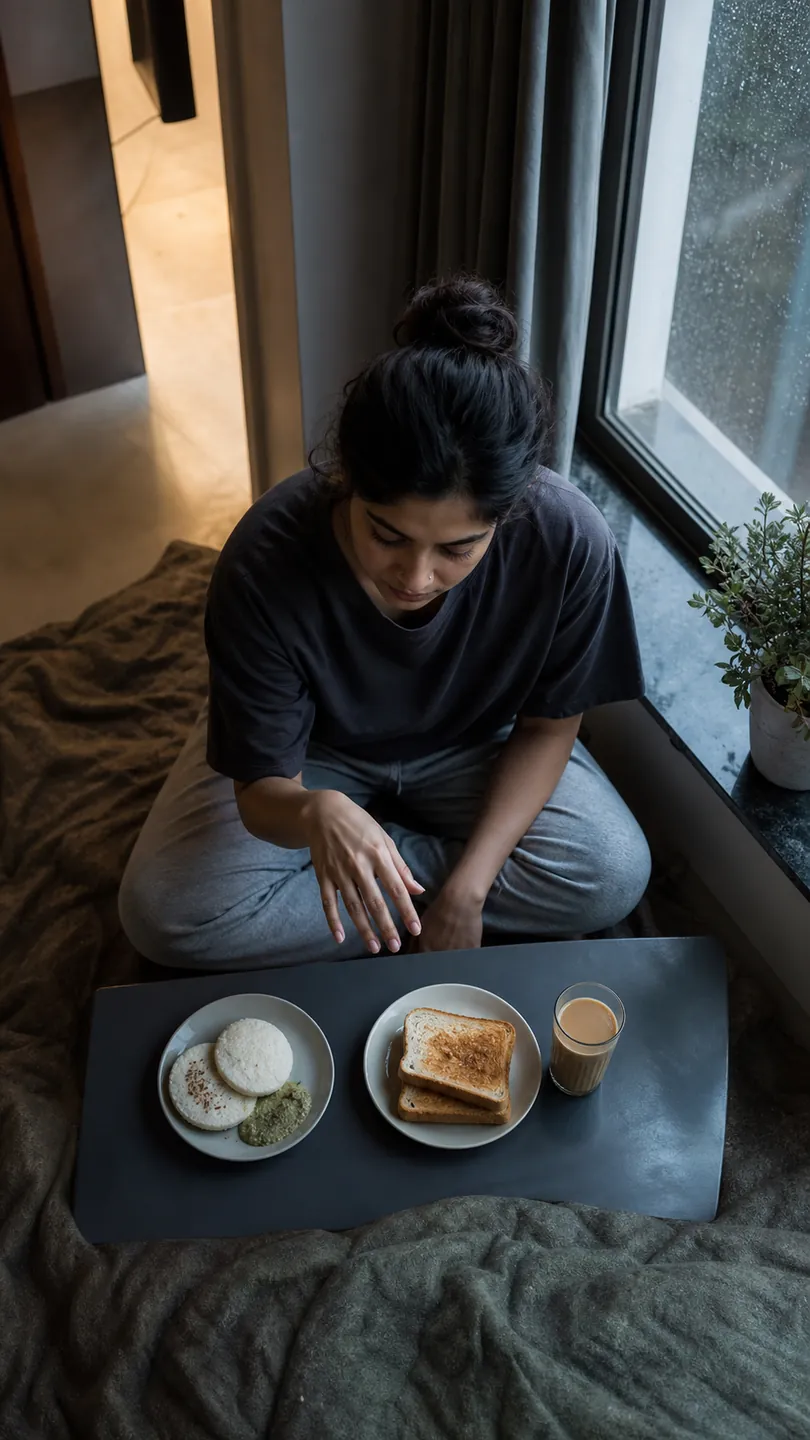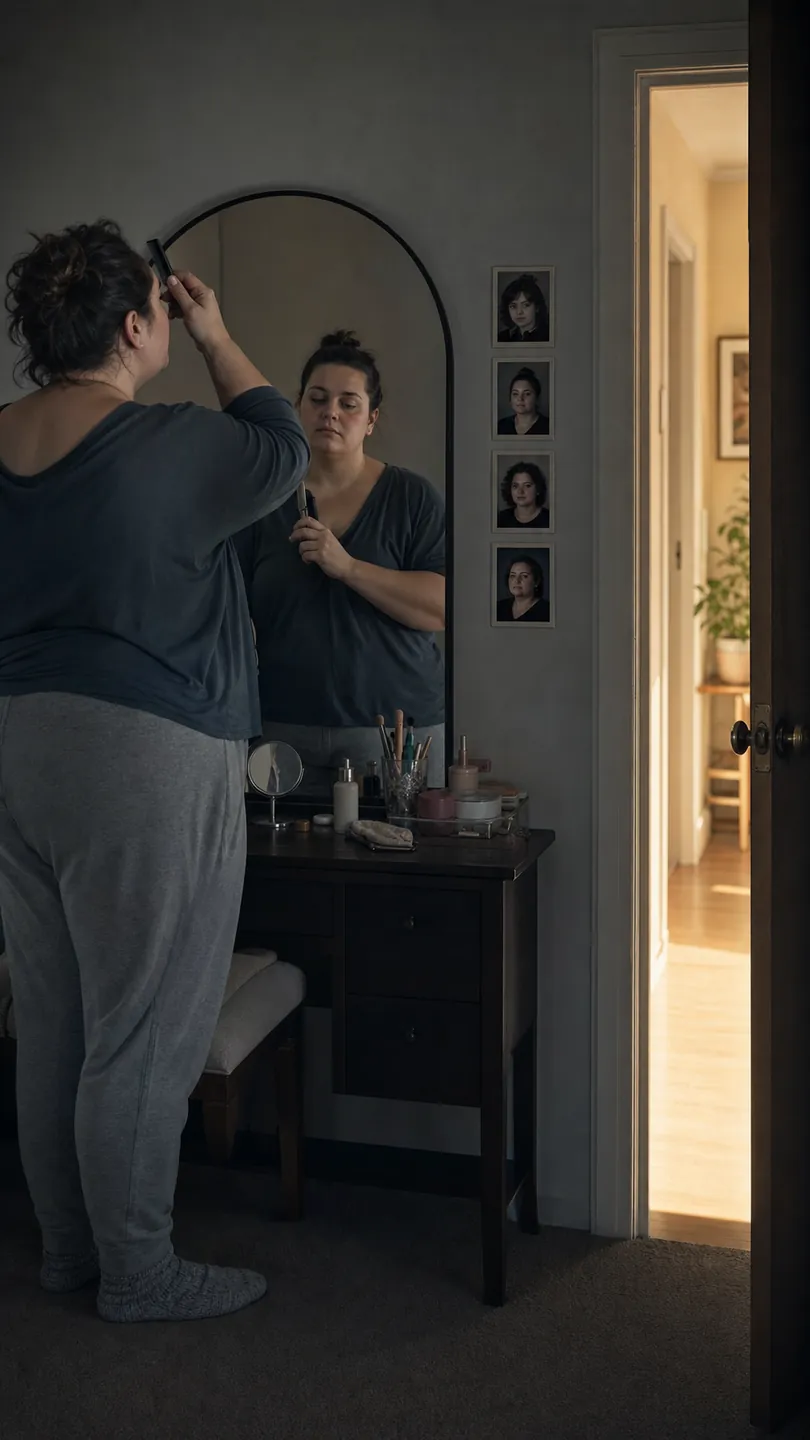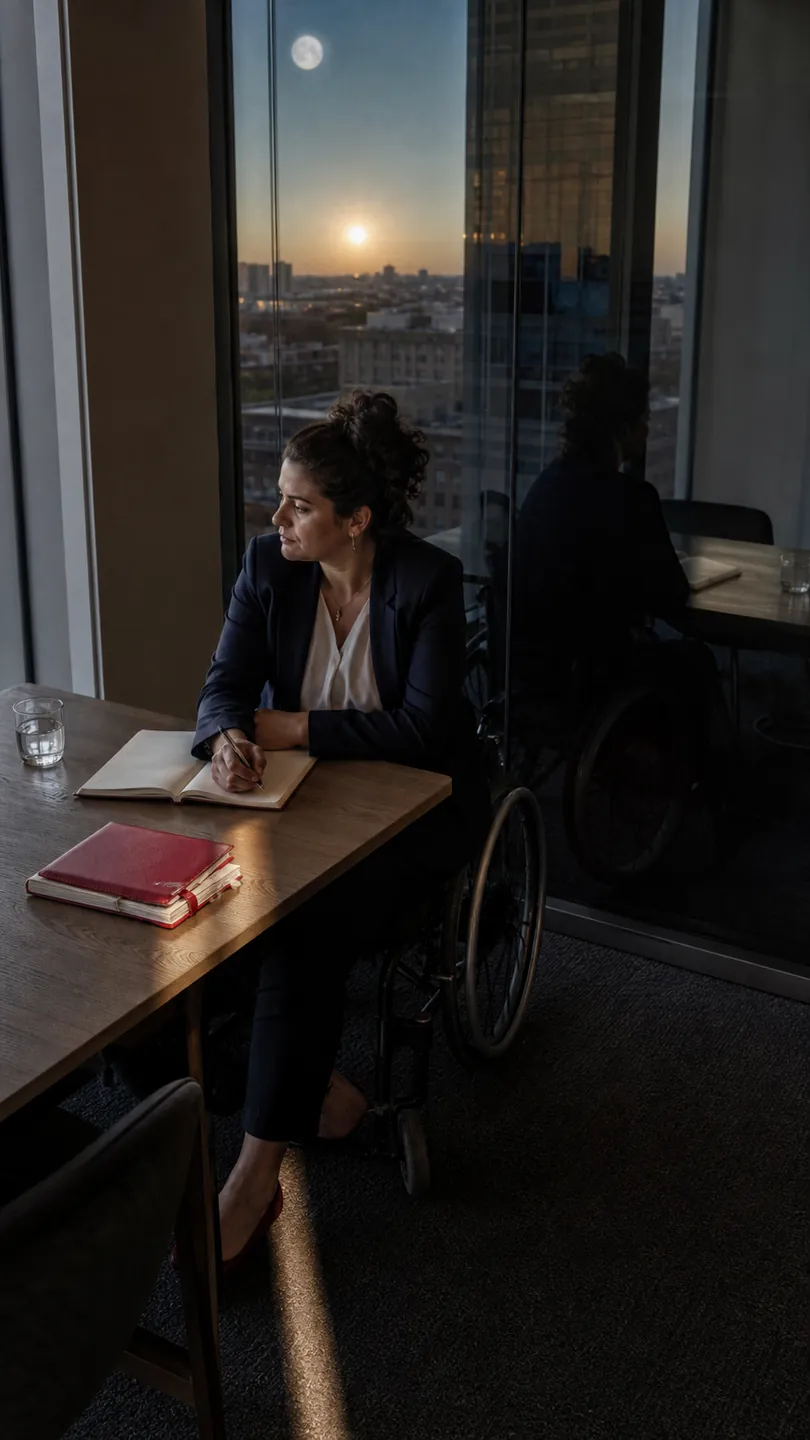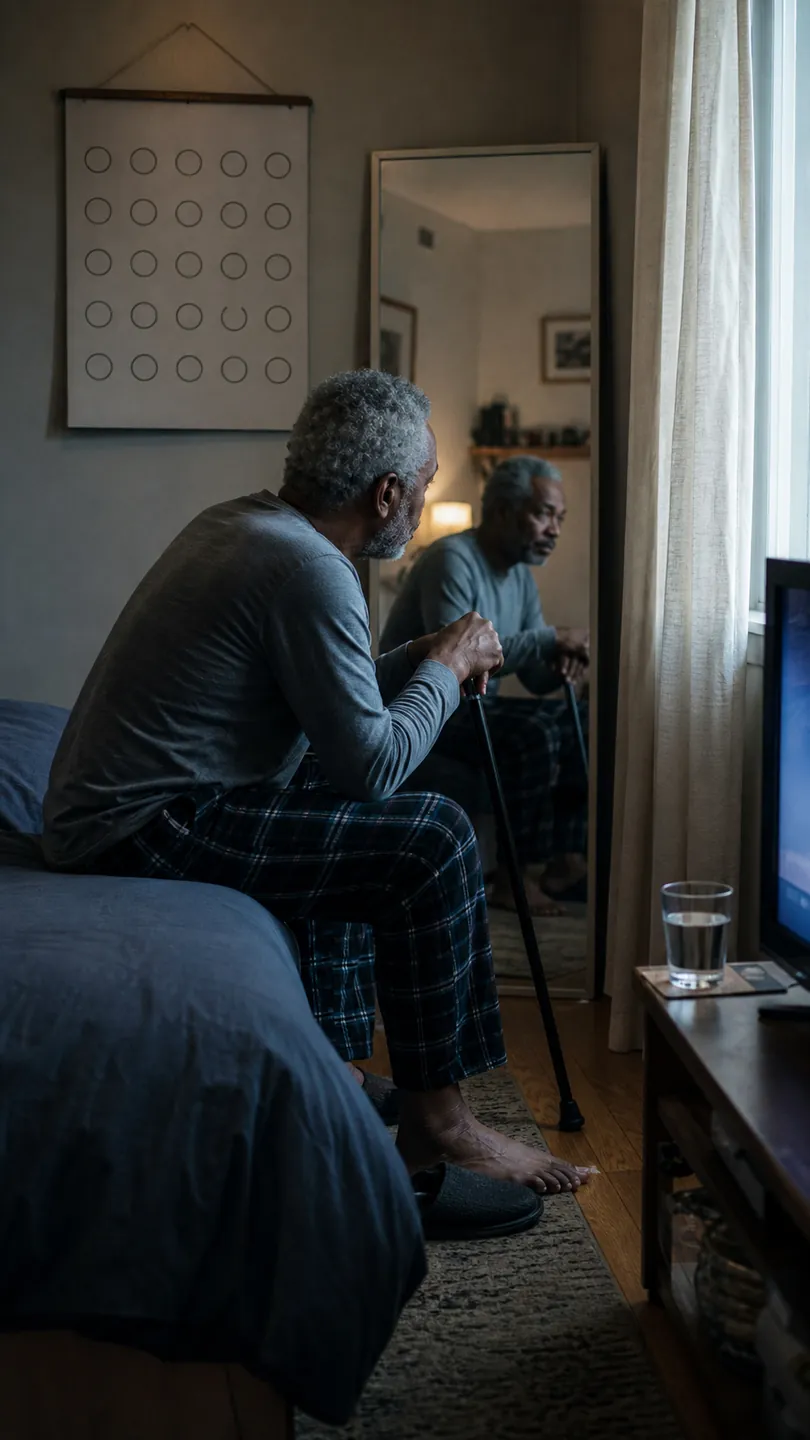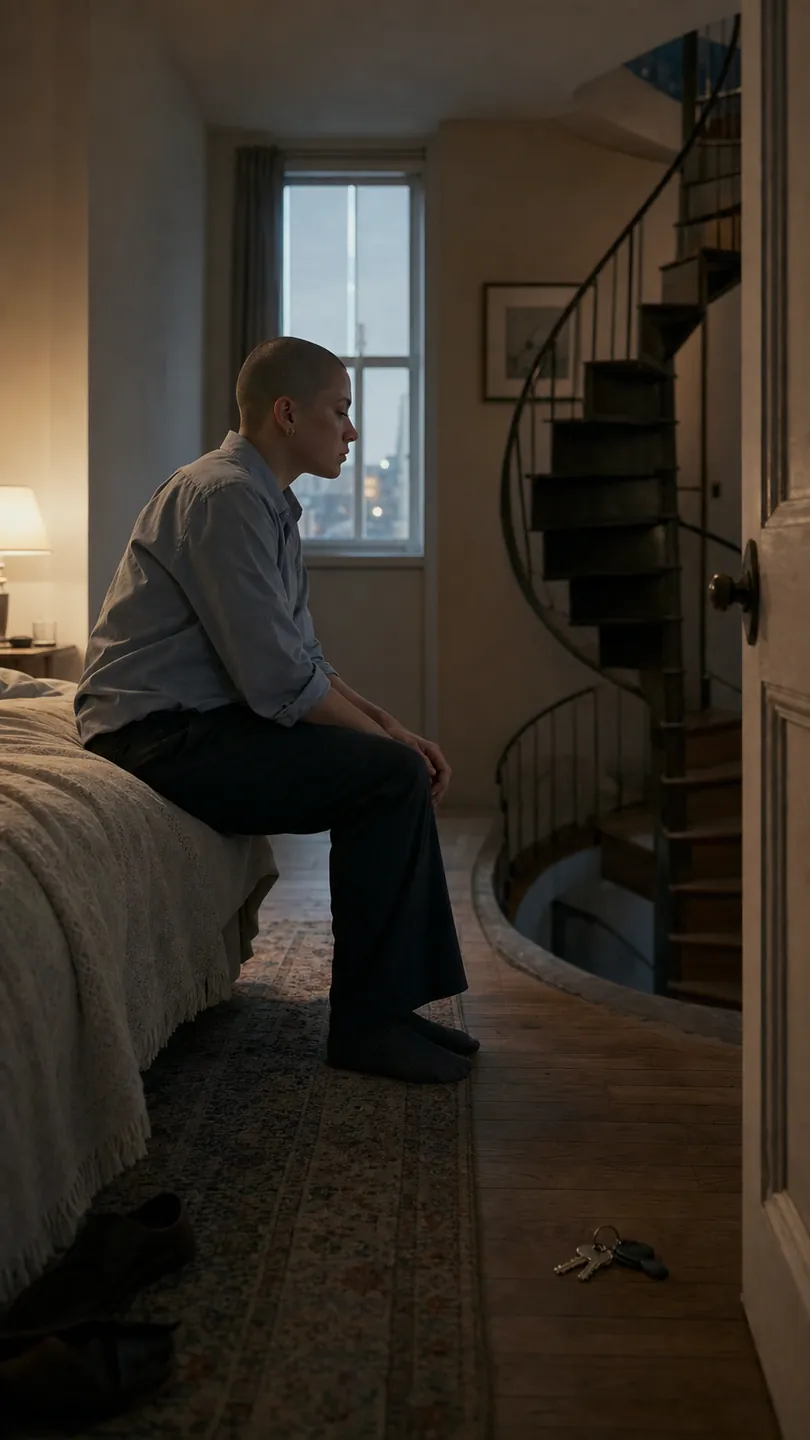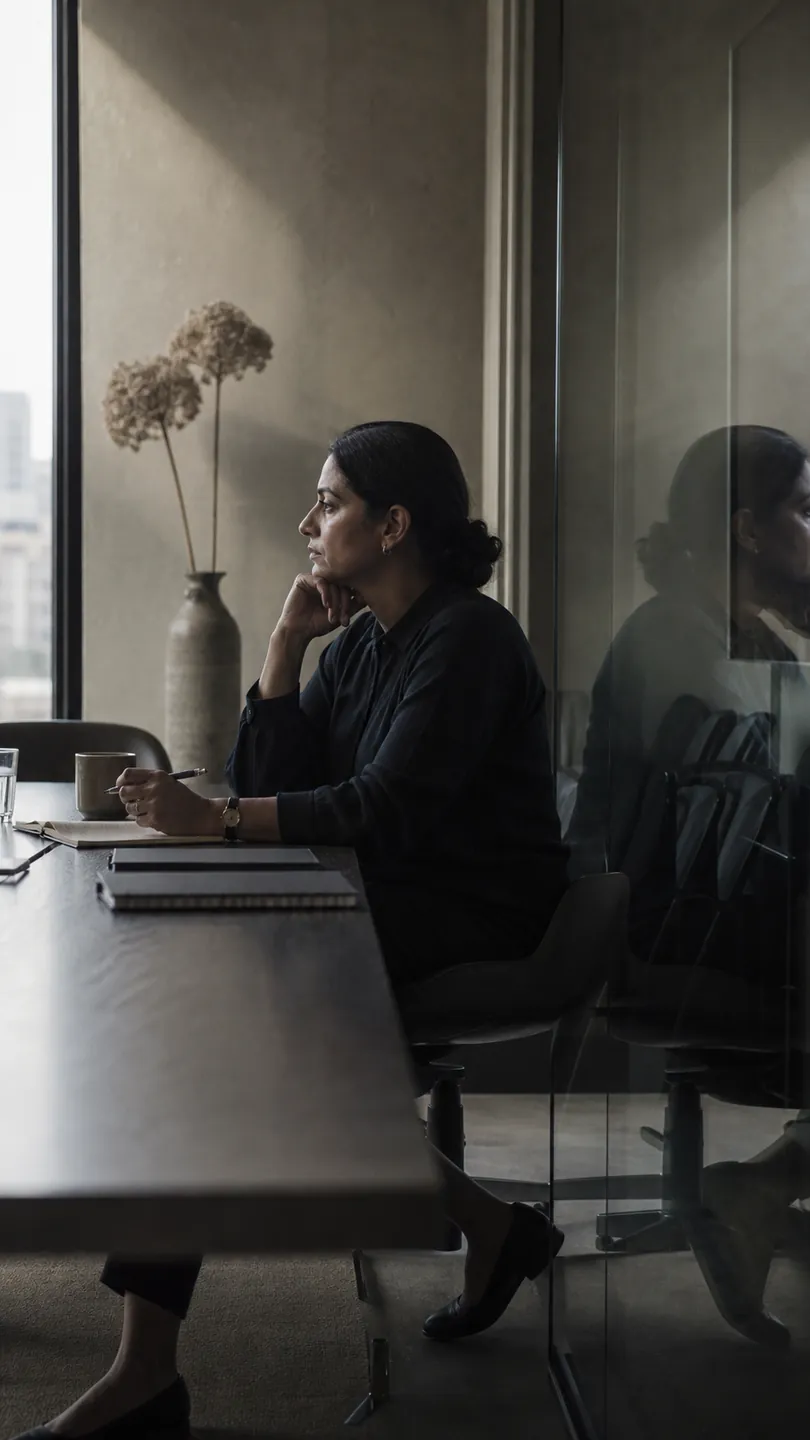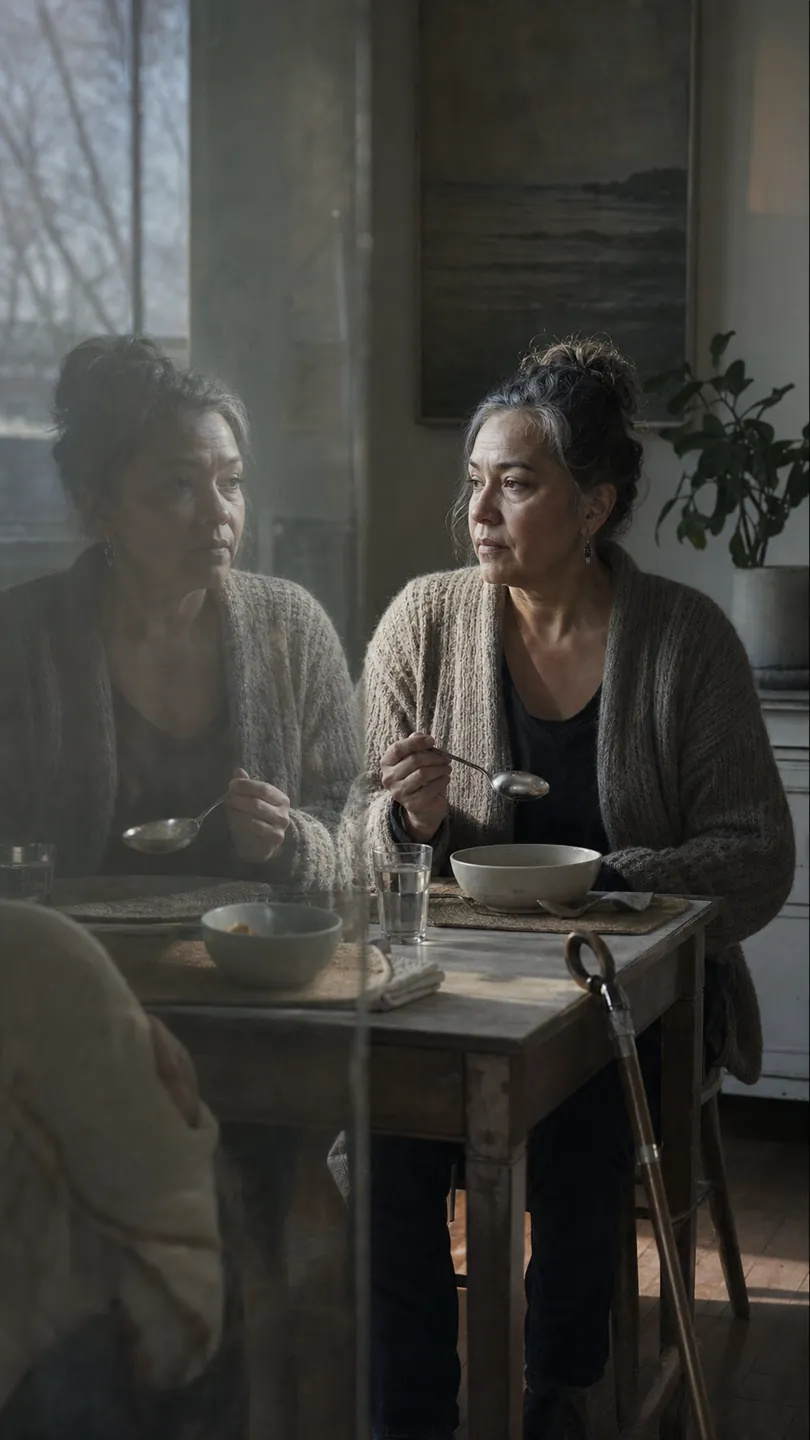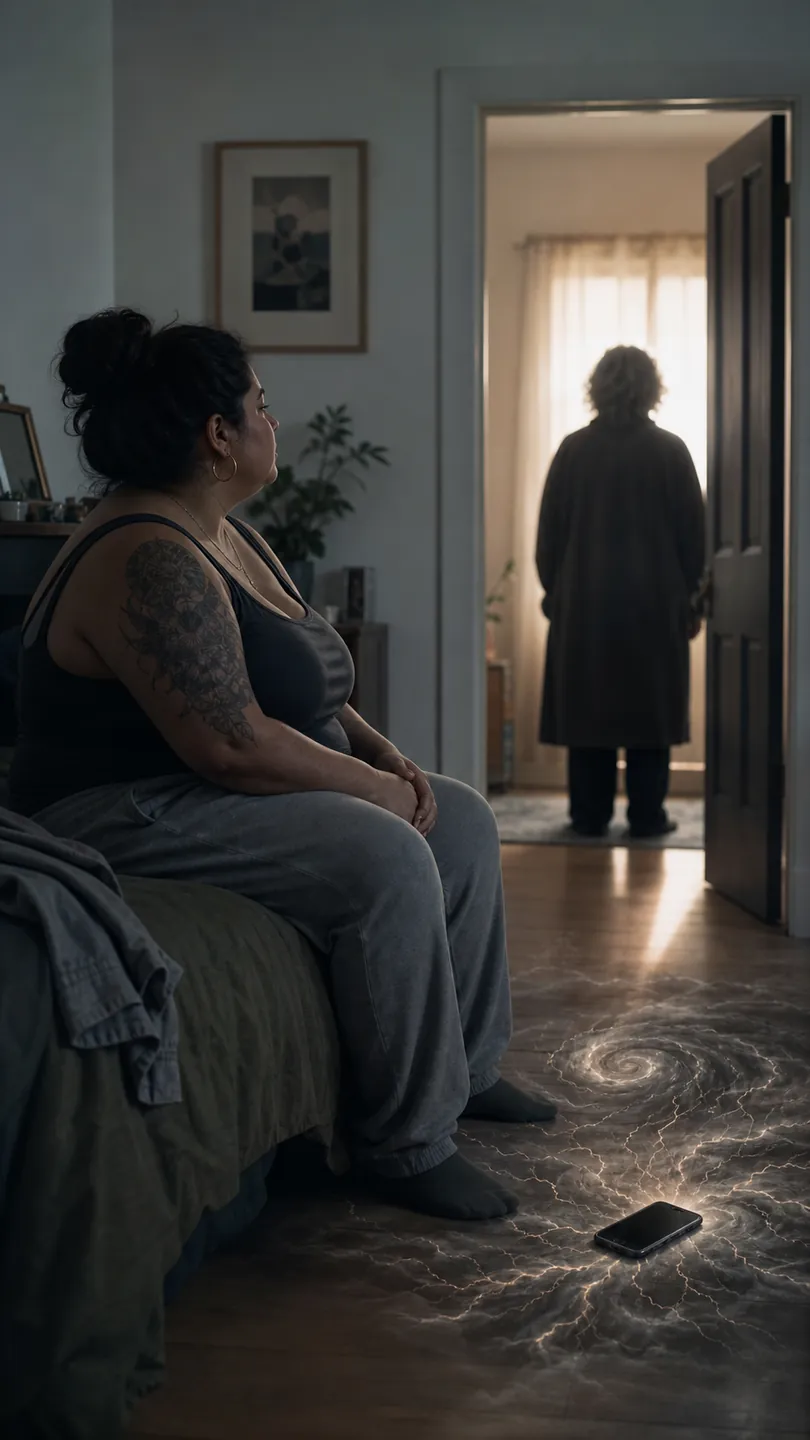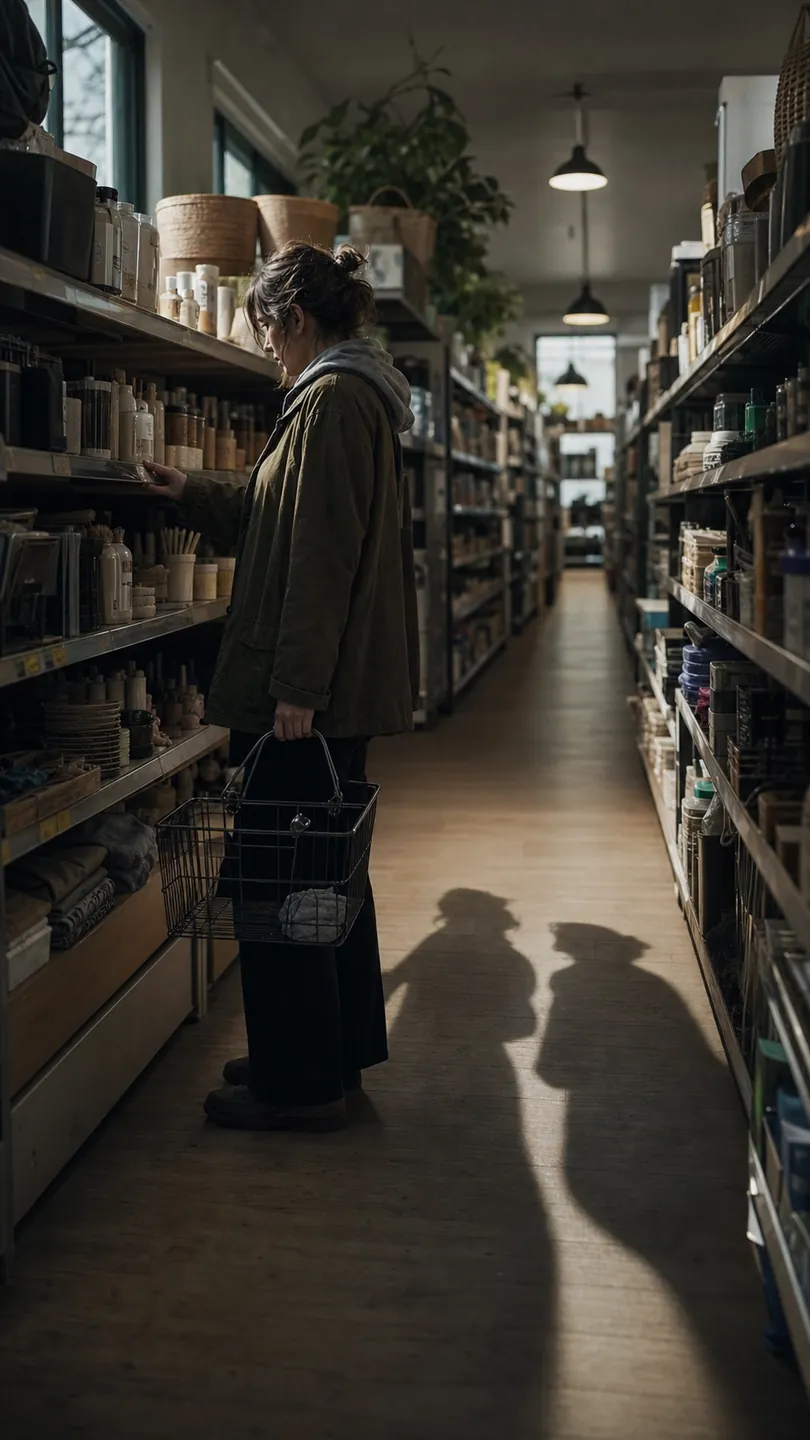
Ground the scene in one needed item within easy reach, a nearly empty basket, and aisle lines extending farther than physics allows. INNER DYNAMIC — Let the...
من نص البرومبت
Use the attached reference photo as the identity reference: keep the same face, skin tone, hair and features as the person in that photo, without beautifying, aging or altering them. Create a contemplative single-frame image designed to serve as a visual catalyst for reflective writing. SUBJECT & SCENE — Depict the person from the reference photo wearing layered, slightly rumpled clothing in an ordinary moment: standing in a store aisle with one small task that took days to begin. Ground the scene in one needed item within easy reach, a nearly empty basket, and aisle lines extending farther than physics allows. INNER DYNAMIC — Let the image express this dynamic: rapid shifts in energy or emotion making each state feel like the only true one. Show the person as complex and capable, not broken or inspirational. Communicate the tension through restrained posture, attention, and behavior rather than exaggerated facial emotion. SYMBOLIC DETAIL — Integrate two shadows cast by one person appearing to disagree as the only controlled departure from realism. It should feel physically present yet subtle enough to be understood only after the everyday scene is noticed. TIME & IDENTITY — Suggest the long history of ordinary tasks becoming emotional tests. Let the scene hold this identity question: how to build a stable self-story when each mood edits the evidence. VISUAL LANGUAGE — Use a compressed long-lens view that makes ordinary space feel emotionally dense; soft pre-dawn window light with the rest of the room still dim; low-saturation household colors with subtle tonal separation; realistic clutter controlled enough to remain readable. BOUNDARIES — No words, captions, diagnostic labels, medical clichés, self-harm imagery, horror framing, or sensational despair. Keep the portrayal humane, culturally respectful, emotionally complex, and accessible. Portrait orientation, 9:16, high detail, realistic anatomy and materials.