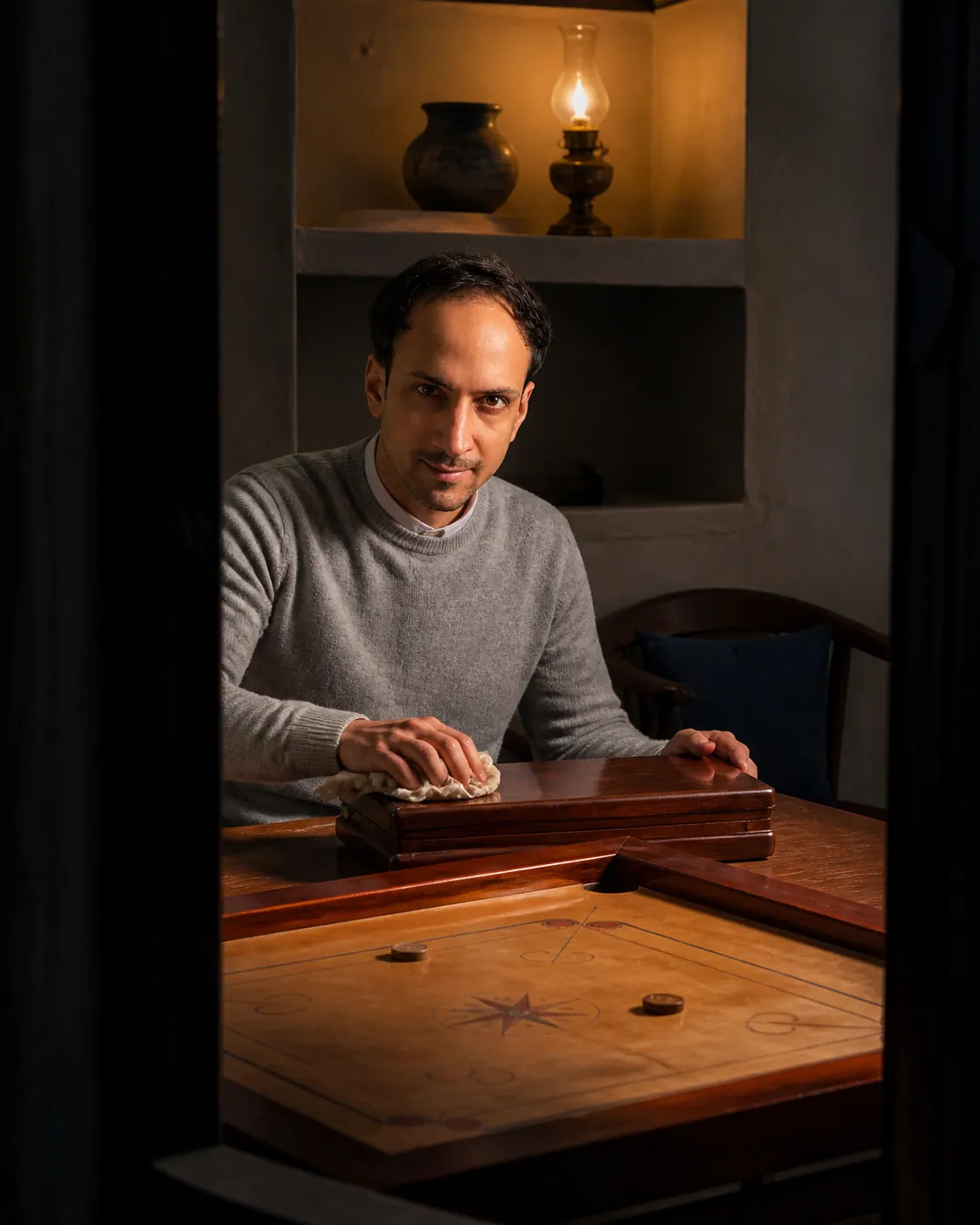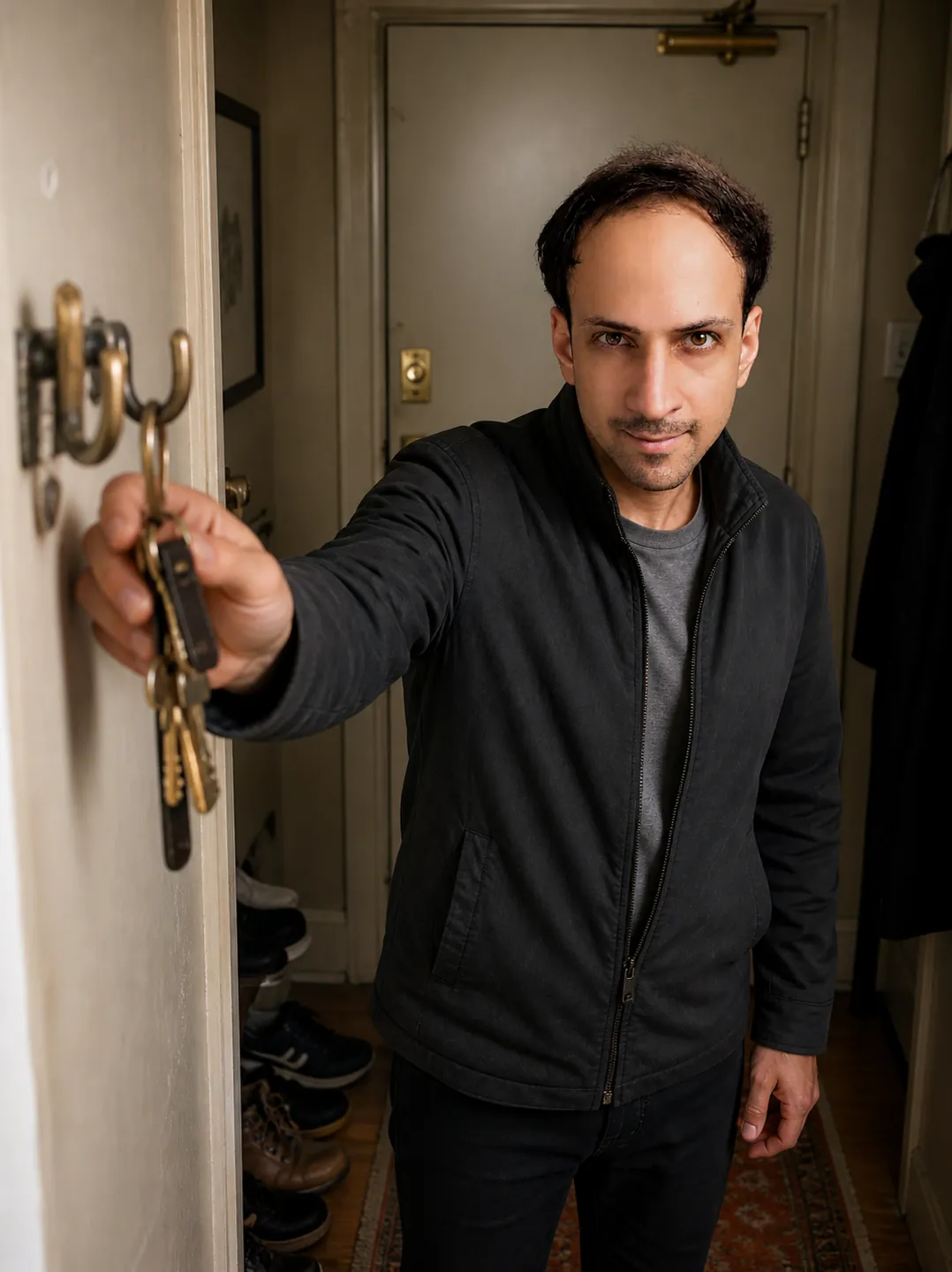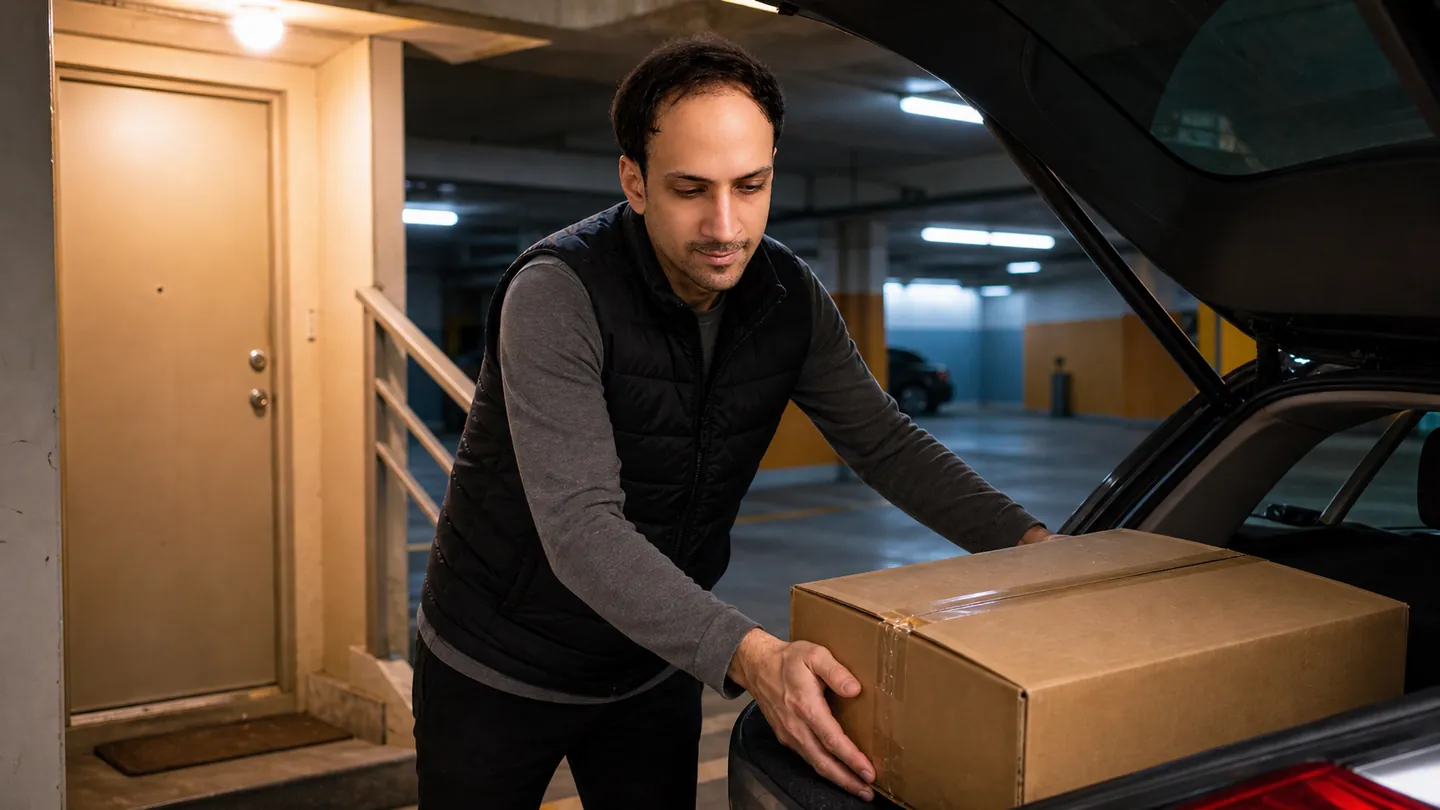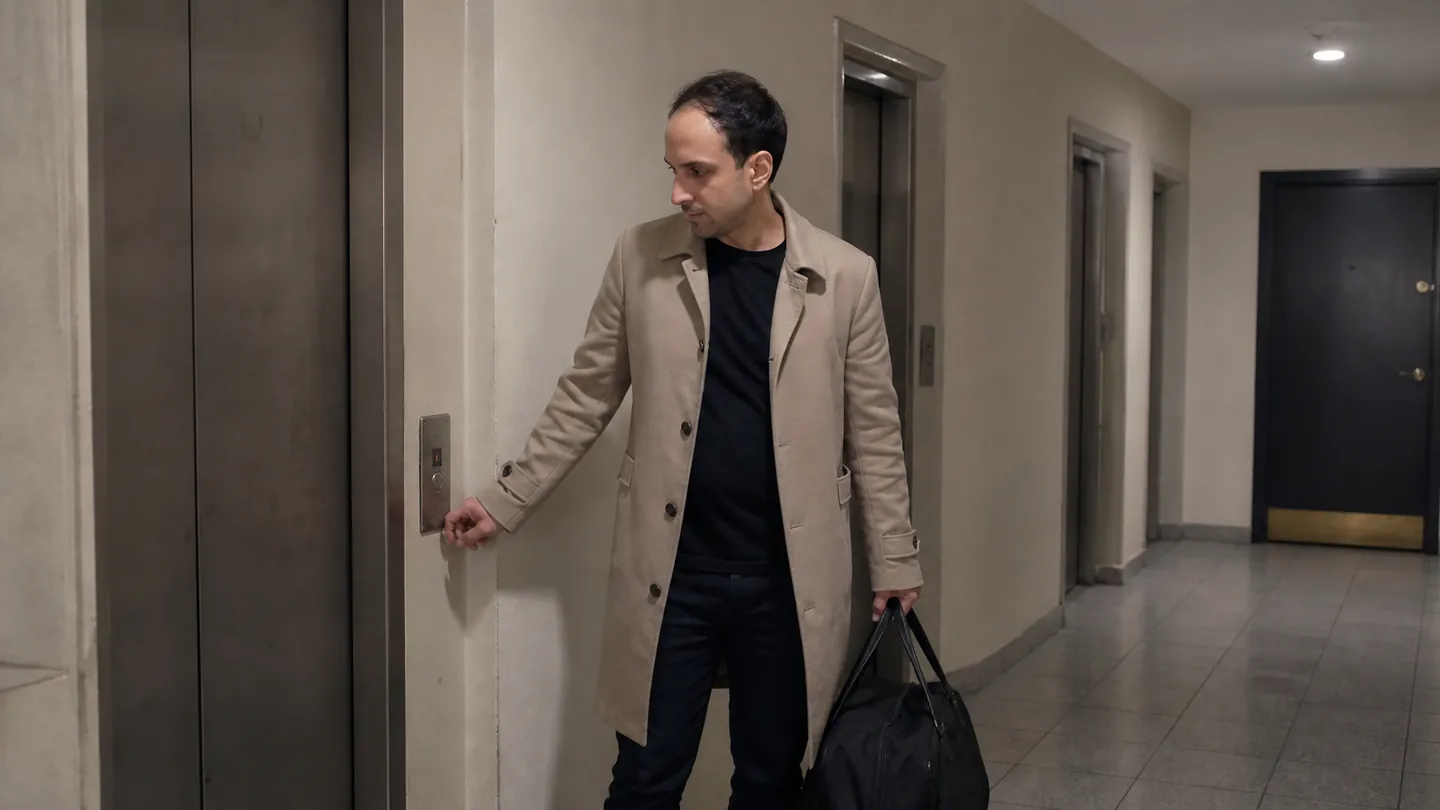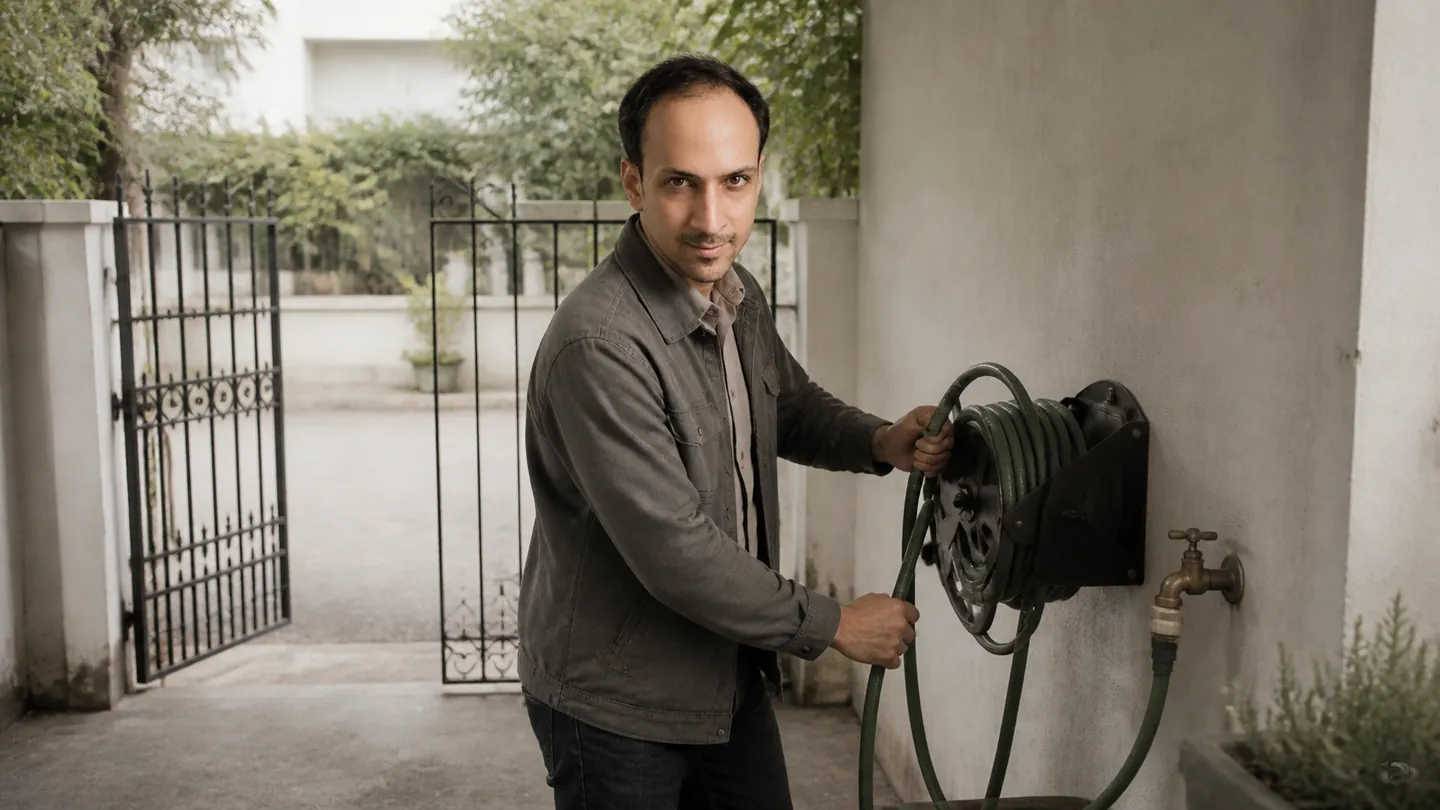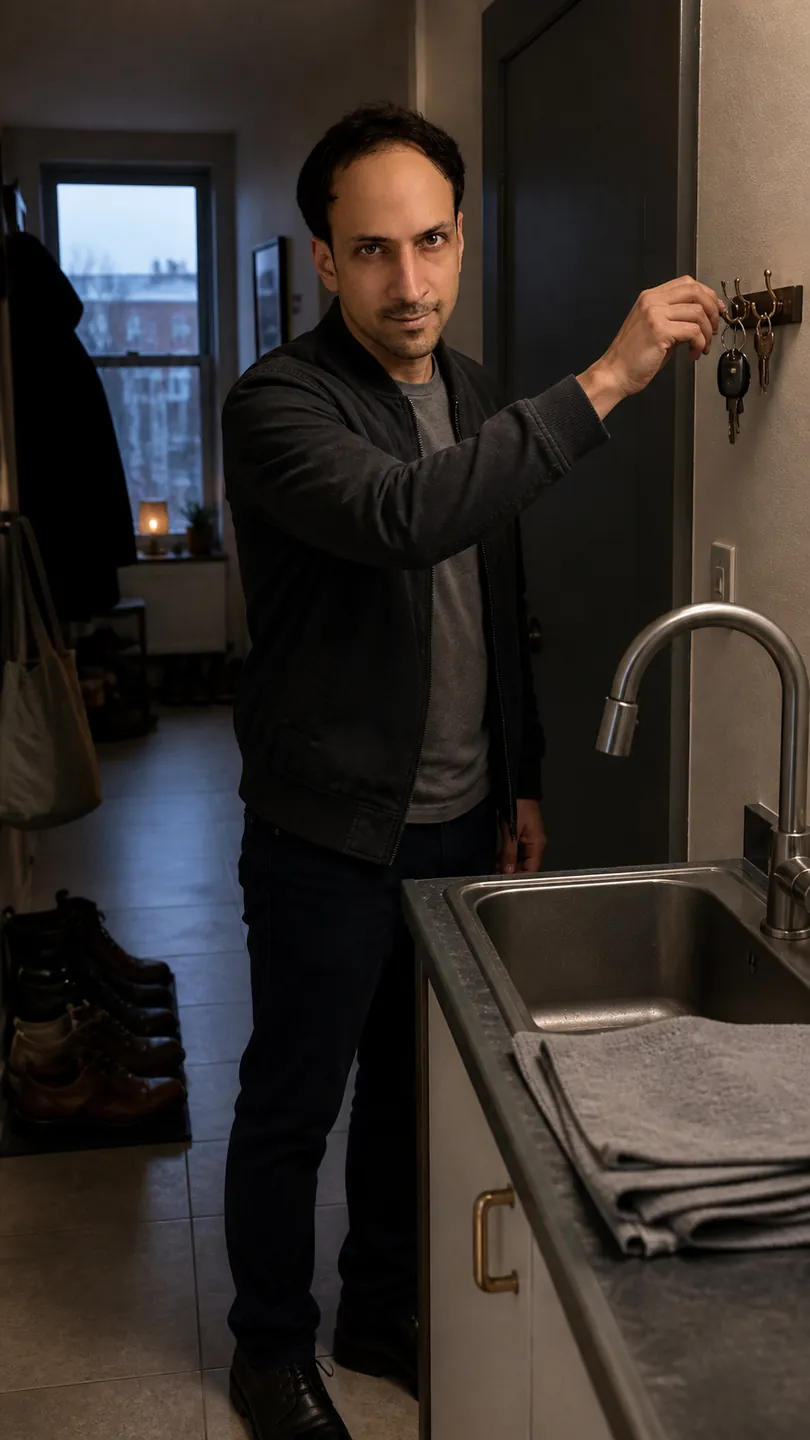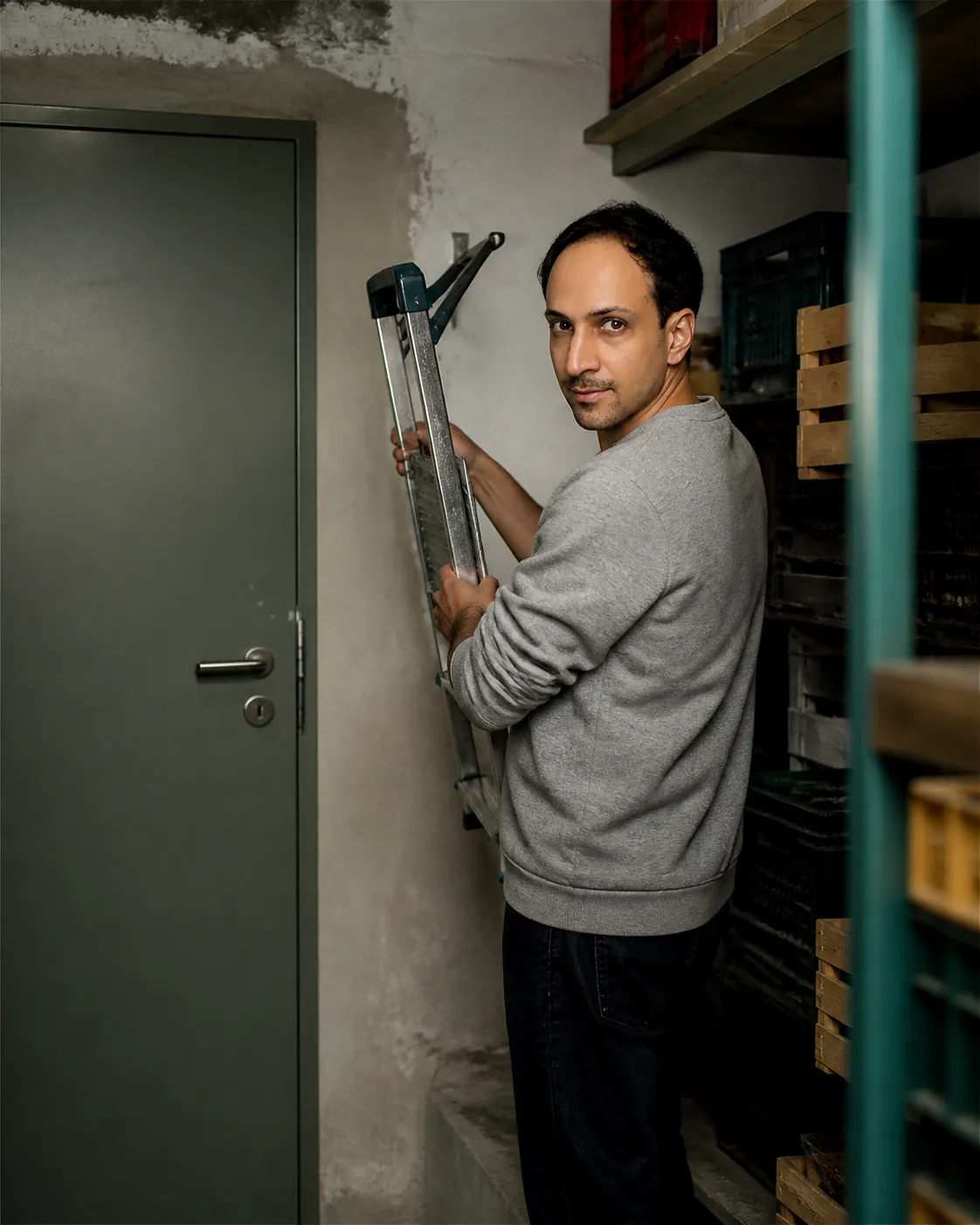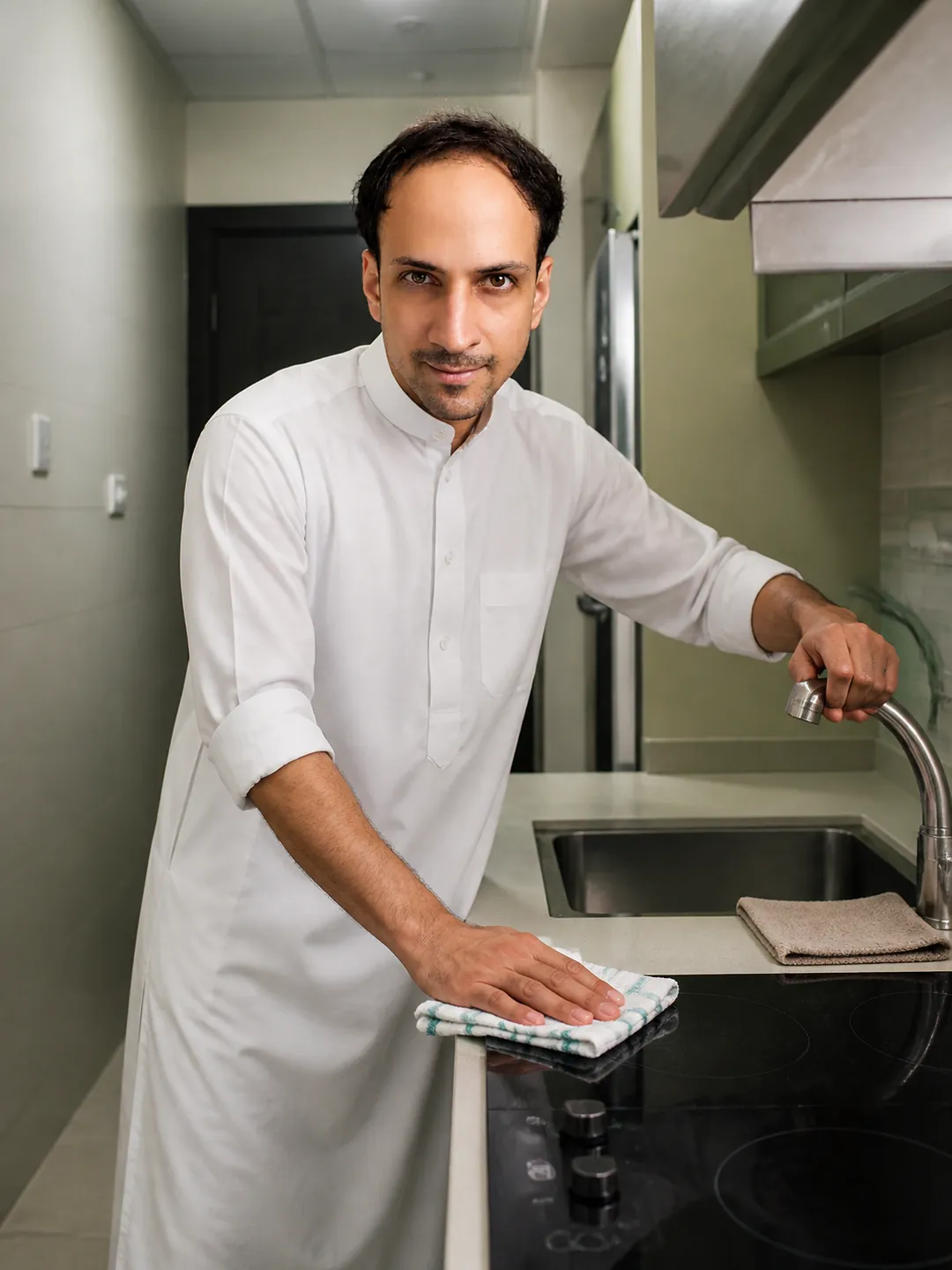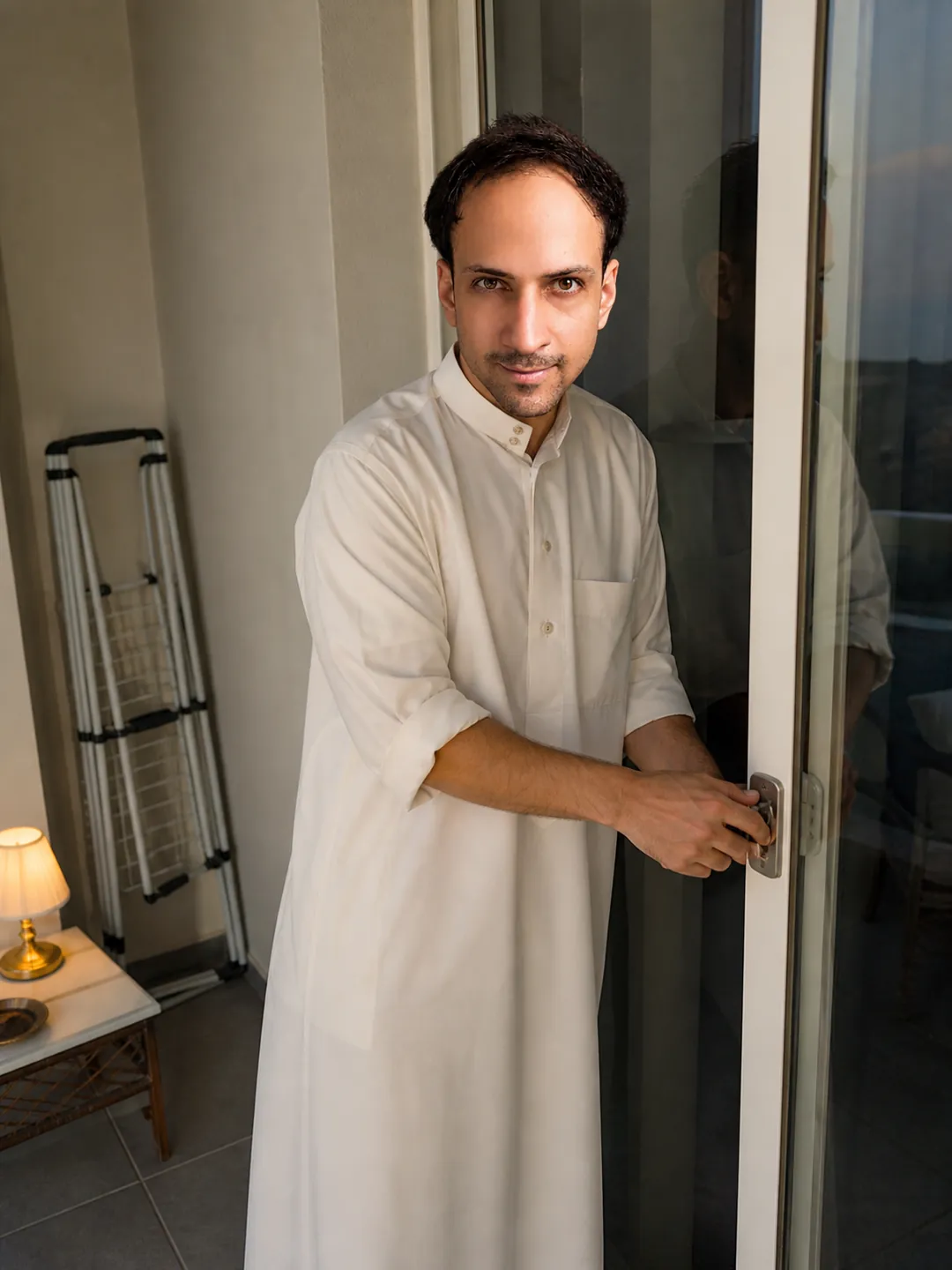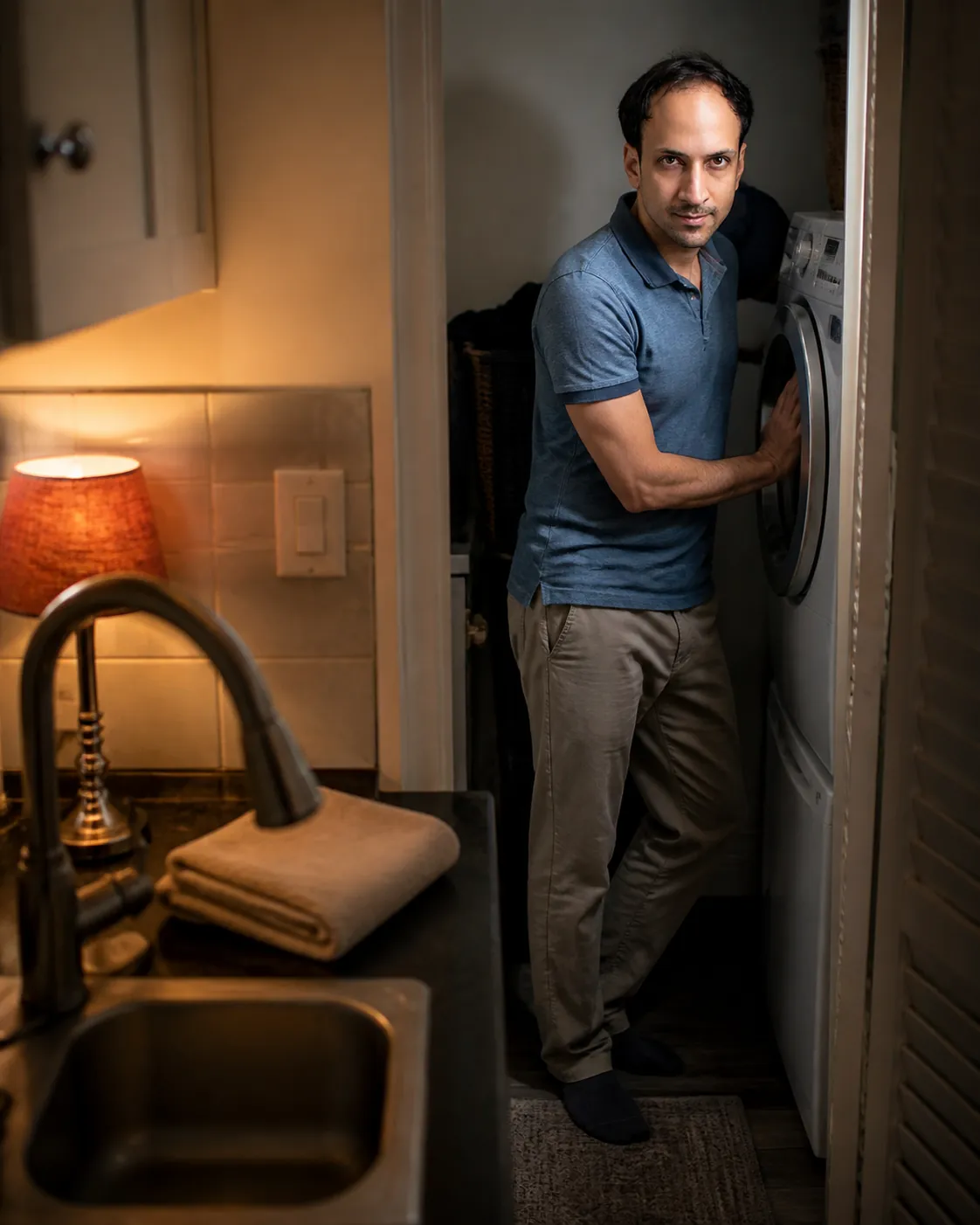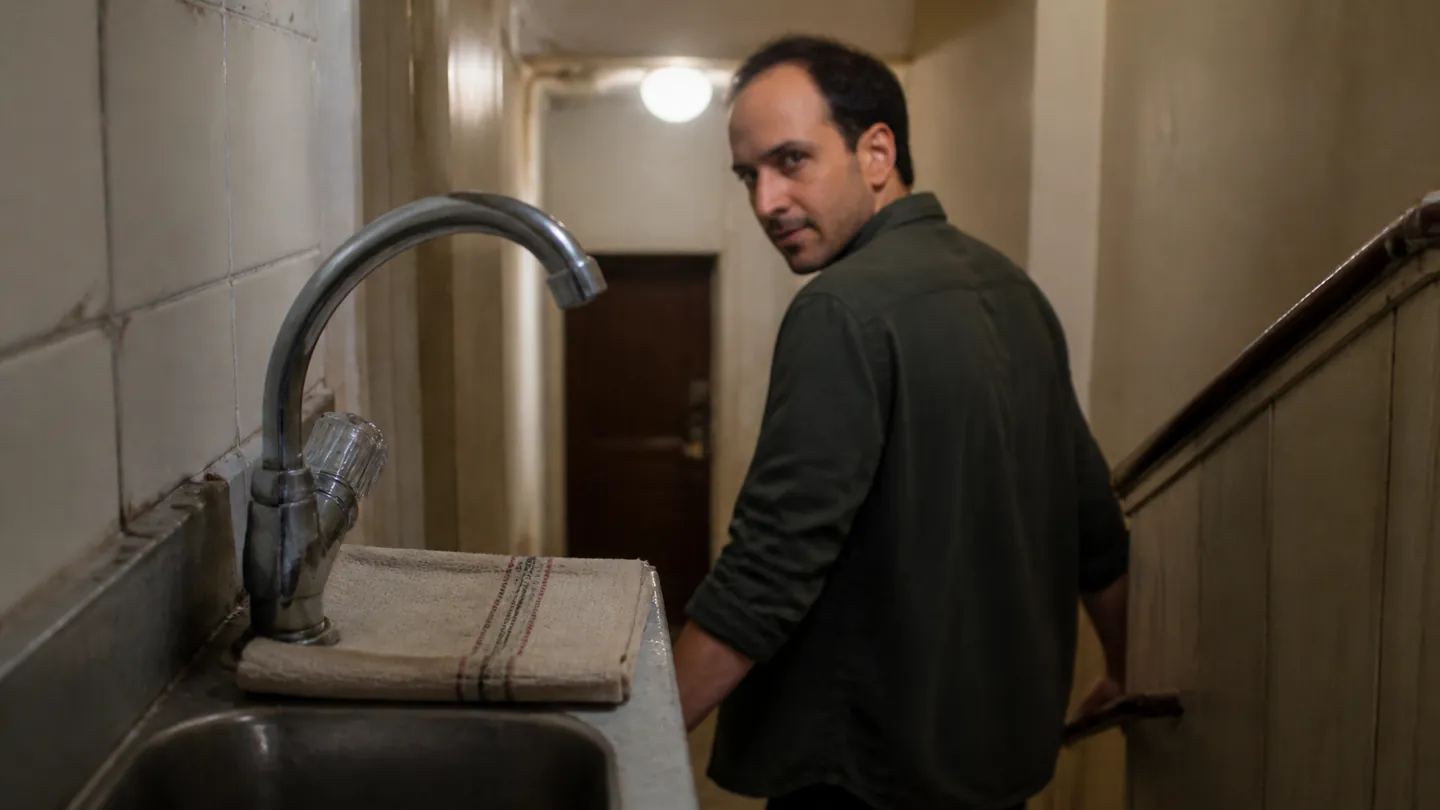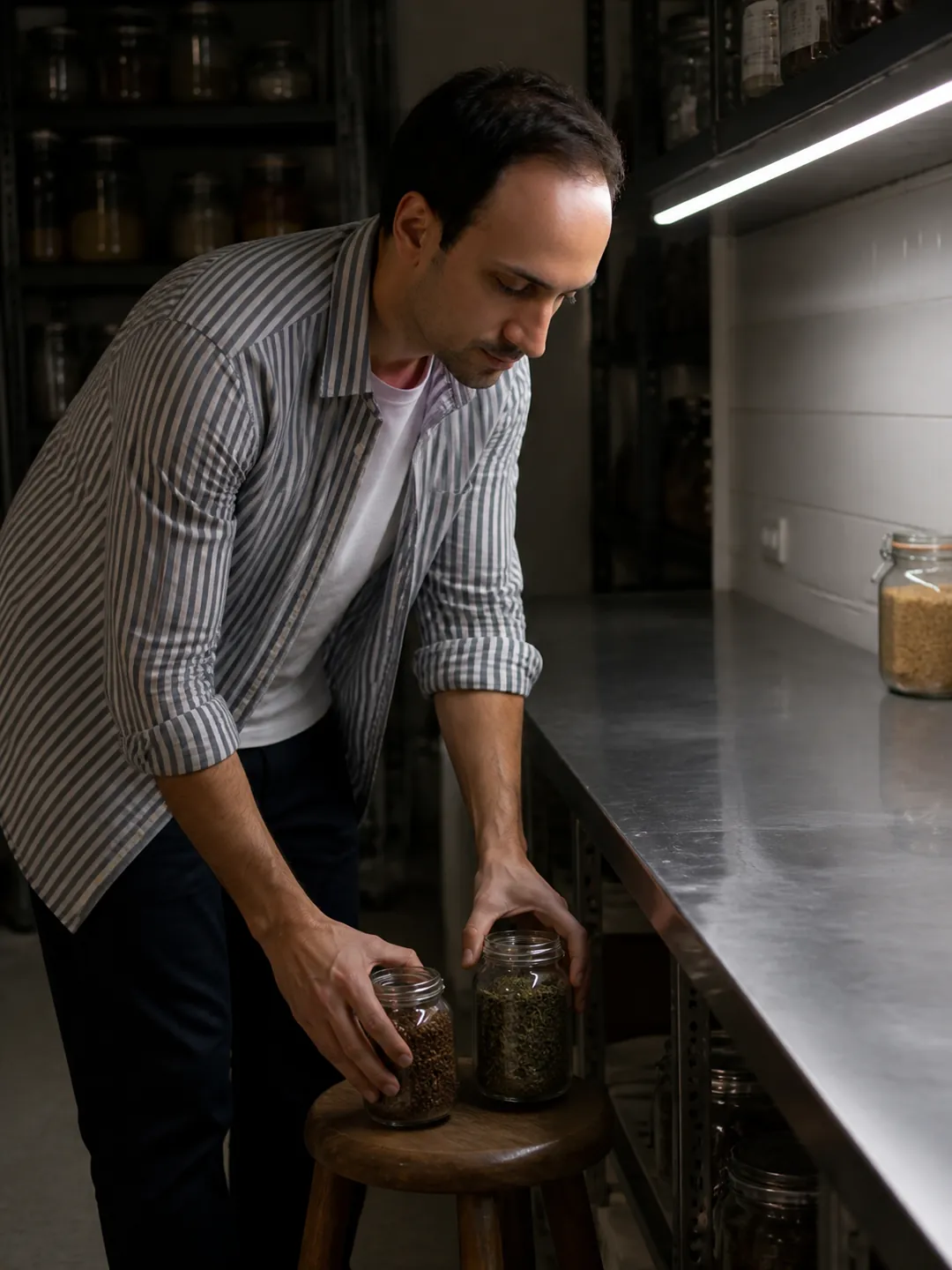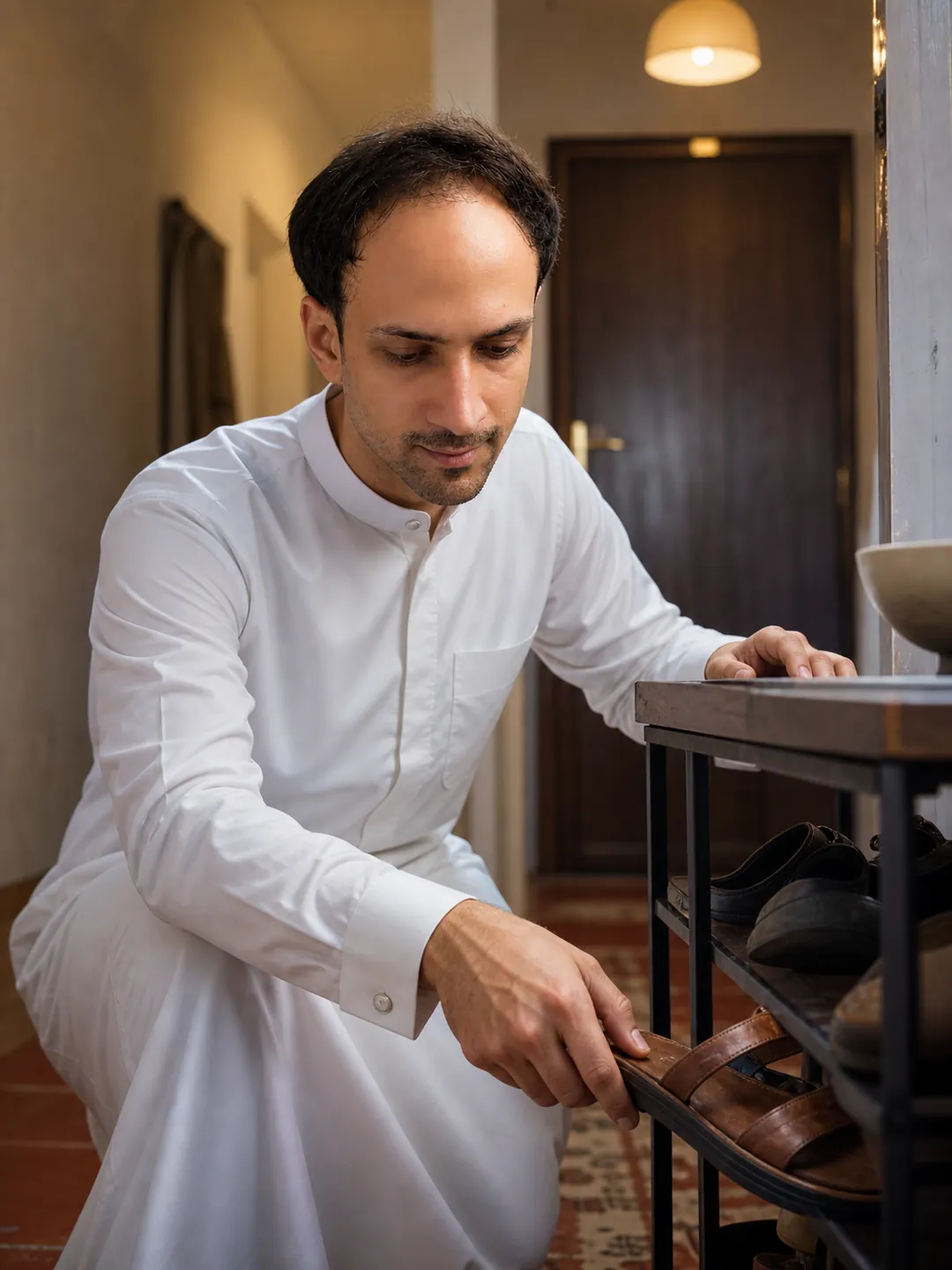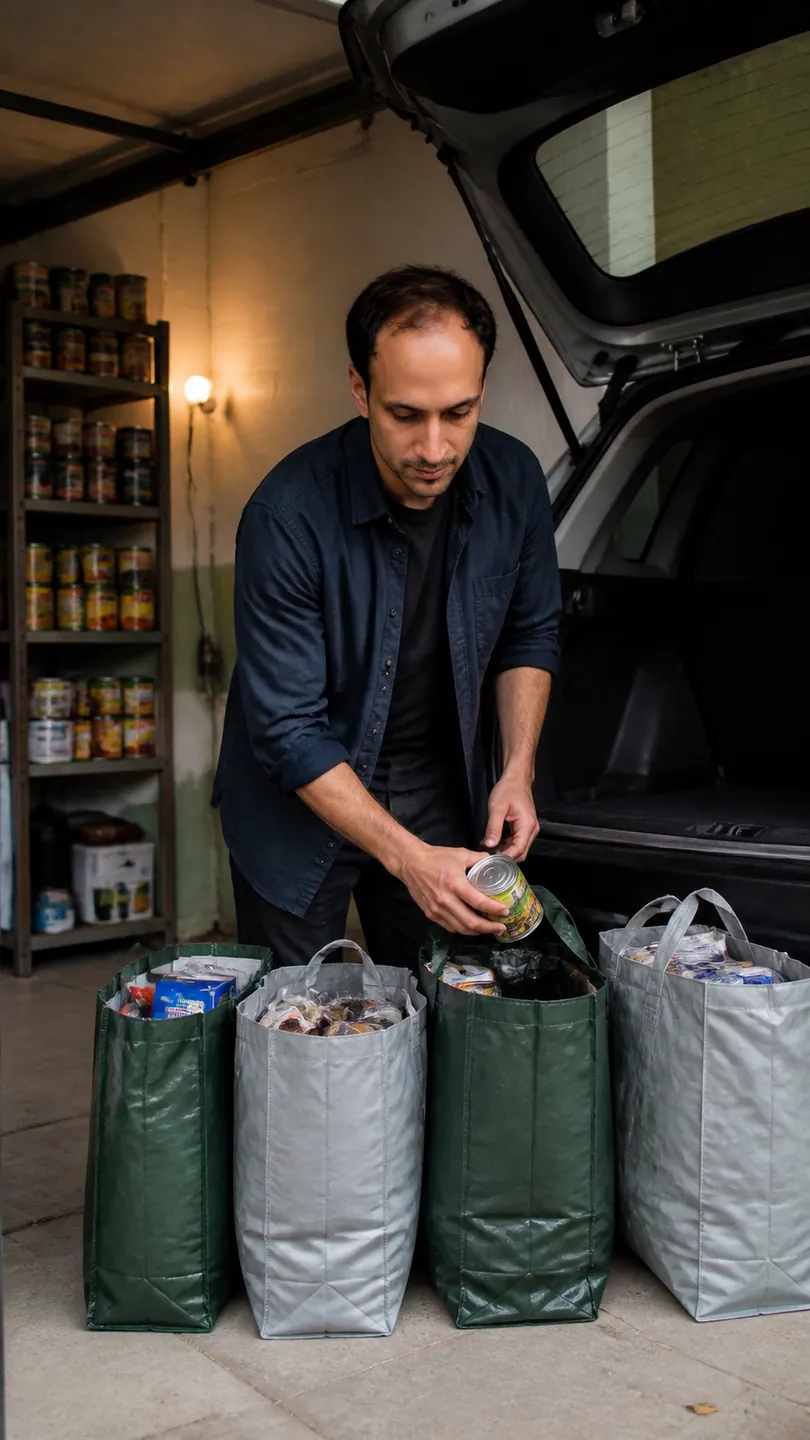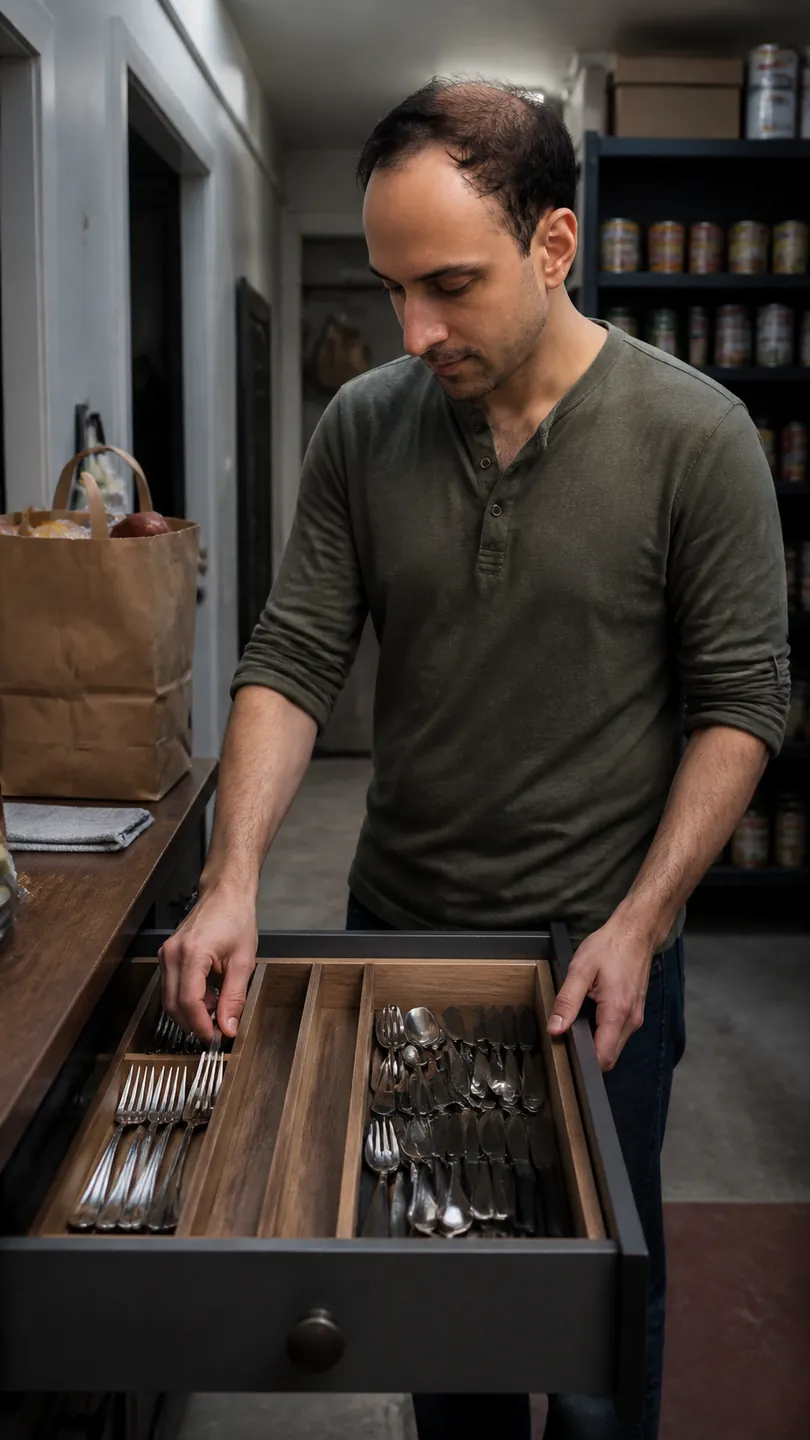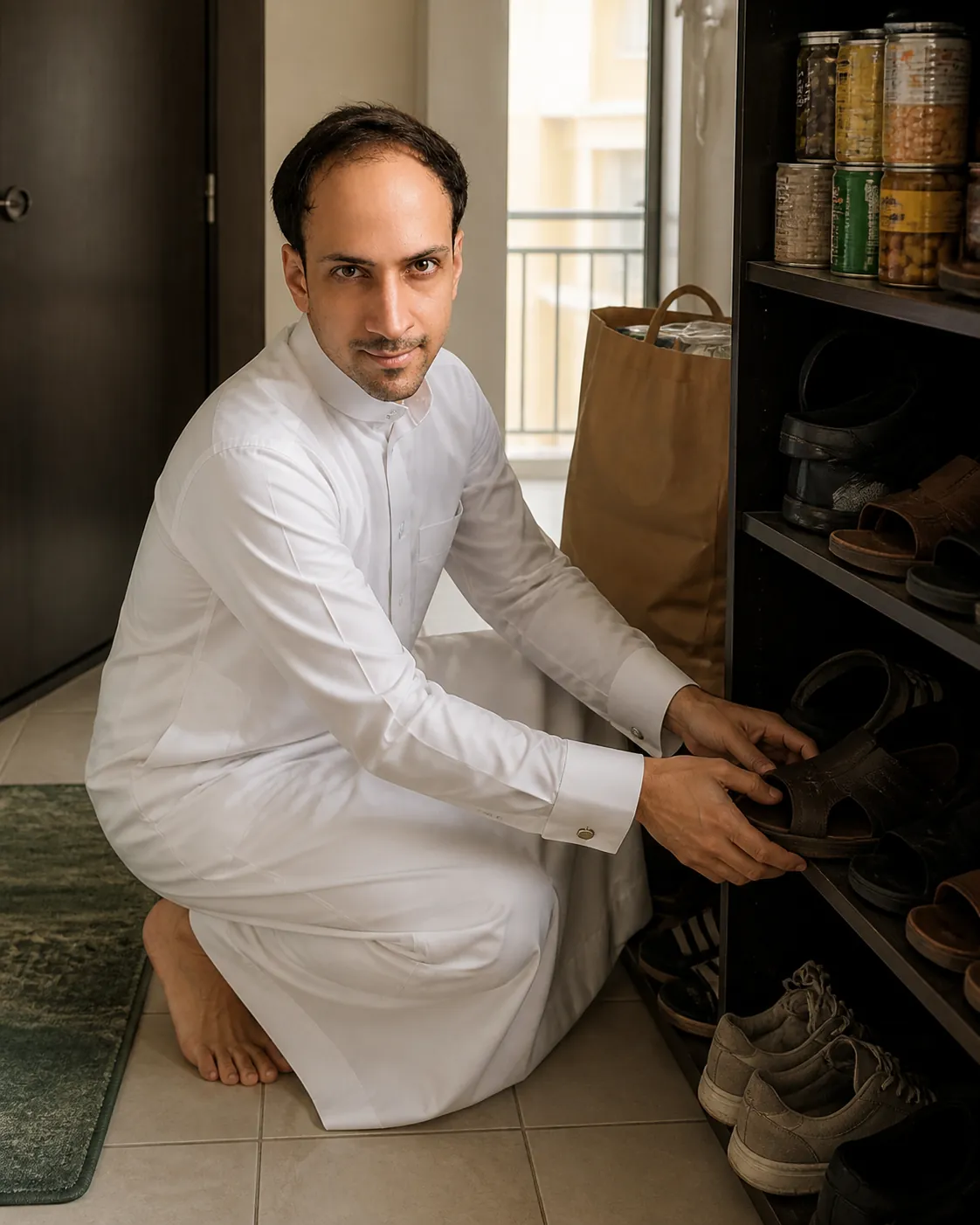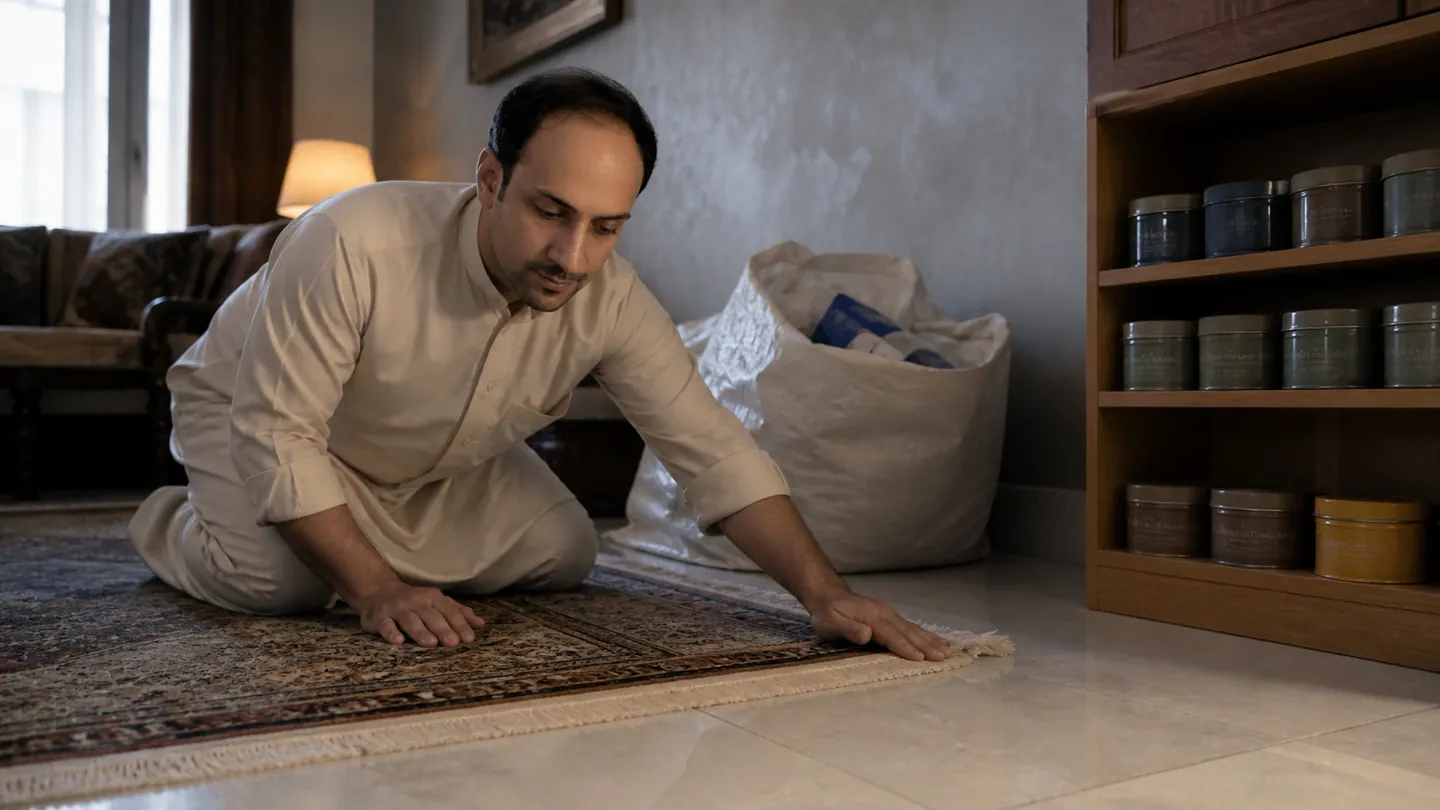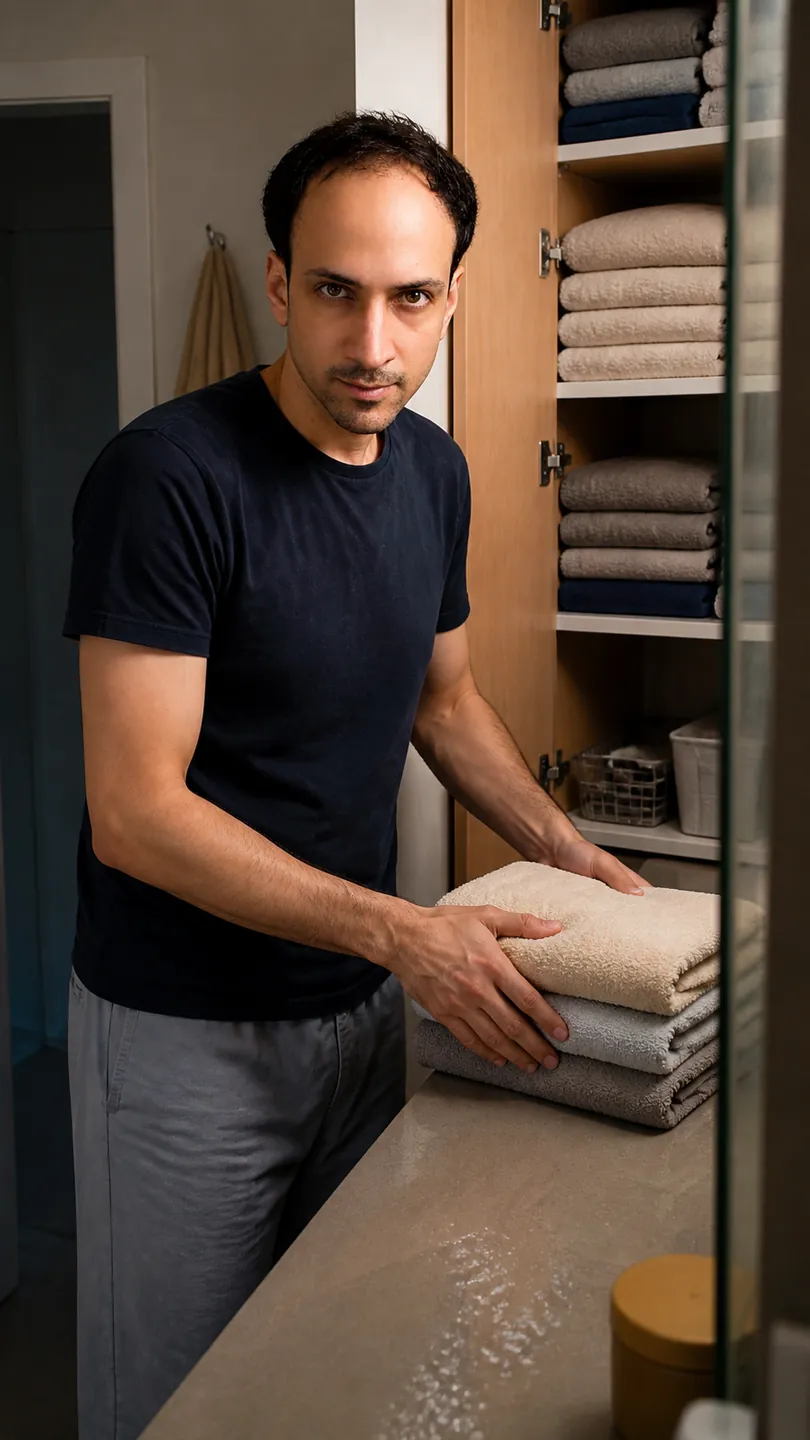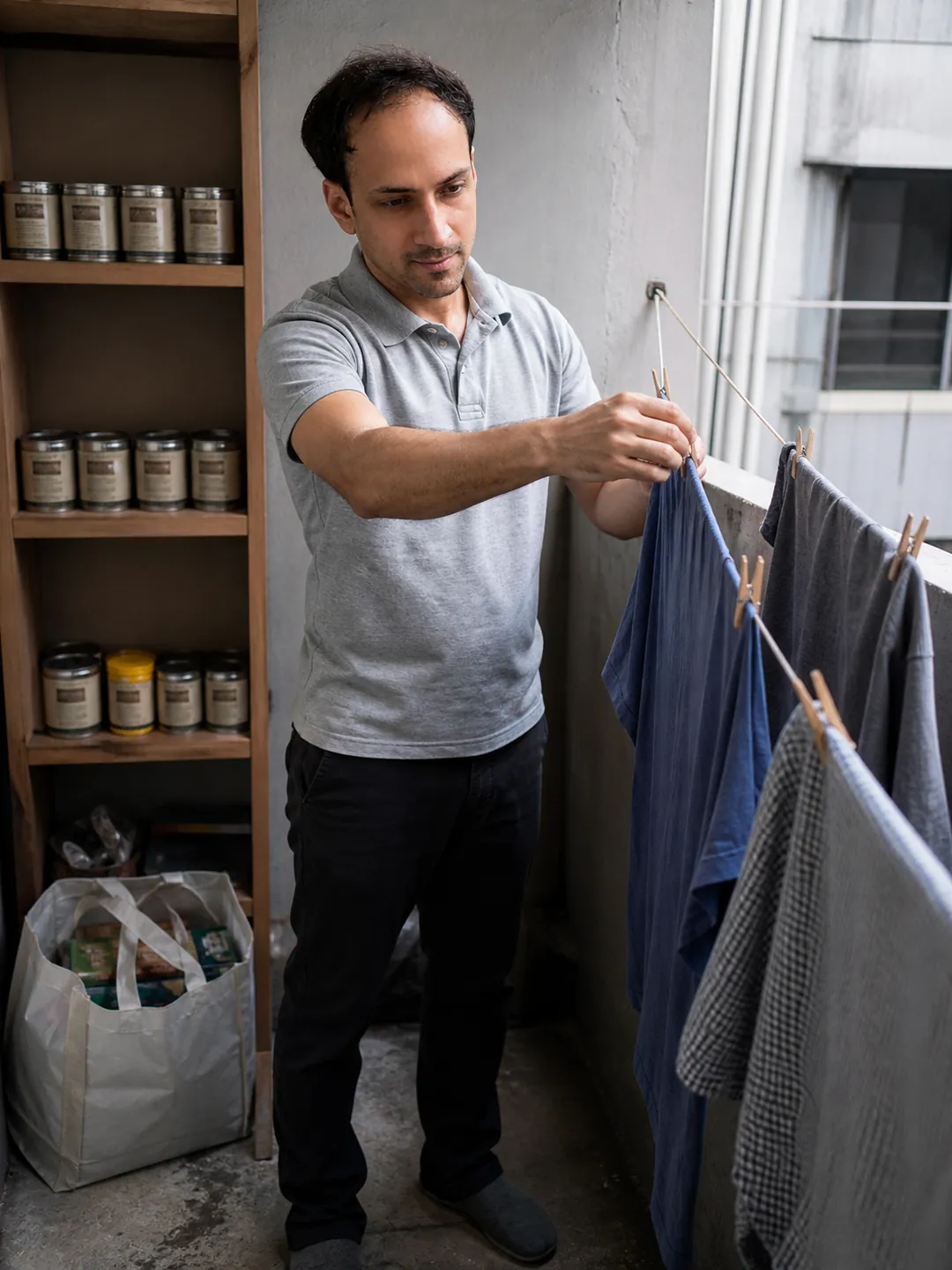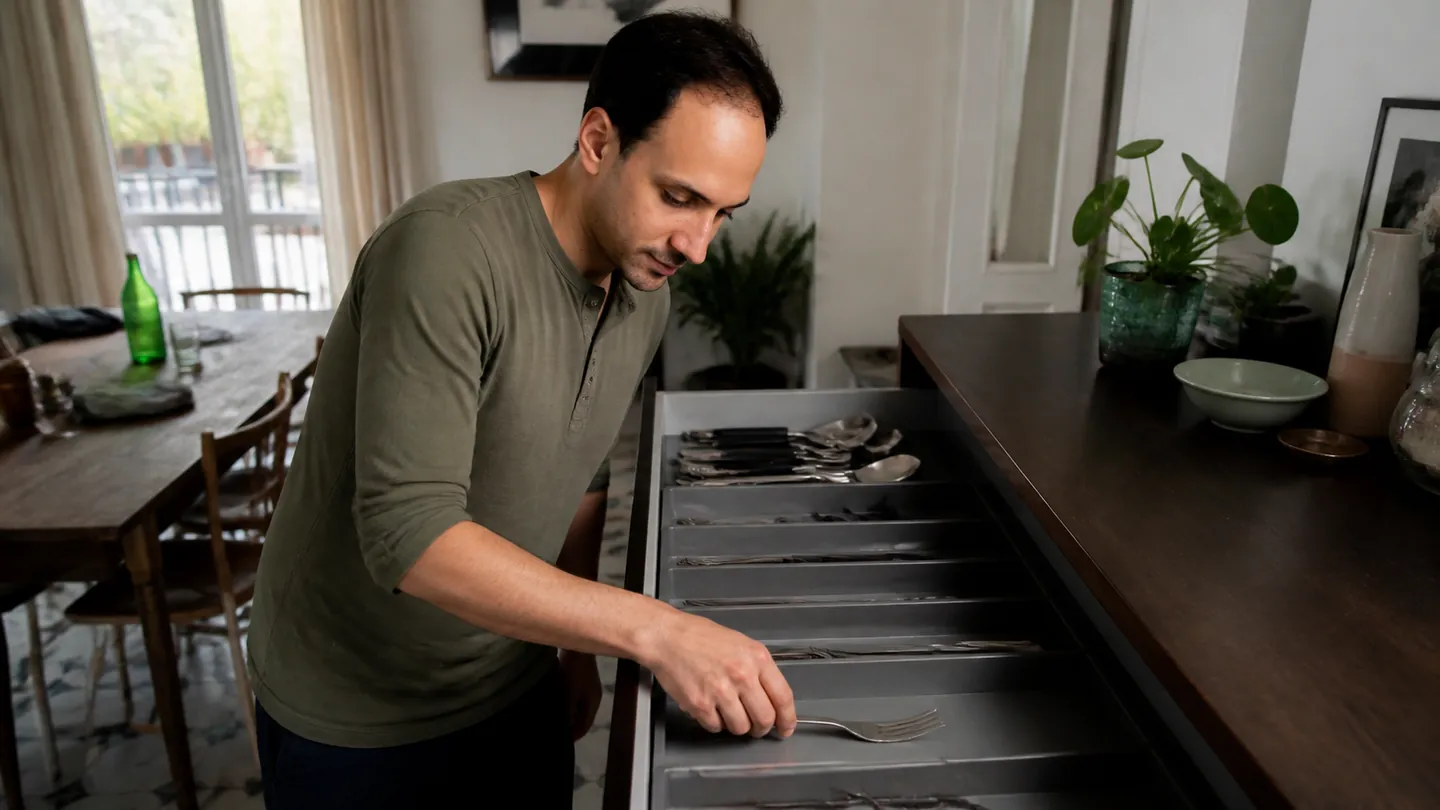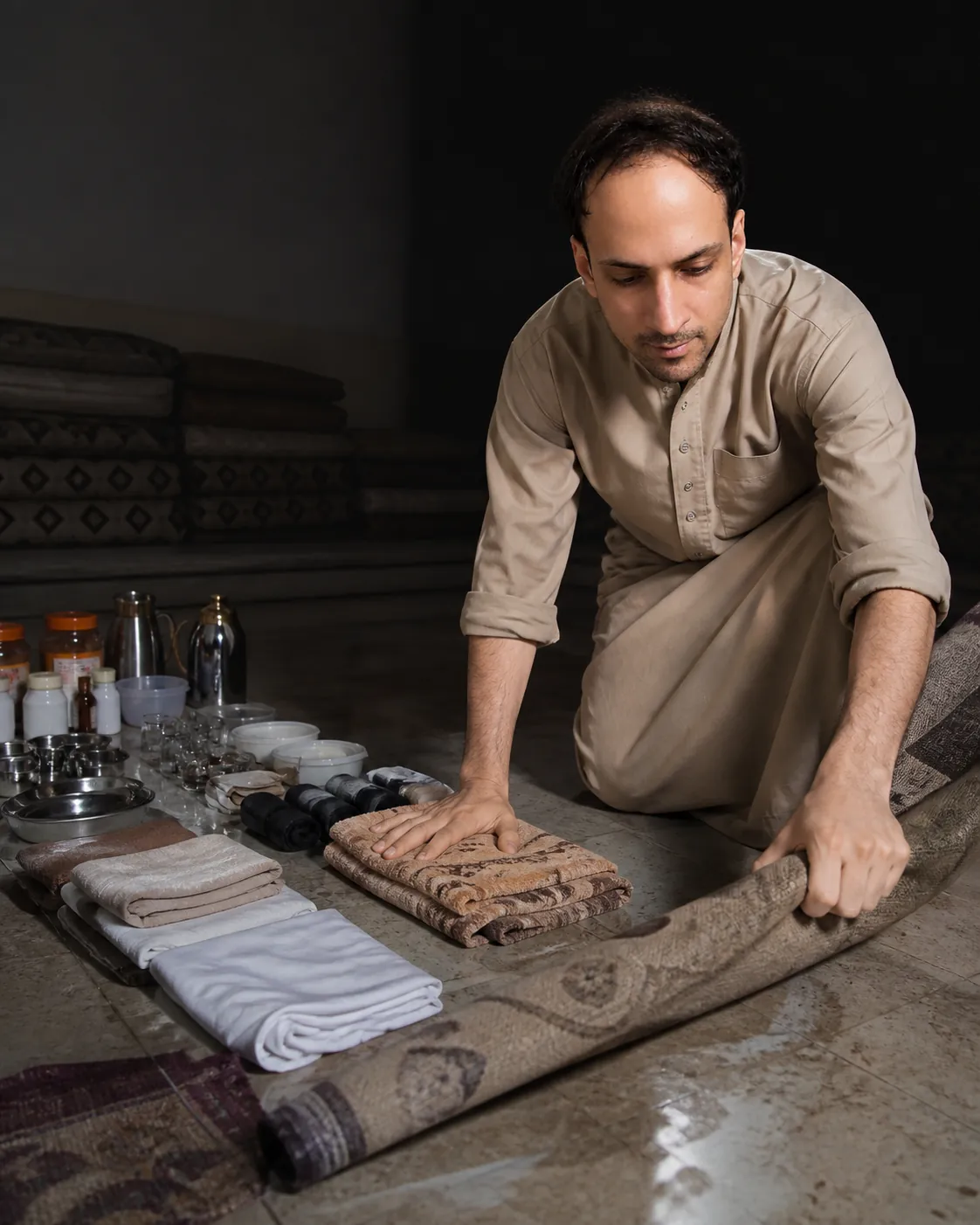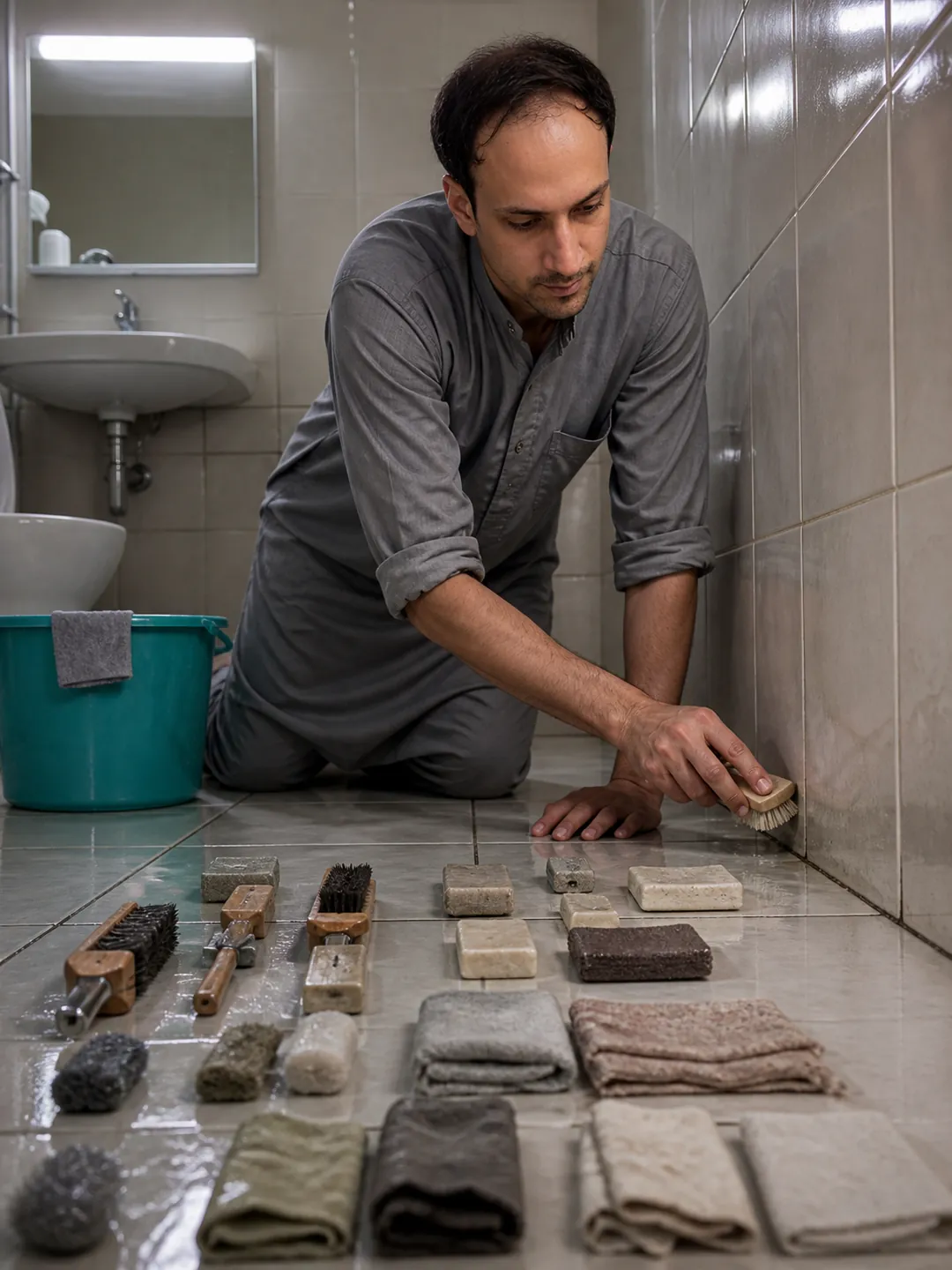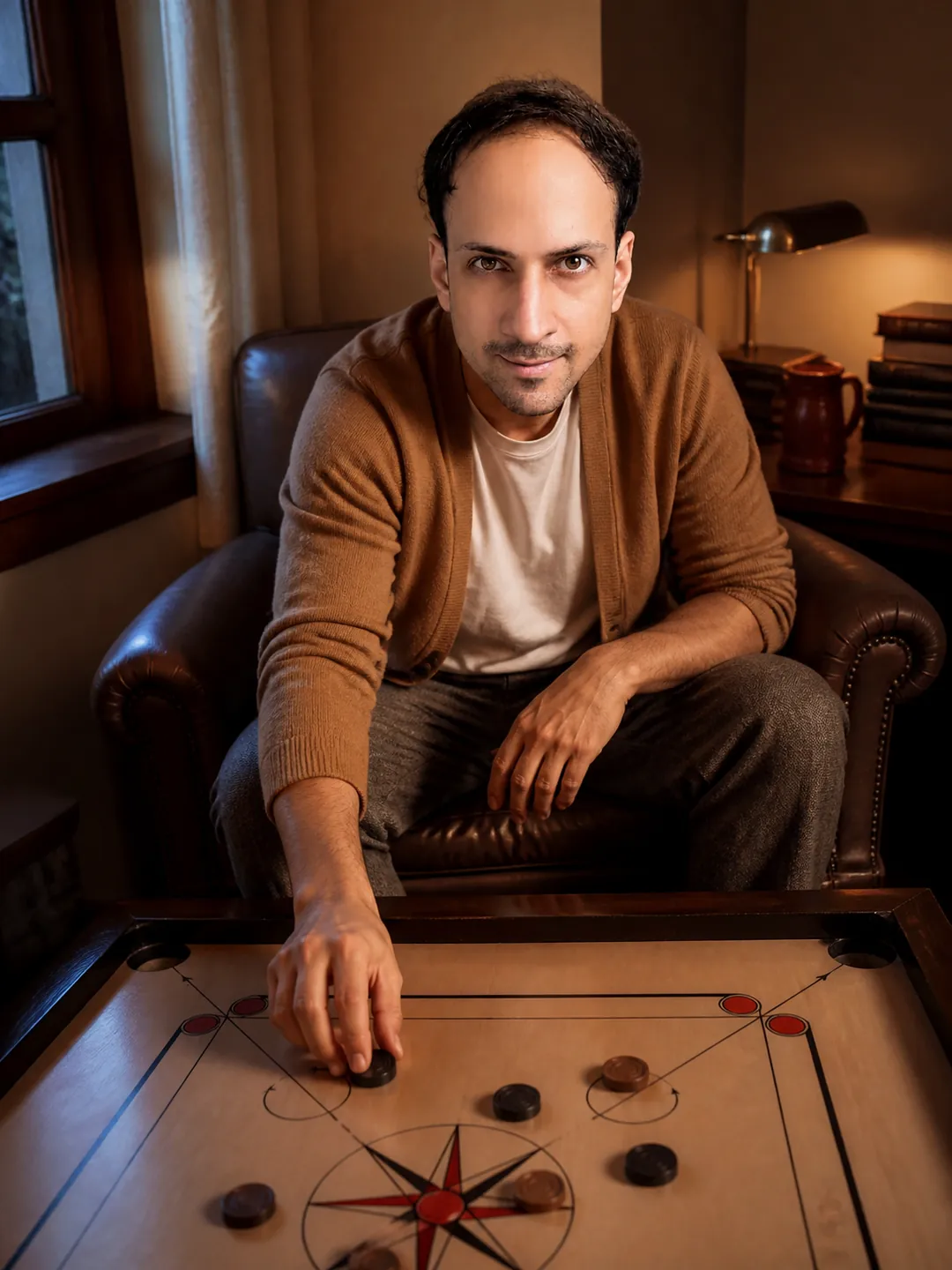
Turn your own photo into a photorealistic portrait in a reading nook with one armchair angled to the window's last light. Keeps your face unchanged.
من نص البرومبت
Use the attached reference photo as the identity reference: keep the same face, skin tone, hair and features as the person in that photo, without beautifying, aging or altering them. Treat that reference as the character anchor: change only the scene. Use a formal 3:4 environmental portrait with complete hands and meaningful objects inside frame at exactly 2480x3312 pixels. Location: a reading nook with one armchair angled to the window's last light. Show the subject in a camel-brown cardigan over a white crew-neck and grey wool trousers, drawing the armchair a hand-width closer to the window. The impossible-looking event must obey this clear system: a powder-slick carom board where one coin, squarely striking its identical twin, stops dead as the twin departs with its speed stays entirely knowable and grows more absorbing for being understood. Explore what a household gains when its evenings are furnished for presence; direct expression and posture toward gentle absorption, never melodrama or ad-like confidence. Frame from the empty chair opposite them, the lens at a seated guest's eye height. Make the composition keep every working surface honest, worn, and unstyled. Render it as evening-hour documentary realism made of natural falloff lighting, textured plaster and timber materiality, precise still-life discipline, and warm human presence, using low tungsten-warm practicals kept below the eye line, shadows left generous and a palette of charcoal, aged brass, and one band of brick red. Photorealistic: this must read as a real photograph from a physical camera, never an illustration, painting, or 3D render. Resolve real surface detail: true skin texture with pores and fine hair at the hairline, and fabric that creases where it is actually stressed. Keep one identity-locked person, credible hands and fingers, natural fabric, and coherent scale, contact, reflections, shadows, airflow, deformation, and materials. Background people only when essential, always secondary and clearly different. Avoid sepia nostalgia filters, costume-drama props, candlelit romance styling, and staged rustic clutter. No text, labels, logos, signatures, watermarks, random symbols, plastic skin, excessive bloom, or glossy AI finish.