تخطَّ إلى المحتوى
جميع التصنيفات

AI Portraits

Portrait prompts you can use with your own photo.

3845 برومبتات•0 مشتركين
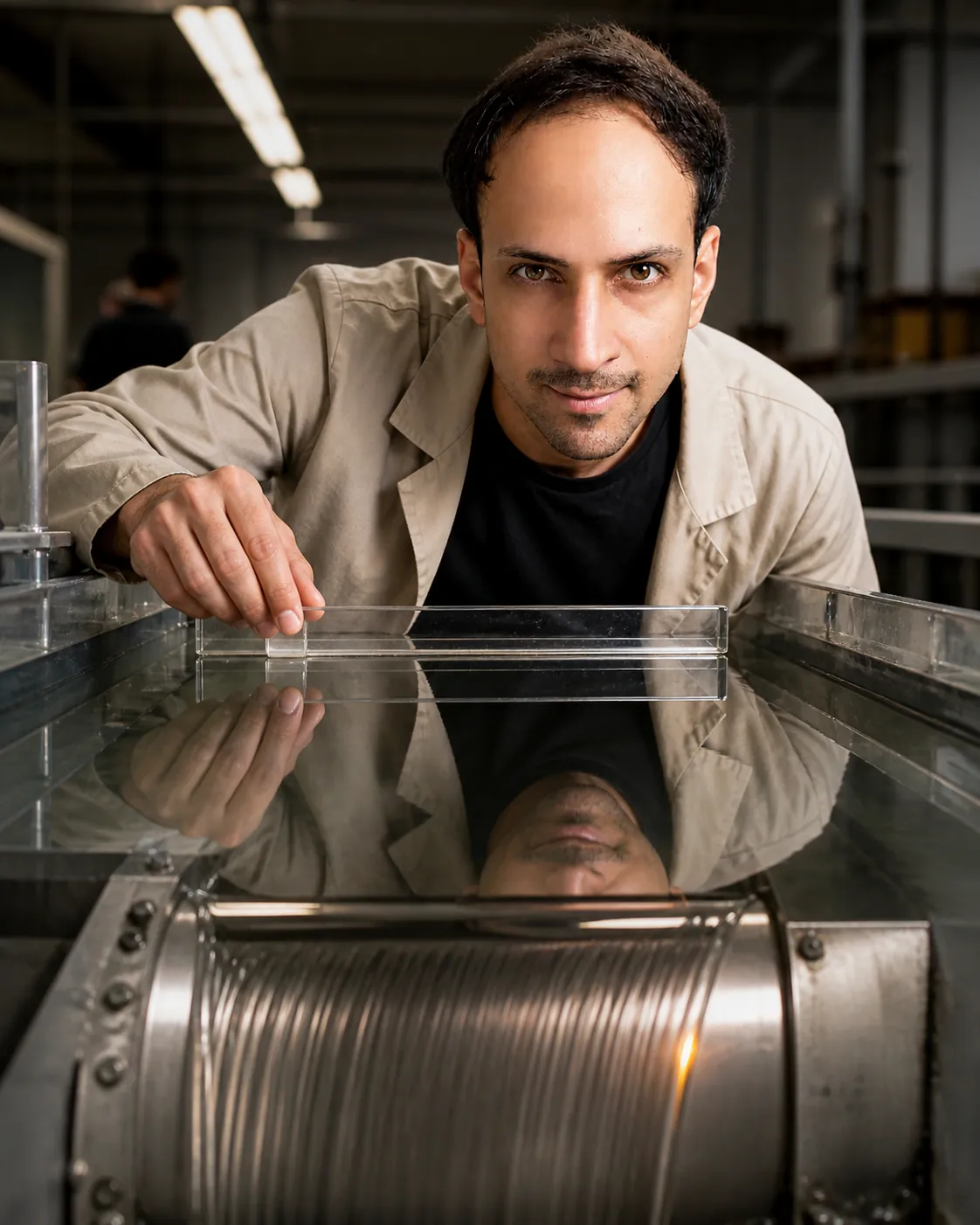
Mirror Weir in the Flume Lab — AI Portrait Prompt
صورةAI Portraits

Turn your own photo into a museum-scale demonstration portrait in a fluid-dynamics teaching lab built around one long clear flume. Keeps your face unchanged.

من نص البرومبت

Use the attached reference photo as the identity reference: keep the same face, skin tone, hair and features as the person in that photo, without beautifying, aging or altering them. Build a portrait 4:5 editorial artwork with protected negative space and a fully readable face at exactly 2560x3200 pixels. Location: a fluid-dynamics teaching lab built around one long clear flume. Show the subject in a putty-colored lab coat open over a plain black tee, skimming the flume's surface with a clear acrylic straightedge. Build the artwork around this material rule: a sheet of water that slides over a machined weir crest so evenly it holds one unbroken, believable reflection shows order arising in a substance famous for refusing to hold any. Explore how a moving surface can hold an image that refuses to move; direct expression and posture toward steady reverence, never melodrama or ad-like confidence. Use a 90mm close-portrait hybrid: one smooth stream sharp near the lens and their face readable beyond it. Make the composition give the dye's edge more acuity than any highlight. Render it as museum-scale demonstration realism combining faithful portrait photography, glass-smooth water rendered without exaggeration, machined hydraulic hardware, and physically exact reflections, using even overhead lab light shaped by baffles into calm directional zones and a palette of brushed steel, water grey, and one amber gleam. Photorealistic: this must read as a real photograph from a physical camera, never an illustration, painting, or 3D render. Resolve real surface detail: cotton that hangs by its own weight, seams that pucker very slightly, and collars softened by washing. Keep one identity-locked person, credible hands and fingers, natural fabric, and coherent scale, contact, reflections, shadows, airflow, deformation, and materials. Background people only when essential, always secondary and clearly different. Avoid stock waterfall mist, whirlpool vortices, ripple-covered surfaces, levitating water spheres, and dramatic slow-motion splash photography. No text, labels, logos, signatures, watermarks, random symbols, plastic skin, excessive bloom, or glossy AI finish.
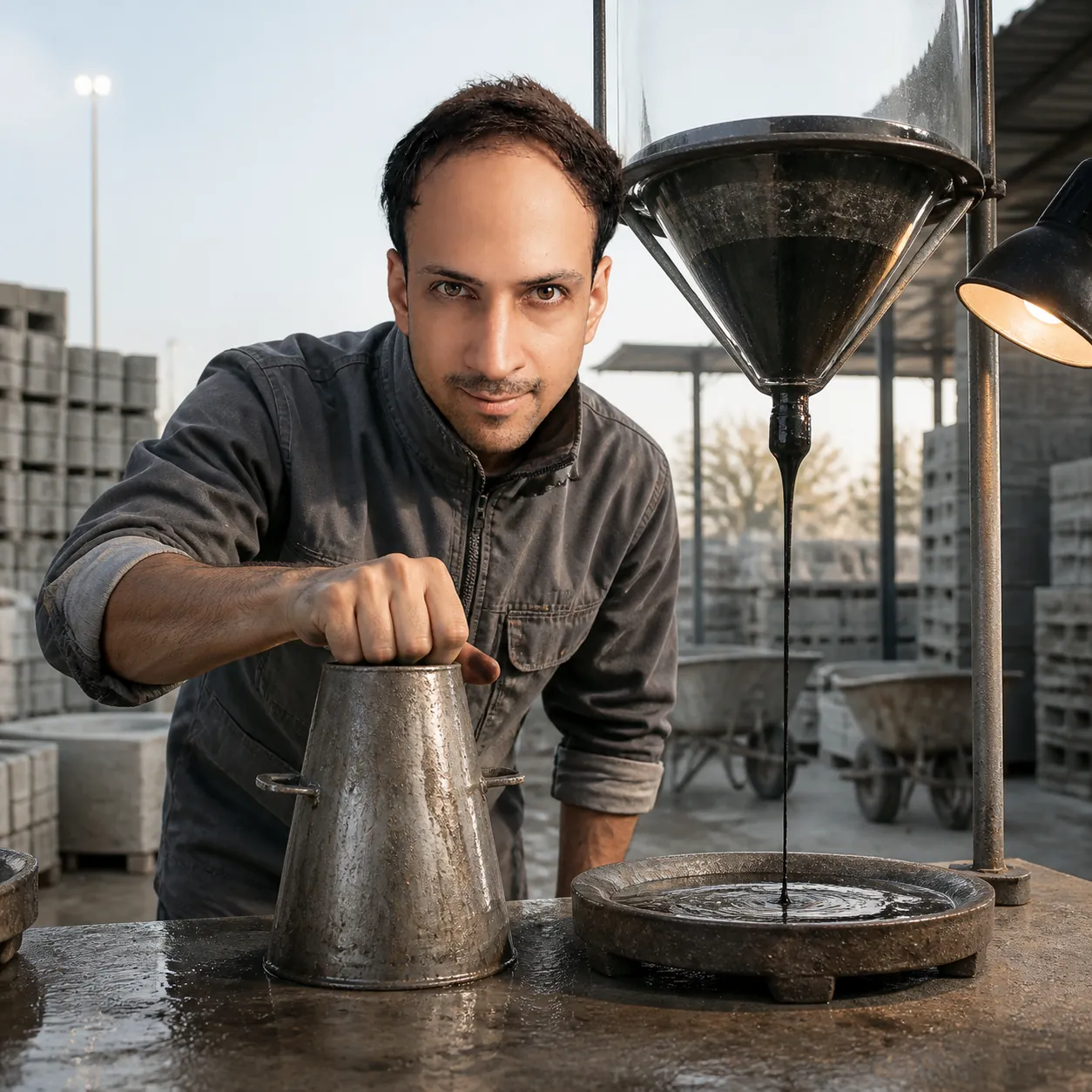
Pitch Drop at the Concrete Yard — AI Portrait Prompt
صورةAI Portraits

Turn your own photo into a portrait in a Riyadh concrete materials yard at early morning, slump boards hosed clean. Keeps your face unchanged.

من نص البرومبت

Use the attached reference photo as the identity reference: keep the same face, skin tone, hair and features as the person in that photo, without beautifying, aging or altering them. Create a square 1:1 museum-catalog frame with a strong first read and a slower second read at exactly 2880x2880 pixels. Location: a Riyadh concrete materials yard at early morning, slump boards hosed clean. Show the subject in a high-collared grey work jacket with rolled cuffs, tapping a steel slump cone free with one knuckle. Build the artwork around this material rule: a bell-jarred funnel of black pitch whose single pendant drop has been lengthening for most of a decade answers the manner of a force rather than its size. Explore what a material's refusal reveals about the question it was asked; direct expression and posture toward grounded wonder, never melodrama or ad-like confidence. Frame from just above the work surface so the material's decision and their eyes sit in one plane of focus. Make the composition keep every contour of the fluid sharper than the room behind. Render it as quiet kinetic still-life portraiture built from genuine non-Newtonian samples, honest studio texture, believable hand-scale staging, and patient documentary framing, using cool window daylight from one side, balanced by a warm bench lamp and a palette of chalk white, wet slate, and one seam of ochre. Photorealistic: this must read as a real photograph from a physical camera, never an illustration, painting, or 3D render. Resolve real surface detail: label-free packaging showing carton fibre, cardboard bruised at the corners, and tape lifting slightly at one end. Keep one identity-locked person, credible hands and fingers, natural fabric, and coherent scale, contact, reflections, shadows, airflow, deformation, and materials. Background people only when essential, always secondary and clearly different. Avoid rainbow slime aesthetics, splattered goo on skin, speaker-driven paint splashes, and ASMR dripping close-ups. No text, labels, logos, signatures, watermarks, random symbols, plastic skin, excessive bloom, or glossy AI finish.
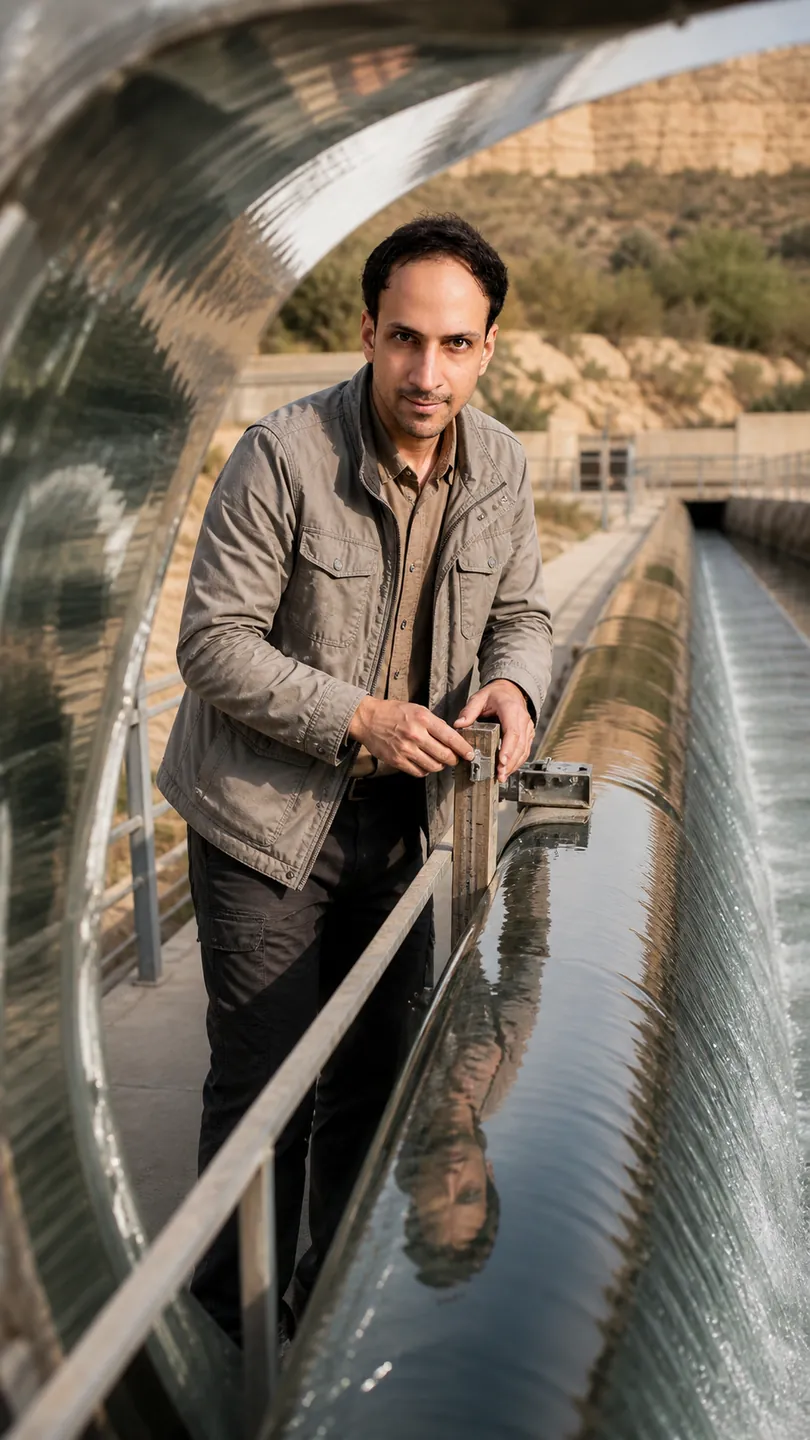
Mirror Sheet at Wadi Hanifah — AI Portrait Prompt
صورةAI Portraits

Turn your own photo into a large-format hydro-engineering portrait in a maintenance walkway beside a low Wadi Hanifah check weir. Keeps your face unchanged.

من نص البرومبت

Use the attached reference photo as the identity reference: keep the same face, skin tone, hair and features as the person in that photo, without beautifying, aging or altering them. Design a full-height 9:16 cinematic artwork that reads on a phone and rewards gallery-scale inspection at exactly 2144x3808 pixels. Location: a maintenance walkway beside a low Wadi Hanifah check weir. Show the subject in a sand-grey field jacket over a tan shirt and dark workwear trousers, hooking a measuring staff onto the parapet rail. Make one rigorous physical condition the conceptual engine: a sheet of water that slides over a machined weir crest so evenly it holds one unbroken, believable reflection reveals what a liquid becomes when turbulence is lawfully withheld. Explore how a moving surface can hold an image that refuses to move; direct expression and posture toward gentle vigilance, never melodrama or ad-like confidence. Frame through the clear apparatus itself, refraction bending the background while their face stays undistorted and sharp. Make the composition keep the flow's stillest passage sharpest and the room soft. Render it as large-format hydro-engineering portraiture built from real channel flows, precise wet-metal detailing, truthful surface optics, and patient documentary framing, using clean skylight softly refracted through moving water onto pale stone and a palette of bone white, clear-water celadon, and a line of indigo. Photorealistic: this must read as a real photograph from a physical camera, never an illustration, painting, or 3D render. Give the space honest scale: real distance between foreground, subject, and far wall. Resolve real surface detail: condensation beading at true size, liquid meniscus curving against glass, and wet surfaces darker than dry ones. Keep one identity-locked person, credible hands and fingers, natural fabric, and coherent scale, contact, reflections, shadows, airflow, deformation, and materials. Background people only when essential, always secondary and clearly different. Avoid stock waterfall mist, whirlpool vortices, ripple-covered surfaces, levitating water spheres, and dramatic slow-motion splash photography. No text, labels, logos, signatures, watermarks, random symbols, plastic skin, excessive bloom, or glossy AI finish.
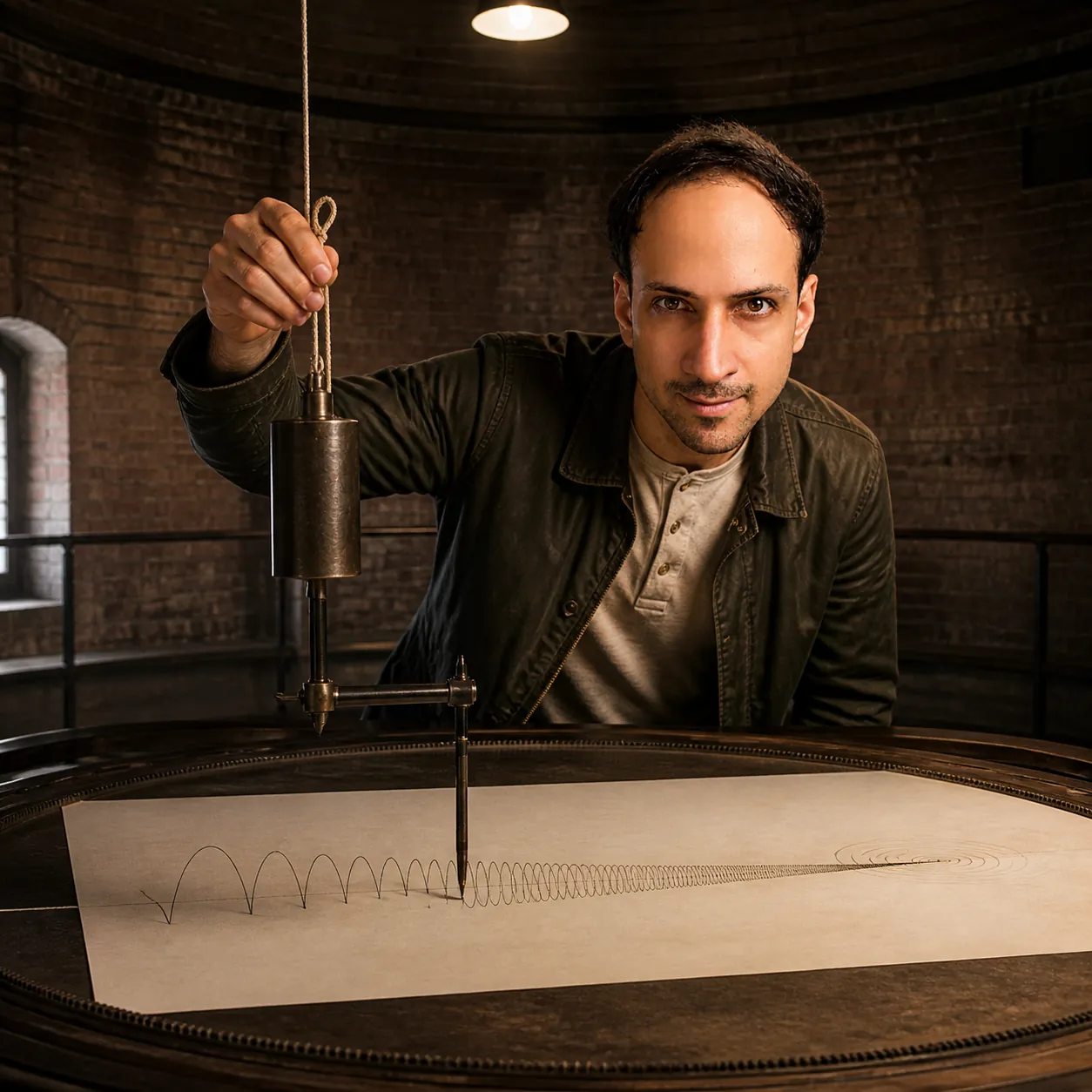
Decaying Wave in the Water Tower — AI Portrait Prompt
صورةAI Portraits

Turn your own photo into a kinetic-sculpture documentary portrait in the round brick chamber of a decommissioned water tower. Keeps your face unchanged.

من نص البرومبت

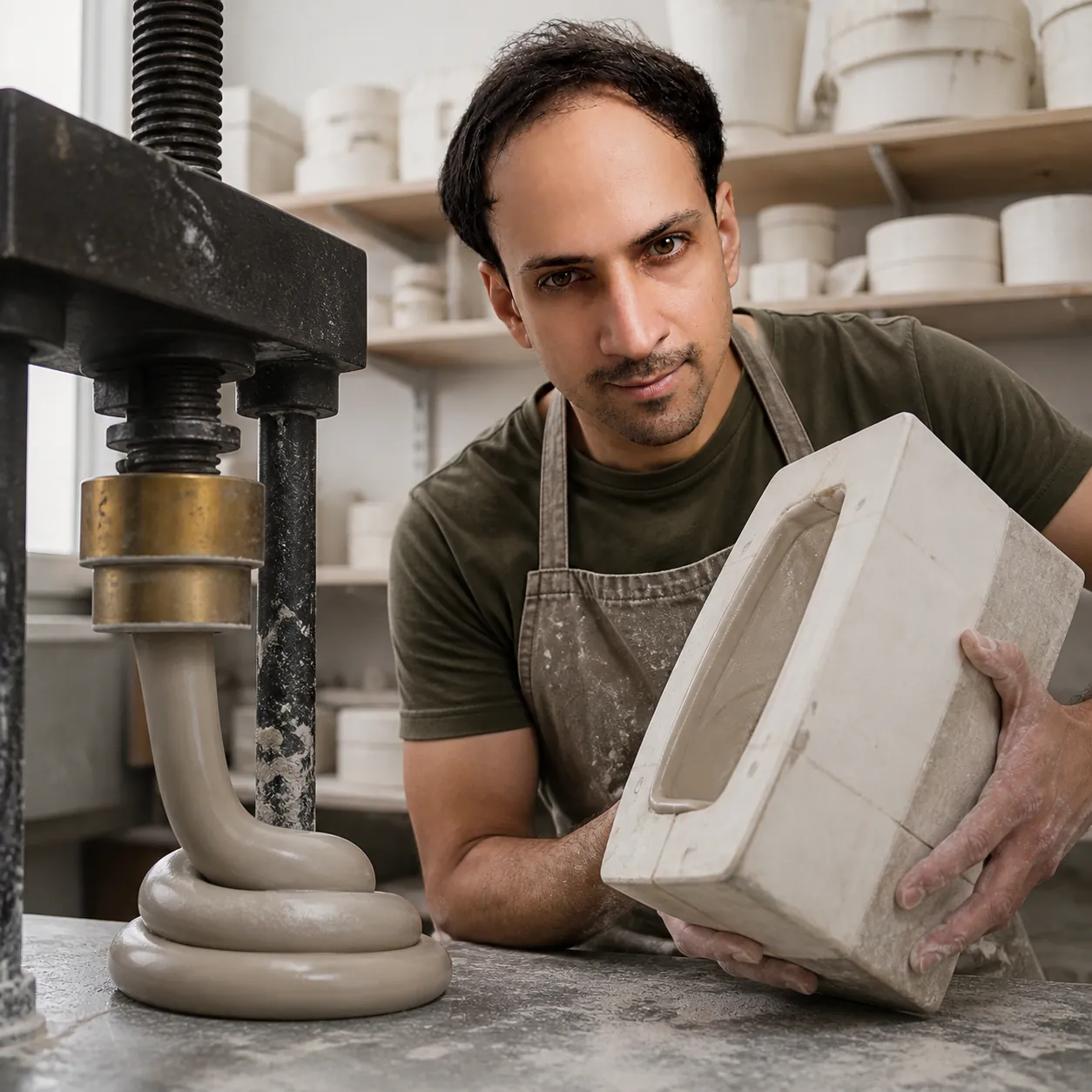
Use the attached reference photo as the identity reference: keep the same face, skin tone, hair and features as the person in that photo, without beautifying, aging or altering them. Create a square 1:1 museum-catalog frame with a strong first read and a slower second read at exactly 2880x2880 pixels. Location: the round brick chamber of a decommissioned water tower. Show the subject in a waxed olive field jacket over a cream henley, loading a knot with one slow downward pull. Treat this mechanism as the frame’s governing rule: a swinging ink pen over a paper strip that a descending weight pulls steadily, writing one long decaying wave turns the planet's steady pull into a signature anyone can read. Explore whether patience is a virtue here or simply the machine's operating speed; direct expression and posture toward steady humility, never melodrama or ad-like confidence. Frame at the height of the swinging mass so the trace recedes in true perspective. Make the composition let the drawing's shrinking center sit off-axis from their eyes. Render it as kinetic-sculpture documentary portraiture built from real pendulum apparatus, archival ink materiality, long-exposure honesty, and museum-quality restraint in every surface, using a single shaded bulb hung high, its cone stopping short of the walls and a palette of walnut brown, bone-dry plaster, and one glint of steel. Photorealistic: this must read as a real photograph from a physical camera, never an illustration, painting, or 3D render. Resolve real surface detail: grout darker than tile, sealant slightly yellowed, and every joint showing a real tolerance gap. Keep one identity-locked person, credible hands and fingers, natural fabric, and coherent scale, contact, reflections, shadows, airflow, deformation, and materials. Background people only when essential, always secondary and clearly different. Avoid glowing neon spirograph swirls, levitating pens, CGI particle trails, sacred-geometry overlays, and face-smearing motion blur. No text, labels, logos, signatures, watermarks, random symbols, plastic skin, excessive bloom, or glossy AI finish.
Swelling Polymer at the Casting Bench — AI Portrait Prompt
صورةAI Portraits

Turn your own photo into a portrait in a ceramics slip-casting bench ringed with plaster molds drying white. Keeps your face unchanged.

من نص البرومبت

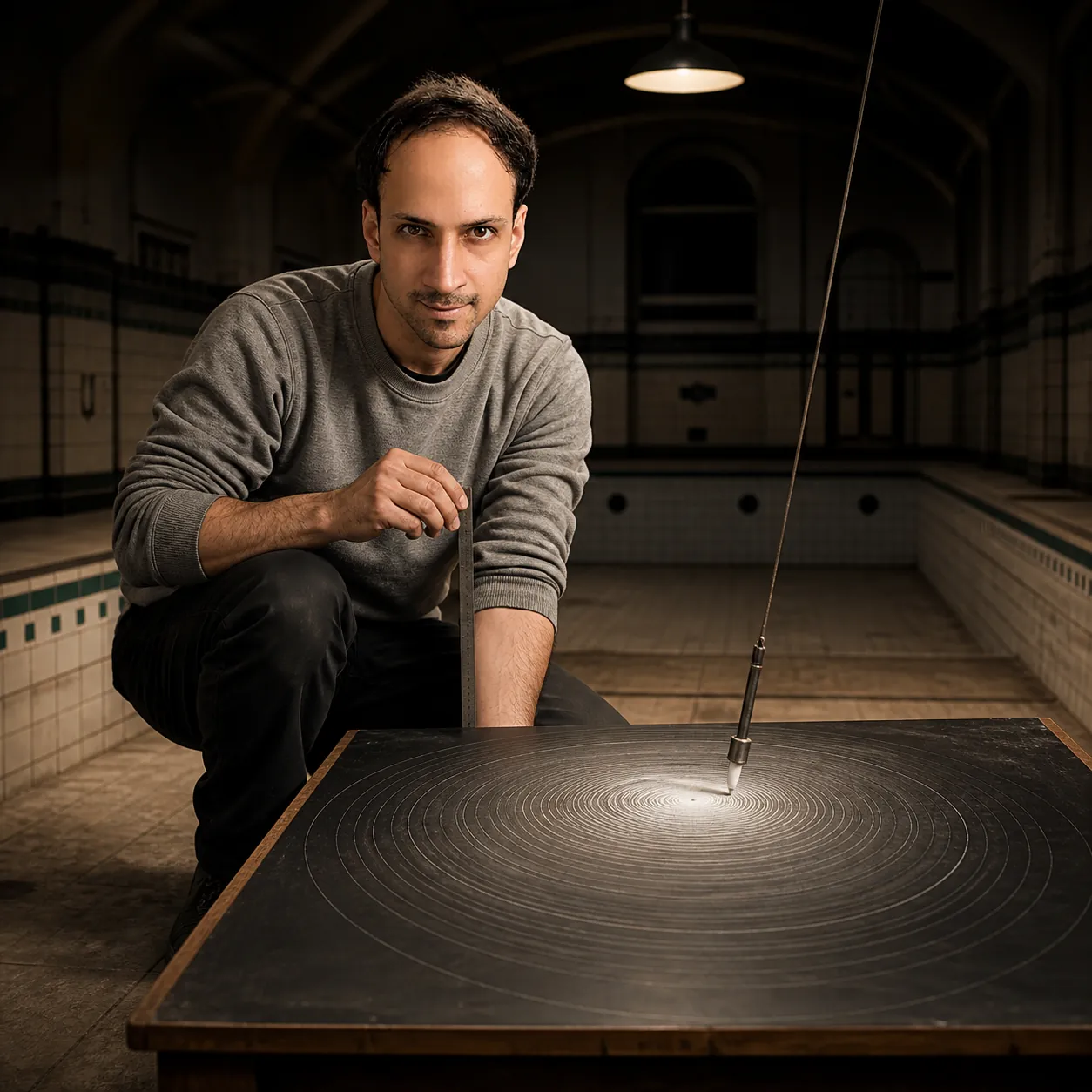
Use the attached reference photo as the identity reference: keep the same face, skin tone, hair and features as the person in that photo, without beautifying, aging or altering them. Create a square 1:1 museum-catalog frame with a strong first read and a slower second read at exactly 2880x2880 pixels. Location: a ceramics slip-casting bench ringed with plaster molds drying white. Show the subject in a clay-dusted canvas apron over a plain olive tee, tilting a filled mold to check the slip's level. The impossible-looking event must obey this clear system: a hand press whose slowly emerging cord of soft polymer swells visibly wider than its polished brass die answers the manner of a force rather than its size. Explore how a substance decides, without a mind, which of its selves to present; direct expression and posture toward thoughtful reserve, never melodrama or ad-like confidence. Use a 90mm close-working lens: the fluid's response sharp near the frame's base and their attentive face readable above it. Make the composition set one calm horizontal surface against their quiet vertical posture. Render it as precise rheological portrait realism grounded in laboratory-true material response, calm documentary texture, instrument-grade staging, and quietly humane composition, using even skylit top light softened by white walls and honest shadow and a palette of pitch black, pale plaster, and one amber glint. Photorealistic: this must read as a real photograph from a physical camera, never an illustration, painting, or 3D render. Resolve real surface detail: brass darkened in the recesses and bright where thumbs land, and lacquer crazed rather than perfect. Keep one identity-locked person, credible hands and fingers, natural fabric, and coherent scale, contact, reflections, shadows, airflow, deformation, and materials. Background people only when essential, always secondary and clearly different. Avoid rainbow slime aesthetics, splattered goo on skin, speaker-driven paint splashes, and ASMR dripping close-ups. No text, labels, logos, signatures, watermarks, random symbols, plastic skin, excessive bloom, or glossy AI finish.
Shrinking Arcs by the Pool — AI Portrait Prompt
صورةAI Portraits

Turn your own photo into a gallery-grade demonstration portrait in a drained indoor pool hall, tiles echoing every small sound. Keeps your face unchanged.

من نص البرومبت

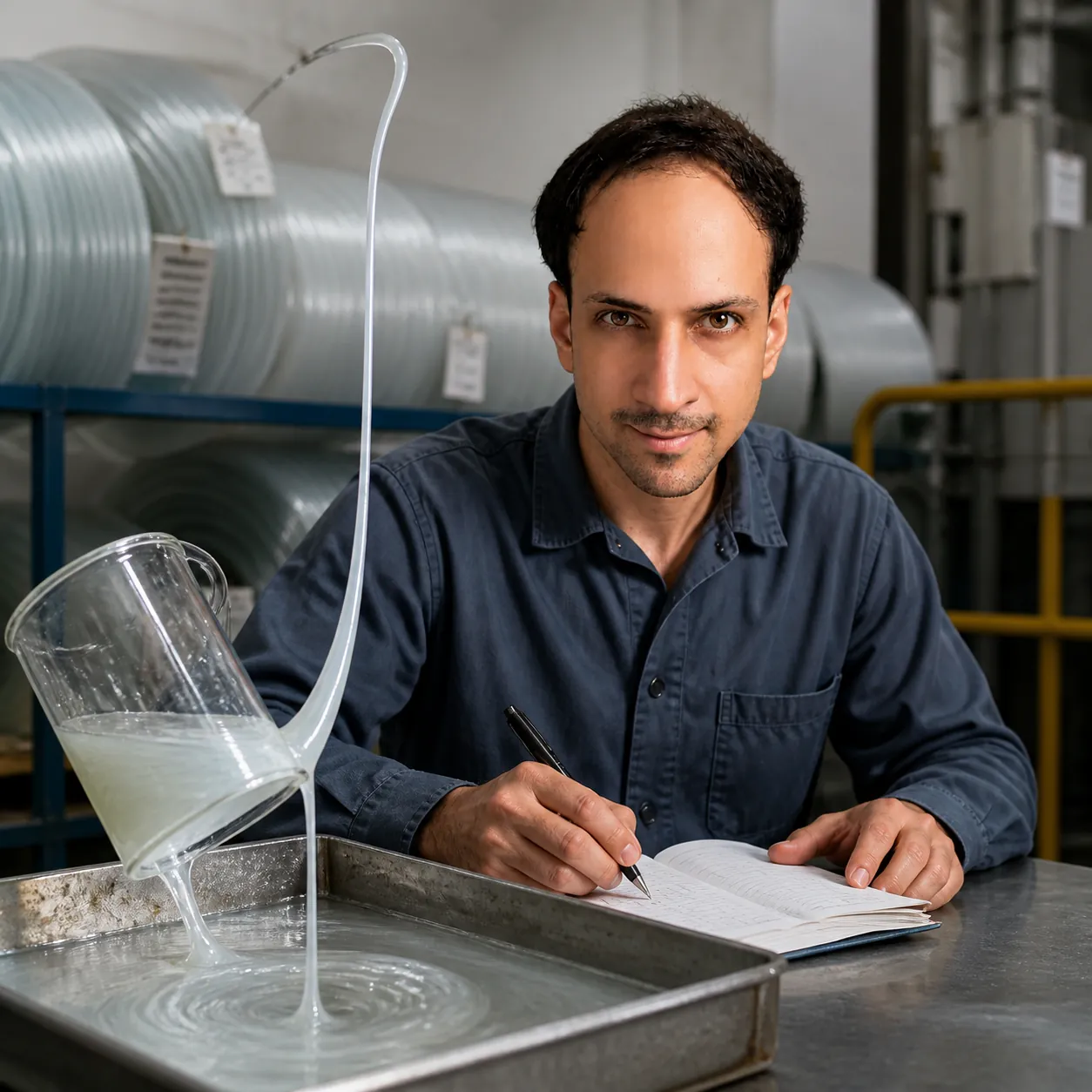
Use the attached reference photo as the identity reference: keep the same face, skin tone, hair and features as the person in that photo, without beautifying, aging or altering them. Create a square 1:1 museum-catalog frame with a strong first read and a slower second read at exactly 2880x2880 pixels. Location: a drained indoor pool hall, tiles echoing every small sound. Show the subject in a heather-grey sweatshirt and dark tapered work trousers, measuring a drop height against their own forearm. Build the artwork around this material rule: a chalk stick held by a long pendulum that sweeps a slate board in arcs growing slightly shorter each pass leaves authorship with gravity while the machine merely steadies the pen. Explore why an ending written into the drawing makes it more beautiful, not less; direct expression and posture toward quiet astonishment, never melodrama or ad-like confidence. Use an 85mm portrait distance with the freshest line of the drawing sharp in the foreground. Make the composition align the stillest object with the fastest line. Render it as gallery-grade demonstration photography built from lawful gravity-driven motion, physically exact trace geometry, quiet heritage interiors, and unforced human presence, using a single shaded bulb hung high, its cone stopping short of the walls and a palette of graphite, raw linen, and one deep bottle-green accent. Photorealistic: this must read as a real photograph from a physical camera, never an illustration, painting, or 3D render. Resolve real surface detail: hair with individual strands catching light, fine hairs of uneven length, and skin oil giving a low uneven sheen. Keep one identity-locked person, credible hands and fingers, natural fabric, and coherent scale, contact, reflections, shadows, airflow, deformation, and materials. Background people only when essential, always secondary and clearly different. Avoid hypnotist's watch iconography, perpetual-motion fantasy rigs, laser-perfect printed curves, cosmic nebula backdrops, and pendulums hung from nothing. No text, labels, logos, signatures, watermarks, random symbols, plastic skin, excessive bloom, or glossy AI finish.
The Self-Drawn Thread at Quality Control — AI Portrait Prompt
صورةAI Portraits

Turn your own photo into a portrait in a quality-control room in a polymer plant, extrudate coils tagged. Keeps your face unchanged.

من نص البرومبت

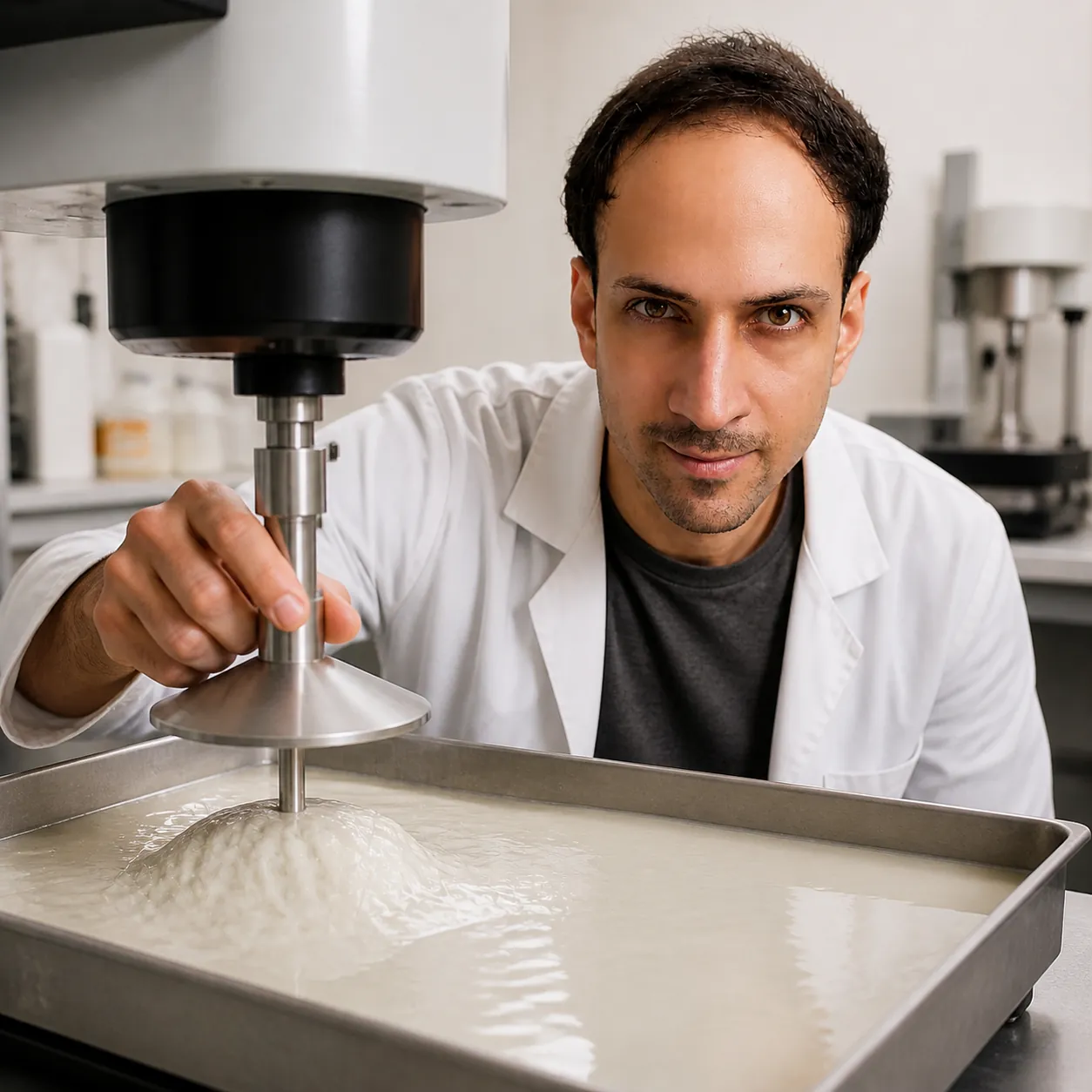
Use the attached reference photo as the identity reference: keep the same face, skin tone, hair and features as the person in that photo, without beautifying, aging or altering them. Create a square 1:1 museum-catalog frame with a strong first read and a slower second read at exactly 2880x2880 pixels. Location: a quality-control room in a polymer plant, extrudate coils tagged. Show the subject in a buttoned steel-blue overshirt with a flat chest pocket, logging one line in a bound record book. Treat this mechanism as the frame’s governing rule: a tilted beaker of elastic polymer liquid that keeps hauling itself over the rim in one unbroken self-drawn thread holds a small lawful contradiction still enough to be studied. Explore whether solid and liquid are things matter is or things matter does; direct expression and posture toward restrained delight, never melodrama or ad-like confidence. Use a restrained 35mm view from bench height, their hands and the demonstration sharing honest scale. Make the composition give the substance's reply the same visual weight as their face. Render it as conceptual materials-science portraiture combining working bench apparatus, truthful viscosity and yield behavior, restrained contemporary art direction, and human-centered editorial calm, using even skylit top light softened by white walls and honest shadow and a palette of chalk white, wet slate, and one seam of ochre. Photorealistic: this must read as a real photograph from a physical camera, never an illustration, painting, or 3D render. Resolve real surface detail: floor finish worn along the walked line, skirting marked at shoe height, and corners darker than the open floor. Keep one identity-locked person, credible hands and fingers, natural fabric, and coherent scale, contact, reflections, shadows, airflow, deformation, and materials. Background people only when essential, always secondary and clearly different. Avoid frozen splash crowns, CGI liquid-metal morphing, glowing sci-fi gels, food-fight mess on clothing, and impossible floating blobs. No text, labels, logos, signatures, watermarks, random symbols, plastic skin, excessive bloom, or glossy AI finish.
Cornstarch That Answers Back — AI Portrait Prompt
صورةAI Portraits

Turn your own photo into a portrait in a university rheology lab with a cone-and-plate instrument at rest. Keeps your face unchanged.

من نص البرومبت

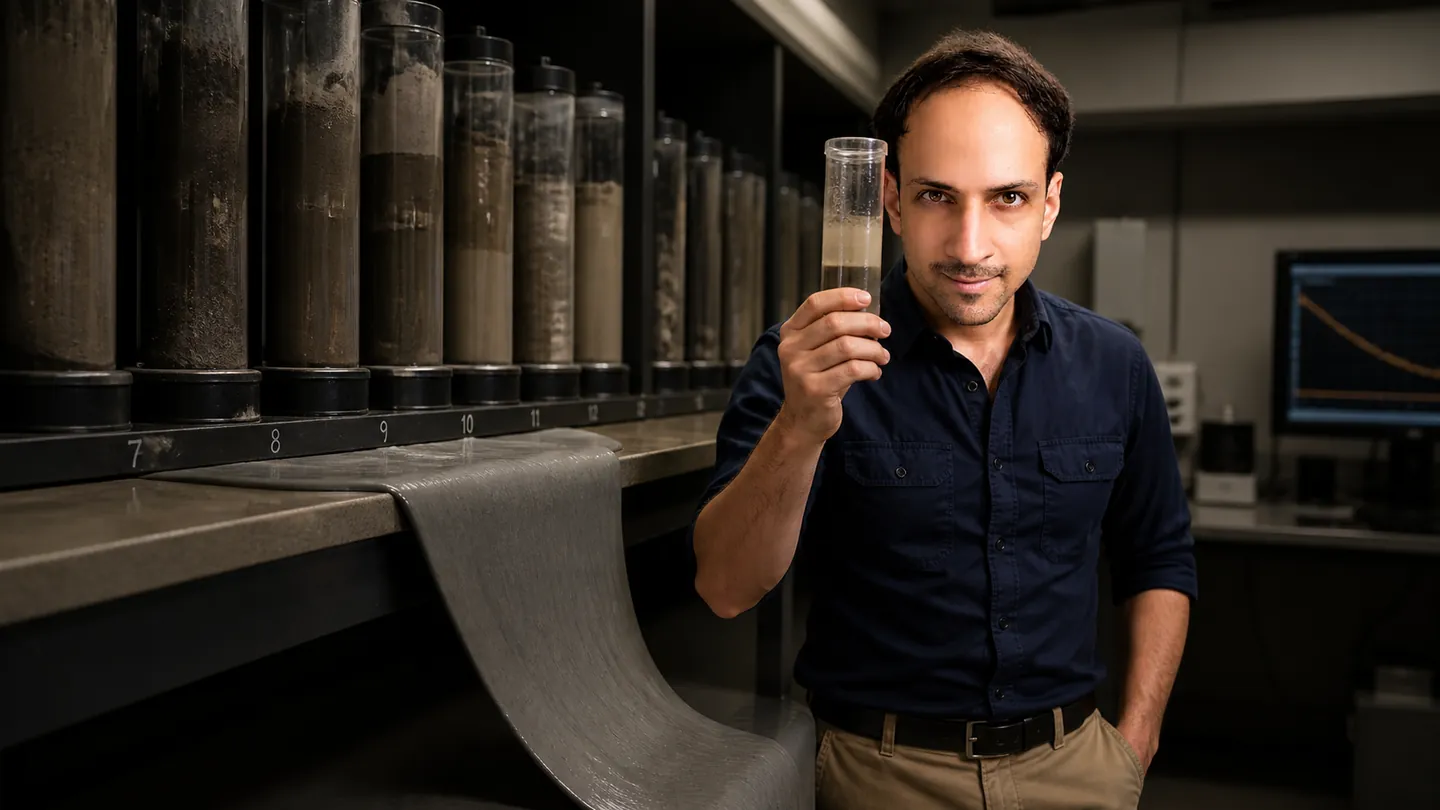
Use the attached reference photo as the identity reference: keep the same face, skin tone, hair and features as the person in that photo, without beautifying, aging or altering them. Create a square 1:1 museum-catalog frame with a strong first read and a slower second read at exactly 2880x2880 pixels. Location: a university rheology lab with a cone-and-plate instrument at rest. Show the subject in a white lab coat open over a dark grey crew-neck, lowering the instrument's cone with two careful fingers. Make one rigorous physical condition the conceptual engine: a wide steel tray of dense cornstarch suspension that carries their struck knuckles like pavement yet swallows their resting hand answers the manner of a force rather than its size. Explore why a liquid is entitled to behave like stone when questioned rudely; direct expression and posture toward measured astonishment, never melodrama or ad-like confidence. Use an eye-level 80mm medium-format viewpoint with honest perspective and gentle depth of field. Make the composition give the substance's reply the same visual weight as their face. Render it as precise rheological portrait realism grounded in laboratory-true material response, calm documentary texture, instrument-grade staging, and quietly humane composition, using even skylit top light softened by white walls and honest shadow and a palette of chalk white, wet slate, and one seam of ochre. Photorealistic: this must read as a real photograph from a physical camera, never an illustration, painting, or 3D render. Resolve real surface detail: true skin texture with pores and fine hair at the hairline, and fabric that creases where it is actually stressed. Keep one identity-locked person, credible hands and fingers, natural fabric, and coherent scale, contact, reflections, shadows, airflow, deformation, and materials. Background people only when essential, always secondary and clearly different. Avoid rainbow slime aesthetics, splattered goo on skin, speaker-driven paint splashes, and ASMR dripping close-ups. No text, labels, logos, signatures, watermarks, random symbols, plastic skin, excessive bloom, or glossy AI finish.
Overnight Putty Creep — AI Portrait Prompt
صورةAI Portraits

Turn your own photo into a portrait in a drilling-fluids test room with numbered sample columns on shelves. Keeps your face unchanged.

من نص البرومبت

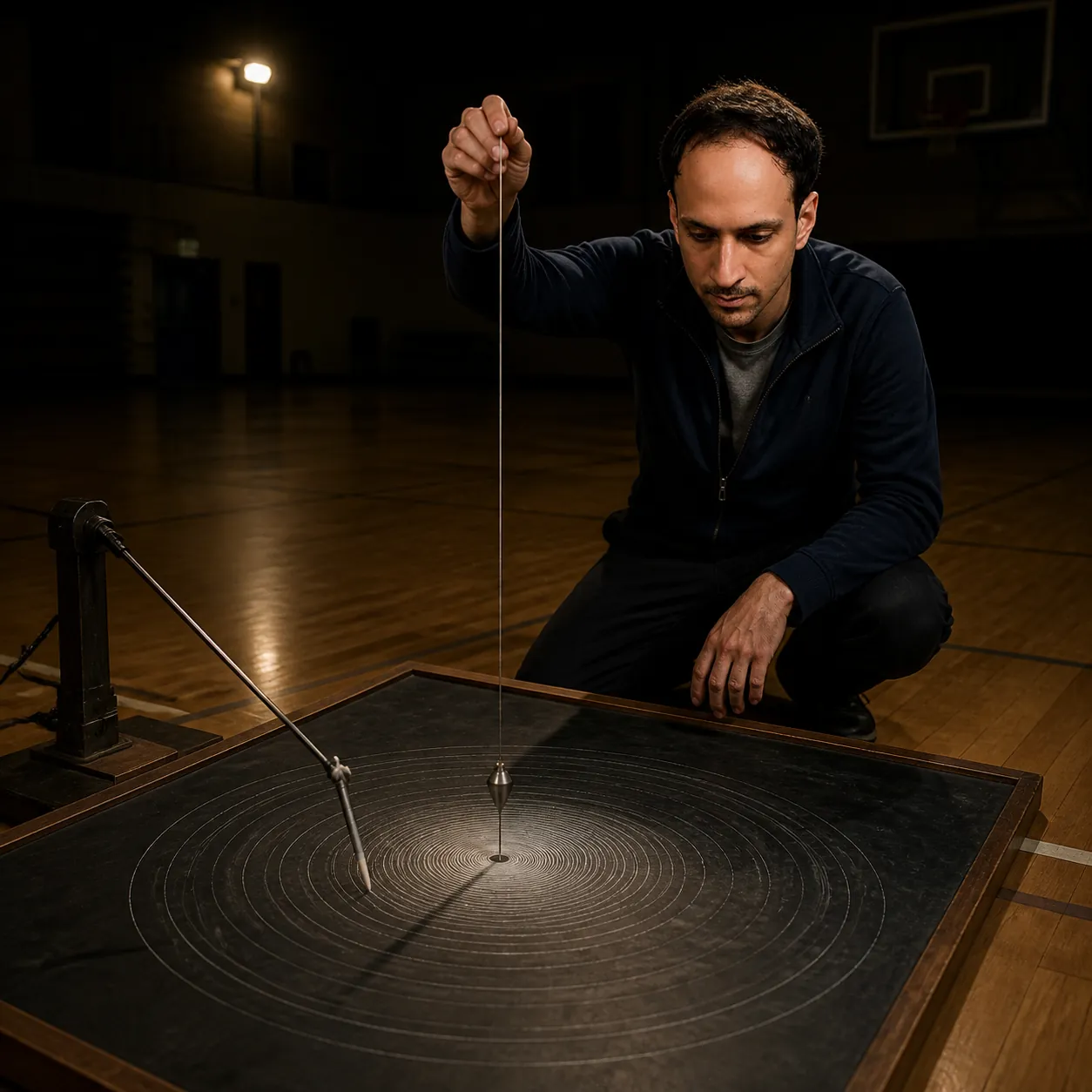
Use the attached reference photo as the identity reference: keep the same face, skin tone, hair and features as the person in that photo, without beautifying, aging or altering them. Compose a wide 16:9 narrative image where environment and subject carry equal meaning at exactly 3808x2144 pixels. Location: a drilling-fluids test room with numbered sample columns on shelves. Show the subject in pressed khaki field trousers and a navy technical shirt, holding one sample column up to the light. Build the artwork around this material rule: a bar of silicone bounce putty that has crept overnight across the shelf edge in one smooth unbroken glacier tongue treats speed as a question and stiffness as one possible answer. Explore whether patience is a property of minds or simply of timescales; direct expression and posture toward thoughtful reserve, never melodrama or ad-like confidence. Use an eye-level 80mm medium-format viewpoint with honest perspective and gentle depth of field. Make the composition give the substance's reply the same visual weight as their face. Render it as precise rheological portrait realism grounded in laboratory-true material response, calm documentary texture, instrument-grade staging, and quietly humane composition, using diffused overhead panels dimmed low enough to keep every reflection readable and a palette of pitch black, pale plaster, and one amber glint. Photorealistic: this must read as a real photograph from a physical camera, never an illustration, painting, or 3D render. Give truthful depth cues: overlapping planes and shadows softening as they travel. Resolve real surface detail: wood grain read at honest scale, matte and gloss clearly separated, and no surface uniformly clean. Keep one identity-locked person, credible hands and fingers, natural fabric, and coherent scale, contact, reflections, shadows, airflow, deformation, and materials. Background people only when essential, always secondary and clearly different. Avoid rainbow slime aesthetics, splattered goo on skin, speaker-driven paint splashes, and ASMR dripping close-ups. No text, labels, logos, signatures, watermarks, random symbols, plastic skin, excessive bloom, or glossy AI finish.
Chalk Arcs in the Gymnasium — AI Portrait Prompt
صورةAI Portraits

Turn your own photo into a kinetic-sculpture documentary portrait in a school gymnasium after hours, one court light left burning. Keeps your face unchanged.

من نص البرومبت

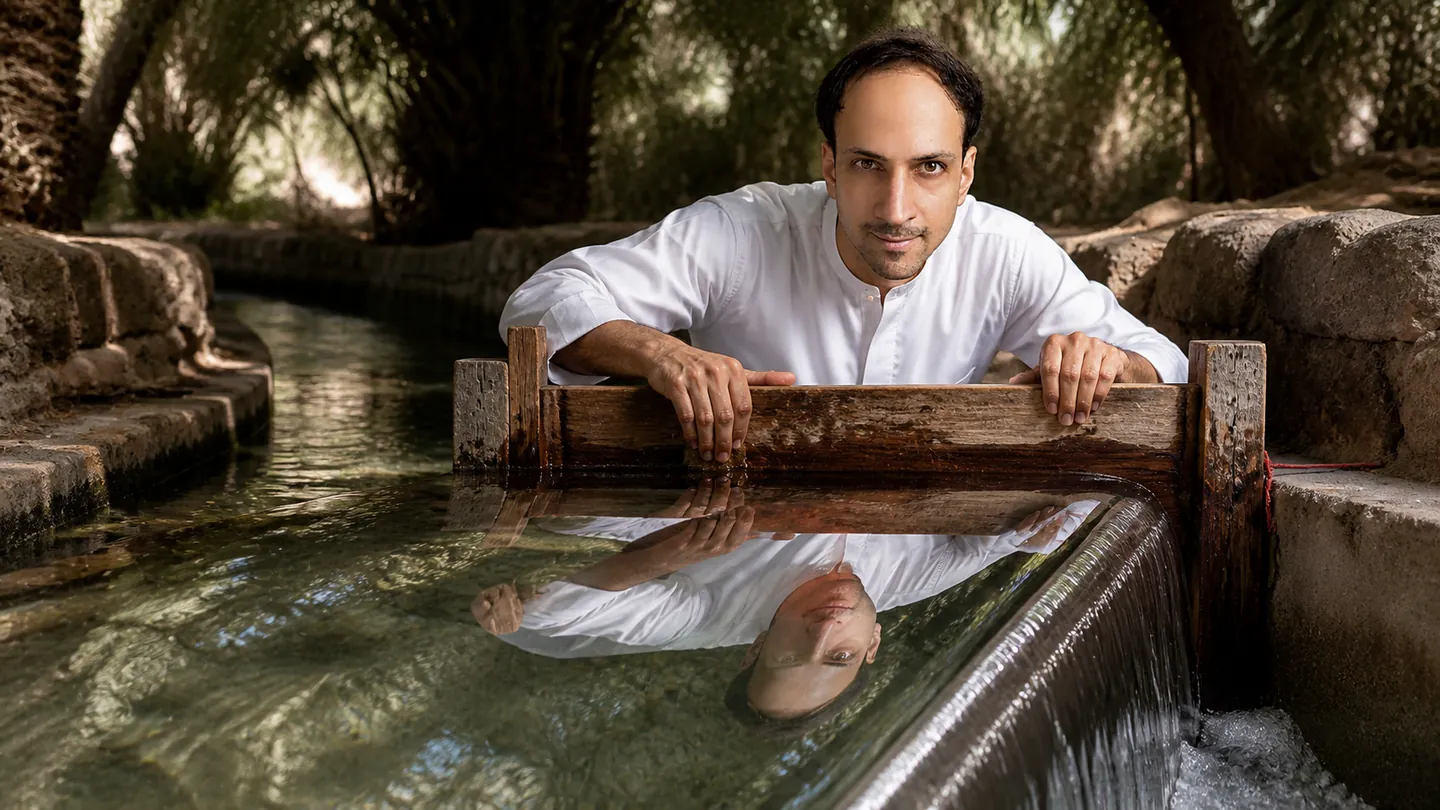
Use the attached reference photo as the identity reference: keep the same face, skin tone, hair and features as the person in that photo, without beautifying, aging or altering them. Create a square 1:1 museum-catalog frame with a strong first read and a slower second read at exactly 2880x2880 pixels. Location: a school gymnasium after hours, one court light left burning. Show the subject in a plain navy track jacket zipped over a grey tee, dropping a plumb line until the bob just clears the floor. The impossible-looking event must obey this clear system: a chalk stick held by a long pendulum that sweeps a slate board in arcs growing slightly shorter each pass turns the planet's steady pull into a signature anyone can read. Explore why an ending written into the drawing makes it more beautiful, not less; direct expression and posture toward attentive calm, never melodrama or ad-like confidence. Use a raised three-quarter viewpoint so the whole record and their bowed attention share one frame. Make the composition keep the suspension line visible from anchor to writing point. Render it as kinetic-sculpture documentary portraiture built from real pendulum apparatus, archival ink materiality, long-exposure honesty, and museum-quality restraint in every surface, using one low raking beam that lifts the trace into shallow relief and a palette of iron black, warm limewash, and a single indigo accent. Photorealistic: this must read as a real photograph from a physical camera, never an illustration, painting, or 3D render. Resolve real surface detail: brass darkened in the recesses and bright where thumbs land, and lacquer crazed rather than perfect. Keep one identity-locked person, credible hands and fingers, natural fabric, and coherent scale, contact, reflections, shadows, airflow, deformation, and materials. Background people only when essential, always secondary and clearly different. Avoid glowing neon spirograph swirls, levitating pens, CGI particle trails, sacred-geometry overlays, and face-smearing motion blur. No text, labels, logos, signatures, watermarks, random symbols, plastic skin, excessive bloom, or glossy AI finish.
Falaj Gate and the Mirror Weir — AI Portrait Prompt
صورةAI Portraits

Turn your own photo into a portrait in a restored stone falaj channel running clear through shaded farmland. Keeps your face unchanged.

من نص البرومبت

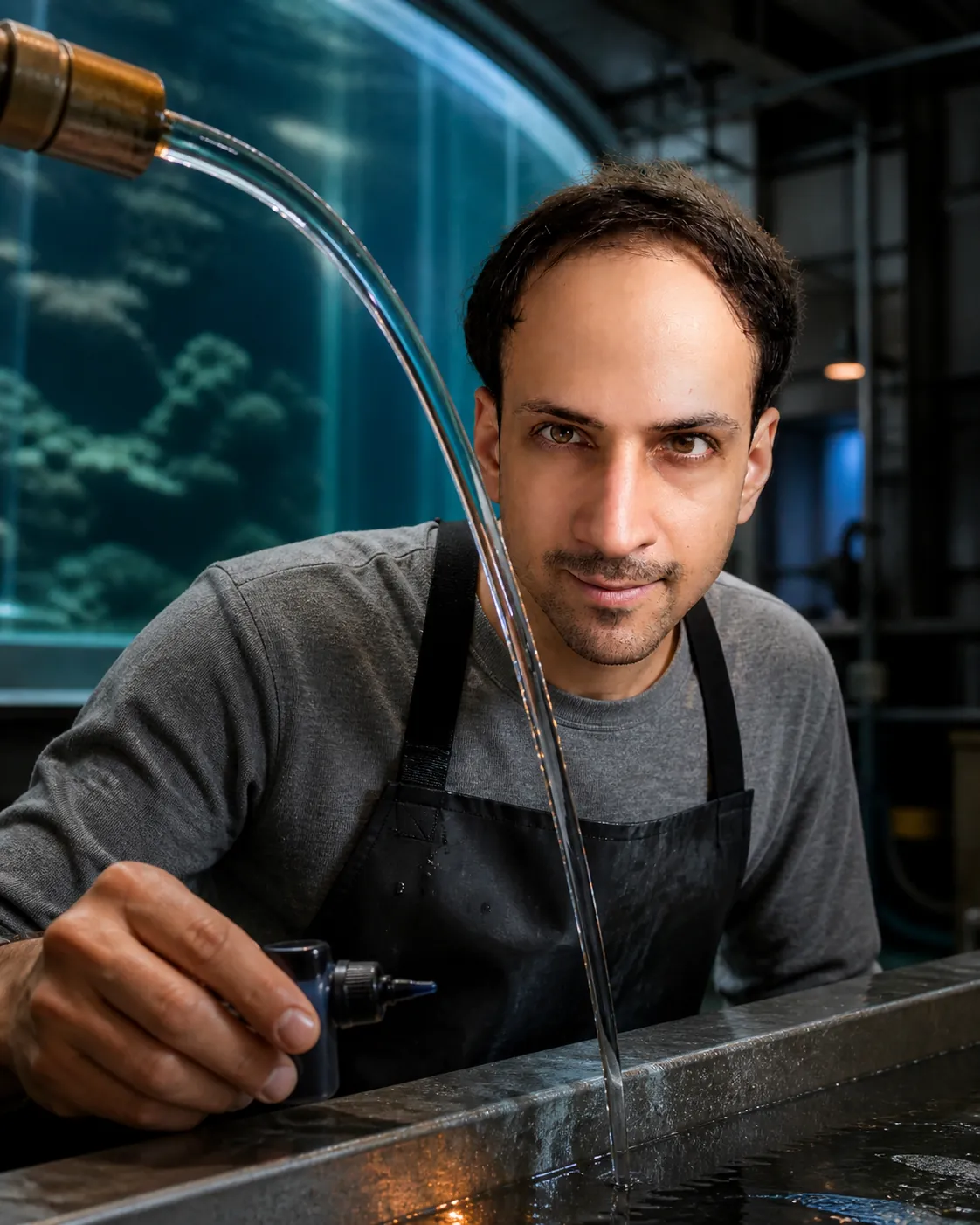
Use the attached reference photo as the identity reference: keep the same face, skin tone, hair and features as the person in that photo, without beautifying, aging or altering them. Compose a wide 16:9 narrative image where environment and subject carry equal meaning at exactly 3808x2144 pixels. Location: a restored stone falaj channel running clear through shaded farmland. Show the subject in a plain white traditional Gulf outfit with sleeves folded clear of the water, seating a worn wooden flow gate into its stone slots. The impossible-looking event must obey this clear system: a sheet of water that slides over a machined weir crest so evenly it holds one unbroken, believable reflection makes the flow's next moment as knowable as a drawn plan. Explore how a moving surface can hold an image that refuses to move; direct expression and posture toward settled awe, never melodrama or ad-like confidence. Frame along the water's surface at forearm height so the flow's edge and their gaze share one plane. Make the composition rhyme the water's curve with the line of their shoulders. Render it as high-concept flow portraiture staged with real laminar apparatus, calibrated documentary lighting, optically true refraction, and quietly intelligent restraint, using one low raking beam that turns every smooth surface into readable contour and a palette of wet slate, glass green, and one crimson thread. Photorealistic: this must read as a real photograph from a physical camera, never an illustration, painting, or 3D render. Give the frame volume: faint density deepest in the room, contrast easing at the edges. Resolve real surface detail: grout darker than tile, sealant slightly yellowed, and every joint showing a real tolerance gap. Keep one identity-locked person, credible hands and fingers, natural fabric, and coherent scale, contact, reflections, shadows, airflow, deformation, and materials. Background people only when essential, always secondary and clearly different. Avoid splash crowns, suspended droplet sprays, chrome CGI liquid, neon glowing water, and fantasy water-bending gestures. No text, labels, logos, signatures, watermarks, random symbols, plastic skin, excessive bloom, or glossy AI finish.
Laminar Jet Behind the Aquarium — AI Portrait Prompt
صورةAI Portraits

Turn your own photo into a portrait in a service gallery behind an aquarium's tall acrylic viewing wall. Keeps your face unchanged.

من نص البرومبت

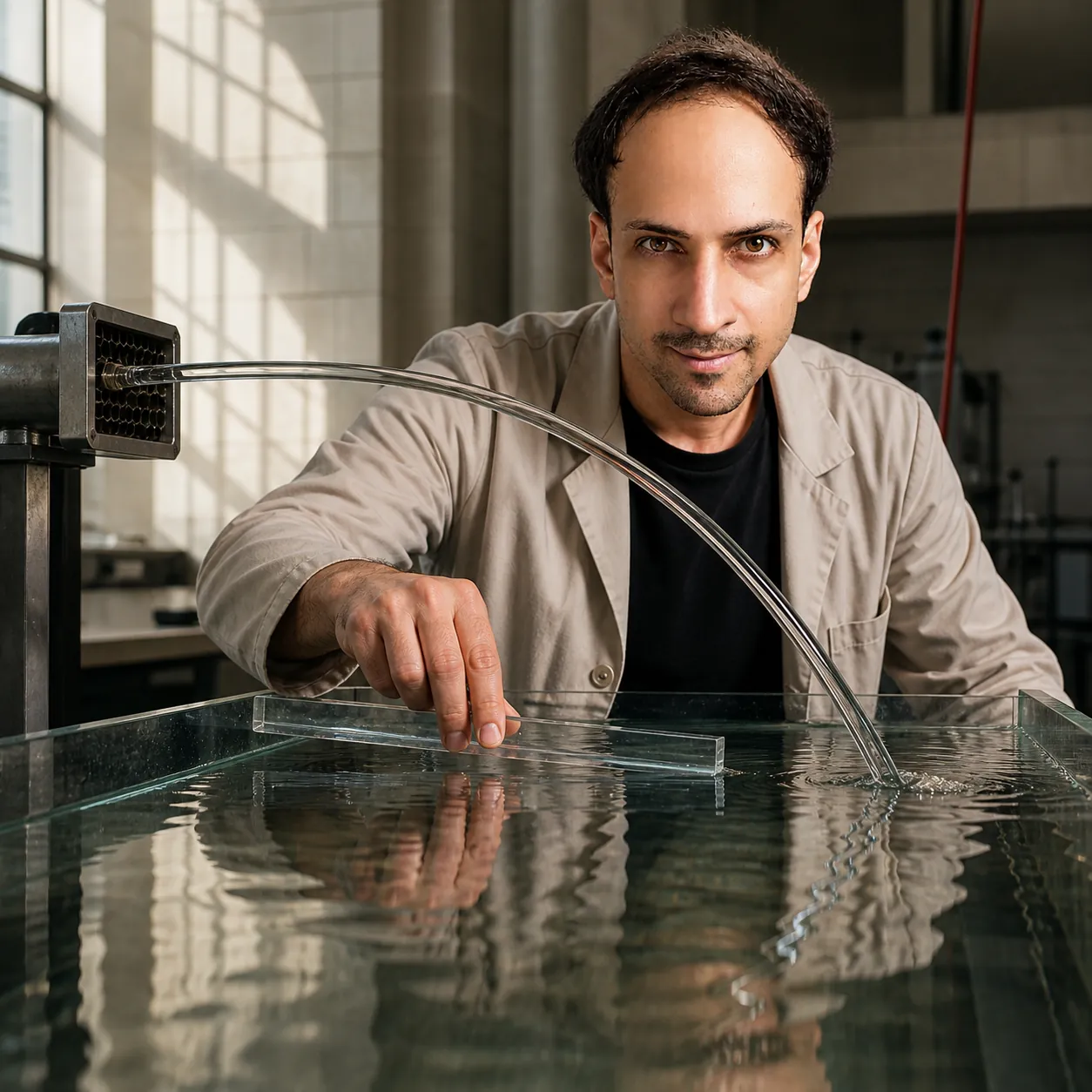
Use the attached reference photo as the identity reference: keep the same face, skin tone, hair and features as the person in that photo, without beautifying, aging or altering them. Build a portrait 4:5 editorial artwork with protected negative space and a fully readable face at exactly 2560x3200 pixels. Location: a service gallery behind an aquarium's tall acrylic viewing wall. Show the subject in a dark rubberized apron over a heather-grey long-sleeve tee, steadying a small dye bottle above a filling trough. Build the artwork around this material rule: an arc of water from a honeycomb-straightened nozzle that stands so clear and still it reads as a rod of bent glass brings the quiet authority of an equation within reach of their hand. Explore why water that keeps perfect order looks more impossible than water in chaos; direct expression and posture toward settled awe, never melodrama or ad-like confidence. Use a 90mm close-portrait hybrid: one smooth stream sharp near the lens and their face readable beyond it. Make the composition give the dye's edge more acuity than any highlight. Render it as large-format hydro-engineering portraiture built from real channel flows, precise wet-metal detailing, truthful surface optics, and patient documentary framing, using cool diffuse daylight with a single warm practical reflected in wet metal and a palette of soft pewter, unglazed clay, and a cold aqua accent. Photorealistic: this must read as a real photograph from a physical camera, never an illustration, painting, or 3D render. Resolve real surface detail: fine lint on dark fabric, water spotting on steel, and the soft rounding of edges that have been used for years. Keep one identity-locked person, credible hands and fingers, natural fabric, and coherent scale, contact, reflections, shadows, airflow, deformation, and materials. Background people only when essential, always secondary and clearly different. Avoid splash crowns, suspended droplet sprays, chrome CGI liquid, neon glowing water, and fantasy water-bending gestures. No text, labels, logos, signatures, watermarks, random symbols, plastic skin, excessive bloom, or glossy AI finish.
Glass-Rod Water in the Flume Lab — AI Portrait Prompt
صورةAI Portraits

Turn your own photo into a portrait in a fluid-dynamics teaching lab built around one long clear flume. Keeps your face unchanged.

من نص البرومبت

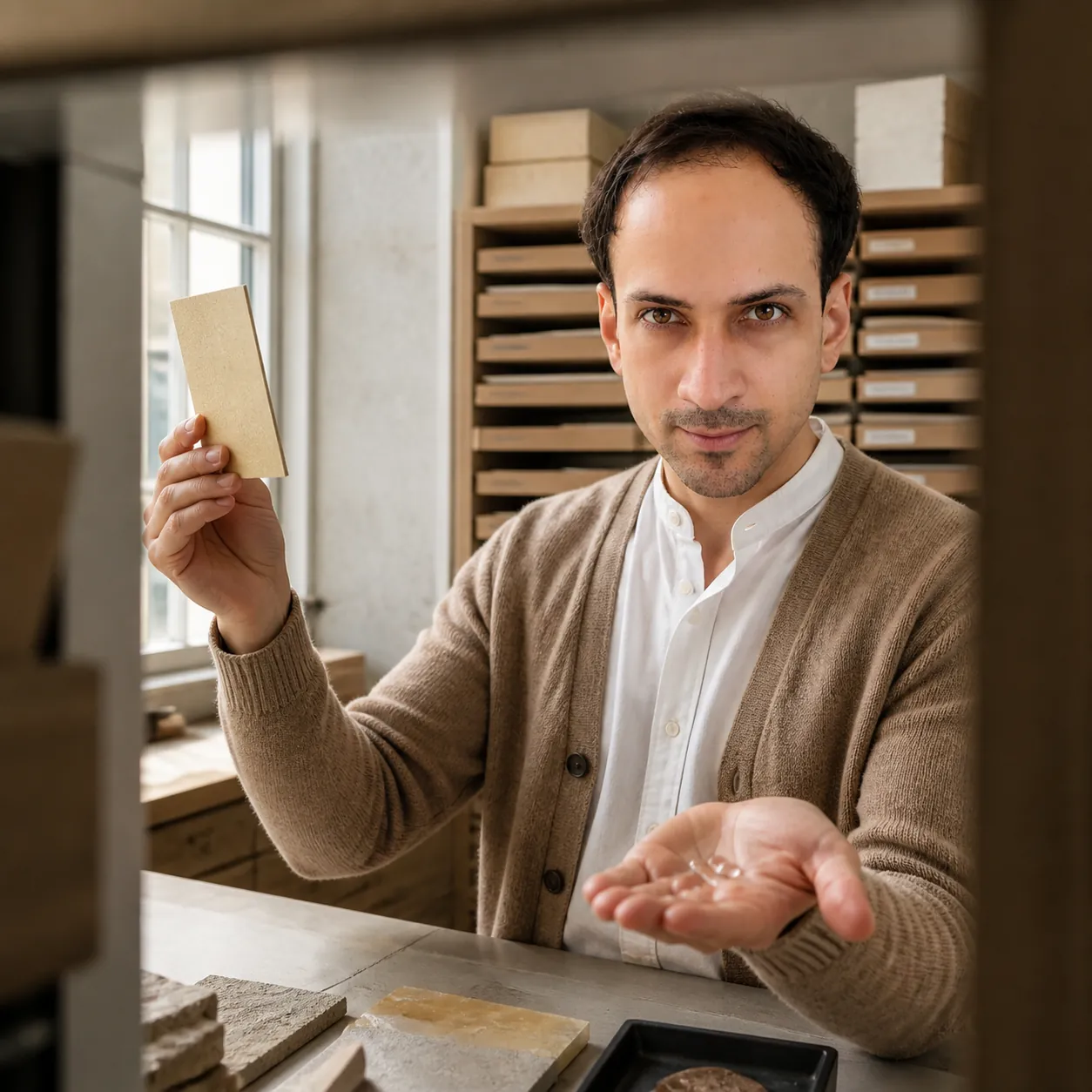
Use the attached reference photo as the identity reference: keep the same face, skin tone, hair and features as the person in that photo, without beautifying, aging or altering them. Create a square 1:1 museum-catalog frame with a strong first read and a slower second read at exactly 2880x2880 pixels. Location: a fluid-dynamics teaching lab built around one long clear flume. Show the subject in a putty-colored lab coat open over a plain black tee, skimming the flume's surface with a clear acrylic straightedge. Make one rigorous physical condition the conceptual engine: an arc of water from a honeycomb-straightened nozzle that stands so clear and still it reads as a rod of bent glass gives a normally chaotic process one legible, patient, watchable form. Explore why water that keeps perfect order looks more impossible than water in chaos; direct expression and posture toward level wonder, never melodrama or ad-like confidence. Use an eye-level 60mm medium-format viewpoint with honest perspective and gently limited depth of field. Make the composition let one unbroken waterline run the frame's full width. Render it as high-concept flow portraiture staged with real laminar apparatus, calibrated documentary lighting, optically true refraction, and quietly intelligent restraint, using clean skylight softly refracted through moving water onto pale stone and a palette of wet slate, glass green, and one crimson thread. Photorealistic: this must read as a real photograph from a physical camera, never an illustration, painting, or 3D render. Resolve real surface detail: true skin texture with pores and fine hair at the hairline, and fabric that creases where it is actually stressed. Keep one identity-locked person, credible hands and fingers, natural fabric, and coherent scale, contact, reflections, shadows, airflow, deformation, and materials. Background people only when essential, always secondary and clearly different. Avoid splash crowns, suspended droplet sprays, chrome CGI liquid, neon glowing water, and fantasy water-bending gestures. No text, labels, logos, signatures, watermarks, random symbols, plastic skin, excessive bloom, or glossy AI finish.
Liquid Marbles in the Materials Library — AI Portrait Prompt
صورةAI Portraits

Turn your own photo into a photorealistic portrait in a daylight materials library lined with labeled swatch drawers. Keeps your face unchanged.

من نص البرومبت

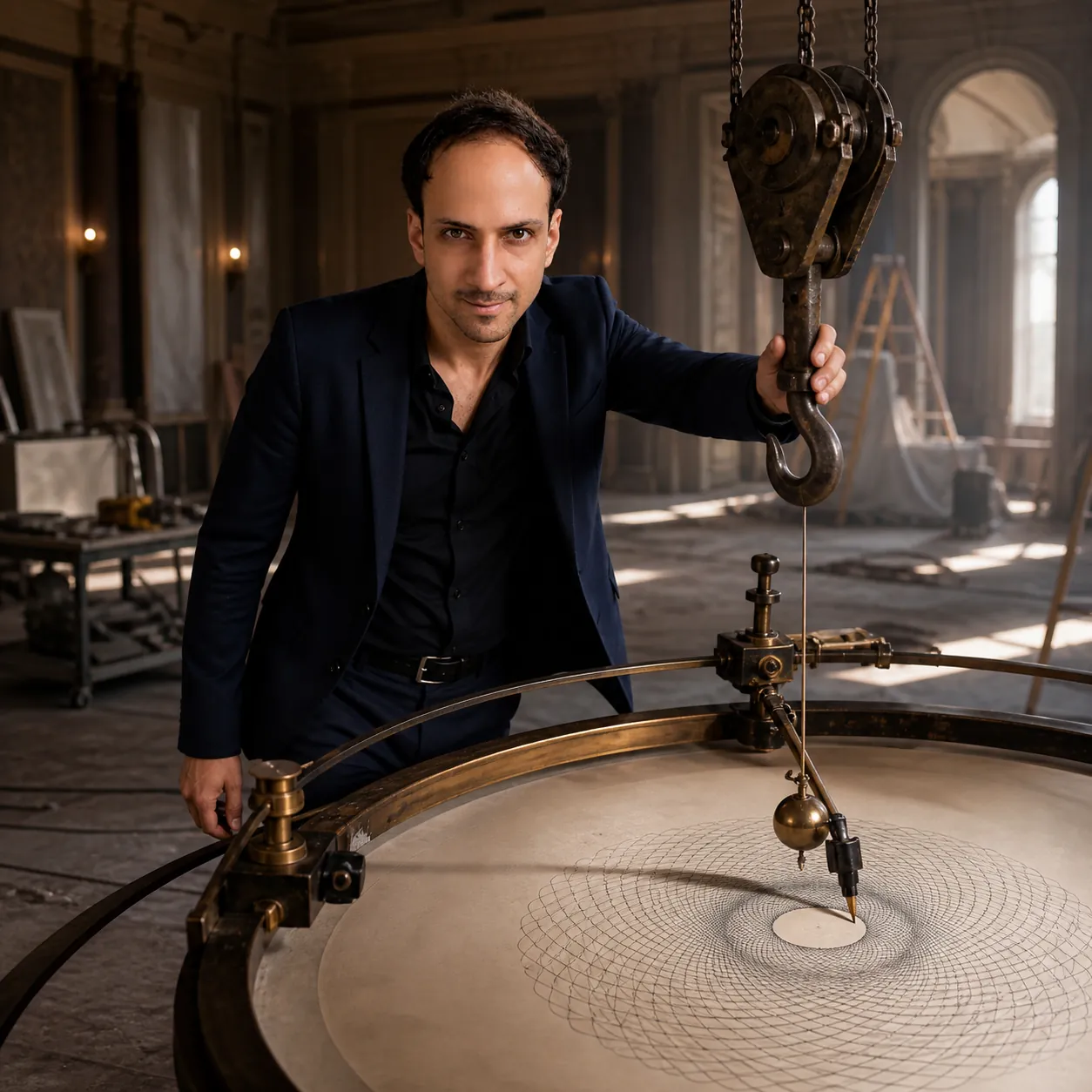
Use the attached reference photo as the identity reference: keep the same face, skin tone, hair and features as the person in that photo, without beautifying, aging or altering them. Create a square 1:1 museum-catalog frame with a strong first read and a slower second read at exactly 2880x2880 pixels. Location: a daylight materials library lined with labeled swatch drawers. Show the subject in a camel knit cardigan over a white band-collar shirt, matching one swatch card against the window light. Use this advanced image-making device as the core logic: a scatter of liquid marbles, water droplets whose jacket of fine hydrophobic powder lets them roll across their bare palm proves that texture too small to see decides what water may touch. Explore whether refusal, held long enough, becomes a form of care; direct expression and posture toward studied stillness, never melodrama or ad-like confidence. Frame through a real doorway or shelf edge, foreground soft, the person and the water both sharp. Make the composition hold generous negative space above the water's smallest detail. Render it as conceptual materials-lab portraiture pairing believable coatings, true droplet behavior, restrained contemporary art direction, and warm human documentary presence, using soft overcast skylight with shadows opened by one matte white bounce and a palette of pale cement, warm oat, and one measure of saffron. Photorealistic: this must read as a real photograph from a physical camera, never an illustration, painting, or 3D render. Resolve real surface detail: rubber gone chalky with age, painted metal chipped to primer, and plastic yellowed only where light reaches it. Keep one identity-locked person, credible hands and fingers, natural fabric, and coherent scale, contact, reflections, shadows, airflow, deformation, and materials. Background people only when essential, always secondary and clearly different. Avoid cartoon dewdrop gloss, rainbow refraction overload, levitating water blobs, spiritual lotus kitsch, and hoses spraying dramatic mist. No text, labels, logos, signatures, watermarks, random symbols, plastic skin, excessive bloom, or glossy AI finish.
Ballroom Under Renovation — AI Portrait Prompt
صورةAI Portraits

Turn your own photo into a slow-apparatus editorial portrait in a hotel ballroom mid-renovation, its chandelier lowered and gone. Keeps your face unchanged.

من نص البرومبت

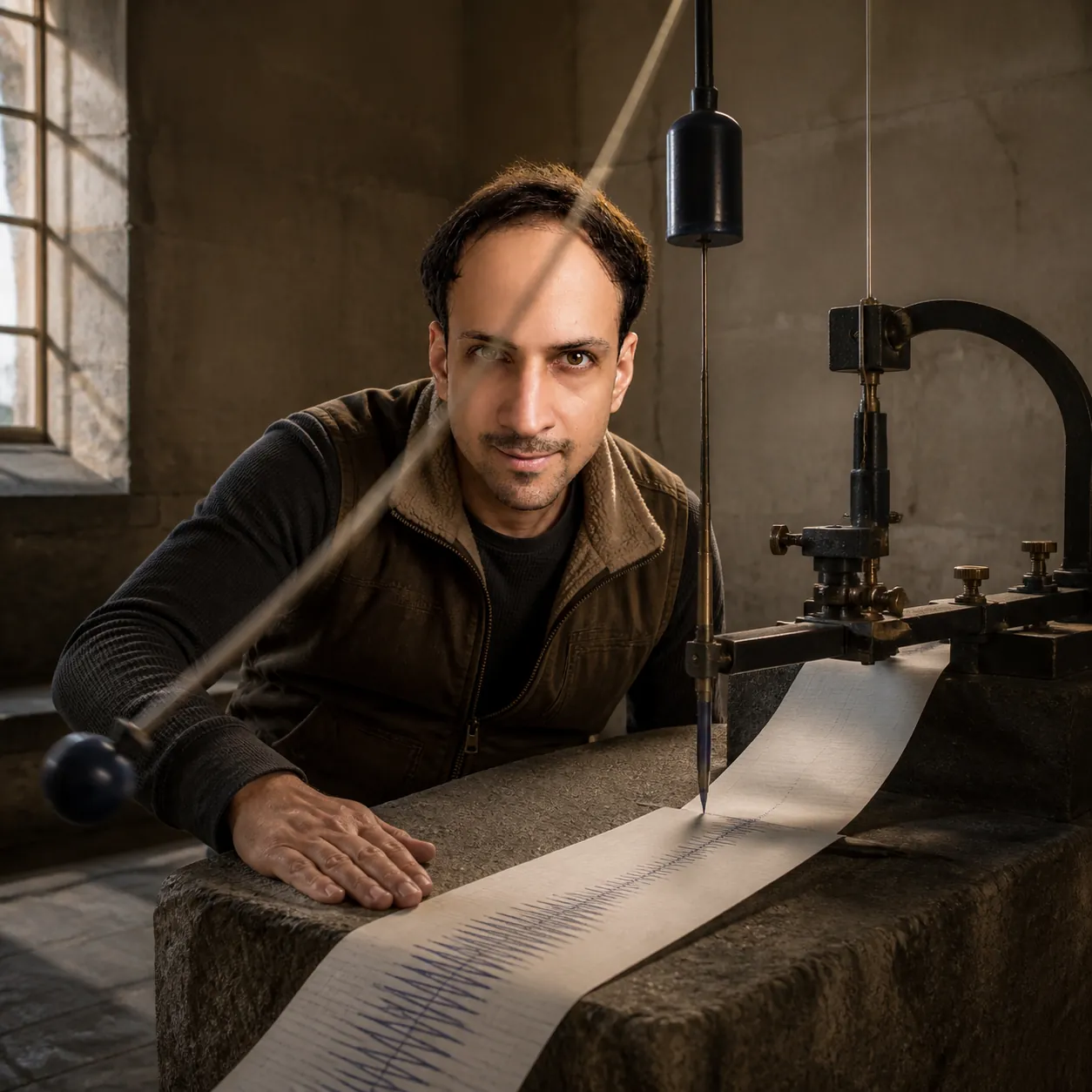
Use the attached reference photo as the identity reference: keep the same face, skin tone, hair and features as the person in that photo, without beautifying, aging or altering them. Create a square 1:1 museum-catalog frame with a strong first read and a slower second read at exactly 2880x2880 pixels. Location: a hotel ballroom mid-renovation, its chandelier lowered and gone. Show the subject in a midnight-blue suit worn without a tie, collar open, guiding the empty hoist hook to a dead stop. Build the artwork around this material rule: a rotary harmonograph whose gimbaled pendulum circles the paper table slowly beneath a second pendulum's laterally swinging pen turns the planet's steady pull into a signature anyone can read. Explore what friction is writing when every lap comes back slightly smaller; direct expression and posture toward solemn delight, never melodrama or ad-like confidence. Use an 85mm portrait distance with the freshest line of the drawing sharp in the foreground. Make the composition grant the drawing more area than the person. Render it as slow-apparatus editorial realism combining working drawing machines, honest wear on tools, accurate suspended-mass behavior, and reserved contemporary art direction, using late window light crossing the floor at a long shallow angle and a palette of lamp-soot black, unbleached paper, and one line of brass. Photorealistic: this must read as a real photograph from a physical camera, never an illustration, painting, or 3D render. Resolve real surface detail: label-free packaging showing carton fibre, cardboard bruised at the corners, and tape lifting slightly at one end. Keep one identity-locked person, credible hands and fingers, natural fabric, and coherent scale, contact, reflections, shadows, airflow, deformation, and materials. Background people only when essential, always secondary and clearly different. Avoid glowing neon spirograph swirls, levitating pens, CGI particle trails, sacred-geometry overlays, and face-smearing motion blur. No text, labels, logos, signatures, watermarks, random symbols, plastic skin, excessive bloom, or glossy AI finish.
Seismograph of Gravity — AI Portrait Prompt
صورةAI Portraits

Turn your own photo into a gallery-grade demonstration portrait in a seismic observatory vault, instruments resting on bedrock piers. Keeps your face unchanged.

من نص البرومبت

Use the attached reference photo as the identity reference: keep the same face, skin tone, hair and features as the person in that photo, without beautifying, aging or altering them. Create a square 1:1 museum-catalog frame with a strong first read and a slower second read at exactly 2880x2880 pixels. Location: a seismic observatory vault, instruments resting on bedrock piers. Show the subject in a fleece-lined canvas vest over a long-sleeved thermal shirt, dusting a bedrock pier with the side of their hand. Use this advanced image-making device as the core logic: a swinging ink pen over a paper strip that a descending weight pulls steadily, writing one long decaying wave leaves authorship with gravity while the machine merely steadies the pen. Explore whether patience is a virtue here or simply the machine's operating speed; direct expression and posture toward modest pride, never melodrama or ad-like confidence. Frame from across the pendulum's plane so its arc crosses the foreground and their face stays clear. Make the composition hold one unfinished pass mid-stroke at the frame's edge. Render it as gallery-grade demonstration photography built from lawful gravity-driven motion, physically exact trace geometry, quiet heritage interiors, and unforced human presence, using late window light crossing the floor at a long shallow angle and a palette of iron black, warm limewash, and a single indigo accent. Photorealistic: this must read as a real photograph from a physical camera, never an illustration, painting, or 3D render. Resolve real surface detail: rubber gone chalky with age, painted metal chipped to primer, and plastic yellowed only where light reaches it. Keep one identity-locked person, credible hands and fingers, natural fabric, and coherent scale, contact, reflections, shadows, airflow, deformation, and materials. Background people only when essential, always secondary and clearly different. Avoid hypnotist's watch iconography, perpetual-motion fantasy rigs, laser-perfect printed curves, cosmic nebula backdrops, and pendulums hung from nothing. No text, labels, logos, signatures, watermarks, random symbols, plastic skin, excessive bloom, or glossy AI finish.
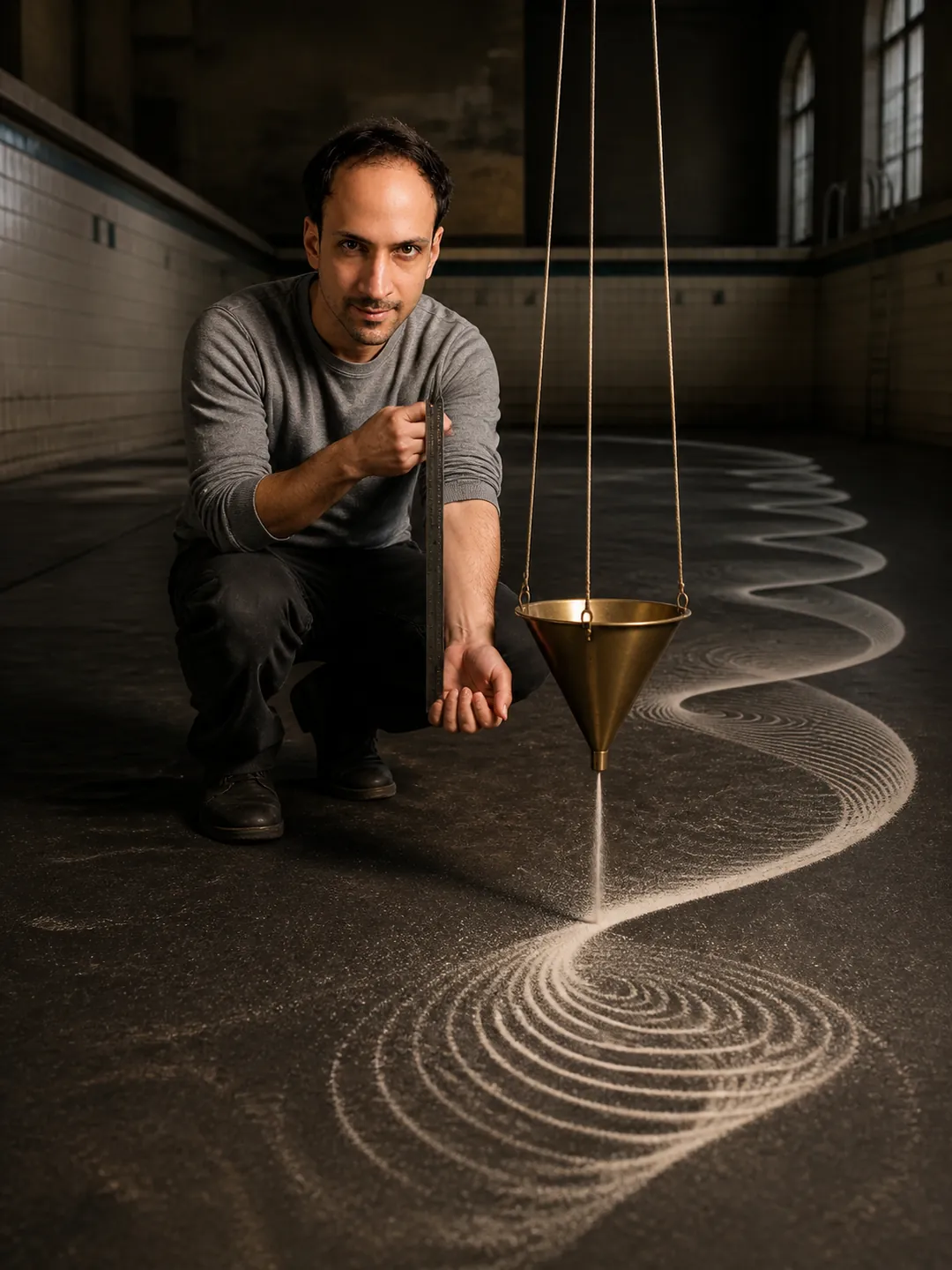
Sand Pendulum in the Drained Pool Hall — AI Portrait Prompt
صورةAI Portraits

Turn your own photo into a kinetic-sculpture documentary portrait in a drained indoor pool hall, tiles echoing every small sound. Keeps your face unchanged.

من نص البرومبت

Use the attached reference photo as the identity reference: keep the same face, skin tone, hair and features as the person in that photo, without beautifying, aging or altering them. Use a formal 3:4 environmental portrait with complete hands and meaningful objects inside frame at exactly 2480x3312 pixels. Location: a drained indoor pool hall, tiles echoing every small sound. Show them in a heather-grey sweatshirt and dark tapered work trousers, measuring a drop height against their own forearm. The impossible-looking event must obey this clear system: a brass funnel of white sand that swings on long cords, pouring its own path onto a dark floor puts down a mark that no living hand ever touches. Explore how much credit a person deserves for a drawing they only set in motion; direct expression and posture toward modest pride, never melodrama or ad-like confidence. Frame at the height of the swinging mass so the trace recedes in true perspective. Make the composition hold one unfinished pass mid-stroke at the frame's edge. Render it as kinetic-sculpture documentary portraiture built from real pendulum apparatus, archival ink materiality, long-exposure honesty, and museum-quality restraint in every surface, using one low raking beam that lifts the trace into shallow relief and a palette of lamp-soot black, unbleached paper, and one line of brass. Photorealistic: this must read as a real photograph from a physical camera, never an illustration, painting, or 3D render. Resolve real surface detail: hair with individual strands catching light, short hairs of uneven length, and skin oil giving a low uneven sheen. Keep one identity-locked person, credible hands and fingers, natural fabric, and coherent scale, contact, reflections, shadows, airflow, deformation, and materials. Background people only when essential, always secondary and clearly different. Avoid hypnotist's watch iconography, perpetual-motion fantasy rigs, laser-perfect printed curves, cosmic nebula backdrops, and pendulums hung from nothing. No text, labels, logos, signatures, watermarks, random symbols, plastic skin, excessive bloom, or glossy AI finish.
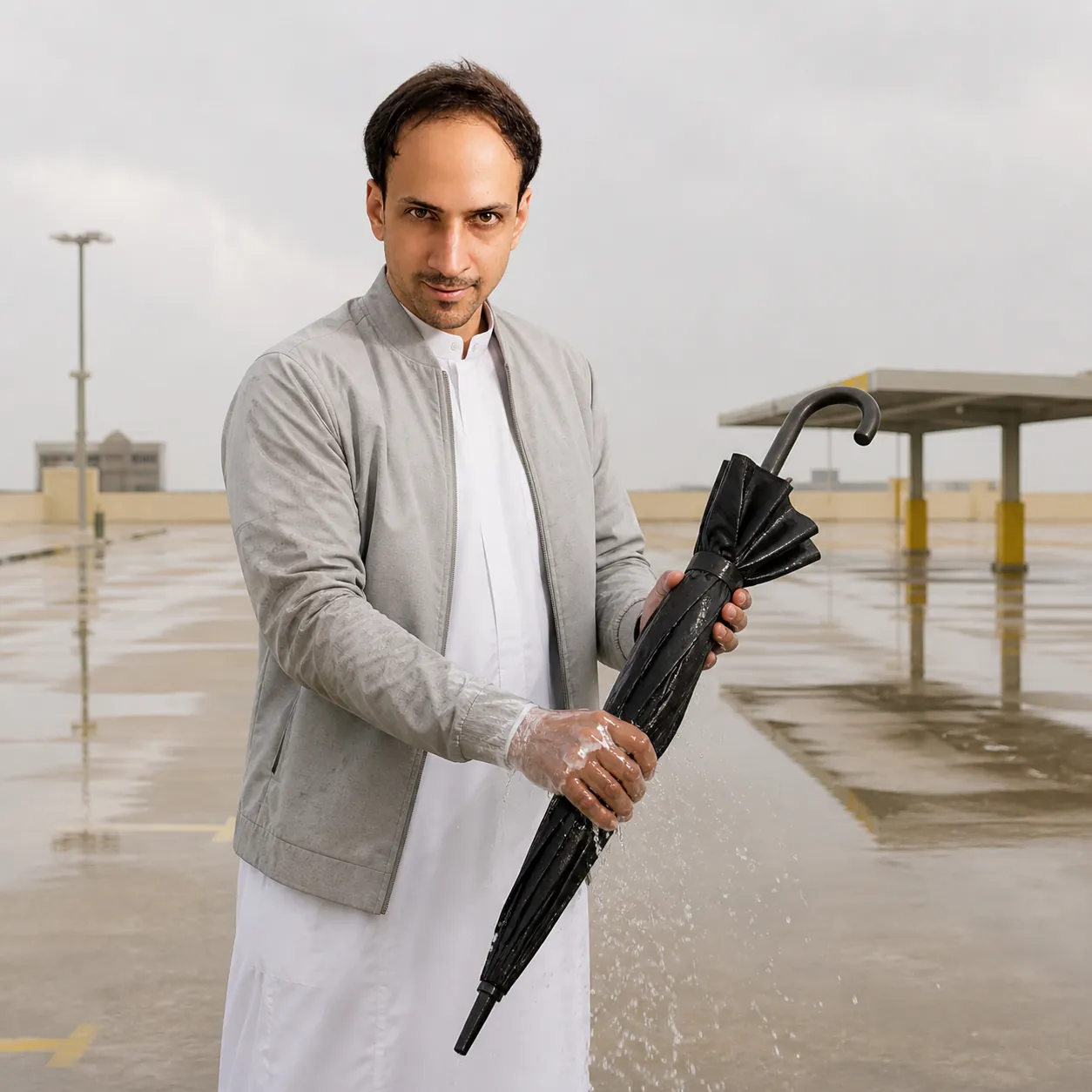
Silver Air Hand After Rain — AI Portrait Prompt
صورةAI Portraits

Turn your own photo into a museum-grade demonstration portrait in an open-air car park just after Riyadh's first brief rain. Keeps your face unchanged.

من نص البرومبت

Use the attached reference photo as the identity reference: keep the same face, skin tone, hair and features as the person in that photo, without beautifying, aging or altering them. Create a square 1:1 museum-catalog frame with a strong first read and a slower second read at exactly 2880x2880 pixels. Location: an open-air car park just after Riyadh's first brief rain. Show the subject in a plain white traditional Gulf outfit under a light grey jacket, closing an umbrella and shaking it once. Treat this mechanism as the frame’s governing rule: a coated hand submerged to the wrist that stays wrapped in a mirror-bright film of trapped air proves that texture too small to see decides what water may touch. Explore how dryness can be engineered as deliberately as any built structure; direct expression and posture toward gentle disbelief, never melodrama or ad-like confidence. Frame level with the work surface so the water's silhouette reads clean against the room. Make the composition hold generous negative space above the water's smallest detail. Render it as museum-grade demonstration realism combining faithful contact-angle physics, tactile fabric and metal surfaces, honest water optics, and unhurried portrait photography, using soft overcast skylight with shadows opened by one matte white bounce and a palette of pale cement, warm oat, and one measure of saffron. Photorealistic: this must read as a real photograph from a physical camera, never an illustration, painting, or 3D render. Resolve real surface detail: leather creased along the lines of use, stitching slightly irregular, and edges burnished from contact. Keep one identity-locked person, credible hands and fingers, natural fabric, and coherent scale, contact, reflections, shadows, airflow, deformation, and materials. Background people only when essential, always secondary and clearly different. Avoid cartoon dewdrop gloss, rainbow refraction overload, levitating water blobs, spiritual lotus kitsch, and hoses spraying dramatic mist. No text, labels, logos, signatures, watermarks, random symbols, plastic skin, excessive bloom, or glossy AI finish.
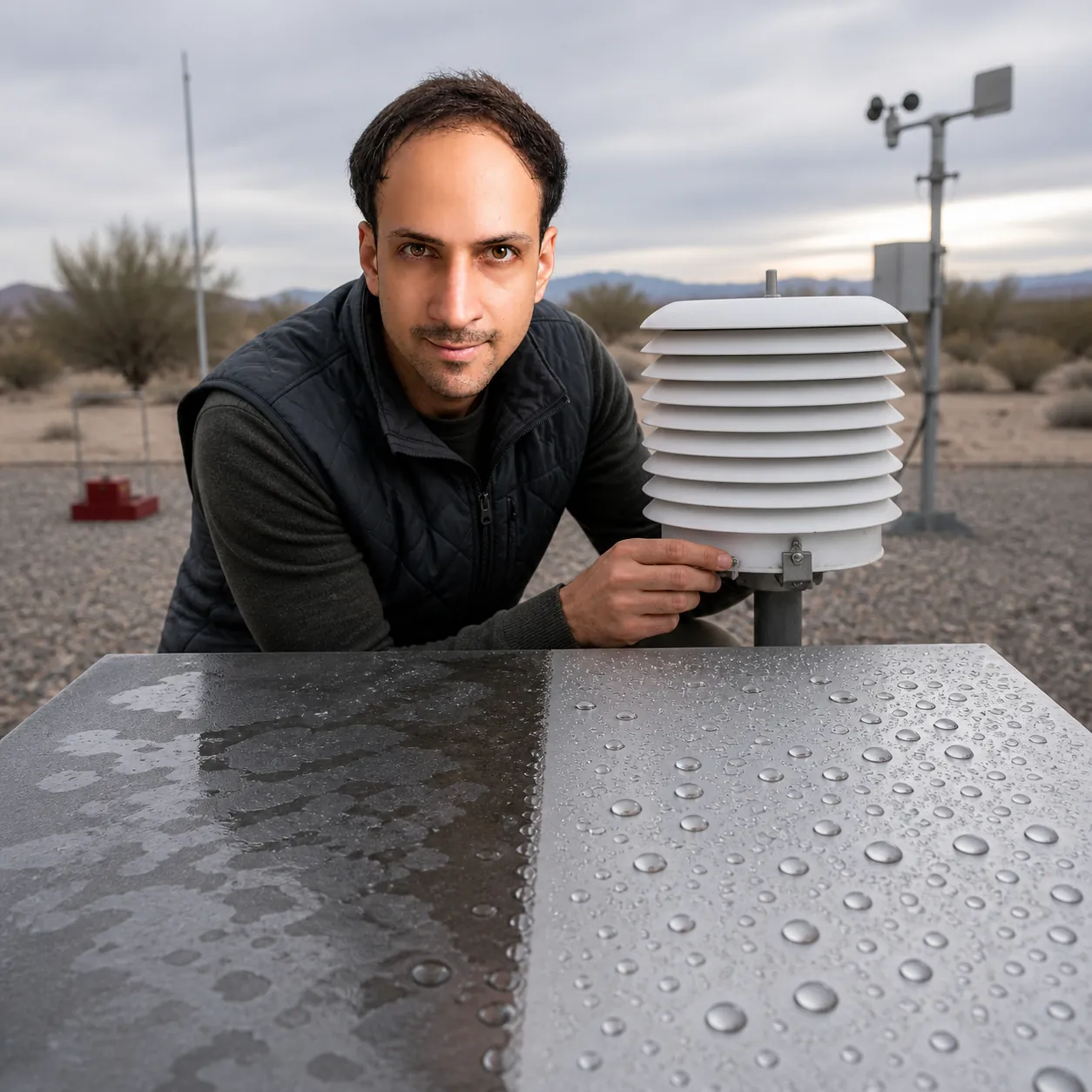
The Wet-Dry Line at Dawn — AI Portrait Prompt
صورةAI Portraits

Turn your own photo into a gallery-grade applied-physics portrait in the gravel apron of a desert weather station at first light. Keeps your face unchanged.

من نص البرومبت

Use the attached reference photo as the identity reference: keep the same face, skin tone, hair and features as the person in that photo, without beautifying, aging or altering them. Create a square 1:1 museum-catalog frame with a strong first read and a slower second read at exactly 2880x2880 pixels. Location: the gravel apron of a desert weather station at first light. Show the subject in a quilted charcoal vest over a warm base layer, latching the louvered instrument screen shut gently. Build the artwork around this material rule: a steel plate coated on one half only, where identical droplets sprawl flat or stand as spheres across one machined line turns refusal into something the eye can verify at arm's length. Explore whether a boundary kept perfectly is a wall or a kindness; direct expression and posture toward patient scrutiny, never melodrama or ad-like confidence. Use a restrained 35mm environmental view with them at one third and the demonstration at the other. Make the composition align their eye line with the border between wet and dry. Render it as gallery-grade applied-physics photography built from working water demonstrations, matte industrial styling, physically correct highlights, and long-held observational framing, using soft overcast skylight with shadows opened by one matte white bounce and a palette of slate grey, chalk white, and one madder-red note. Photorealistic: this must read as a real photograph from a physical camera, never an illustration, painting, or 3D render. Resolve real surface detail: label-free packaging showing carton fibre, cardboard bruised at the corners, and tape lifting slightly at one end. Keep one identity-locked person, credible hands and fingers, natural fabric, and coherent scale, contact, reflections, shadows, airflow, deformation, and materials. Background people only when essential, always secondary and clearly different. Avoid CGI chrome water, crown-splash stock shots, glowing droplets, force-field ripples, and glycerin beads faked on every surface. No text, labels, logos, signatures, watermarks, random symbols, plastic skin, excessive bloom, or glossy AI finish.
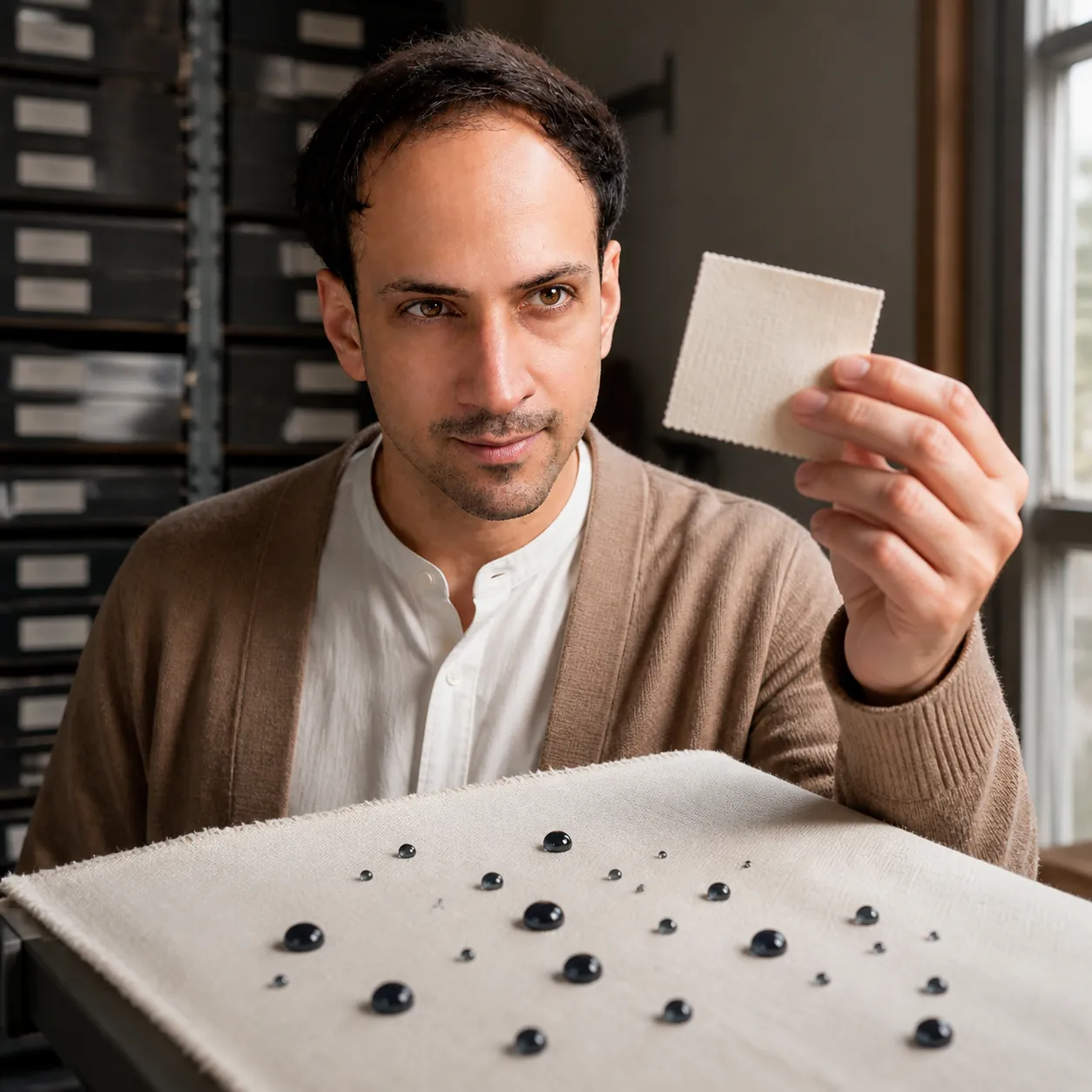
Water-Shedding Cotton in the Library — AI Portrait Prompt
صورةAI Portraits

Turn your own photo into a gallery-grade applied-physics portrait in a daylight materials library lined with labeled swatch drawers. Keeps your face unchanged.

من نص البرومبت

Use the attached reference photo as the identity reference: keep the same face, skin tone, hair and features as the person in that photo, without beautifying, aging or altering them. Create a square 1:1 museum-catalog frame with a strong first read and a slower second read at exactly 2880x2880 pixels. Location: a daylight materials library lined with labeled swatch drawers. Show the subject in a camel knit cardigan over a white band-collar shirt, matching one swatch card against the window light. The impossible-looking event must obey this clear system: a panel of white cotton whose treated weave sheds ink-dark droplets whole and stays bone dry beneath them turns refusal into something the eye can verify at arm's length. Explore what water becomes in a world where nothing will absorb it; direct expression and posture toward reverent precision, never melodrama or ad-like confidence. Use a 90mm macro-to-portrait hybrid: the water's nearest detail sharp by the lens, their face readable beyond it. Make the composition keep the room austere so the water is the only event. Render it as gallery-grade applied-physics photography built from working water demonstrations, matte industrial styling, physically correct highlights, and long-held observational framing, using clean side-window daylight that keeps every highlight on the water small and honest and a palette of matte graphite, unglazed clay, and a quiet viridian accent. Photorealistic: this must read as a real photograph from a physical camera, never an illustration, painting, or 3D render. Resolve real surface detail: glass with real thickness at its edge, reflections that carry the room's actual colour, and dust visible only at grazing angles. Keep one identity-locked person, credible hands and fingers, natural fabric, and coherent scale, contact, reflections, shadows, airflow, deformation, and materials. Background people only when essential, always secondary and clearly different. Avoid CGI chrome water, crown-splash stock shots, glowing droplets, force-field ripples, and glycerin beads faked on every surface. No text, labels, logos, signatures, watermarks, random symbols, plastic skin, excessive bloom, or glossy AI finish.
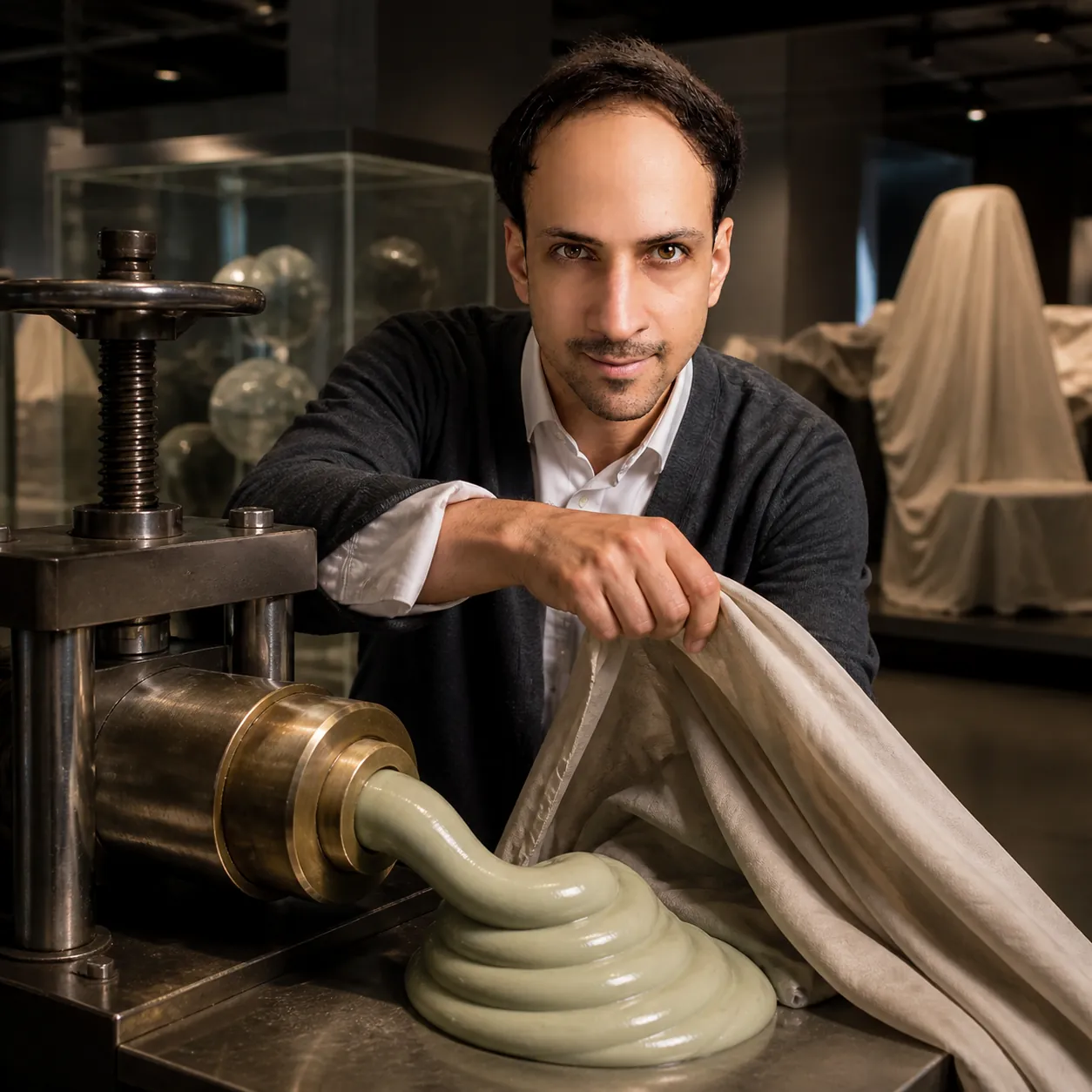
Die Swell Before the Doors Open — AI Portrait Prompt
صورةAI Portraits

Turn your own photo into a portrait in a science-center demonstration hall before opening, its exhibits still sheeted. Keeps your face unchanged.

من نص البرومبت

Use the attached reference photo as the identity reference: keep the same face, skin tone, hair and features as the person in that photo, without beautifying, aging or altering them. Create a square 1:1 museum-catalog frame with a strong first read and a slower second read at exactly 2880x2880 pixels. Location: a science-center demonstration hall before opening, its exhibits still sheeted. Show the subject in a slate cardigan over a pressed white shirt, folding one dust sheet back over their forearm. Build the artwork around this material rule: a hand press whose slowly emerging cord of soft polymer swells visibly wider than its polished brass die holds a small lawful contradiction still enough to be studied. Explore how a substance decides, without a mind, which of its selves to present; direct expression and posture toward earned respect, never melodrama or ad-like confidence. Frame from just above the work surface so the material's decision and their eyes sit in one plane of focus. Make the composition anchor the brightest highlight on the material, never on them. Render it as conceptual materials-science portraiture combining working bench apparatus, truthful viscosity and yield behavior, restrained contemporary art direction, and human-centered editorial calm, using one low raking key across the fluid surface with soft neutral fill and a palette of mud brown, brushed steel, and muted glass green. Photorealistic: this must read as a real photograph from a physical camera, never an illustration, painting, or 3D render. Resolve real surface detail: hair with individual strands catching light, fine hairs of uneven length, and skin oil giving a low uneven sheen. Keep one identity-locked person, credible hands and fingers, natural fabric, and coherent scale, contact, reflections, shadows, airflow, deformation, and materials. Background people only when essential, always secondary and clearly different. Avoid frozen splash crowns, CGI liquid-metal morphing, glowing sci-fi gels, food-fight mess on clothing, and impossible floating blobs. No text, labels, logos, signatures, watermarks, random symbols, plastic skin, excessive bloom, or glossy AI finish.
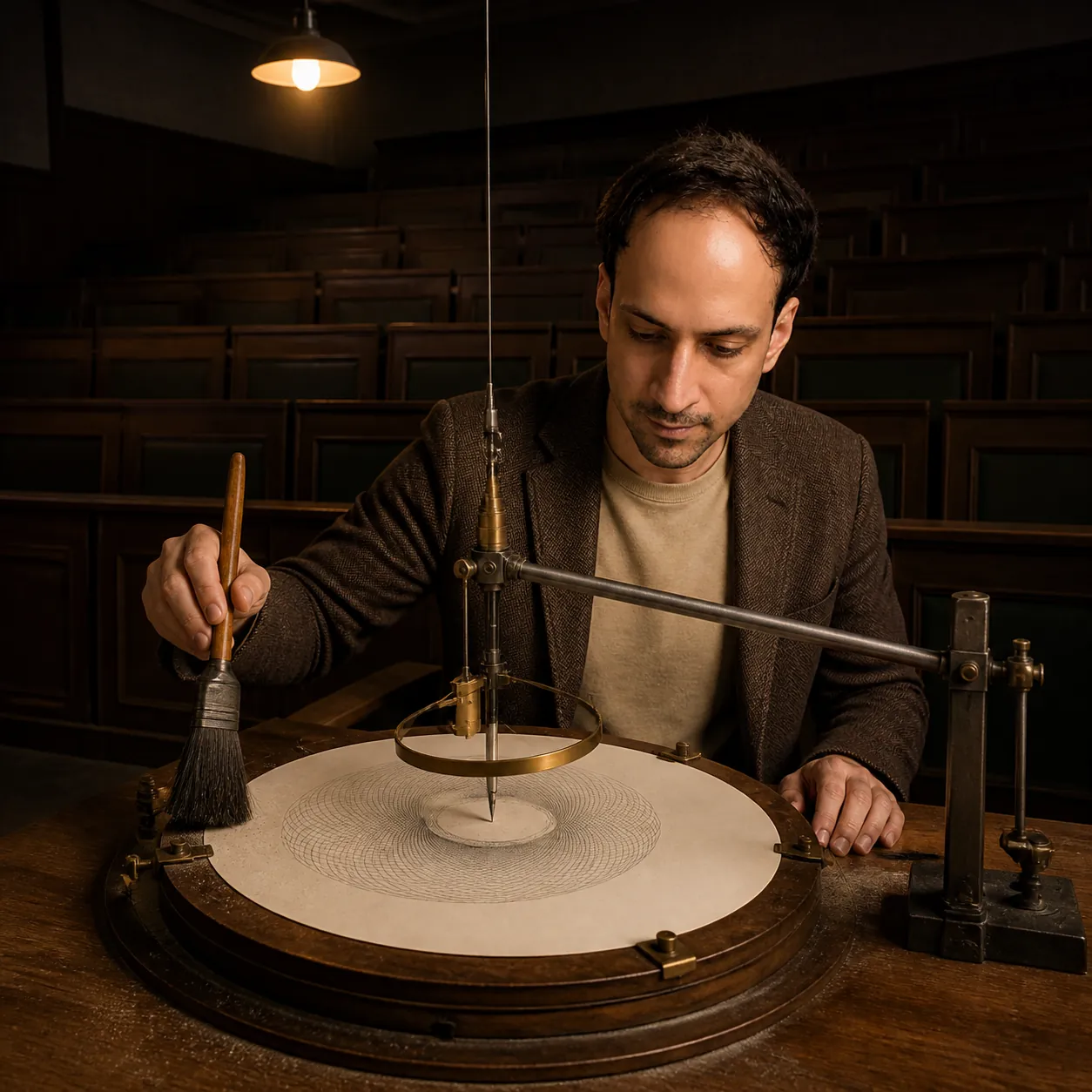
Rotary Harmonograph in the Lecture Hall — AI Portrait Prompt
صورةAI Portraits

Turn your own photo into a scientific-instrument portrait in a tiered university lecture hall, empty seats rising into shadow. Keeps your face unchanged.

من نص البرومبت

Use the attached reference photo as the identity reference: keep the same face, skin tone, hair and features as the person in that photo, without beautifying, aging or altering them. Create a square 1:1 museum-catalog frame with a strong first read and a slower second read at exactly 2880x2880 pixels. Location: a tiered university lecture hall, empty seats rising into shadow. Show the subject in a brown herringbone blazer over a plain sand-colored shirt, brushing dust from the bench top with a wide soft brush. The impossible-looking event must obey this clear system: a rotary harmonograph whose gimbaled pendulum circles the paper table slowly beneath a second pendulum's laterally swinging pen leaves authorship with gravity while the machine merely steadies the pen. Explore what friction is writing when every lap comes back slightly smaller; direct expression and posture toward unhurried reverence, never melodrama or ad-like confidence. Use a raised three-quarter viewpoint so the whole record and their bowed attention share one frame. Make the composition align the stillest object with the fastest line. Render it as scientific-instrument realism combining believable weighted mechanisms, truthful decaying traces, hand-finished wood and brass, and patient observational portrait photography, using a single shaded bulb hung high, its cone stopping short of the walls and a palette of graphite, raw linen, and one deep bottle-green accent. Photorealistic: this must read as a real photograph from a physical camera, never an illustration, painting, or 3D render. Resolve real surface detail: condensation beading at true size, liquid meniscus curving against glass, and wet surfaces darker than dry ones. Keep one identity-locked person, credible hands and fingers, natural fabric, and coherent scale, contact, reflections, shadows, airflow, deformation, and materials. Background people only when essential, always secondary and clearly different. Avoid hypnotist's watch iconography, perpetual-motion fantasy rigs, laser-perfect printed curves, cosmic nebula backdrops, and pendulums hung from nothing. No text, labels, logos, signatures, watermarks, random symbols, plastic skin, excessive bloom, or glossy AI finish.
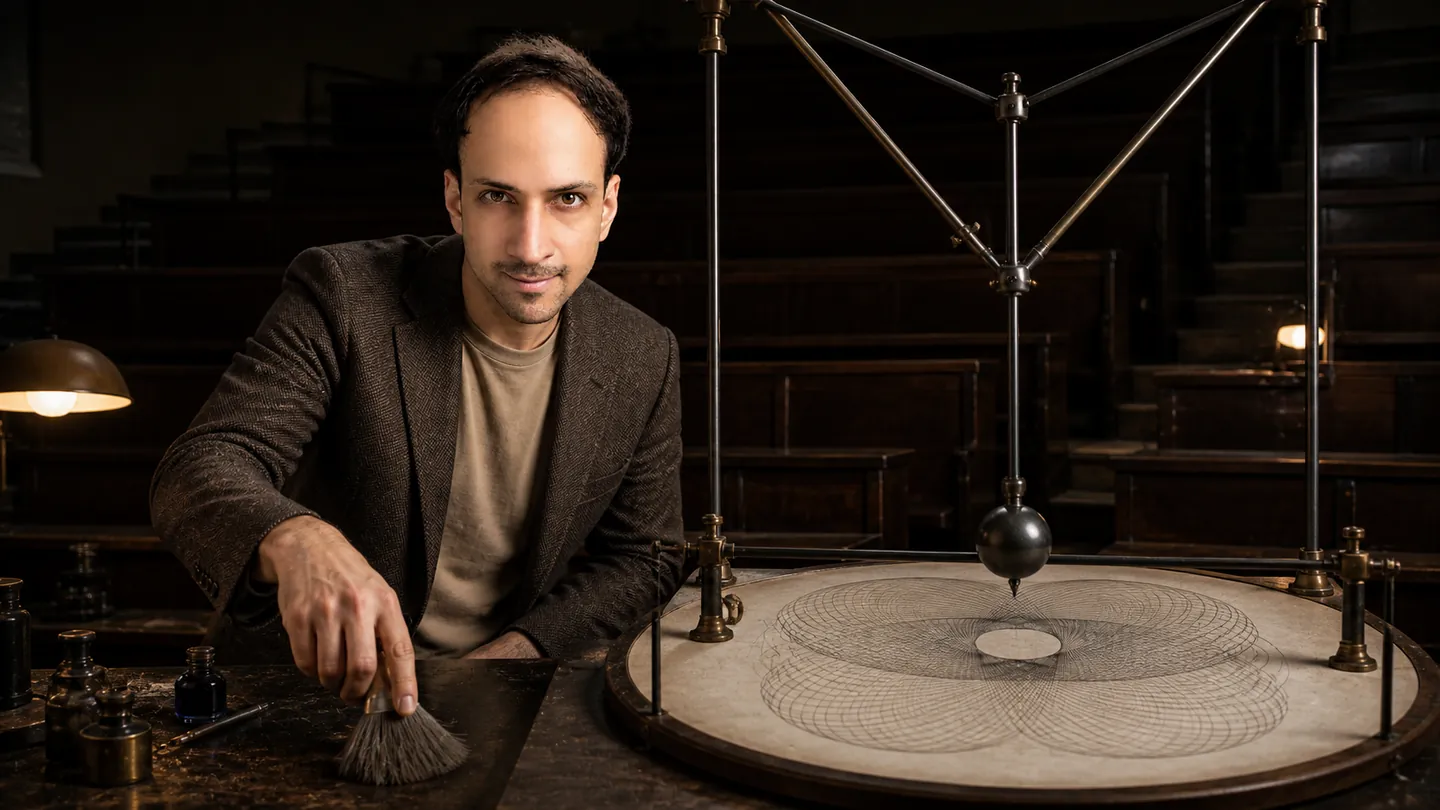
Pendulum Trace in the Lecture Hall — AI Portrait Prompt
صورةAI Portraits

Turn your own photo into a portrait in a tiered university lecture hall, empty seats rising into shadow. Keeps your face unchanged.

من نص البرومبت

Use the attached reference photo as the identity reference: keep the same face, skin tone, hair and features as the person in that photo, without beautifying, aging or altering them. Compose a wide 16:9 narrative image where environment and subject carry equal meaning at exactly 3808x2144 pixels. Location: a tiered university lecture hall, empty seats rising into shadow. Show the subject in a brown herringbone blazer over a plain sand-colored shirt, brushing dust from the bench top with a wide soft brush. Build the artwork around this material rule: a Y-hung Blackburn pendulum whose single bob owns two different periods, lacing a true Lissajous figure in unbroken ink translates elapsed time into shape a viewer can take in whole. Explore whether a pattern nobody chose can still be called a work of art; direct expression and posture toward attentive calm, never melodrama or ad-like confidence. Use an eye-level 50mm viewpoint that gives the machine and the person equal dignity. Make the composition let the drawing's shrinking center sit off-axis from their eyes. Render it as kinetic-sculpture documentary portraiture built from real pendulum apparatus, archival ink materiality, long-exposure honesty, and museum-quality restraint in every surface, using dim ambient darkness held back by two small warm practicals and a palette of iron black, warm limewash, and a single indigo accent. Photorealistic: this must read as a real photograph from a physical camera, never an illustration, painting, or 3D render. Give truthful depth cues: overlapping planes and shadows softening as they travel. Resolve real surface detail: wood grain read at honest scale, matte and gloss clearly separated, and no surface uniformly clean. Keep one identity-locked person, credible hands and fingers, natural fabric, and coherent scale, contact, reflections, shadows, airflow, deformation, and materials. Background people only when essential, always secondary and clearly different. Avoid glowing neon spirograph swirls, levitating pens, CGI particle trails, sacred-geometry overlays, and face-smearing motion blur. No text, labels, logos, signatures, watermarks, random symbols, plastic skin, excessive bloom, or glossy AI finish.
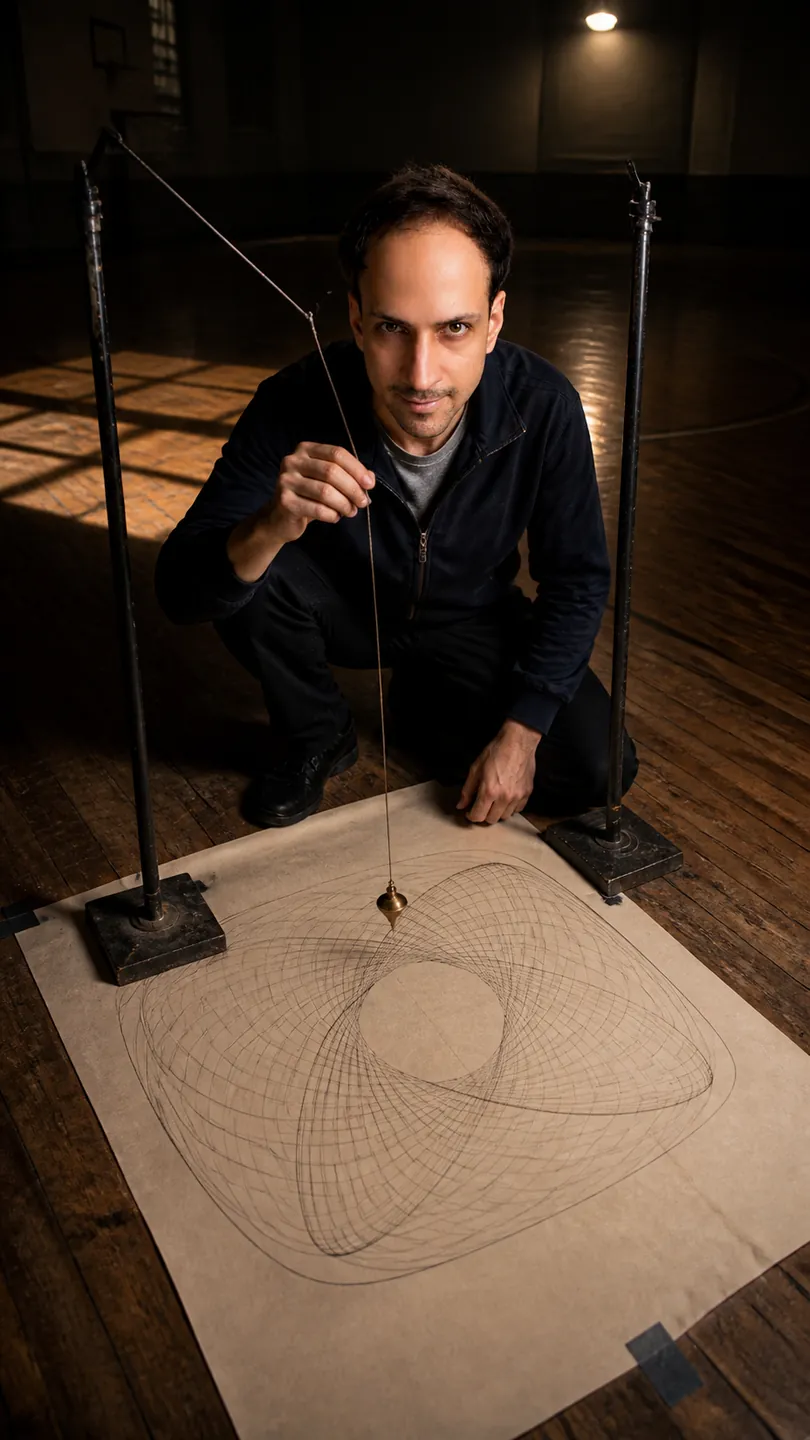
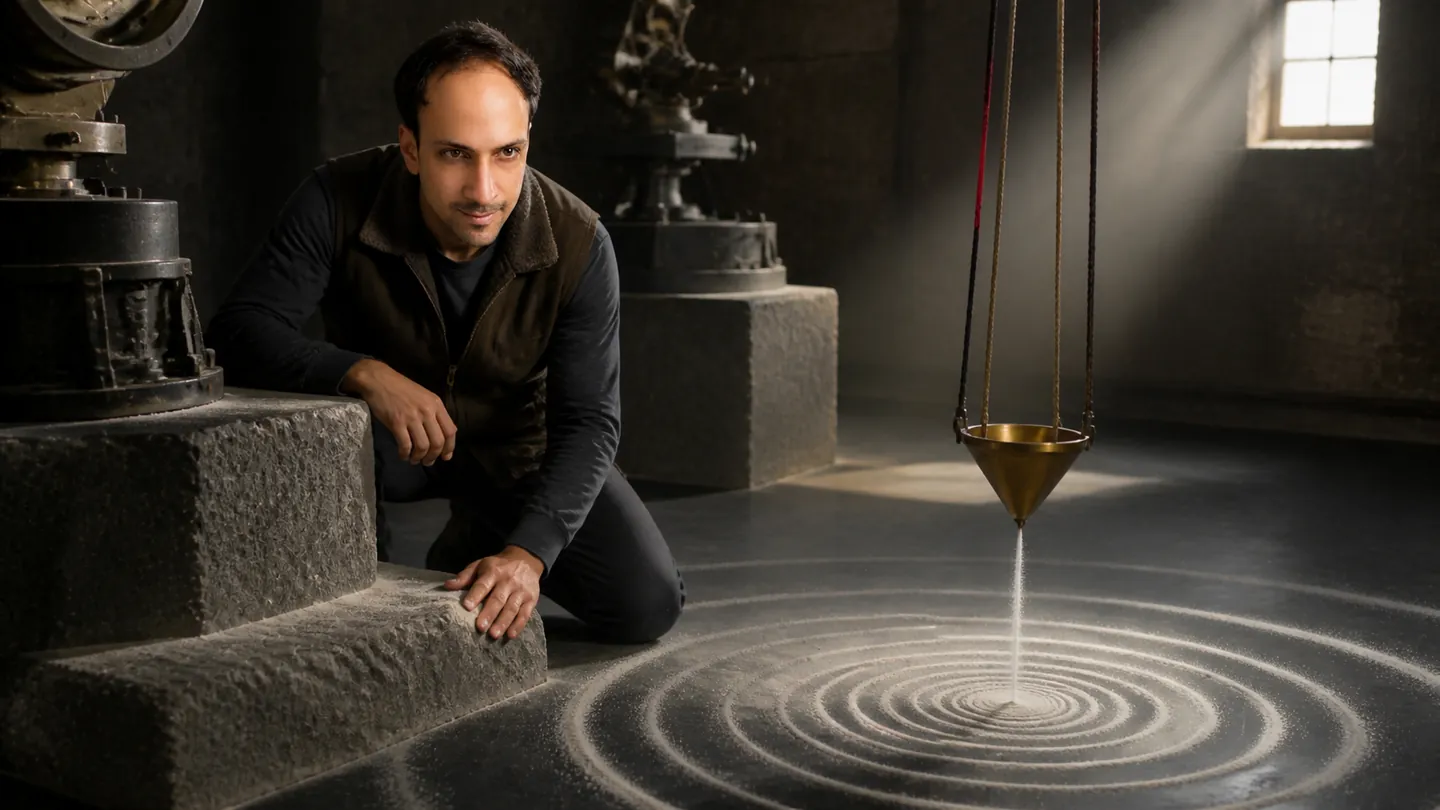
Sand Pendulum in the Seismic Vault — AI Portrait Prompt
صورةAI Portraits

Turn your own photo into a gallery-grade demonstration portrait in a seismic observatory vault, instruments resting on bedrock piers. Keeps your face unchanged.

من نص البرومبت

Use the attached reference photo as the identity reference: keep the same face, skin tone, hair and features as the person in that photo, without beautifying, aging or altering them. Compose a wide 16:9 narrative image where environment and subject carry equal meaning at exactly 3808x2144 pixels. Location: a seismic observatory vault, instruments resting on bedrock piers. Show the subject in a fleece-lined canvas vest over a long-sleeved thermal shirt, dusting a bedrock pier with the side of their hand. Build the artwork around this material rule: a brass funnel of white sand that swings on long cords, pouring its own path onto a dark floor needs nothing after release but time to finish the whole drawing. Explore how much credit a person deserves for a drawing they only set in motion; direct expression and posture toward unhurried reverence, never melodrama or ad-like confidence. Use an eye-level 50mm viewpoint that gives the machine and the person equal dignity. Make the composition let the drawing's shrinking center sit off-axis from their eyes. Render it as gallery-grade demonstration photography built from lawful gravity-driven motion, physically exact trace geometry, quiet heritage interiors, and unforced human presence, using late window light crossing the floor at a long shallow angle and a palette of slate grey, chalk white, and one madder-red thread. Photorealistic: this must read as a real photograph from a physical camera, never an illustration, painting, or 3D render. Give truthful depth cues: overlapping planes and shadows softening as they travel. Resolve real surface detail: rubber gone chalky with age, painted metal chipped to primer, and plastic yellowed only where light reaches it. Keep one identity-locked person, credible hands and fingers, natural fabric, and coherent scale, contact, reflections, shadows, airflow, deformation, and materials. Background people only when essential, always secondary and clearly different. Avoid hypnotist's watch iconography, perpetual-motion fantasy rigs, laser-perfect printed curves, cosmic nebula backdrops, and pendulums hung from nothing. No text, labels, logos, signatures, watermarks, random symbols, plastic skin, excessive bloom, or glossy AI finish.
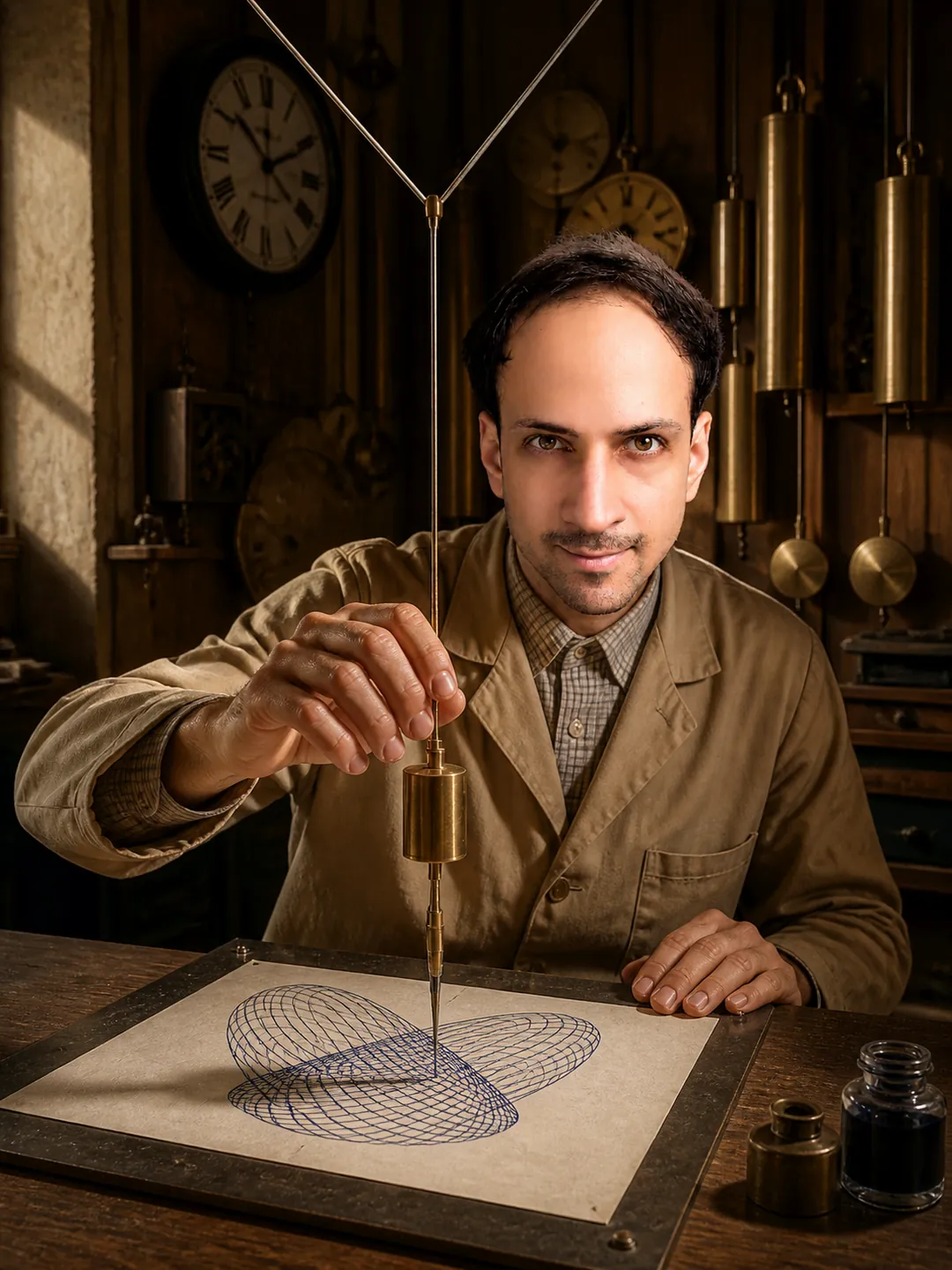
Plumb Line in the Empty Gym — AI Portrait Prompt
صورةAI Portraits

Turn your own photo into a slow-apparatus editorial portrait in a school gymnasium after hours, one court light left burning. Keeps your face unchanged.

من نص البرومبت

Use the attached reference photo as the identity reference: keep the same face, skin tone, hair and features as the person in that photo, without beautifying, aging or altering them. Design a full-height 9:16 cinematic artwork that reads on a phone and rewards gallery-scale inspection at exactly 2144x3808 pixels. Location: a school gymnasium after hours, one court light left burning. Show the subject in a plain navy track jacket zipped over a grey tee, dropping a plumb line until the bob just clears the floor. Treat this mechanism as the frame’s governing rule: a Y-hung Blackburn pendulum whose single bob owns two different periods, lacing a true Lissajous figure in unbroken ink keeps an honest written account of energy quietly leaving the system. Explore whether a pattern nobody chose can still be called a work of art; direct expression and posture toward tempered curiosity, never melodrama or ad-like confidence. Use a raised three-quarter viewpoint so the whole record and their bowed attention share one frame. Make the composition align the stillest object with the fastest line. Render it as slow-apparatus editorial realism combining working drawing machines, honest wear on tools, accurate suspended-mass behavior, and reserved contemporary art direction, using late window light crossing the floor at a long shallow angle and a palette of lamp-soot black, unbleached paper, and one line of brass. Photorealistic: this must read as a real photograph from a physical camera, never an illustration, painting, or 3D render. Give the frame volume: faint density deepest in the room, contrast easing at the edges. Resolve real surface detail: dust settled where nobody wipes, fingerprint haze on glass, and edges rubbed pale by handling. Keep one identity-locked person, credible hands and fingers, natural fabric, and coherent scale, contact, reflections, shadows, airflow, deformation, and materials. Background people only when essential, always secondary and clearly different. Avoid hypnotist's watch iconography, perpetual-motion fantasy rigs, laser-perfect printed curves, cosmic nebula backdrops, and pendulums hung from nothing. No text, labels, logos, signatures, watermarks, random symbols, plastic skin, excessive bloom, or glossy AI finish.
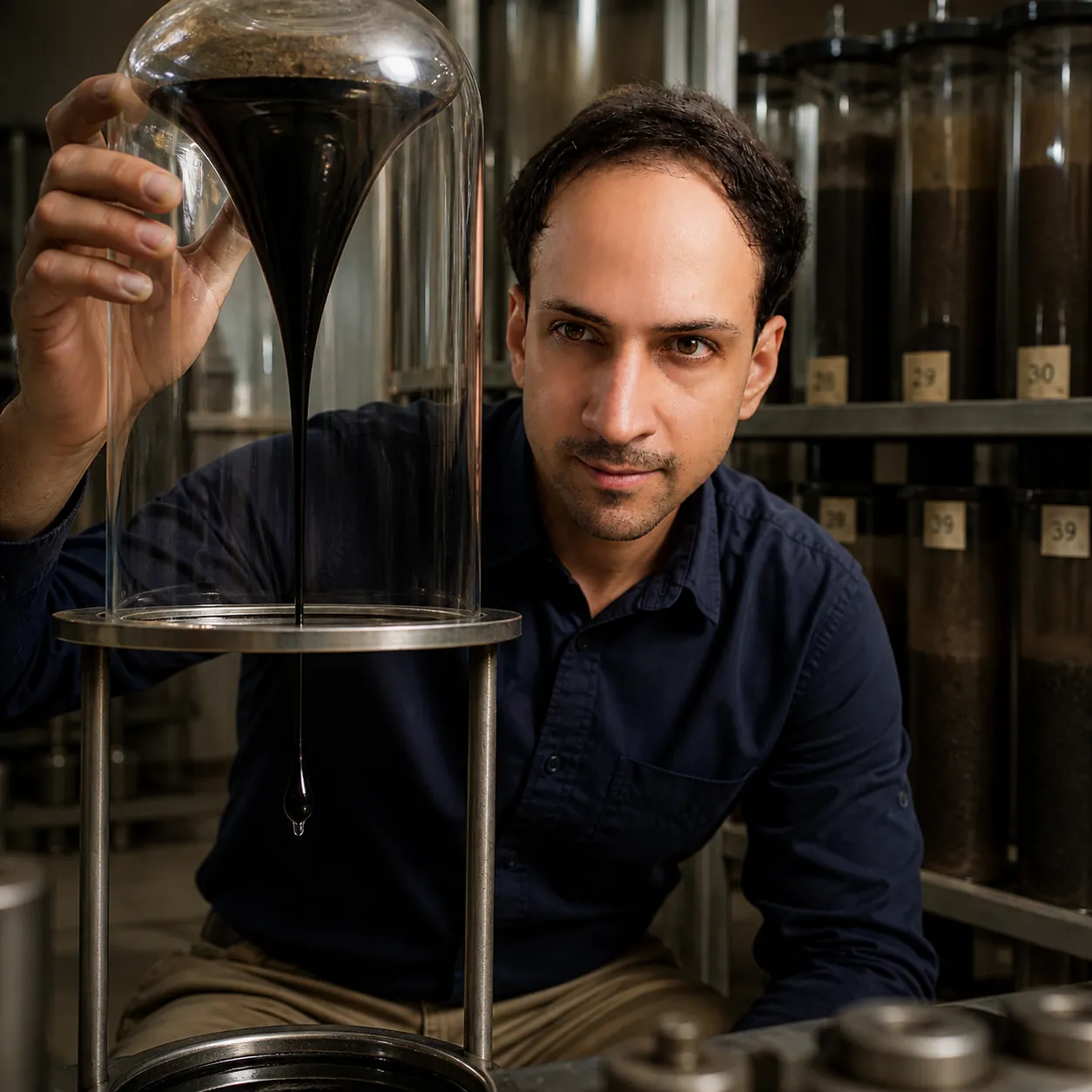
The Clockmaker's Waiting Pendulums — AI Portrait Prompt
صورةAI Portraits

Turn your own photo into a kinetic-sculpture documentary portrait in a clockmaker's back room hung with silent, waiting pendulums. Keeps your face unchanged.

من نص البرومبت

Use the attached reference photo as the identity reference: keep the same face, skin tone, hair and features as the person in that photo, without beautifying, aging or altering them. Use a formal 3:4 environmental portrait with complete hands and meaningful objects inside frame at exactly 2480x3312 pixels. Location: a clockmaker's back room hung with silent, waiting pendulums. Show the subject in a tan shop coat over a checked shirt buttoned to the collar, stilling a swinging weight gently between two fingers. Build the artwork around this material rule: a Y-hung Blackburn pendulum whose single bob owns two different periods, lacing a true Lissajous figure in unbroken ink puts down a mark that no living hand ever touches. Explore whether a pattern nobody chose can still be called a work of art; direct expression and posture toward unhurried reverence, never melodrama or ad-like confidence. Frame from across the pendulum's plane so its arc crosses the foreground and their face stays clear. Make the composition keep the suspension line visible from anchor to writing point. Render it as kinetic-sculpture documentary portraiture built from real pendulum apparatus, archival ink materiality, long-exposure honesty, and museum-quality restraint in every surface, using late window light crossing the floor at a long shallow angle and a palette of iron black, warm limewash, and a single indigo accent. Photorealistic: this must read as a real photograph from a physical camera, never an illustration, painting, or 3D render. Resolve real surface detail: paper fibre visible at cut edges, plastic that shows mould lines, and paint thicker where a brush turned. Keep one identity-locked person, credible hands and fingers, natural fabric, and coherent scale, contact, reflections, shadows, airflow, deformation, and materials. Background people only when essential, always secondary and clearly different. Avoid hypnotist's watch iconography, perpetual-motion fantasy rigs, laser-perfect printed curves, cosmic nebula backdrops, and pendulums hung from nothing. No text, labels, logos, signatures, watermarks, random symbols, plastic skin, excessive bloom, or glossy AI finish.
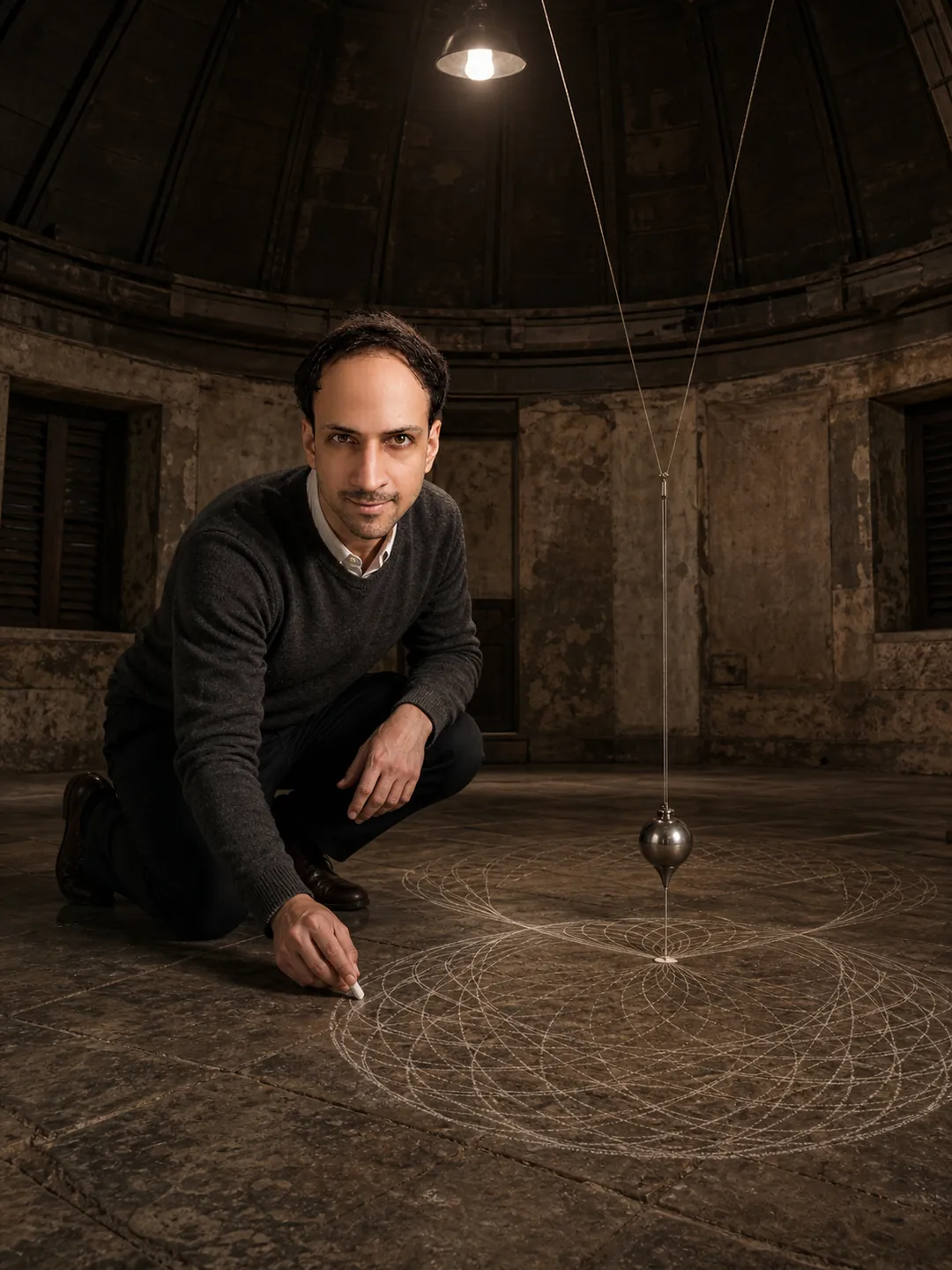
The Decade-Long Pitch Drop — AI Portrait Prompt
صورةAI Portraits

Turn your own photo into a portrait in a drilling-fluids test room with numbered sample columns on shelves. Keeps your face unchanged.

من نص البرومبت

Use the attached reference photo as the identity reference: keep the same face, skin tone, hair and features as the person in that photo, without beautifying, aging or altering them. Create a square 1:1 museum-catalog frame with a strong first read and a slower second read at exactly 2880x2880 pixels. Location: a drilling-fluids test room with numbered sample columns on shelves. Show the subject in pressed khaki field trousers and a navy technical shirt, holding one sample column up to the light. The impossible-looking event must obey this clear system: a bell-jarred funnel of black pitch whose single pendant drop has been lengthening for most of a decade holds a small lawful contradiction still enough to be studied. Explore what a material's refusal reveals about the question it was asked; direct expression and posture toward patient scrutiny, never melodrama or ad-like confidence. Use a 90mm close-working lens: the fluid's response sharp near the frame's base and their attentive face readable above it. Make the composition anchor the brightest highlight on the material, never on them. Render it as museum-grade demonstration realism combining faithful fluid behavior, tactile material surfaces, patient observational portrait photography, and physically accurate weight and reflection, using one low raking key across the fluid surface with soft neutral fill and a palette of mud brown, brushed steel, and muted glass green. Photorealistic: this must read as a real photograph from a physical camera, never an illustration, painting, or 3D render. Resolve real surface detail: condensation beading at true size, liquid meniscus curving against glass, and wet surfaces darker than dry ones. Keep one identity-locked person, credible hands and fingers, natural fabric, and coherent scale, contact, reflections, shadows, airflow, deformation, and materials. Background people only when essential, always secondary and clearly different. Avoid frozen splash crowns, CGI liquid-metal morphing, glowing sci-fi gels, food-fight mess on clothing, and impossible floating blobs. No text, labels, logos, signatures, watermarks, random symbols, plastic skin, excessive bloom, or glossy AI finish.
Lissajous Under the Shuttered Dome — AI Portrait Prompt
صورةAI Portraits

Turn your own photo into a gallery-grade demonstration portrait in the stone floor of an old observatory beneath its shuttered dome. Keeps your face unchanged.

من نص البرومبت

Use the attached reference photo as the identity reference: keep the same face, skin tone, hair and features as the person in that photo, without beautifying, aging or altering them. Use a formal 3:4 environmental portrait with complete hands and meaningful objects inside frame at exactly 2480x3312 pixels. Location: the stone floor of an old observatory beneath its shuttered dome. Show the subject in a graphite wool sweater over a white collarless shirt, chalking the release point on the stone floor. The impossible-looking event must obey this clear system: a Y-hung Blackburn pendulum whose single bob owns two different periods, lacing a true Lissajous figure in unbroken ink shows plain physical law producing ornament no deliberate hand could plan. Explore whether a pattern nobody chose can still be called a work of art; direct expression and posture toward solemn delight, never melodrama or ad-like confidence. Frame at the height of the swinging mass so the trace recedes in true perspective. Make the composition hold one unfinished pass mid-stroke at the frame's edge. Render it as gallery-grade demonstration photography built from lawful gravity-driven motion, physically exact trace geometry, quiet heritage interiors, and unforced human presence, using a single shaded bulb hung high, its cone stopping short of the walls and a palette of walnut brown, bone-dry plaster, and one glint of steel. Photorealistic: this must read as a real photograph from a physical camera, never an illustration, painting, or 3D render. Resolve real surface detail: true skin texture with pores and fine hair at the hairline, and fabric that creases where it is actually stressed. Keep one identity-locked person, credible hands and fingers, natural fabric, and coherent scale, contact, reflections, shadows, airflow, deformation, and materials. Background people only when essential, always secondary and clearly different. Avoid glowing neon spirograph swirls, levitating pens, CGI particle trails, sacred-geometry overlays, and face-smearing motion blur. No text, labels, logos, signatures, watermarks, random symbols, plastic skin, excessive bloom, or glossy AI finish.
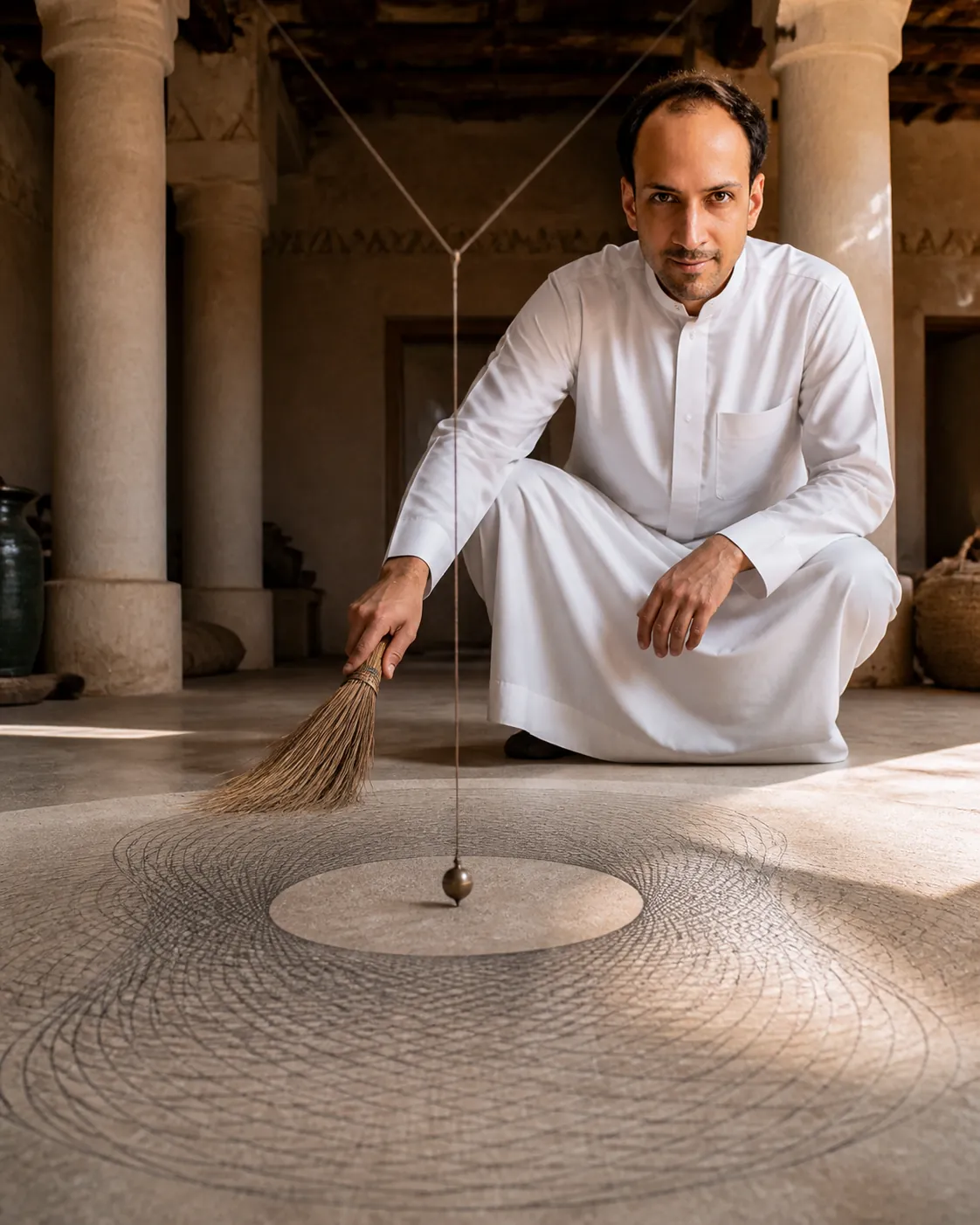
Pendulum Drawing in a Najdi Hall — AI Portrait Prompt
صورةAI Portraits

Turn your own photo into a gallery-grade demonstration portrait in the columned hall of a restored Najdi mud-brick house. Keeps your face unchanged.

من نص البرومبت

Use the attached reference photo as the identity reference: keep the same face, skin tone, hair and features as the person in that photo, without beautifying, aging or altering them. Build a portrait 4:5 editorial artwork with protected negative space and a fully readable face at exactly 2560x3200 pixels. Location: the columned hall of a restored Najdi mud-brick house. Show the subject in a crisp white traditional Gulf outfit worn plain, sleeves buttoned at the wrist, sweeping a circle of floor clear with a palm broom. Make one rigorous physical condition the conceptual engine: a Y-hung Blackburn pendulum whose single bob owns two different periods, lacing a true Lissajous figure in unbroken ink draws a line no forger could copy without rebuilding the physics. Explore whether a pattern nobody chose can still be called a work of art; direct expression and posture toward listening stillness, never melodrama or ad-like confidence. Use an 85mm portrait distance with the freshest line of the drawing sharp in the foreground. Make the composition grant the drawing more area than the person. Render it as gallery-grade demonstration photography built from lawful gravity-driven motion, physically exact trace geometry, quiet heritage interiors, and unforced human presence, using one low raking beam that lifts the trace into shallow relief and a palette of graphite, raw linen, and one deep bottle-green accent. Photorealistic: this must read as a real photograph from a physical camera, never an illustration, painting, or 3D render. Resolve real surface detail: the difference between a wiped surface and a clean one, faint tide marks on ceramic, and metal dulled unevenly by touch. Keep one identity-locked person, credible hands and fingers, natural fabric, and coherent scale, contact, reflections, shadows, airflow, deformation, and materials. Background people only when essential, always secondary and clearly different. Avoid glowing neon spirograph swirls, levitating pens, CGI particle trails, sacred-geometry overlays, and face-smearing motion blur. No text, labels, logos, signatures, watermarks, random symbols, plastic skin, excessive bloom, or glossy AI finish.

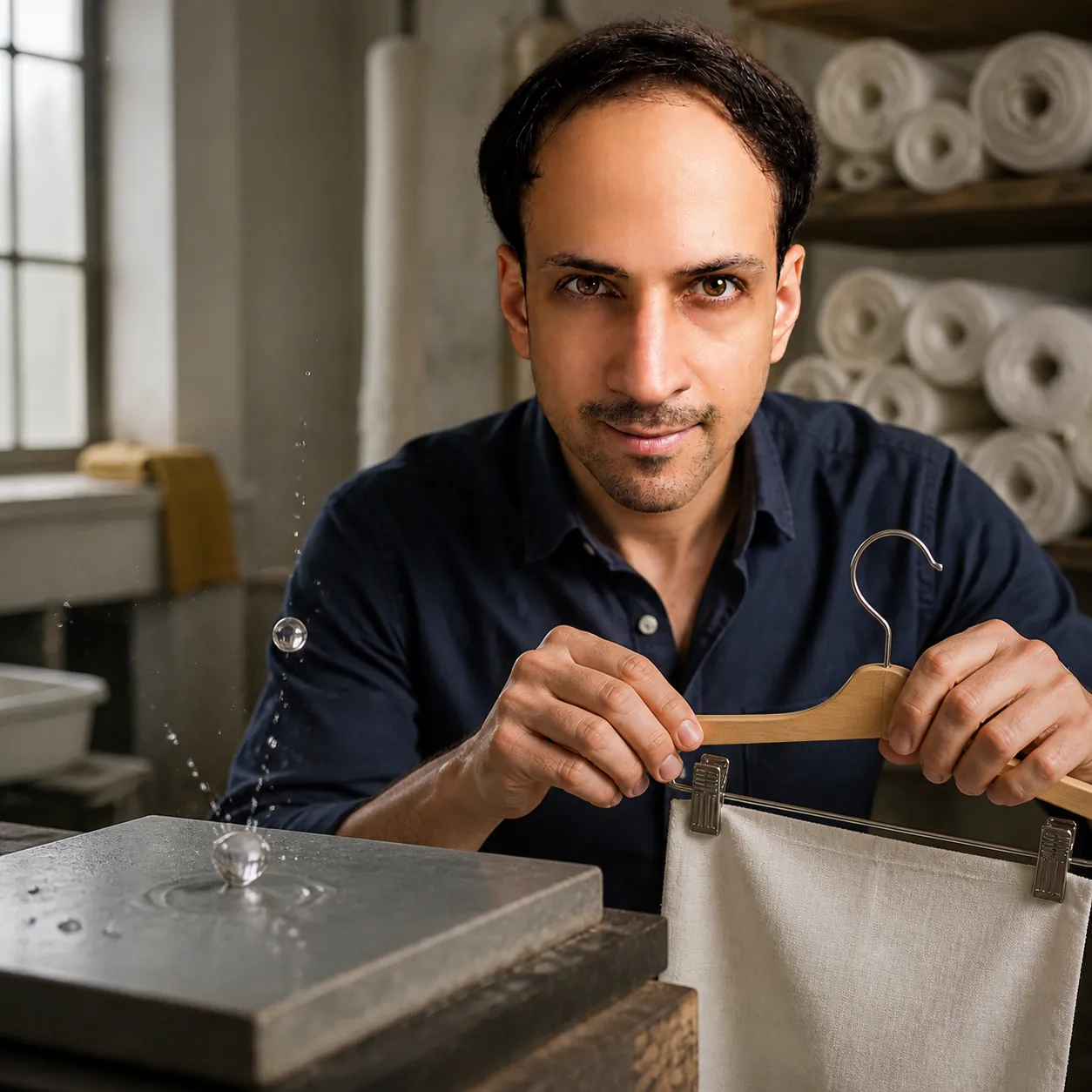
Leaping Dew on a Chilled Plate — AI Portrait Prompt
صورةAI Portraits

Turn your own photo into a high-concept wetting-science portrait in a textile finishing room with bolts of white cloth racked. Keeps your face unchanged.

من نص البرومبت

Use the attached reference photo as the identity reference: keep the same face, skin tone, hair and features as the person in that photo, without beautifying, aging or altering them. Create a square 1:1 museum-catalog frame with a strong first read and a slower second read at exactly 2880x2880 pixels. Location: a textile finishing room with bolts of white cloth racked. Show the subject in a pressed indigo work shirt buttoned to one below the collar, clipping a cloth sample onto a wooden hanger. The impossible-looking event must obey this clear system: a chilled coated plate whose condensing dew droplets merge and fling themselves clear of the surface without any push turns refusal into something the eye can verify at arm's length. Explore how ordinary water earns the poise of a rarer, heavier liquid; direct expression and posture toward earned calm, never melodrama or ad-like confidence. Use a 90mm macro-to-portrait hybrid: the water's nearest detail sharp by the lens, their face readable beyond it. Make the composition let matte dryness dominate and glints stay few and earned. Render it as high-concept wetting-science portraiture built from real superhydrophobic materials, documentary calm, droplet-true refraction and reflection, and quietly exact bench craft, using clean side-window daylight that keeps every highlight on the water small and honest and a palette of pale cement, warm oat, and one measure of saffron. Photorealistic: this must read as a real photograph from a physical camera, never an illustration, painting, or 3D render. Resolve real surface detail: brass darkened in the recesses and bright where thumbs land, and lacquer crazed rather than perfect. Keep one identity-locked person, credible hands and fingers, natural fabric, and coherent scale, contact, reflections, shadows, airflow, deformation, and materials. Background people only when essential, always secondary and clearly different. Avoid CGI chrome water, crown-splash stock shots, glowing droplets, force-field ripples, and glycerin beads faked on every surface. No text, labels, logos, signatures, watermarks, random symbols, plastic skin, excessive bloom, or glossy AI finish.
