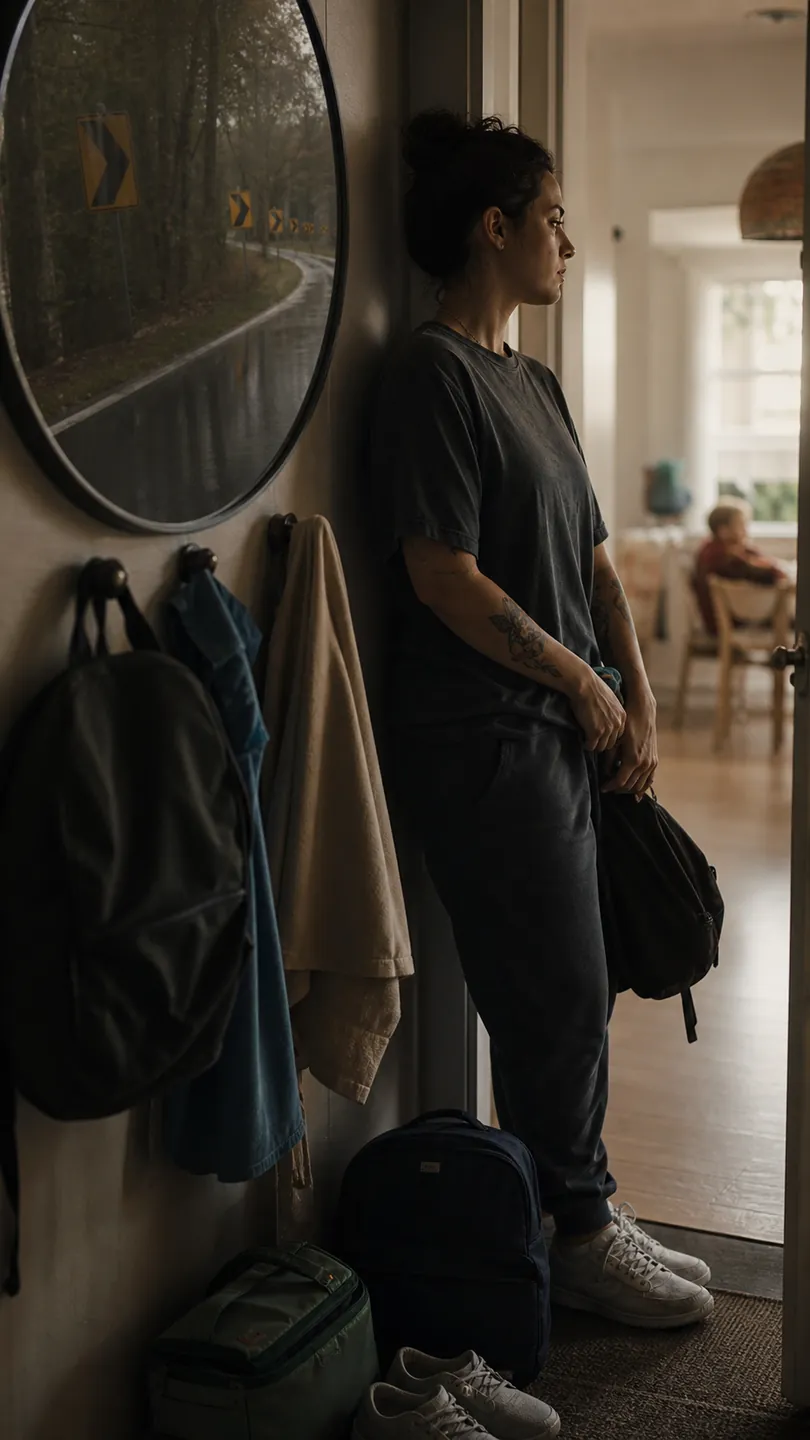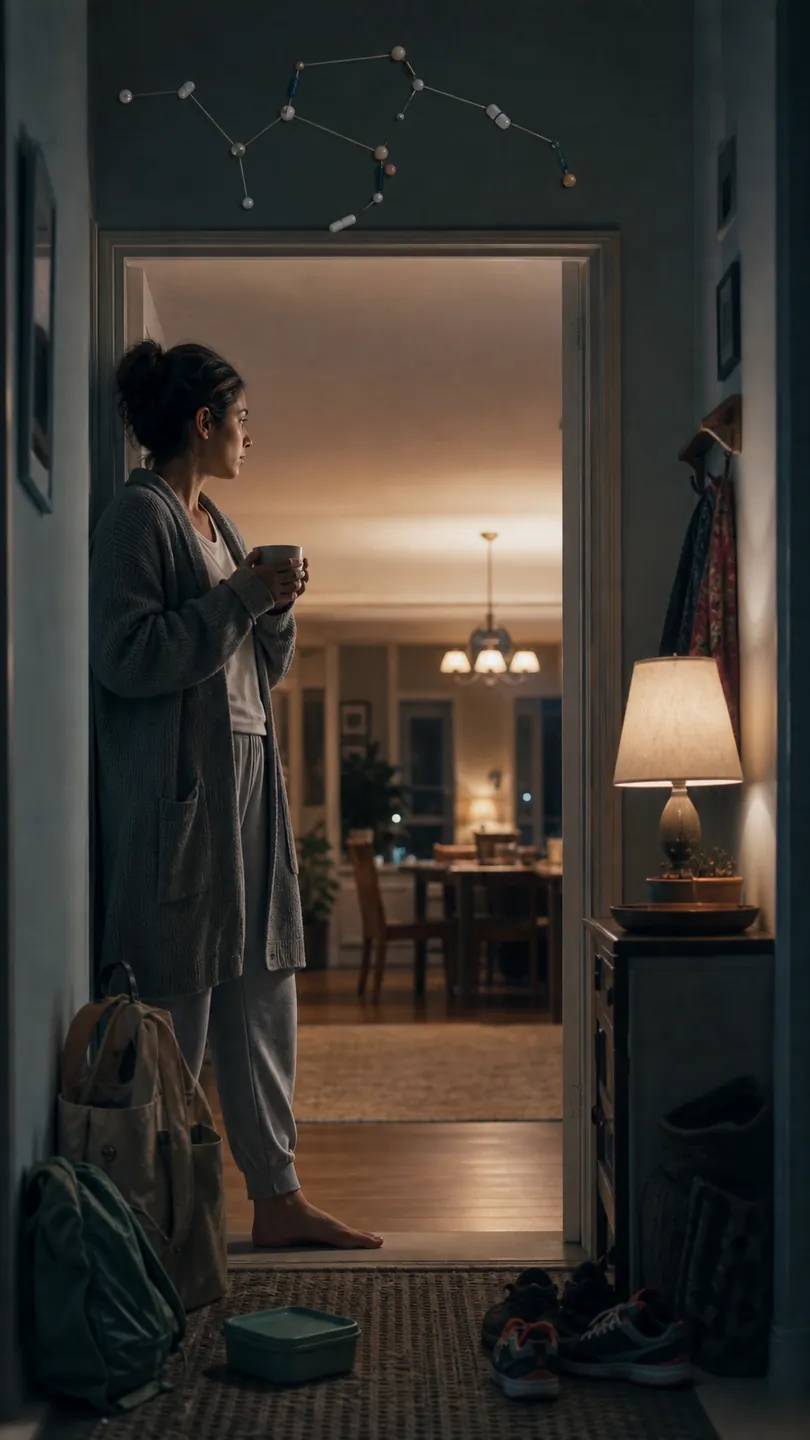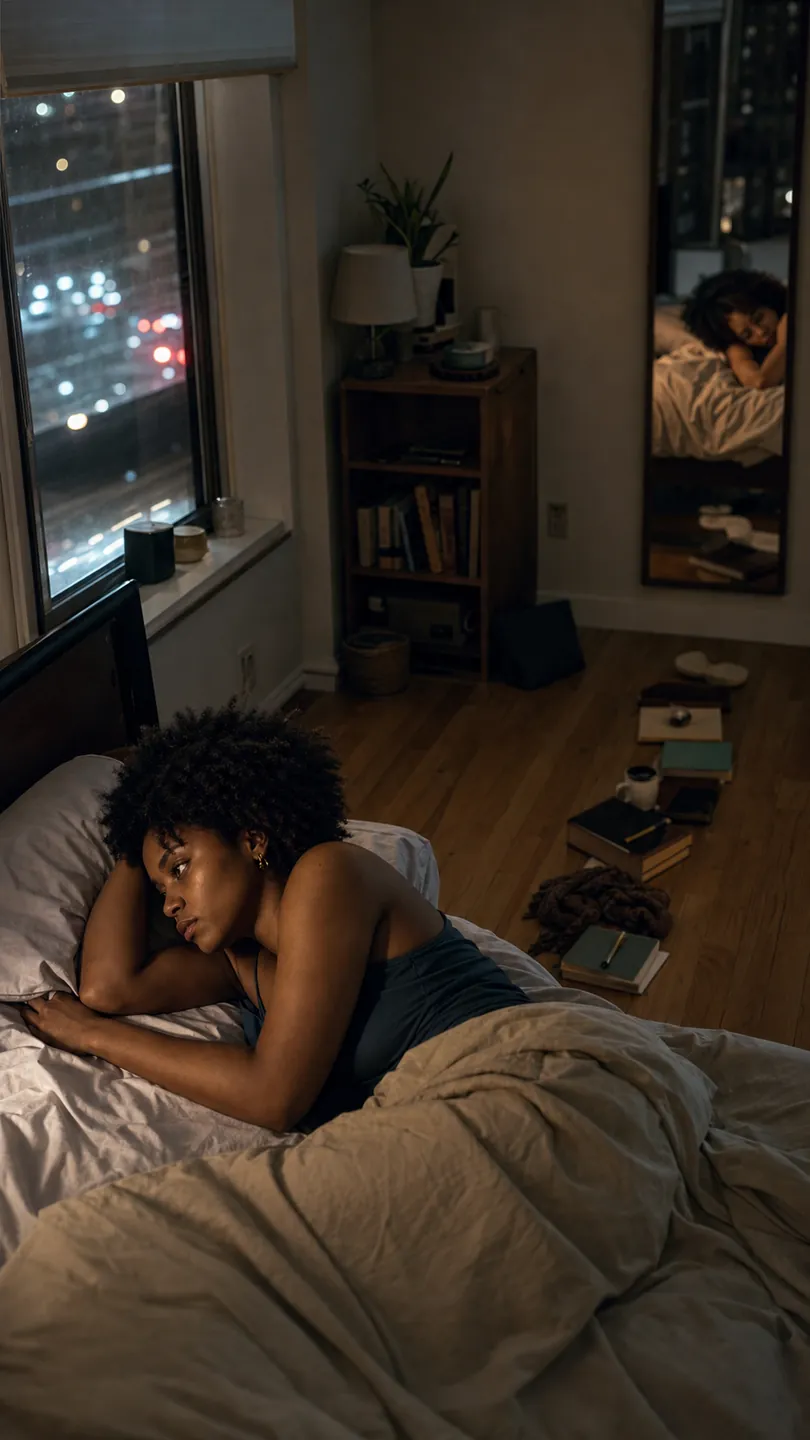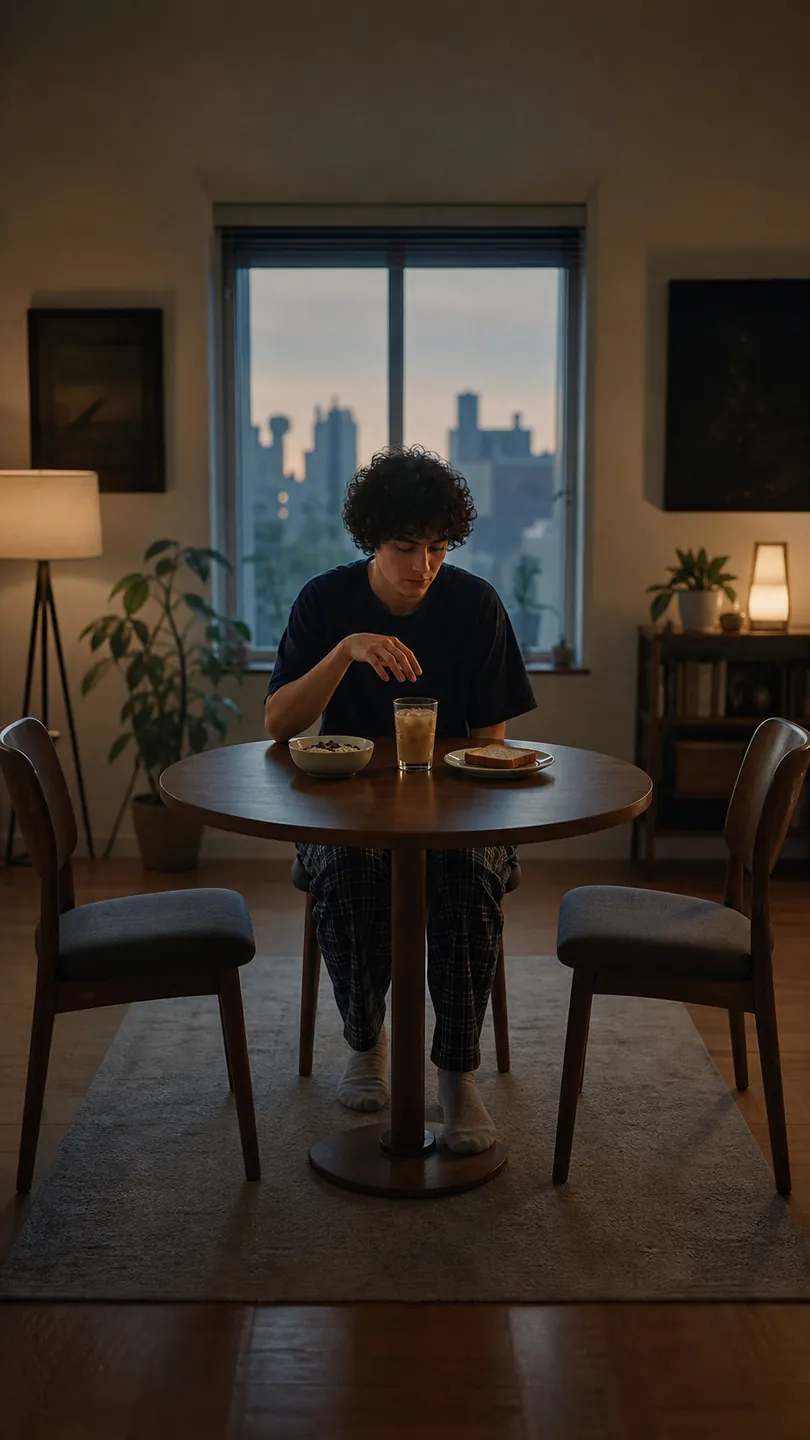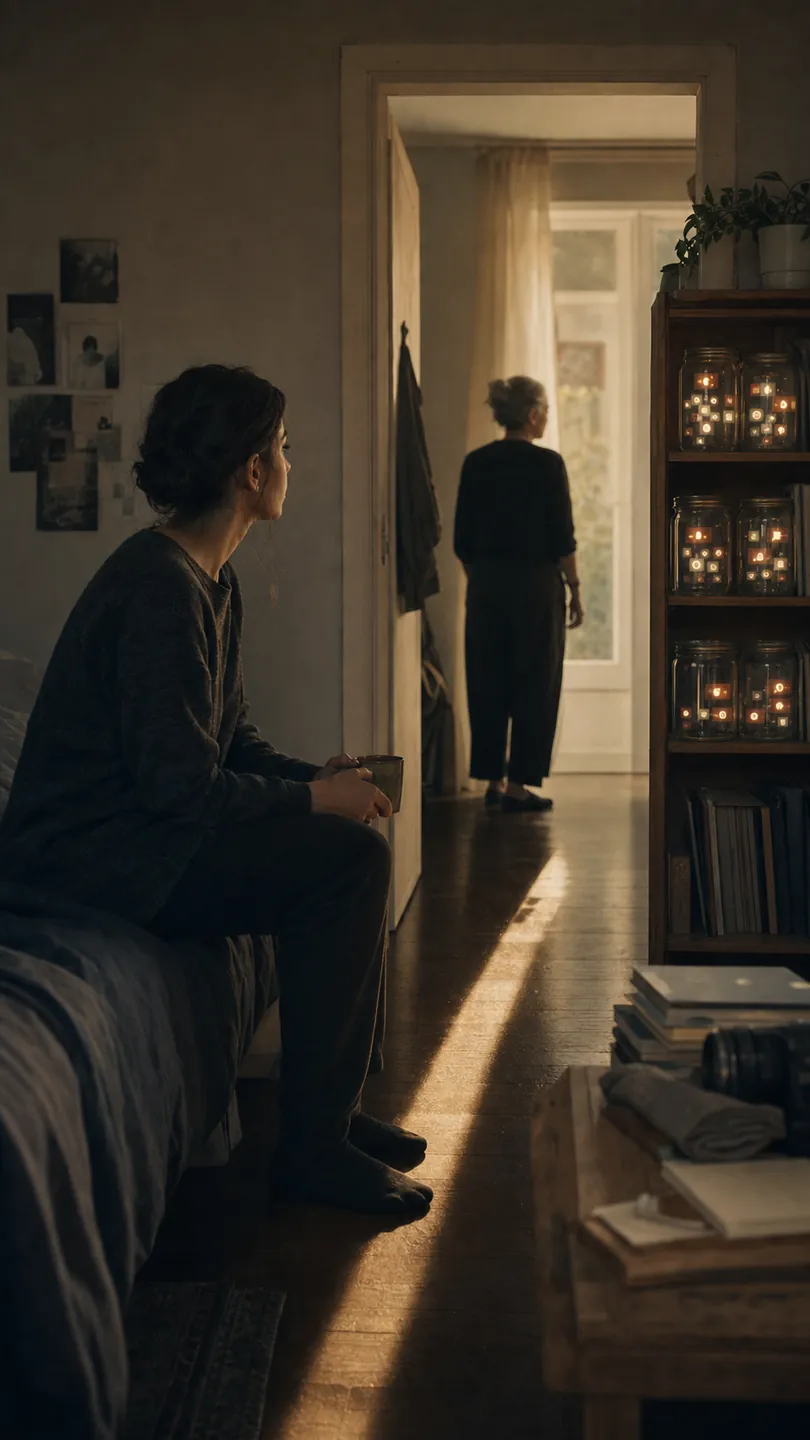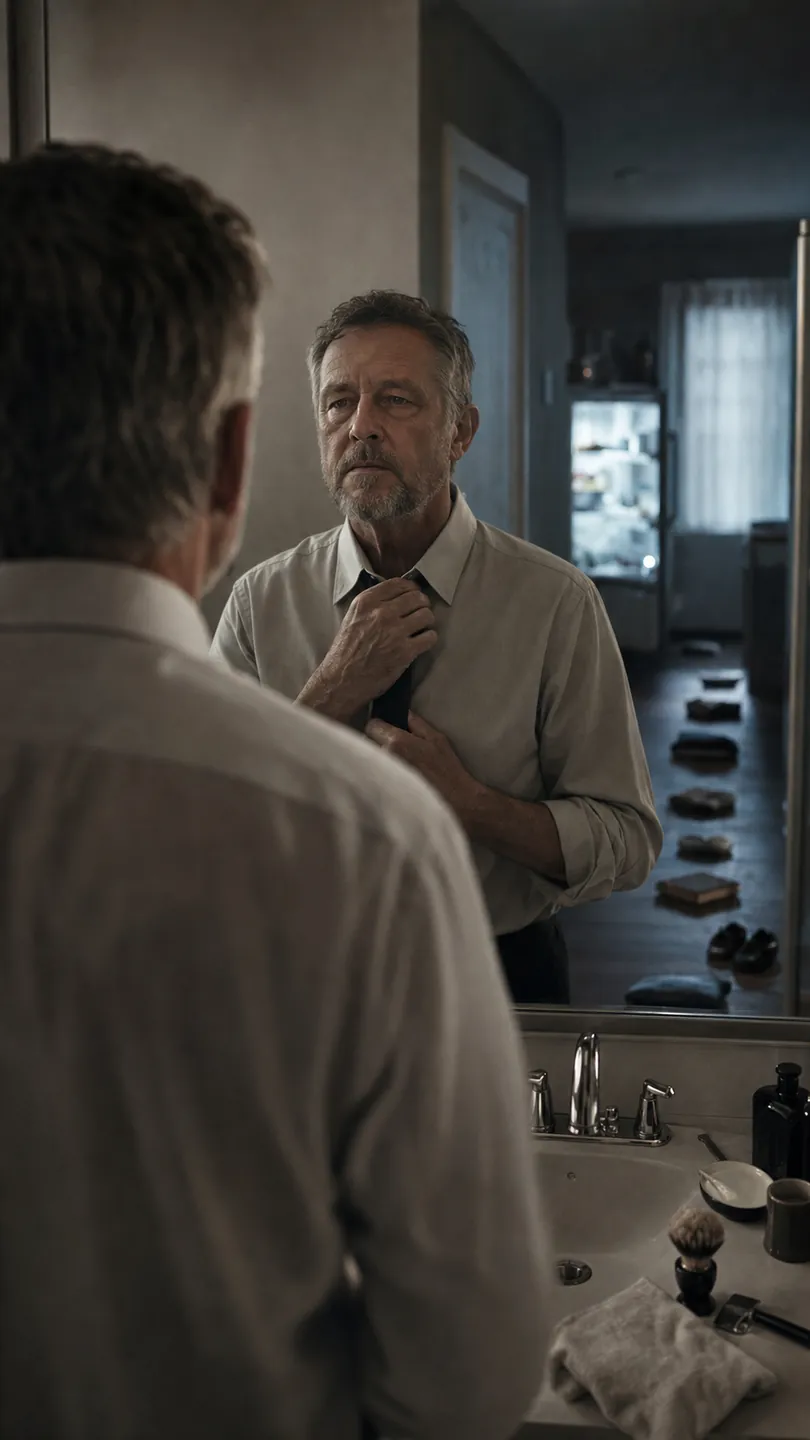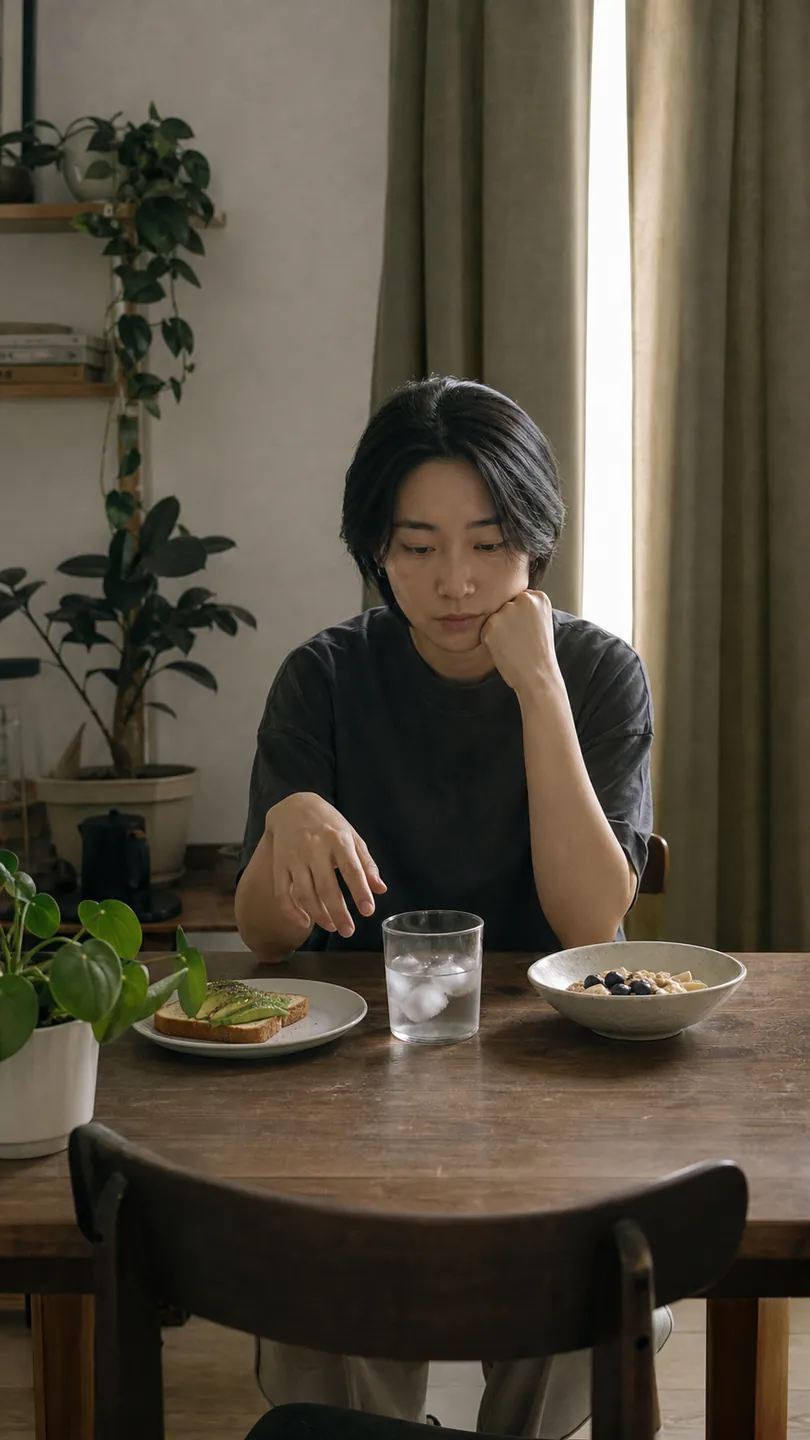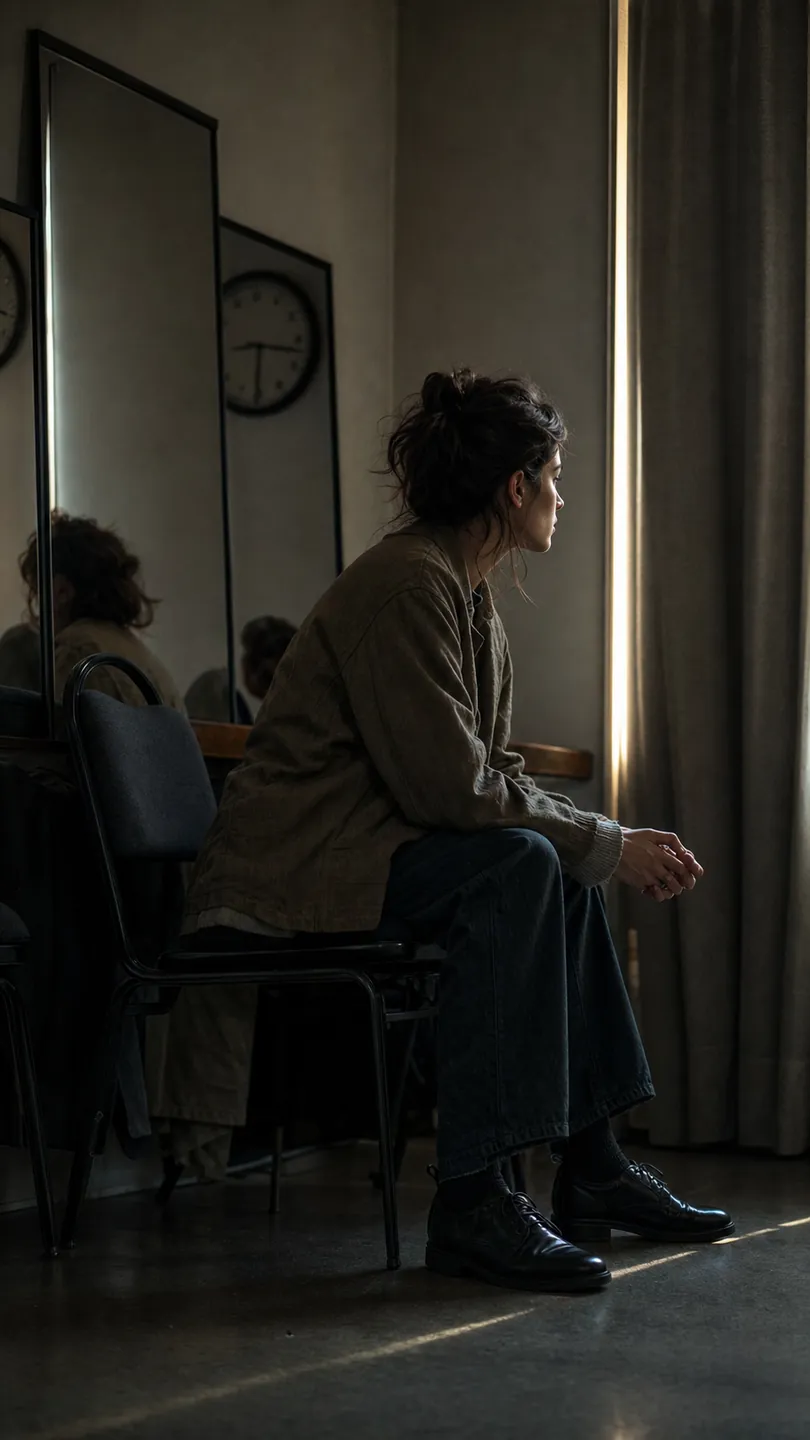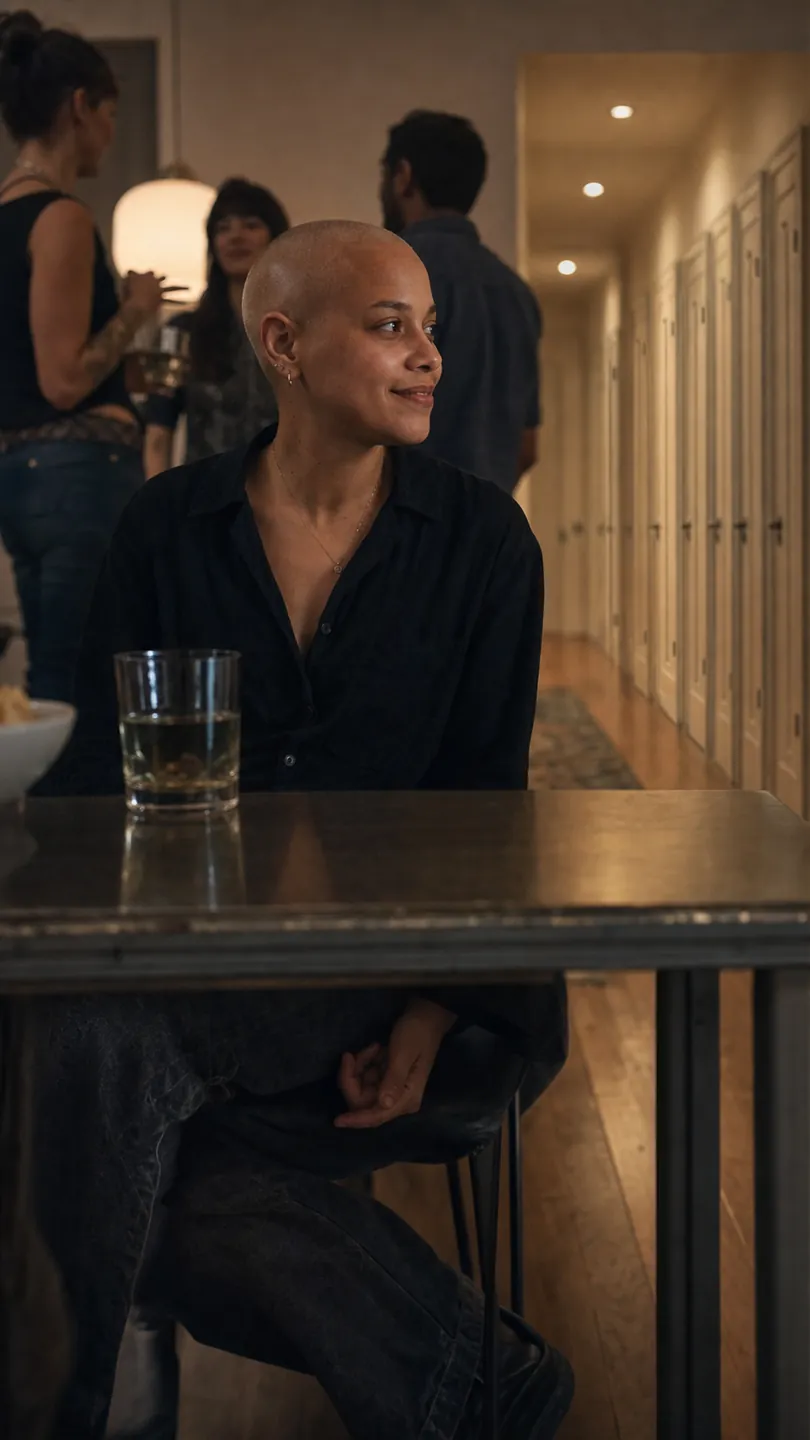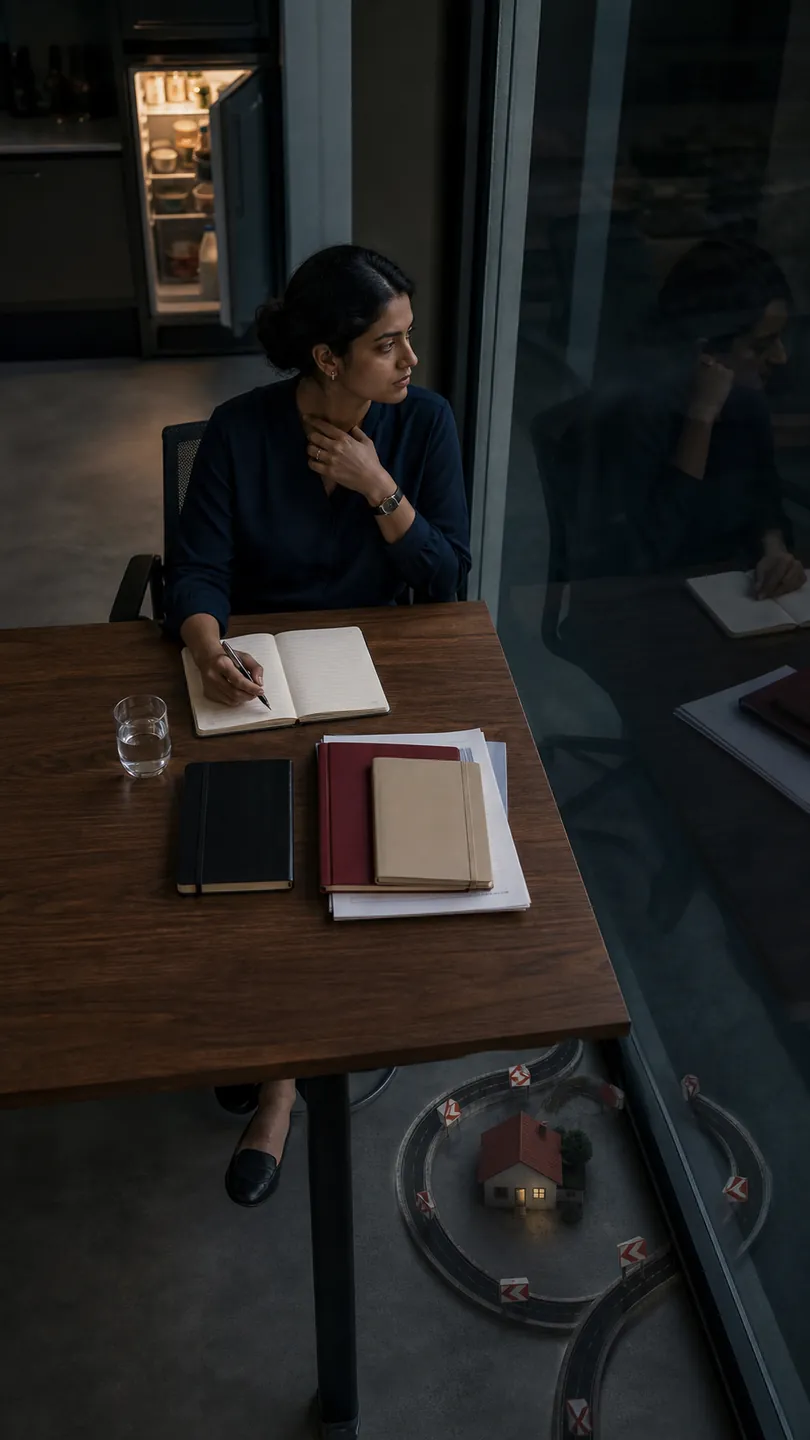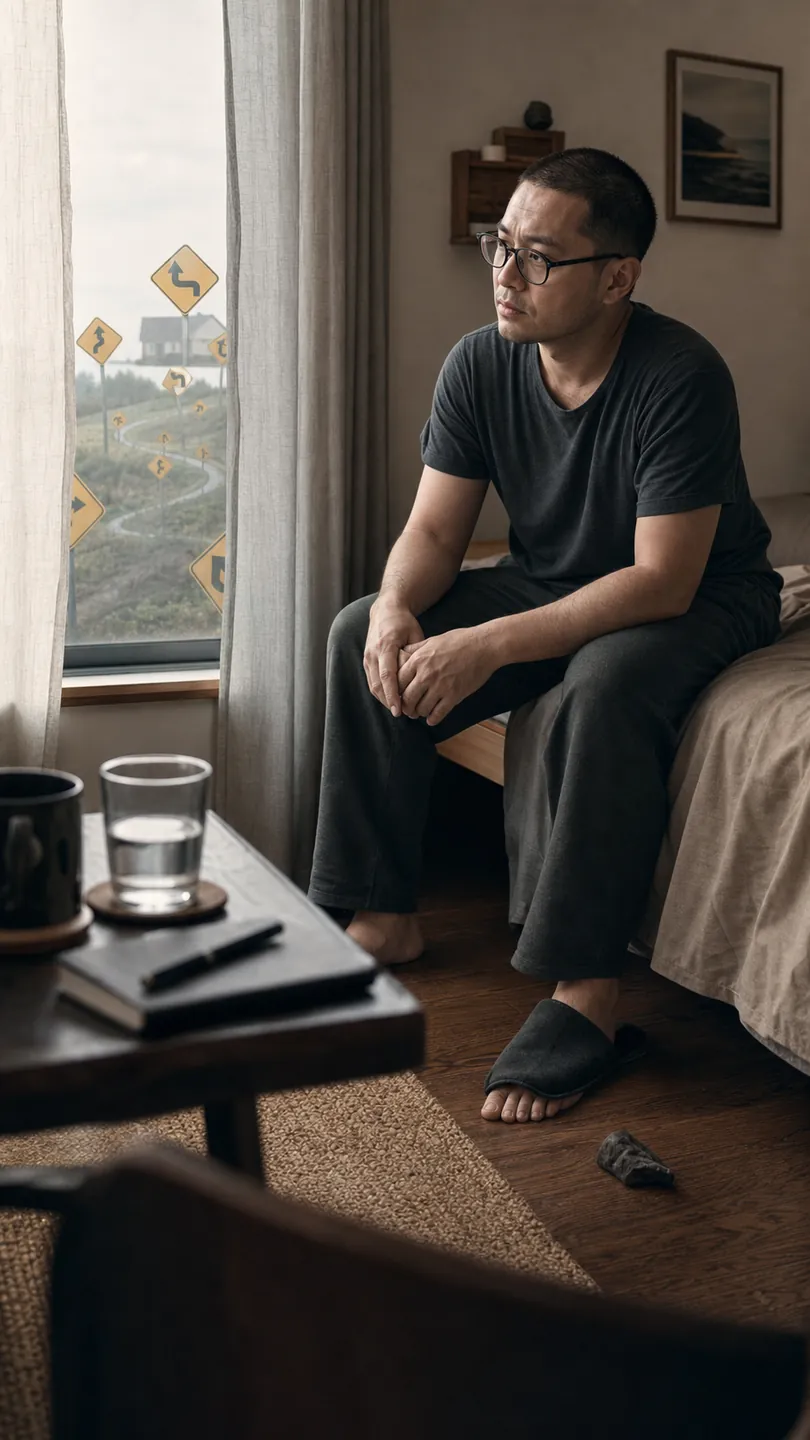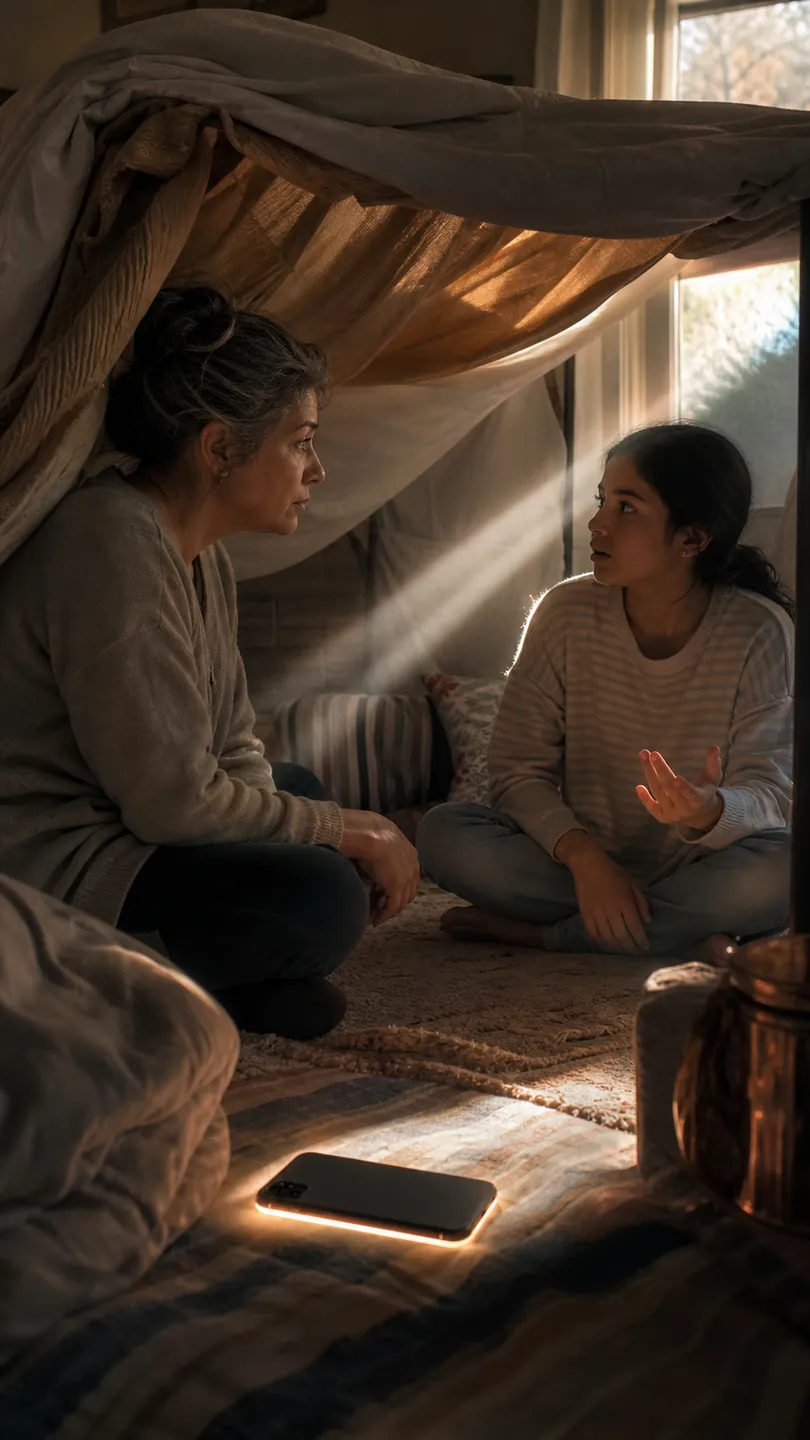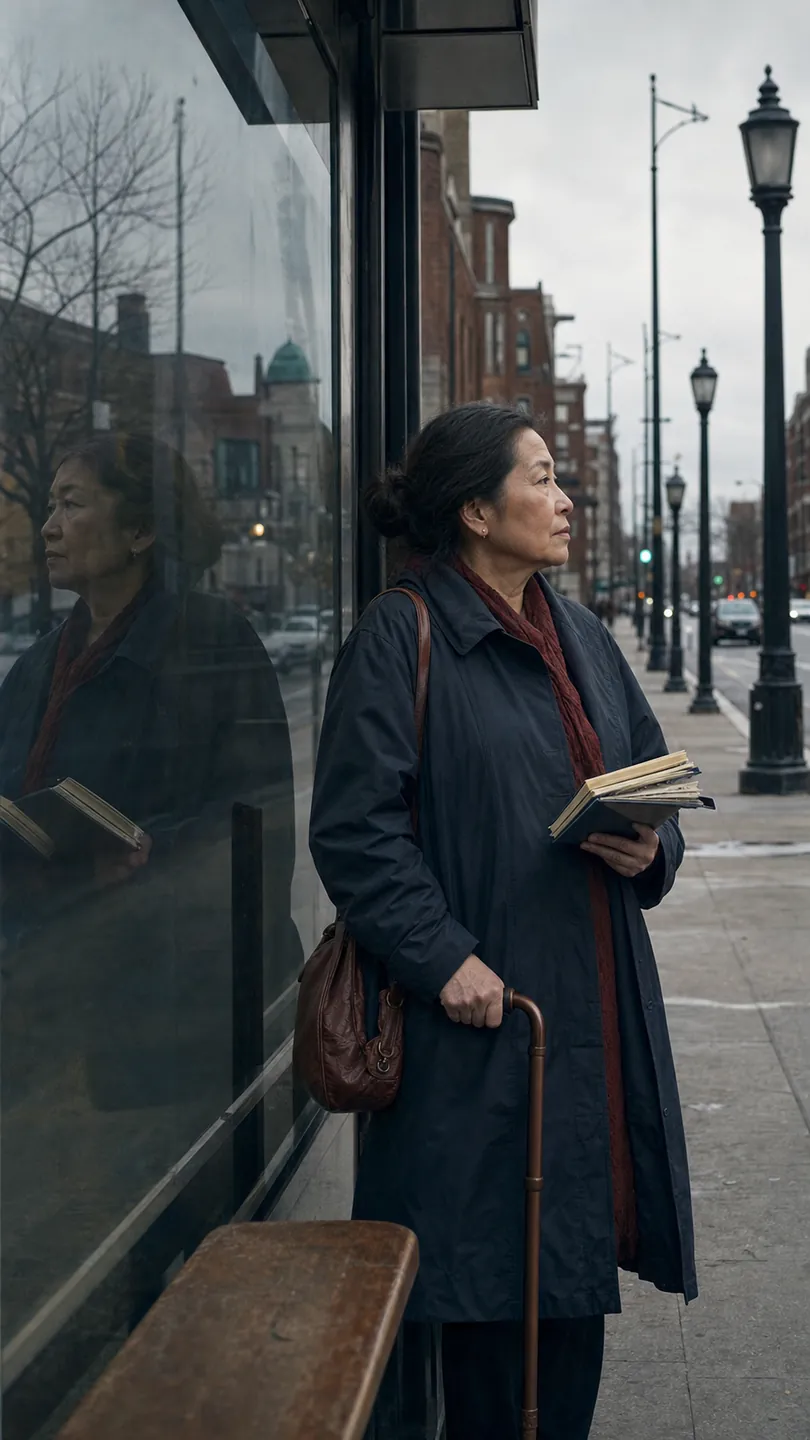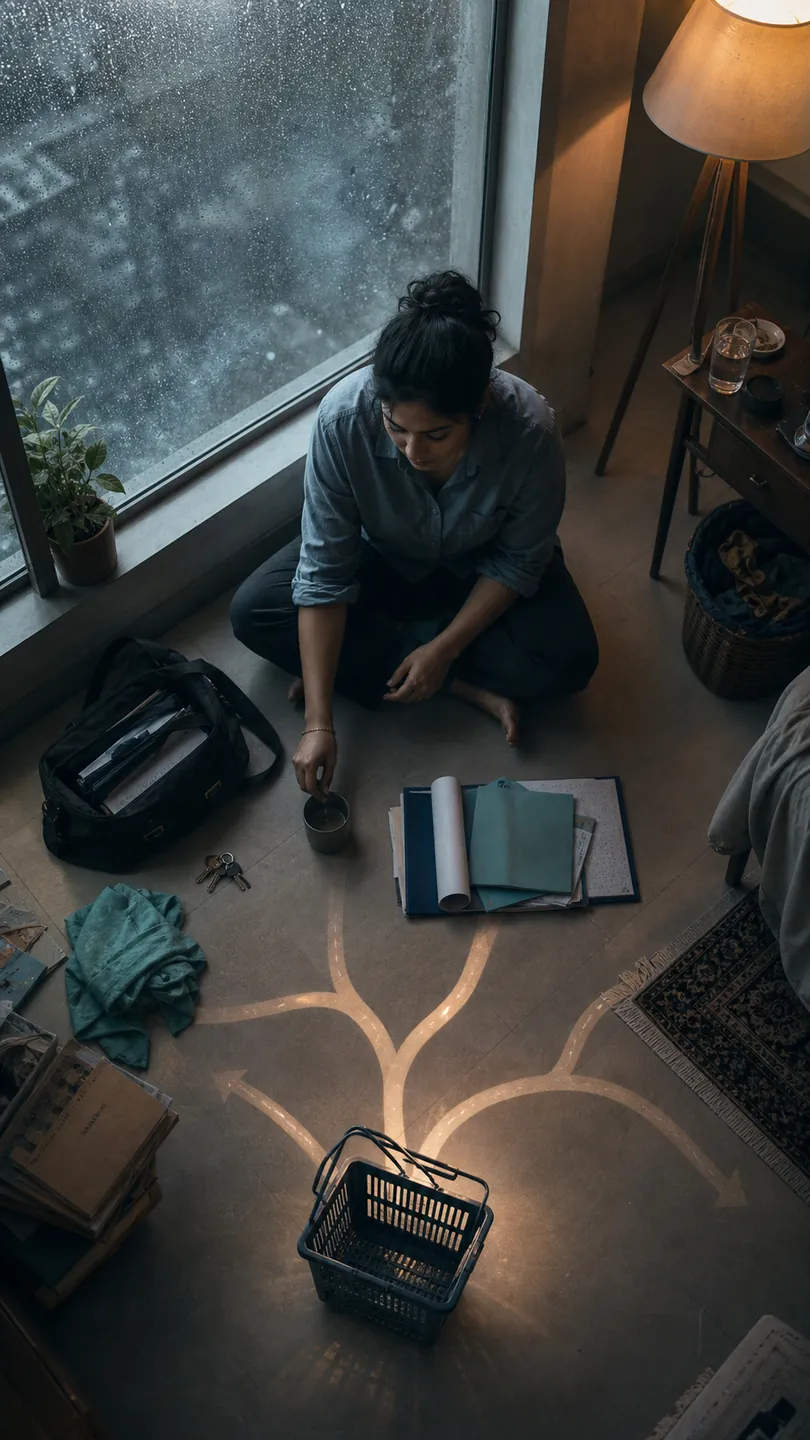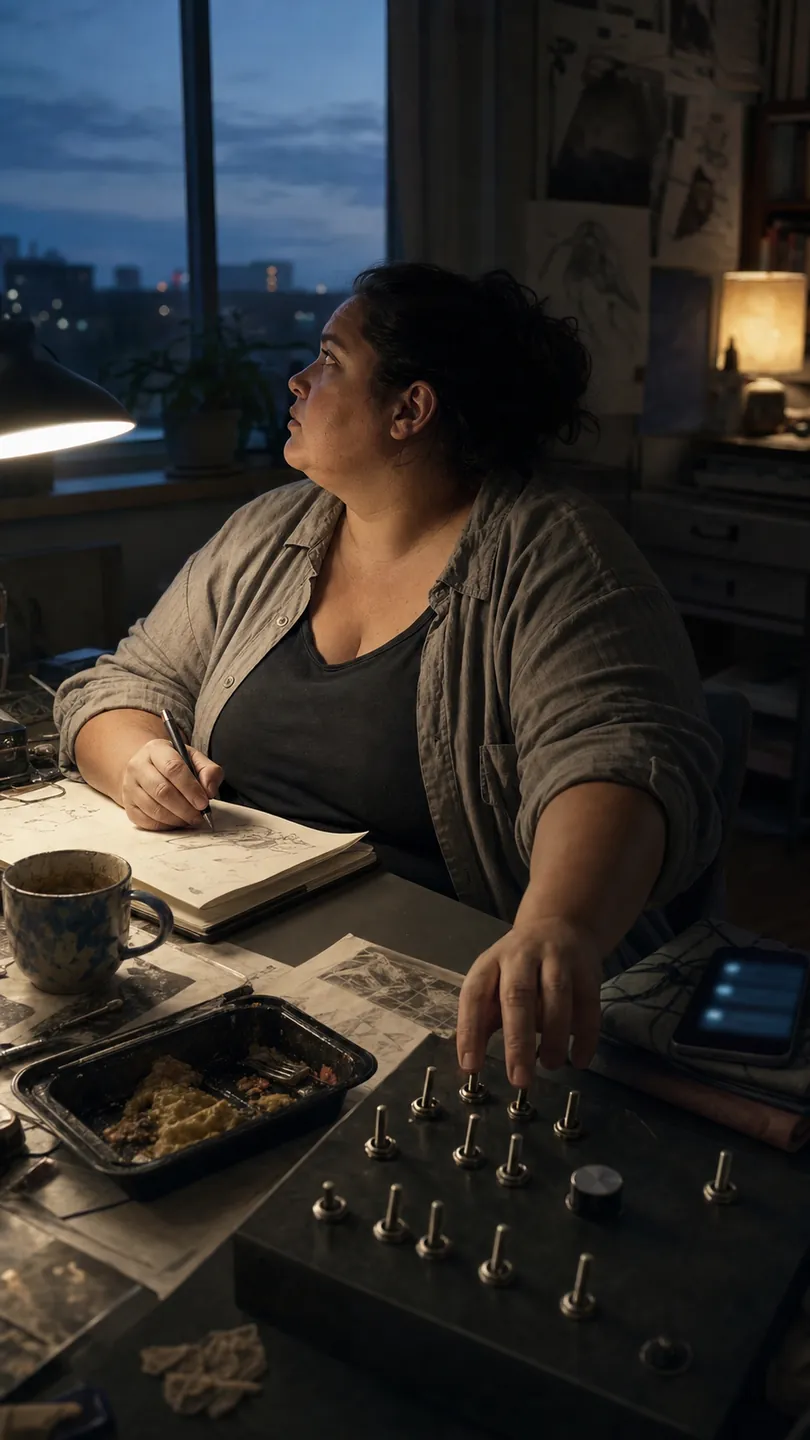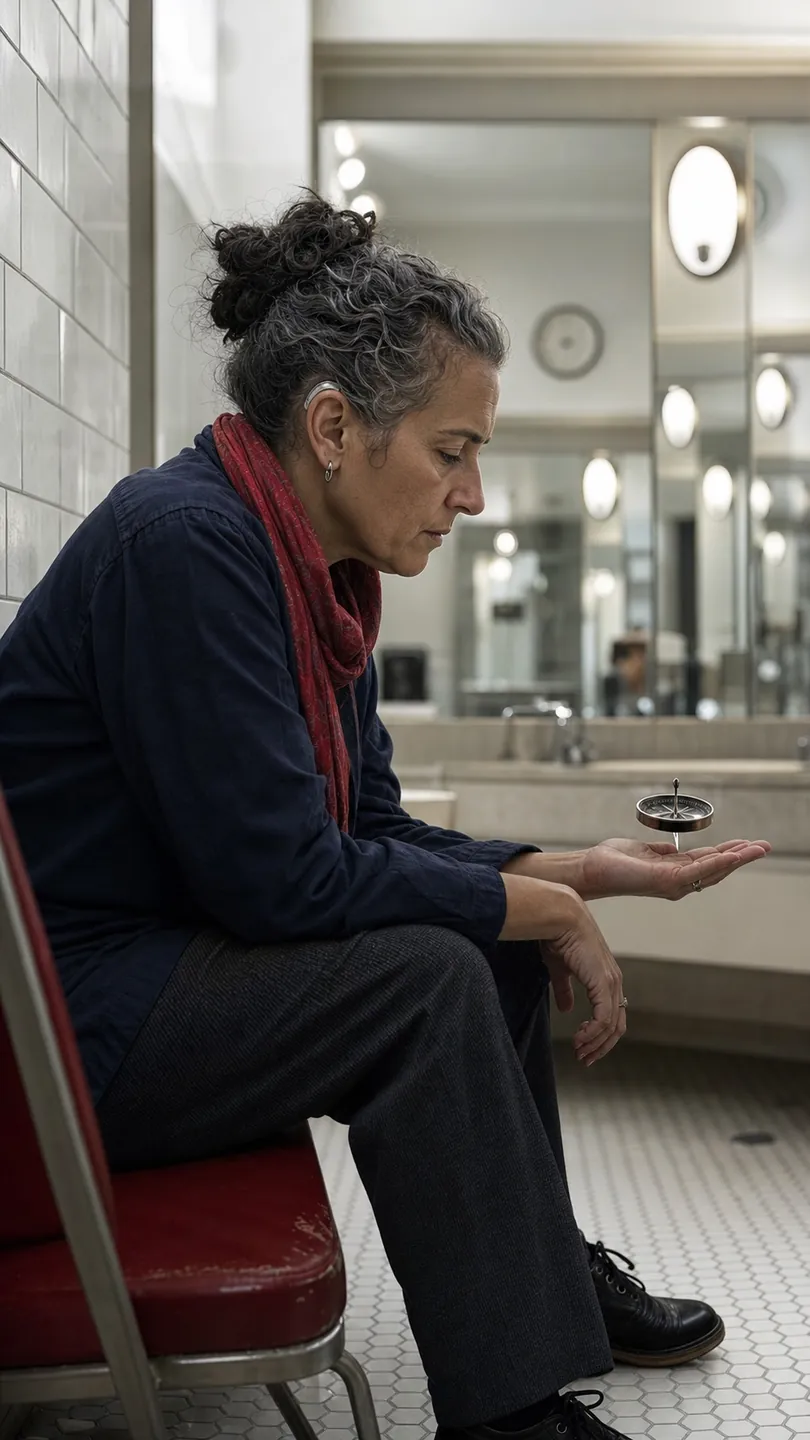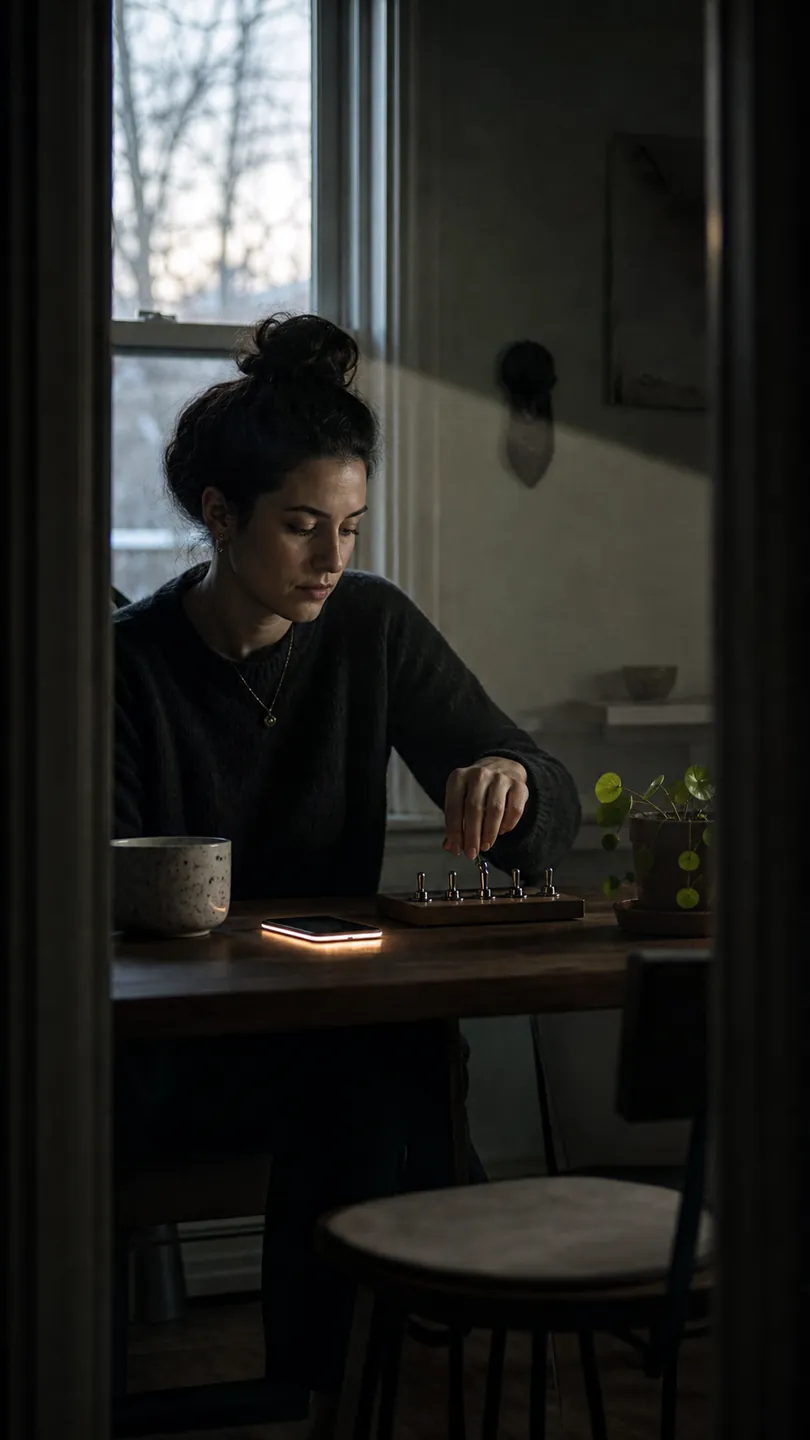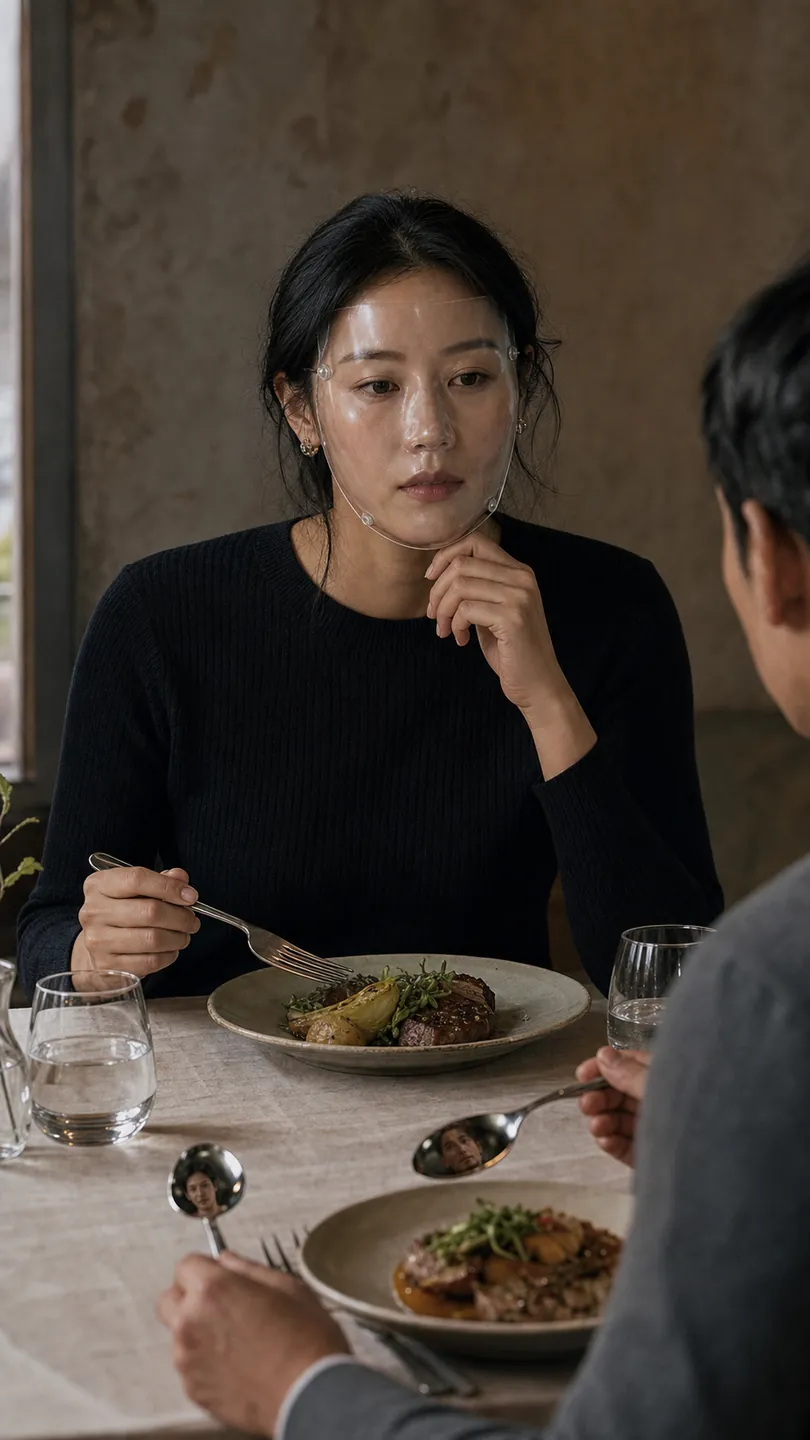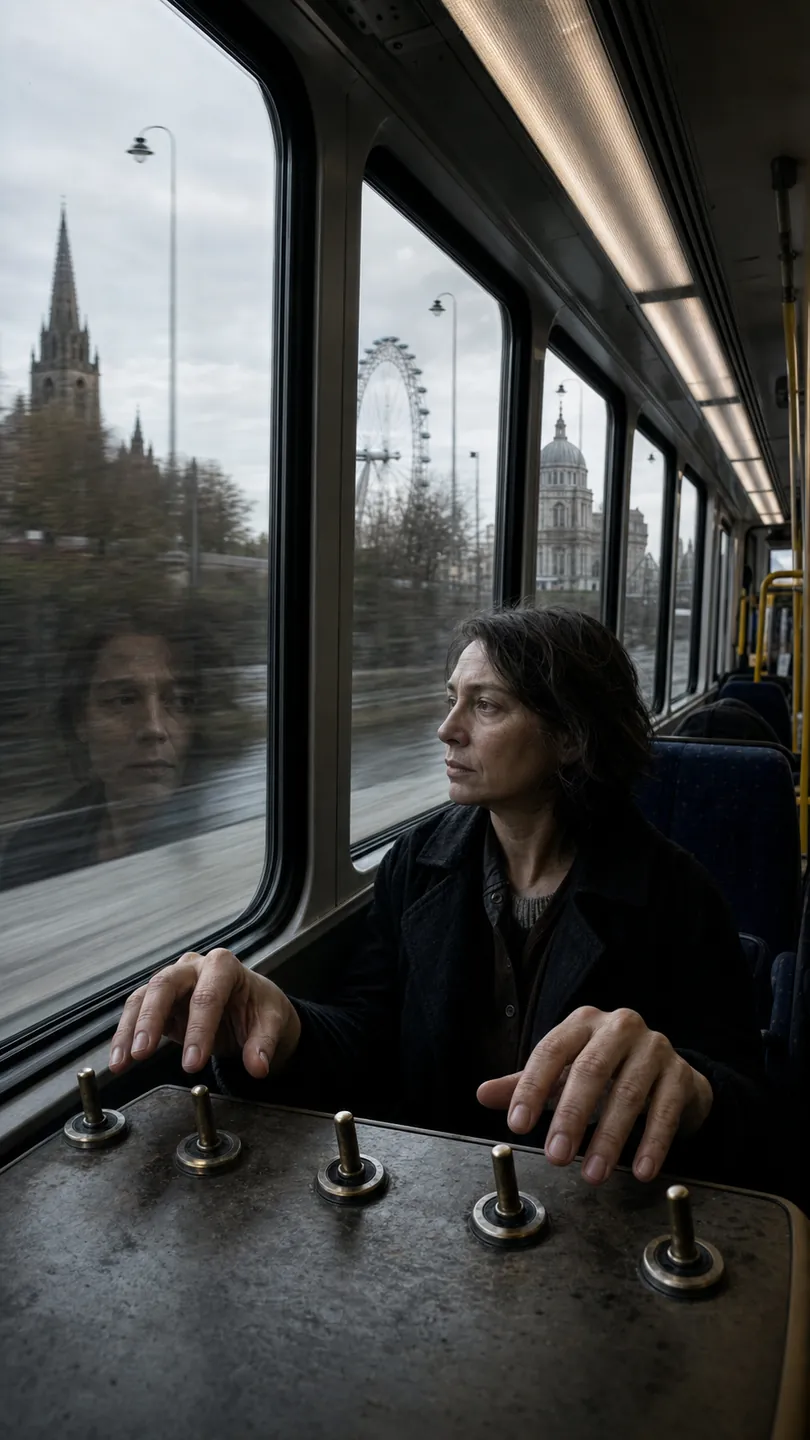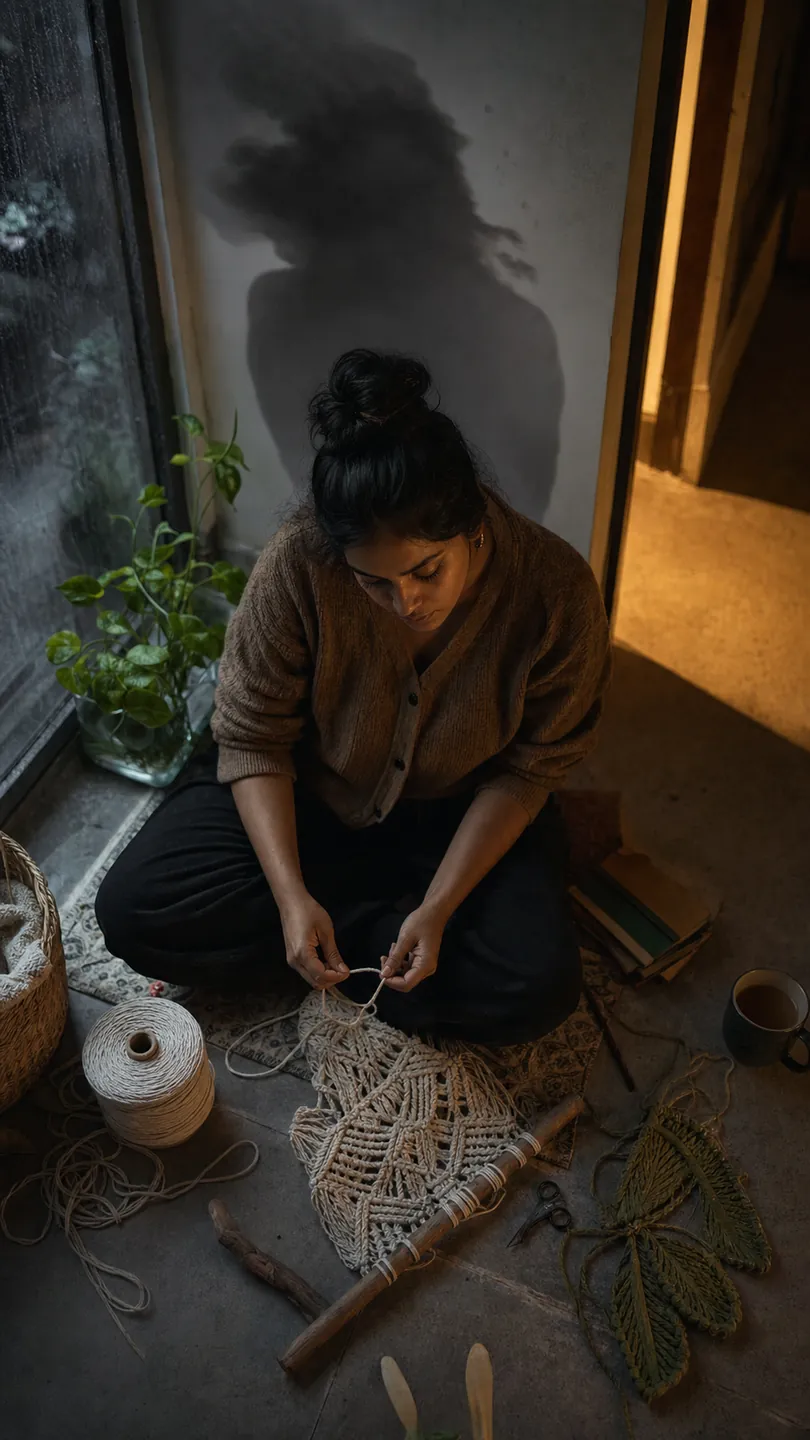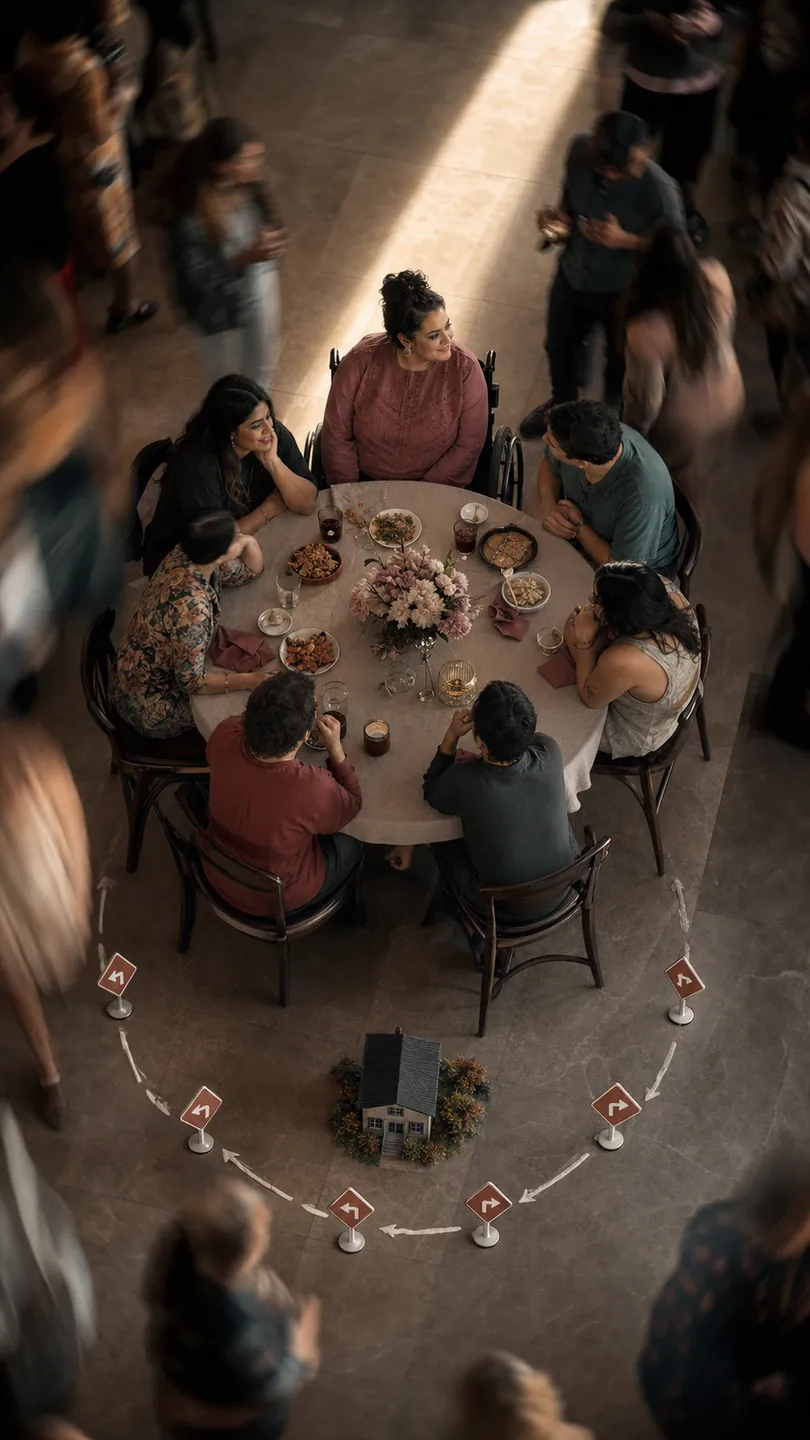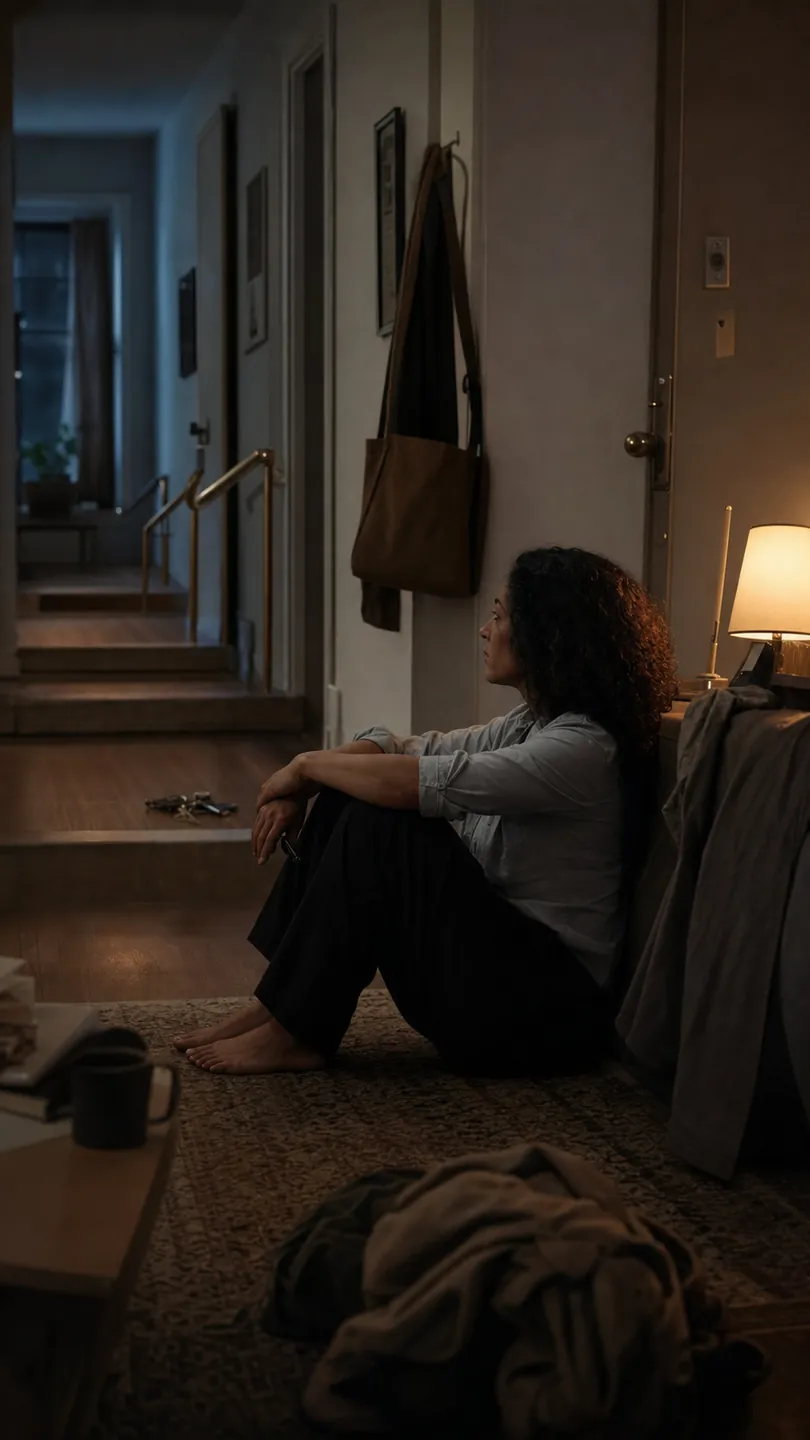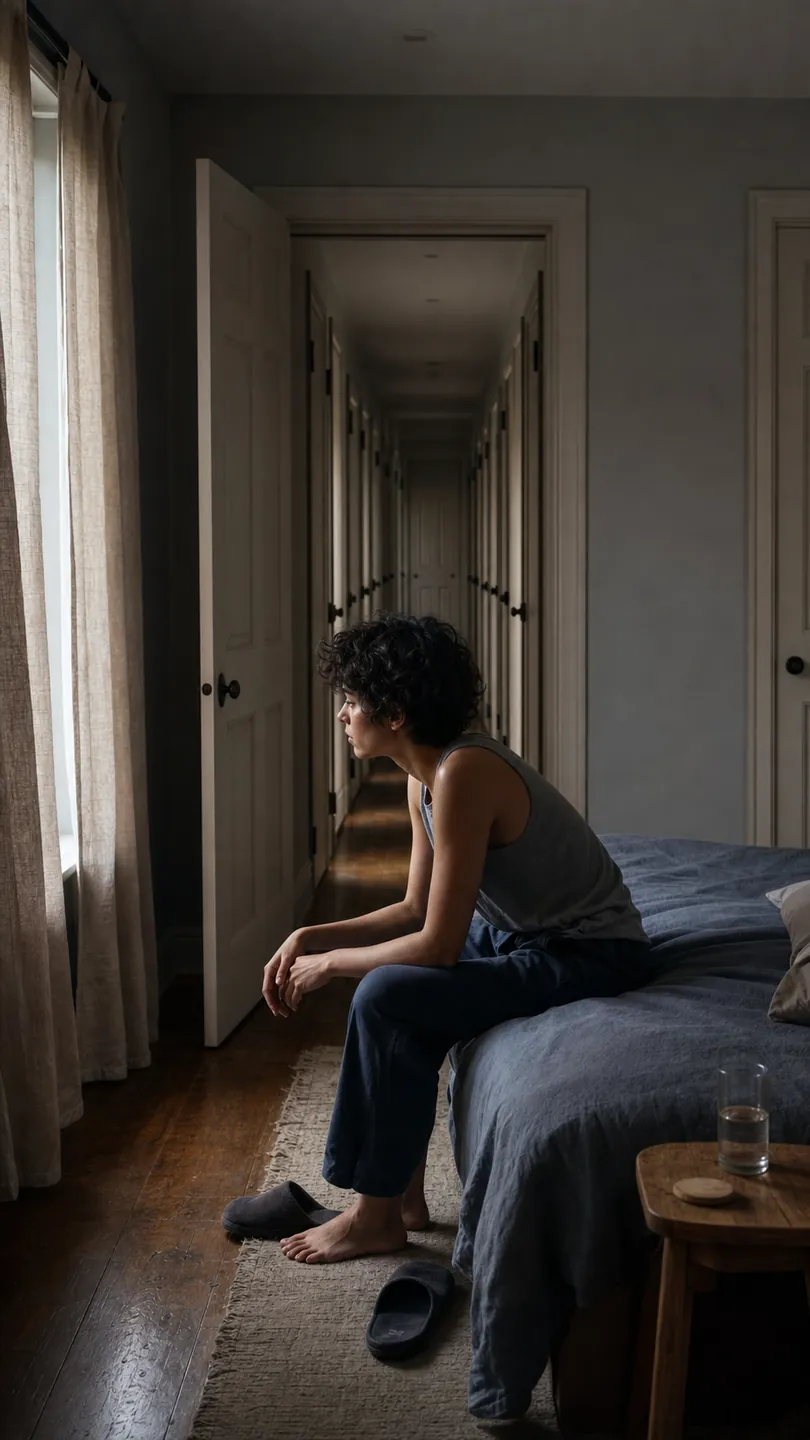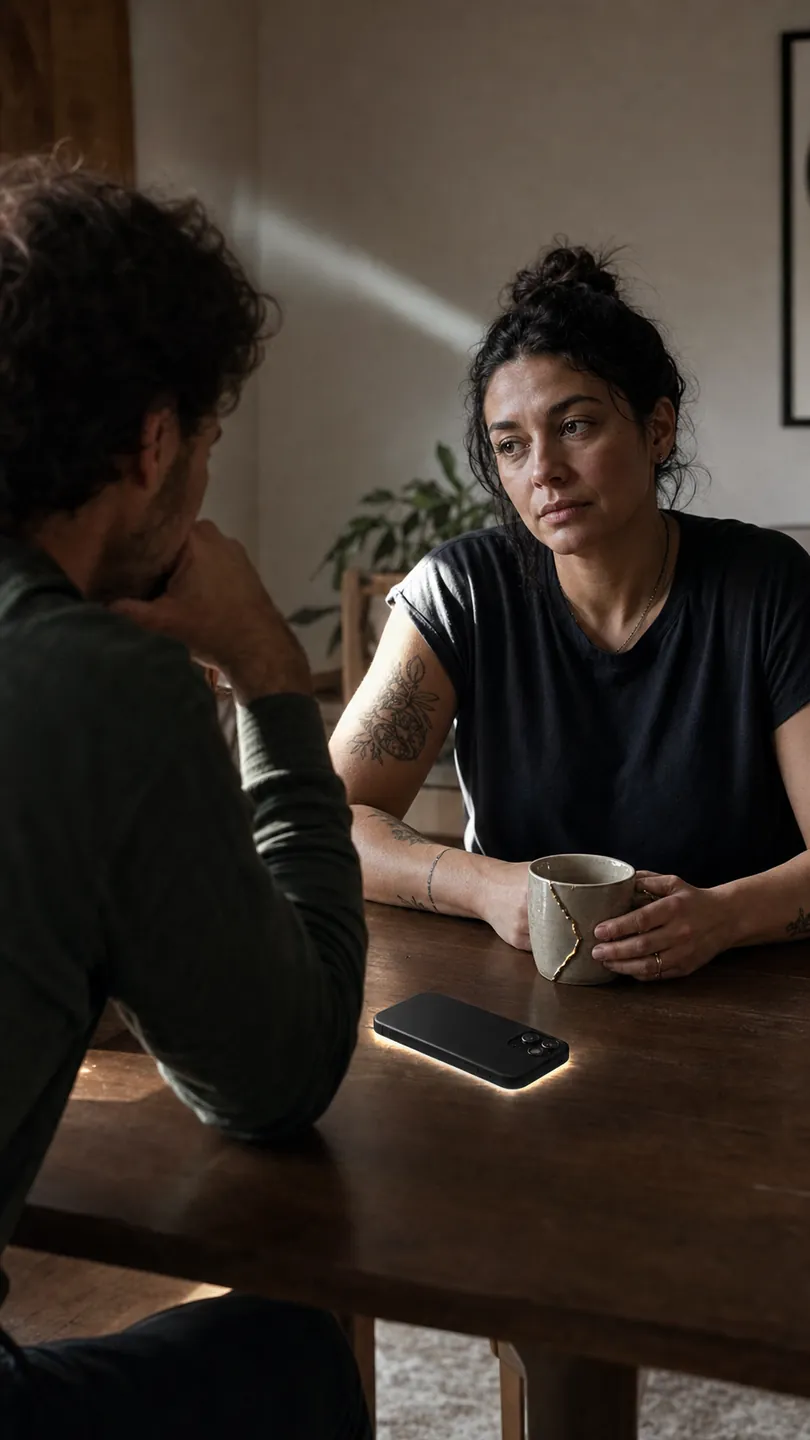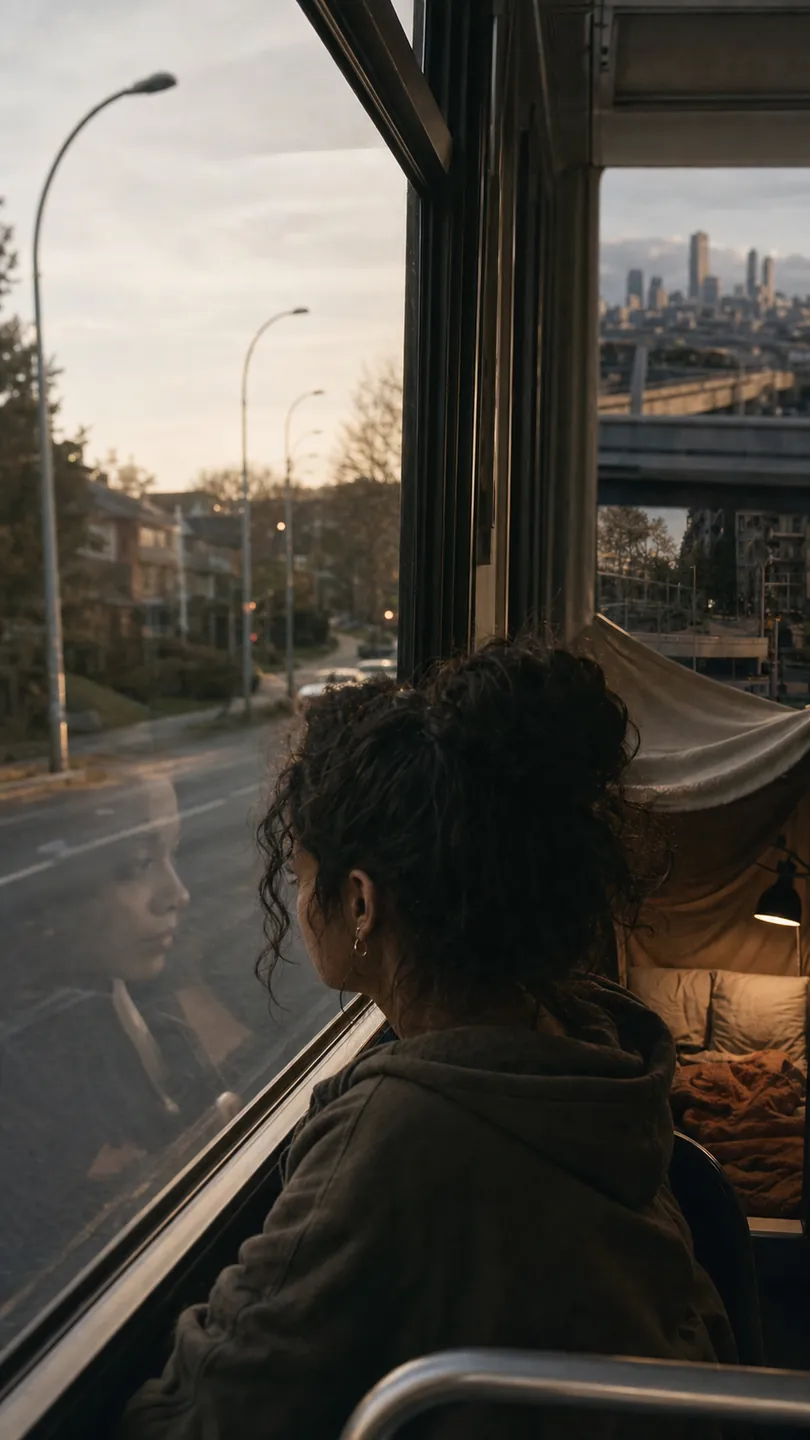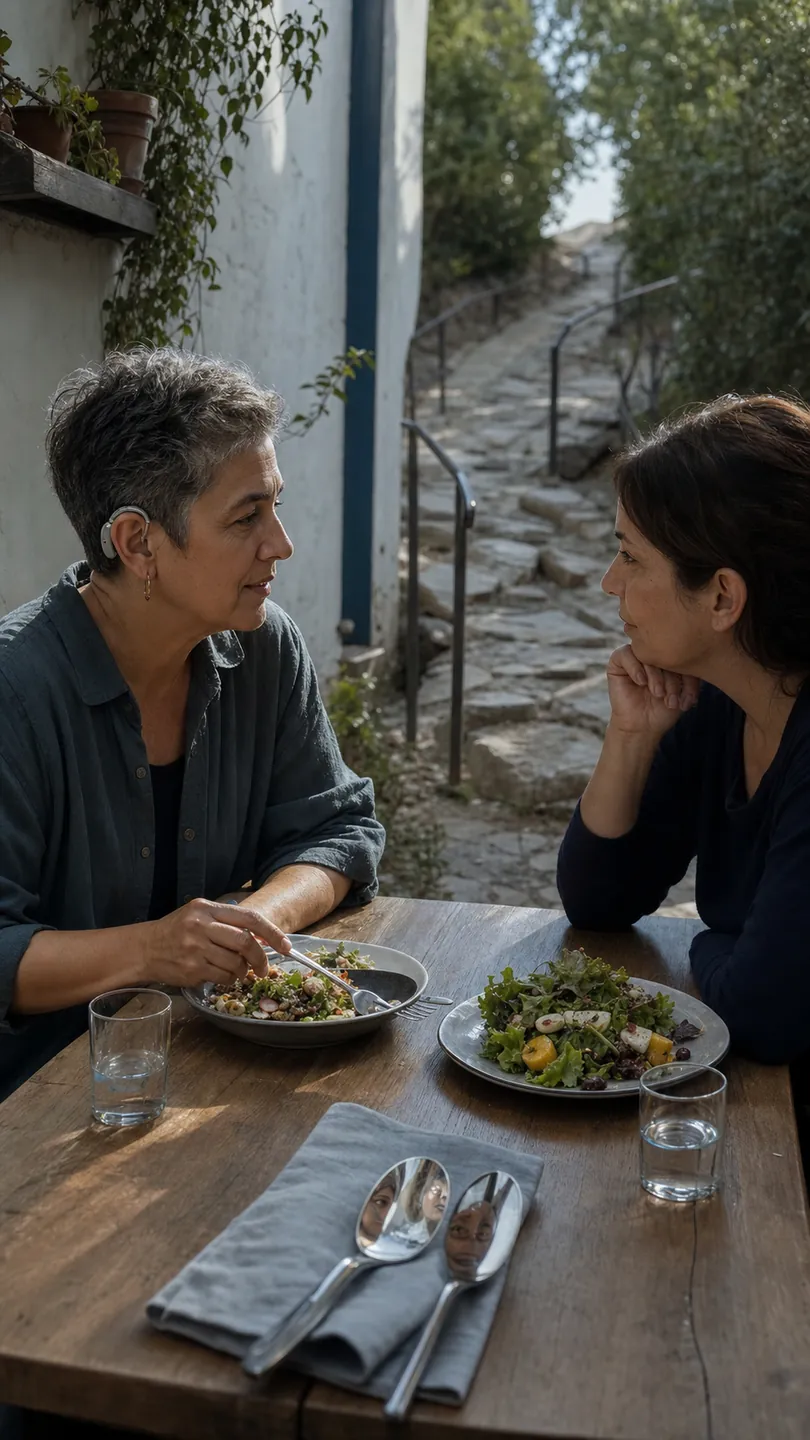
Create a contemplative single-frame image designed to serve as a visual catalyst for reflective writing. SUBJECT & SCENE — Depict the person in an ordinary...
من نص البرومبت
Use the attached reference photo as the identity reference: keep the same face, skin tone, hair and features as the person in that photo, without beautifying, aging or altering them. Create a contemplative single-frame image designed to serve as a visual catalyst for reflective writing. SUBJECT & SCENE — Depict the person in an ordinary moment: sharing a meal while trying to interpret pauses, expressions, tone, and an inner mood that keeps changing the evidence. Ground the scene in two place settings, subtle distance between hands, and reflections in cutlery that suggest conflicting viewpoints. If the person in the reference photo wears a hearing aid, show it visibly and naturally; if not, do not add one. Either way, keep an unselfconscious posture. INNER DYNAMIC — Let the image express this dynamic: the meanings attached to therapy, medication, diagnosis, routines, and asking for help changing over time. Show the person as complex and capable, not broken or inspirational. Communicate the tension through restrained posture, attention, and behavior rather than exaggerated facial emotion. SYMBOLIC DETAIL — Integrate handrails appearing along a path only where the ground becomes uneven as the only controlled departure from realism. It should feel physically present yet subtle enough to be understood only after the everyday scene is noticed. TIME & IDENTITY — Suggest many conversations remembered differently by the people who were there. Let the scene hold this identity question: whether receiving support makes the self more authentic, more dependent, or simply more able to act. VISUAL LANGUAGE — Use a close environmental portrait that keeps the surrounding routine visible; quiet morning sun reflected indirectly from a pale wall; cool gray-blue with realistic skin warmth; paper edges, thread, and softened corners that suggest use over time. BOUNDARIES — No words, captions, diagnostic labels, medical clichés, self-harm imagery, horror framing, or sensational despair. Keep the portrayal humane, culturally respectful, emotionally complex, and accessible. Portrait orientation, 9:16, high detail, realistic anatomy and materials.