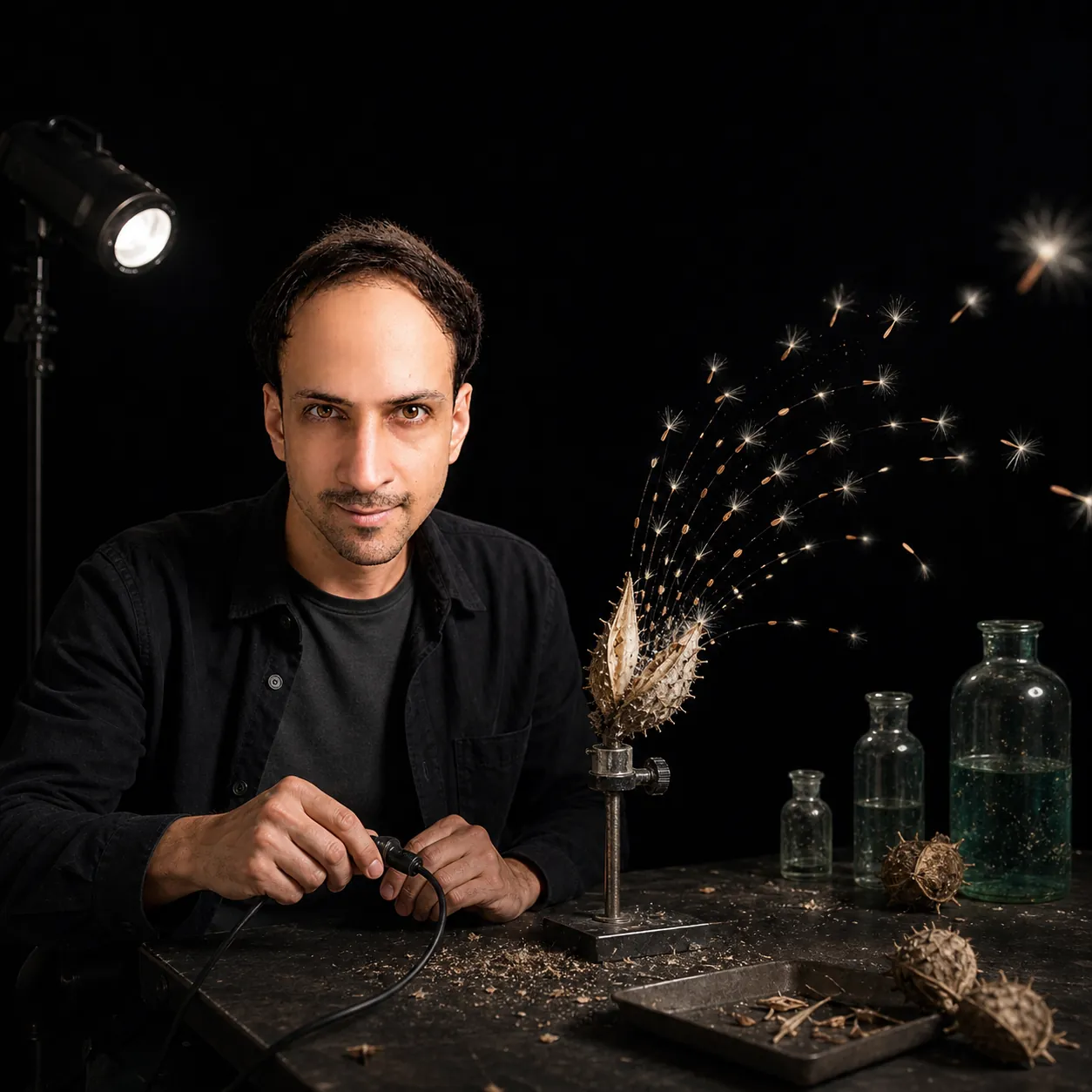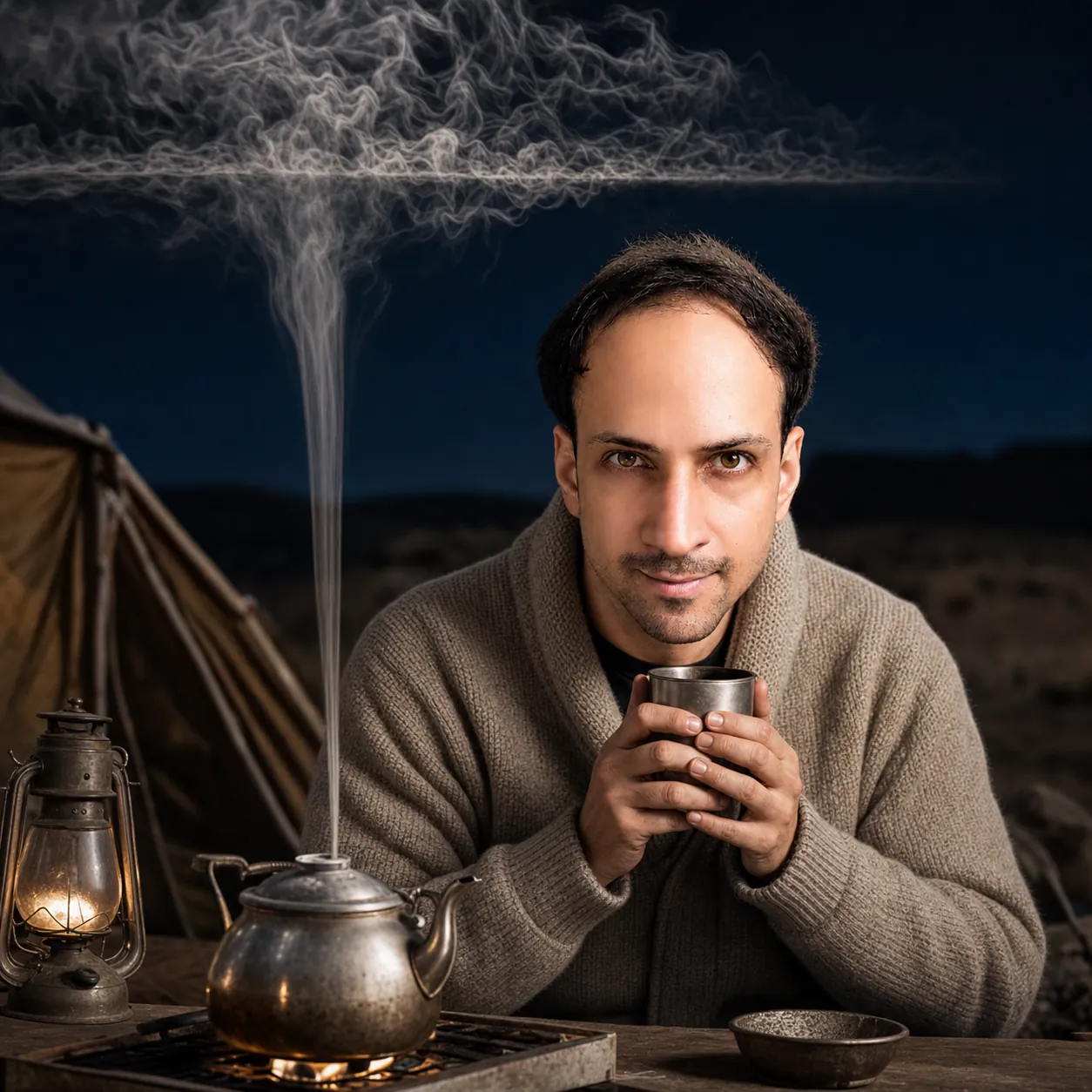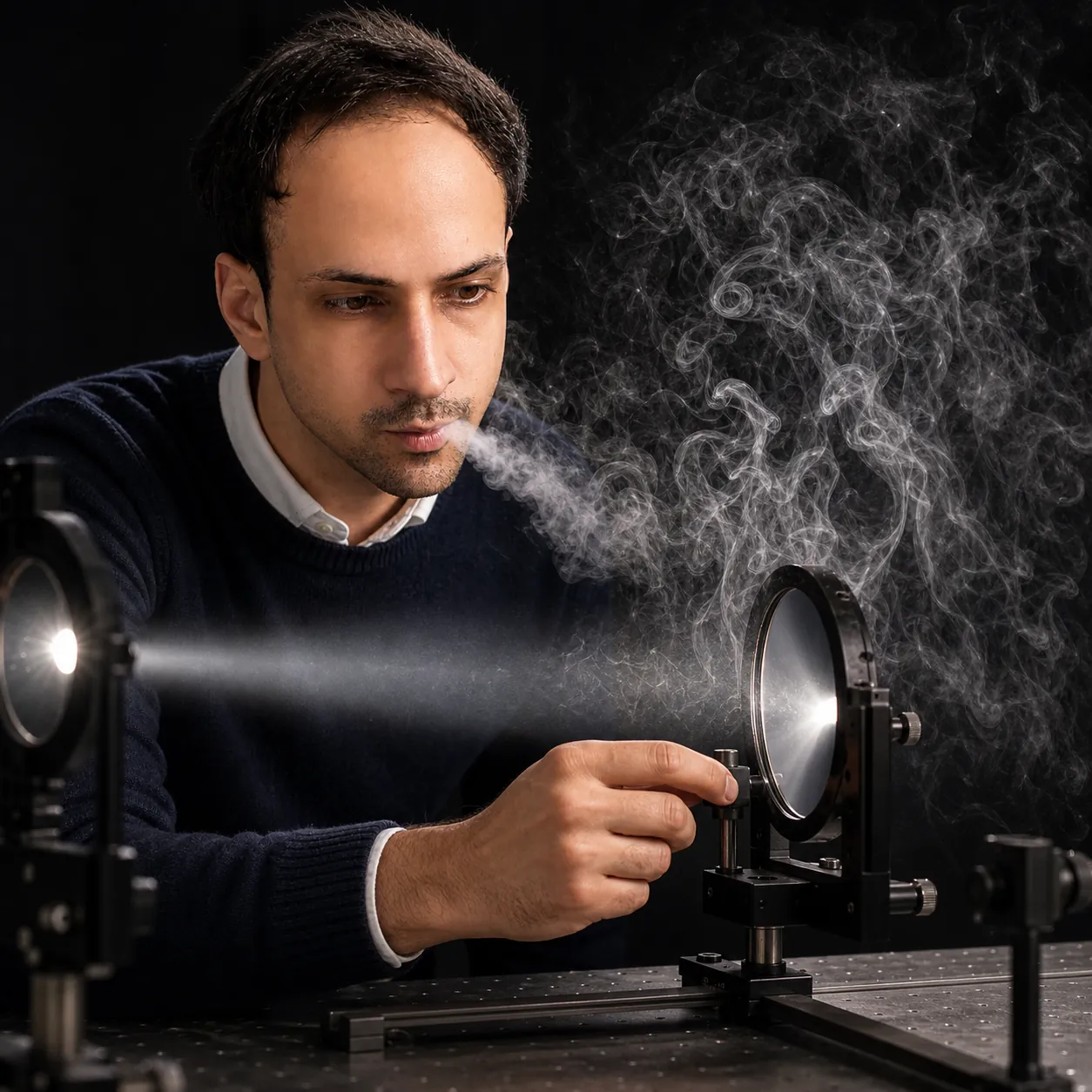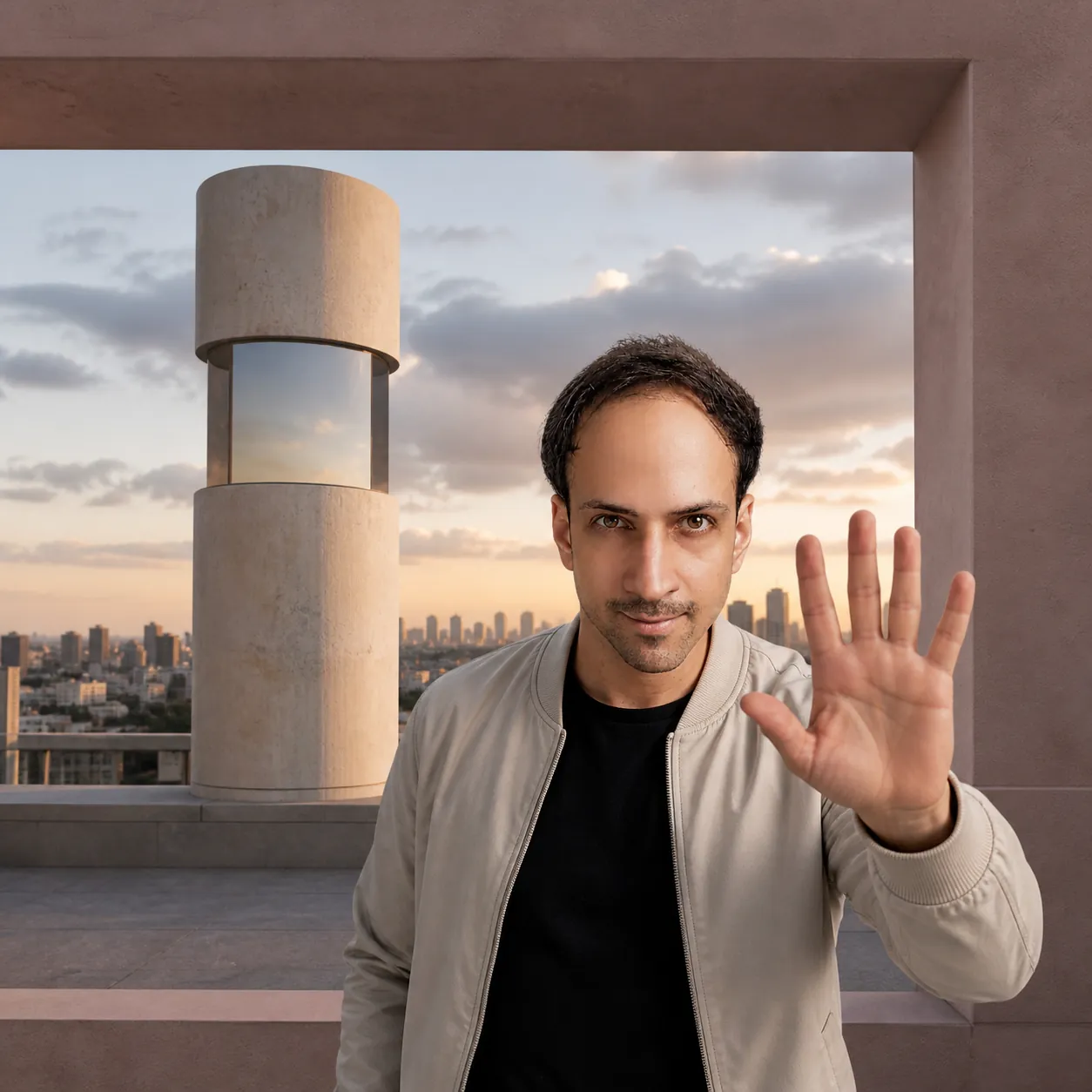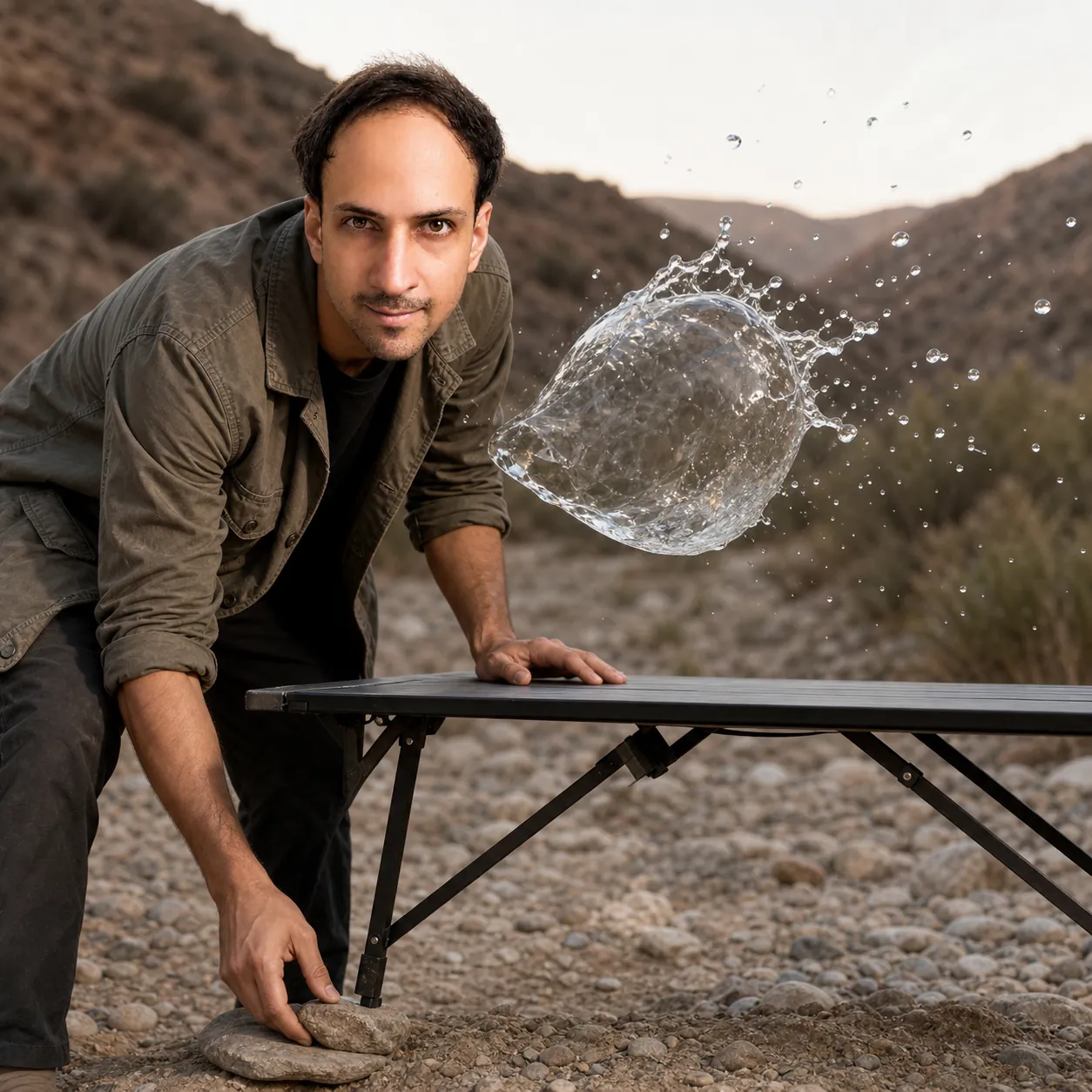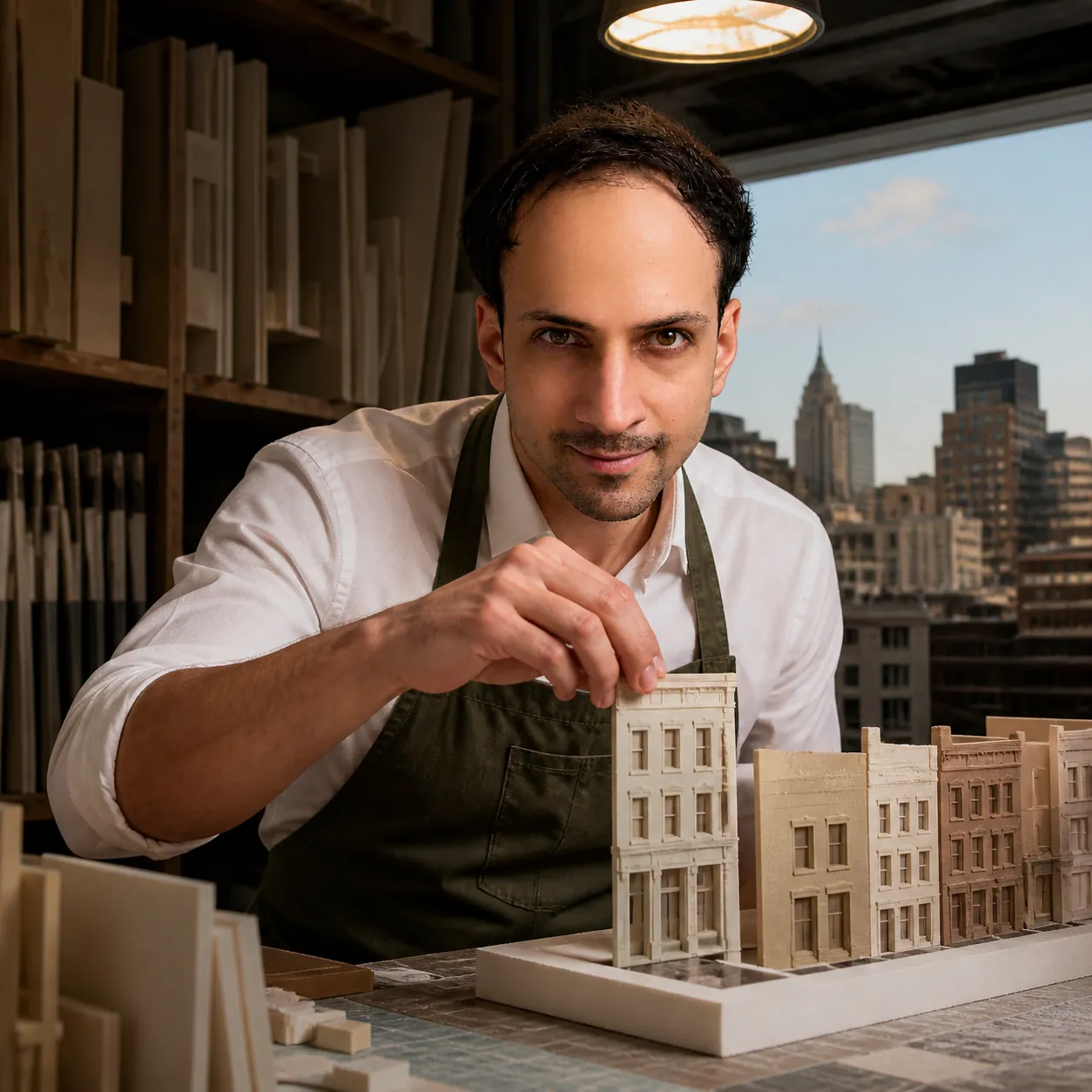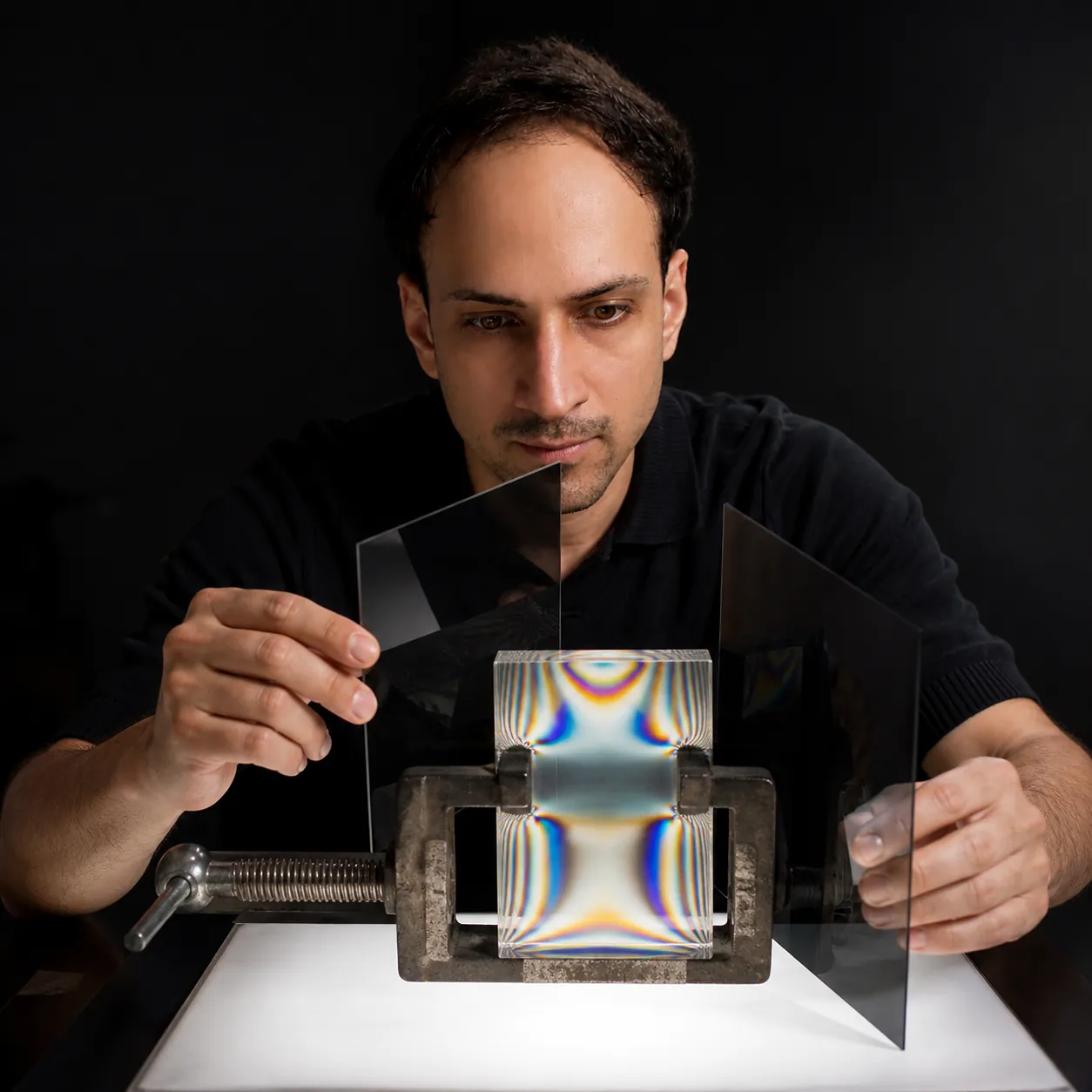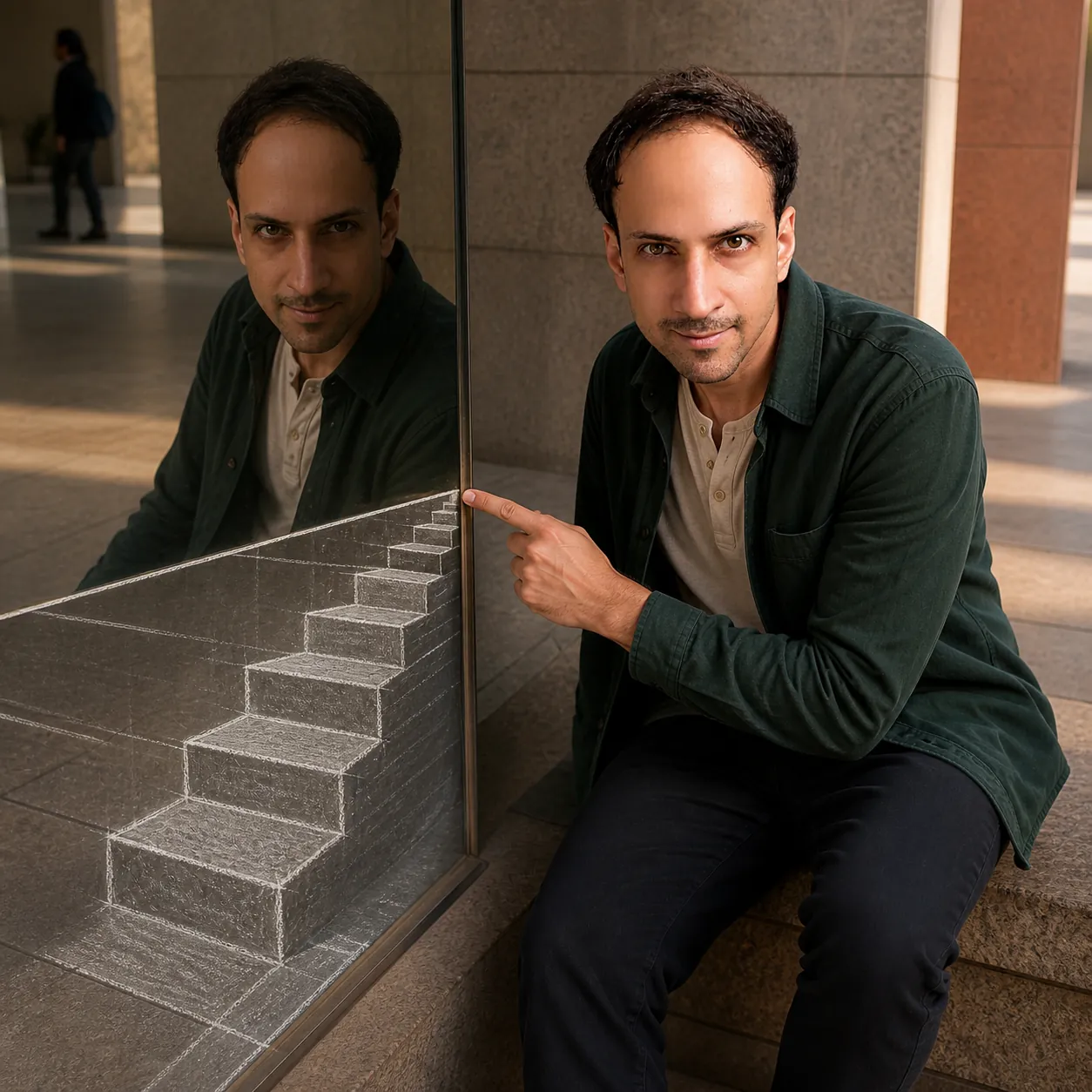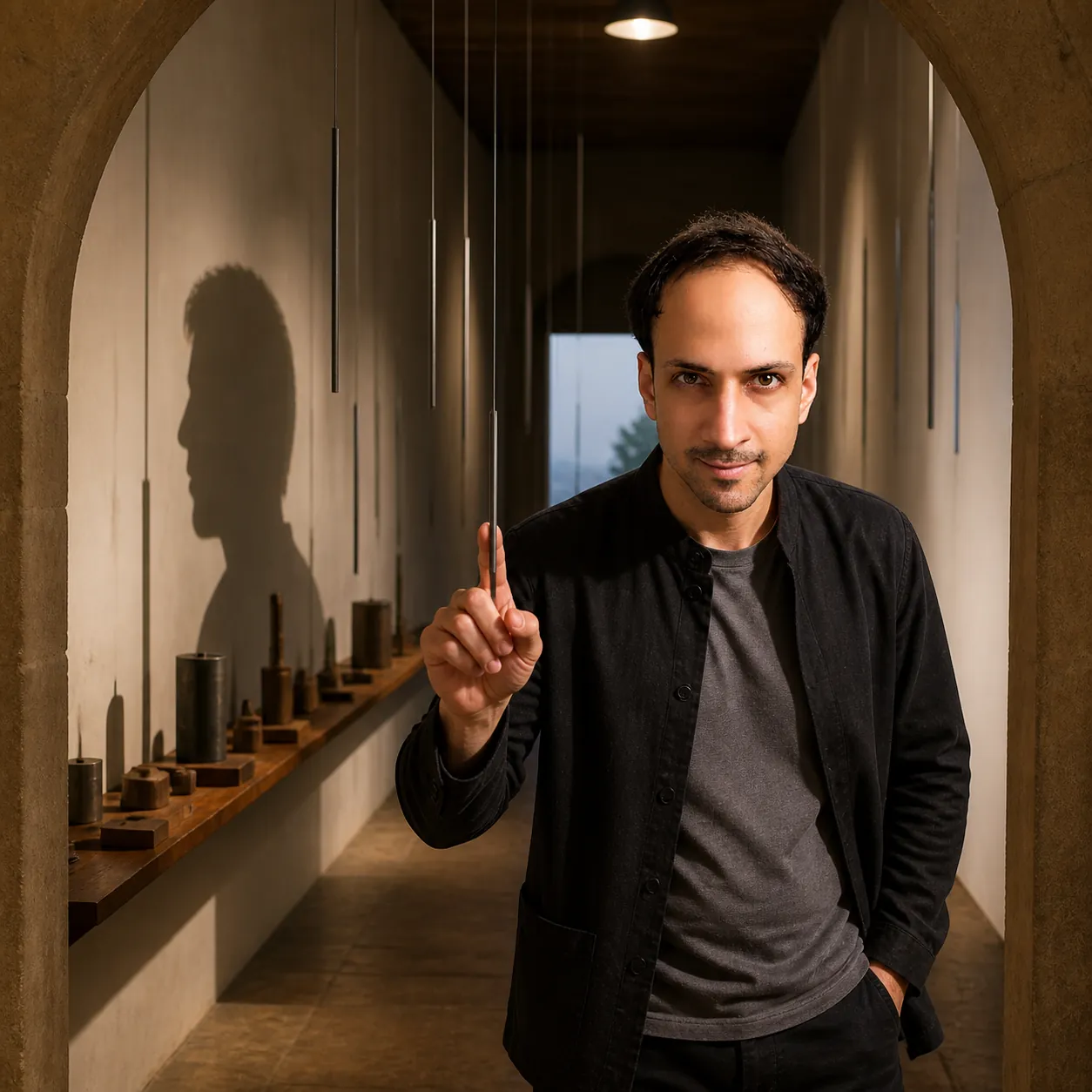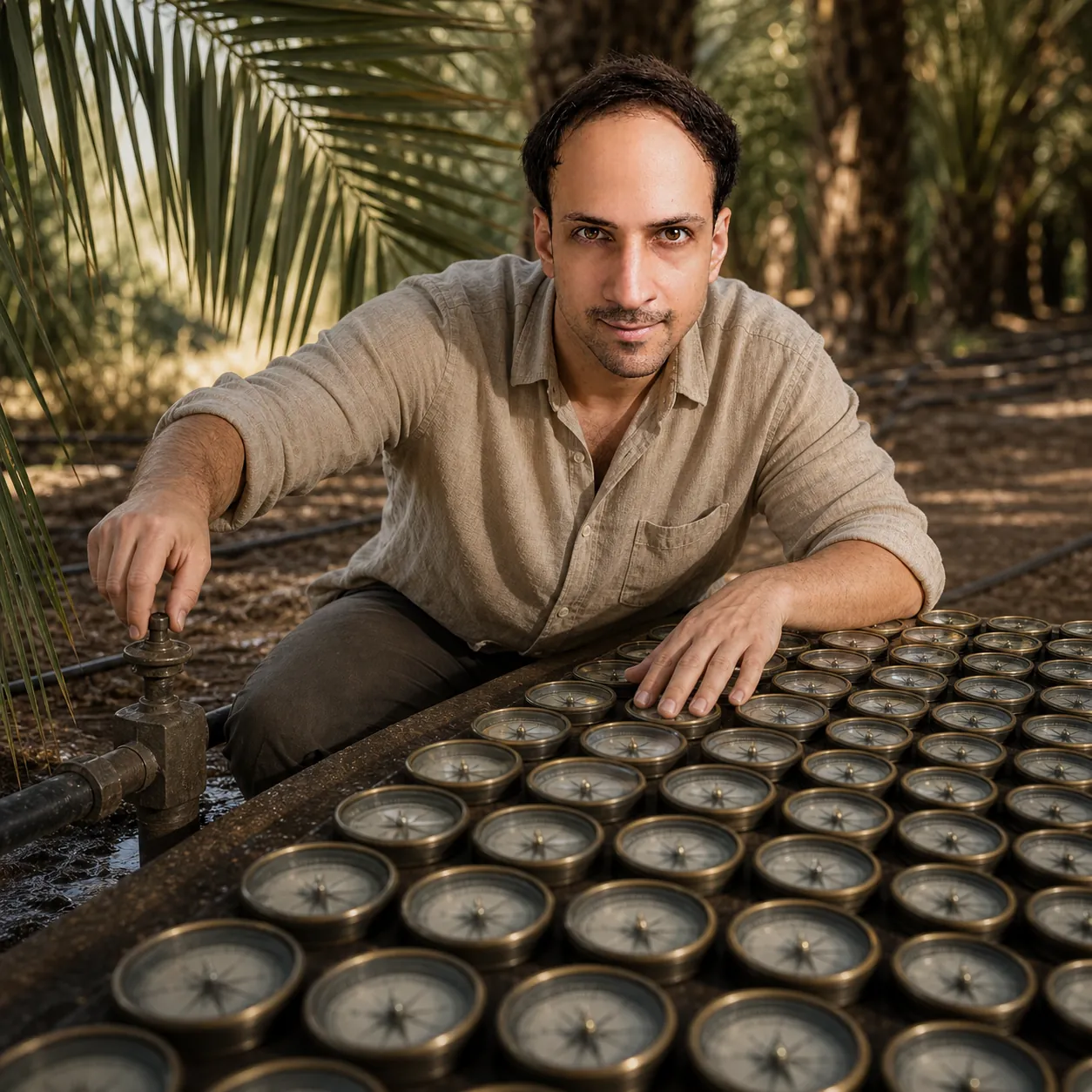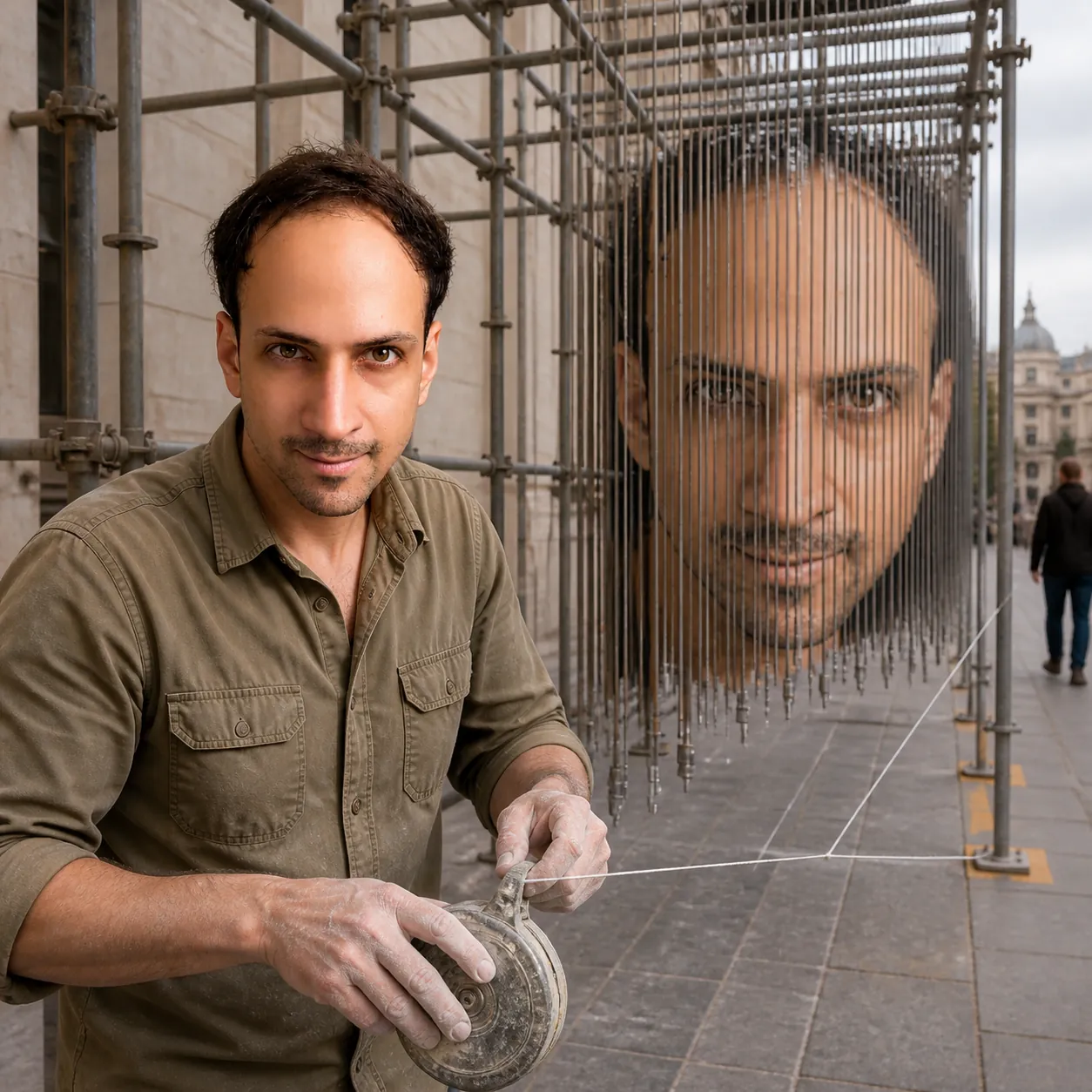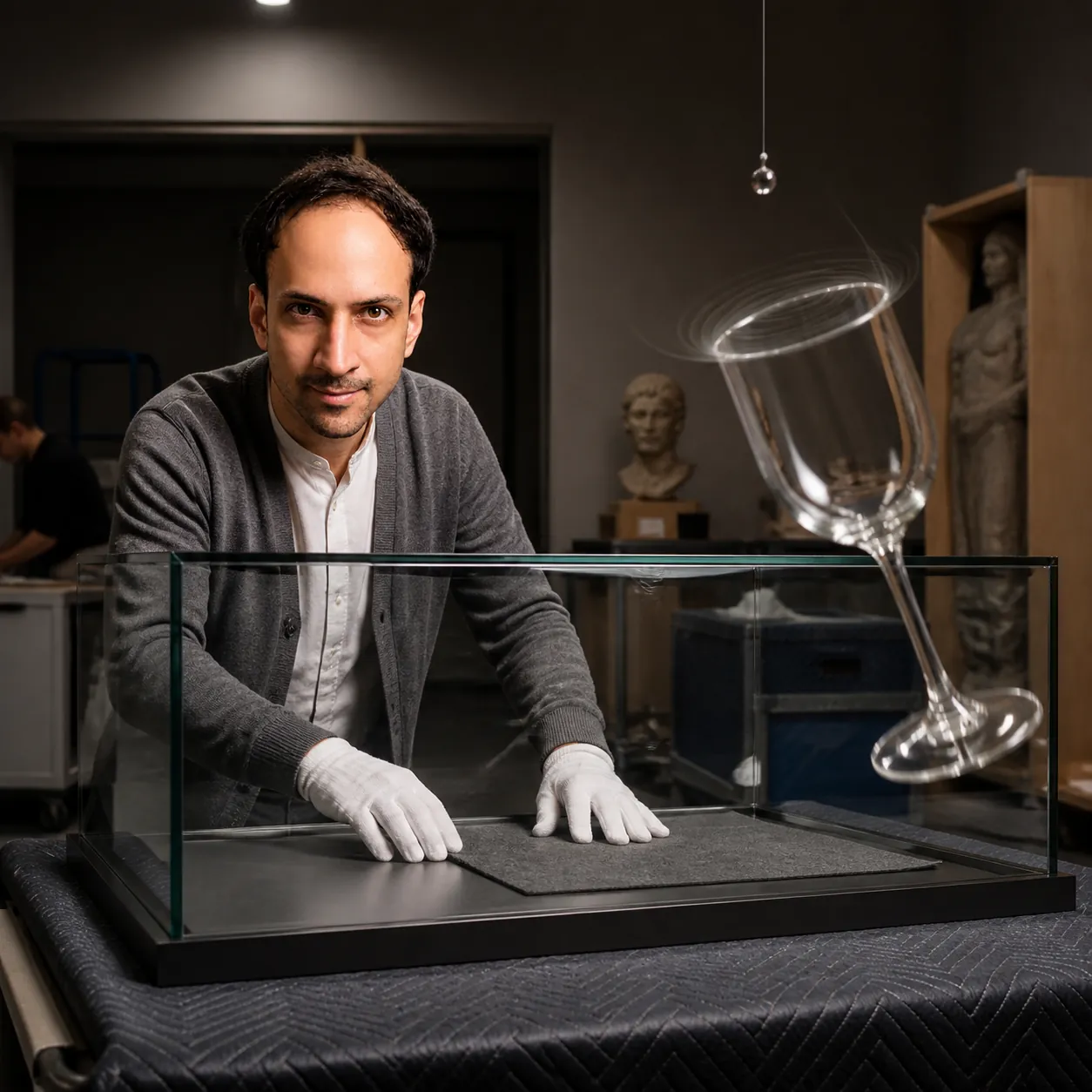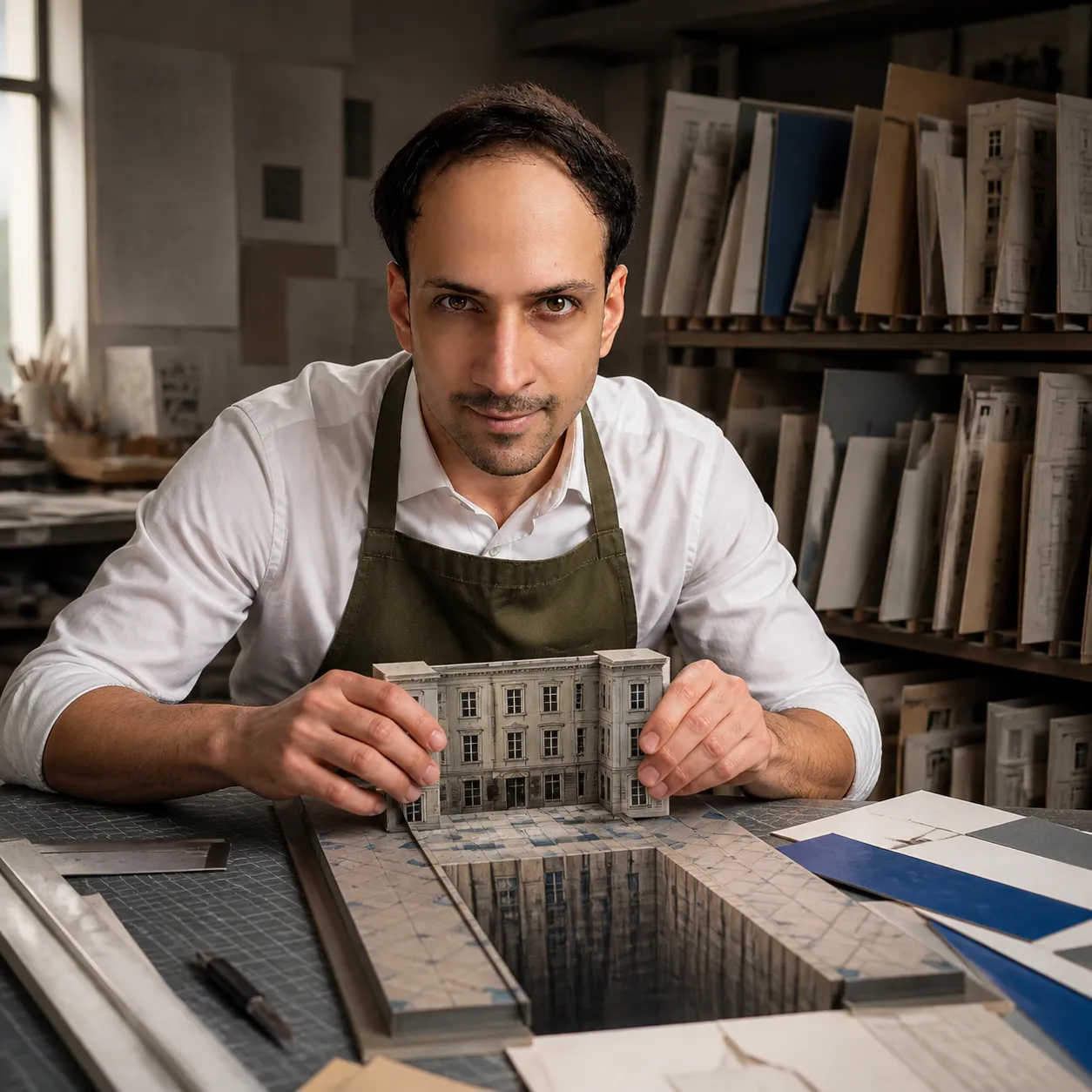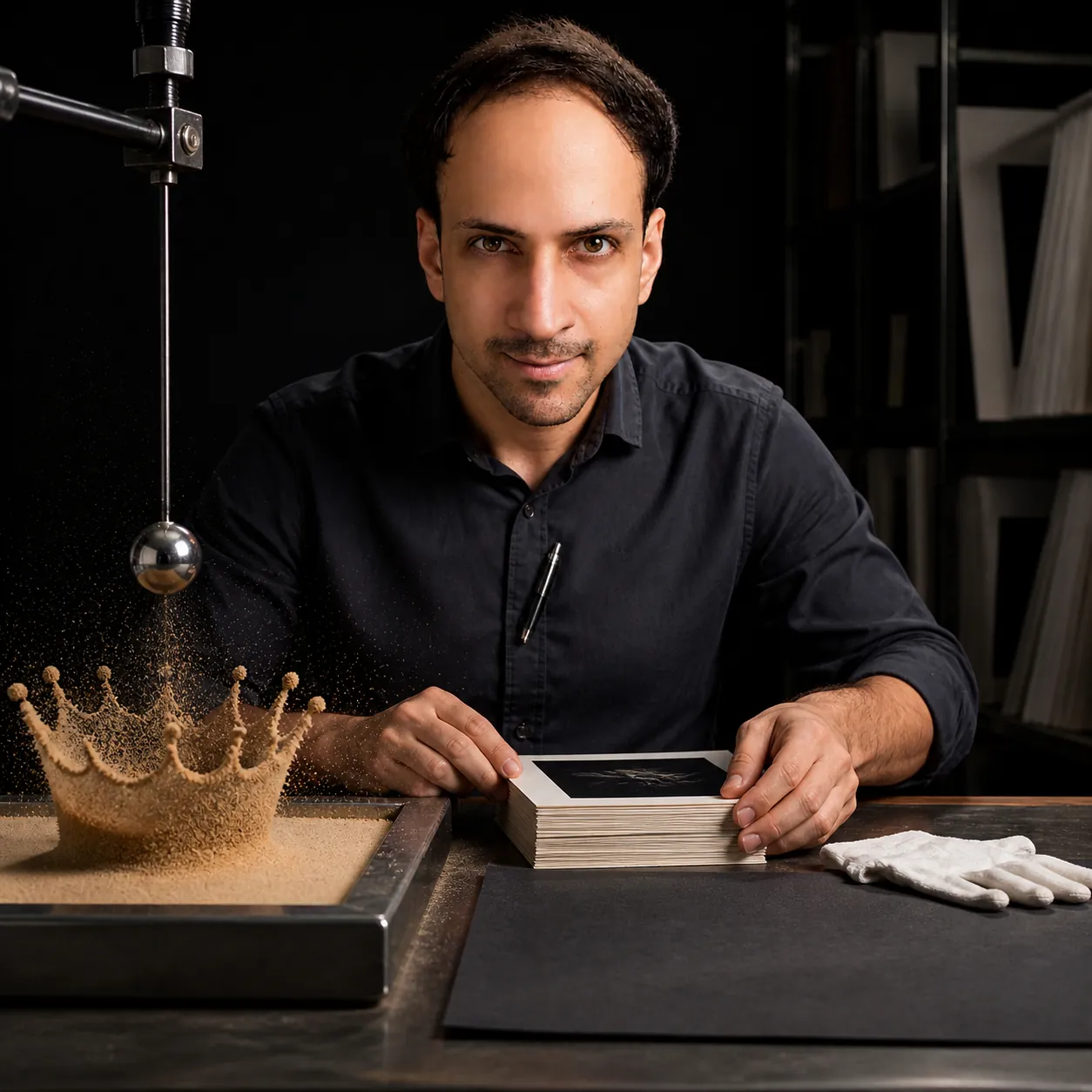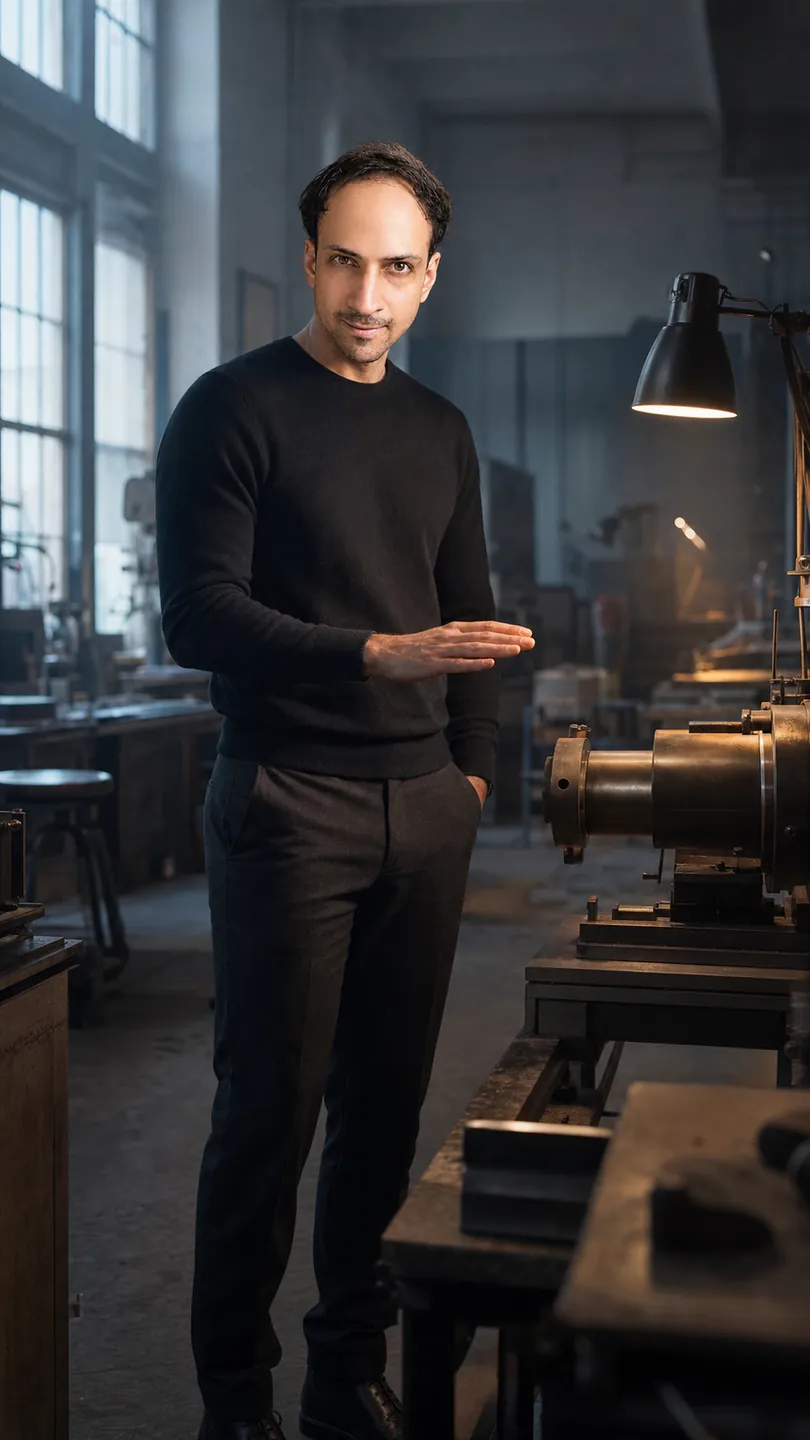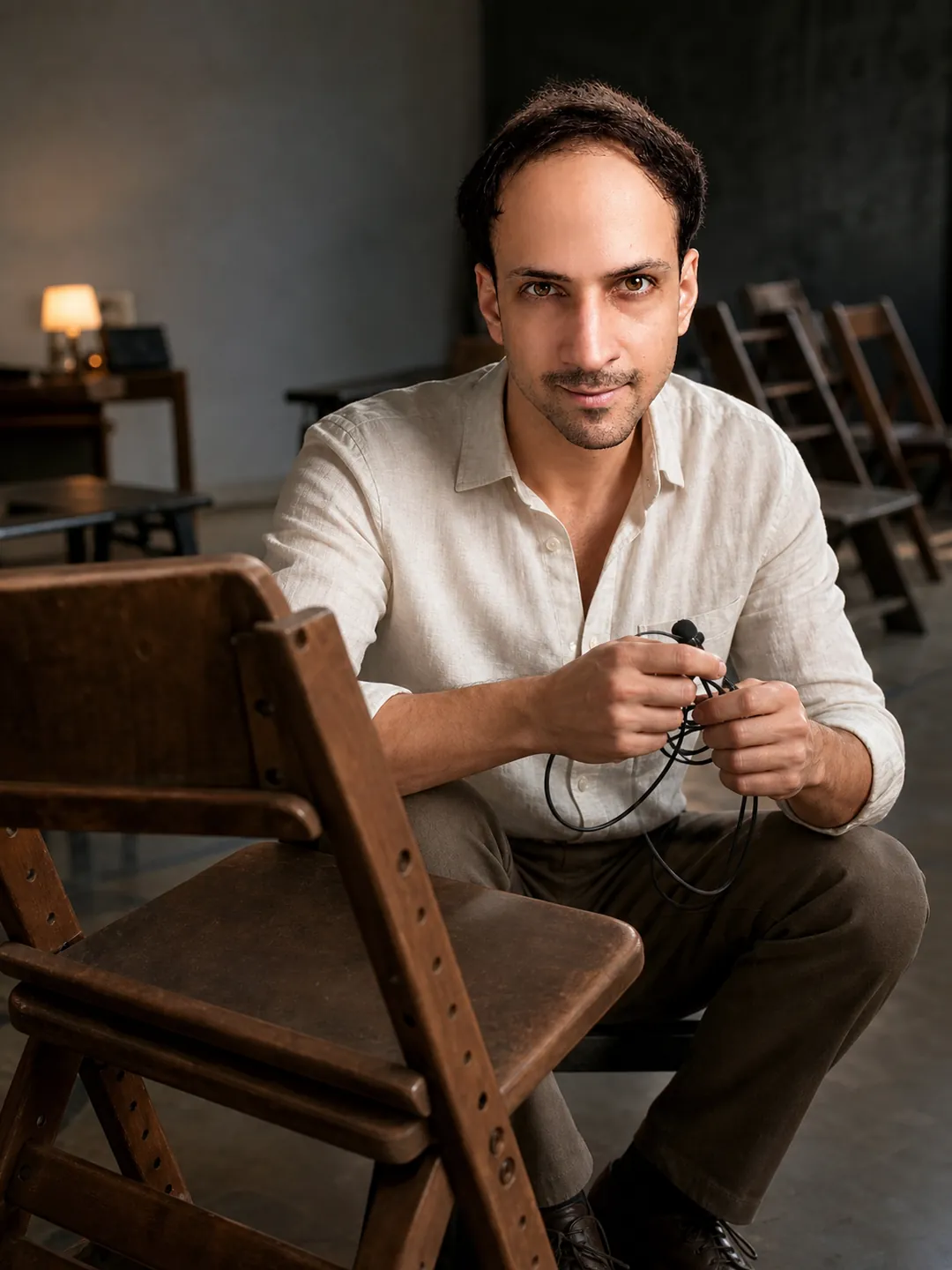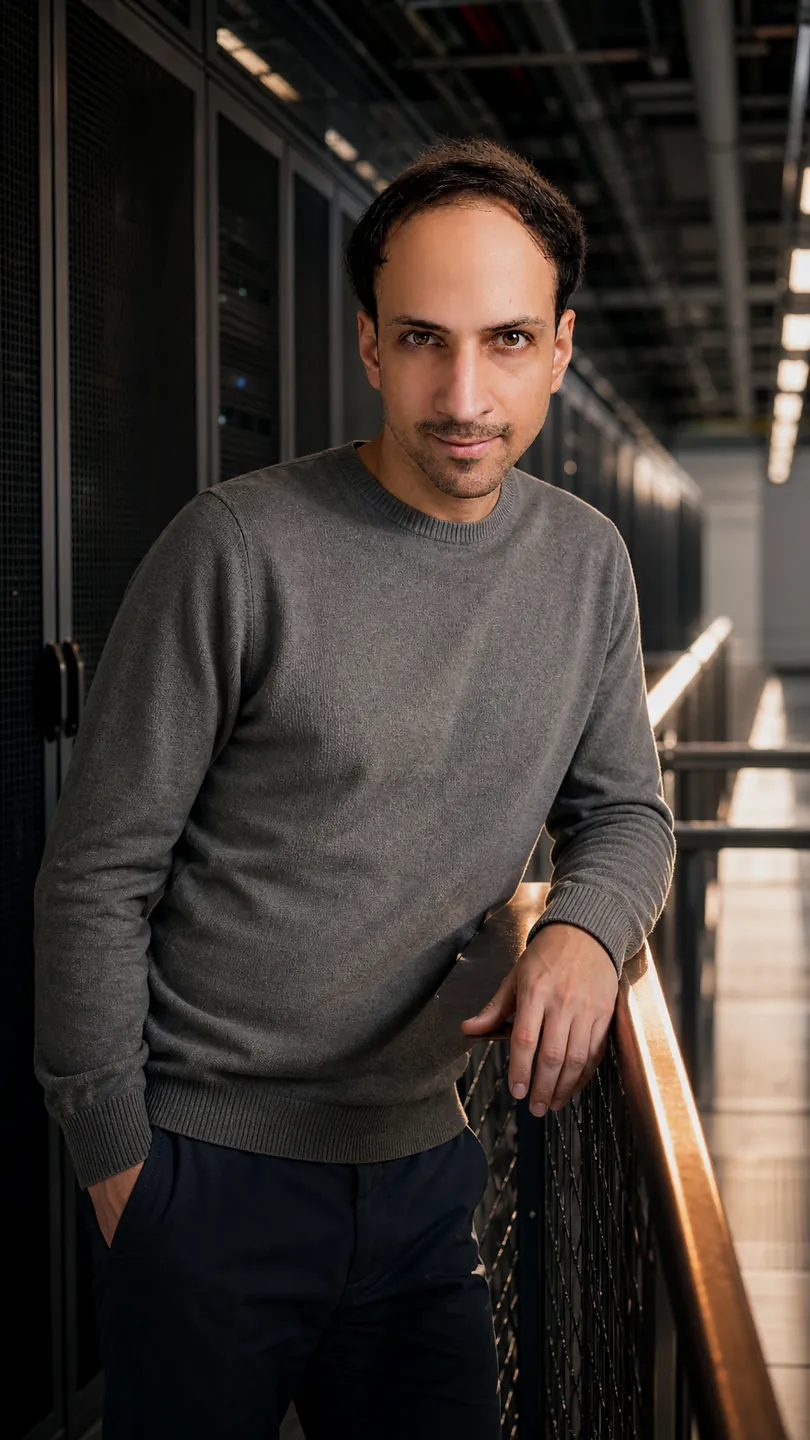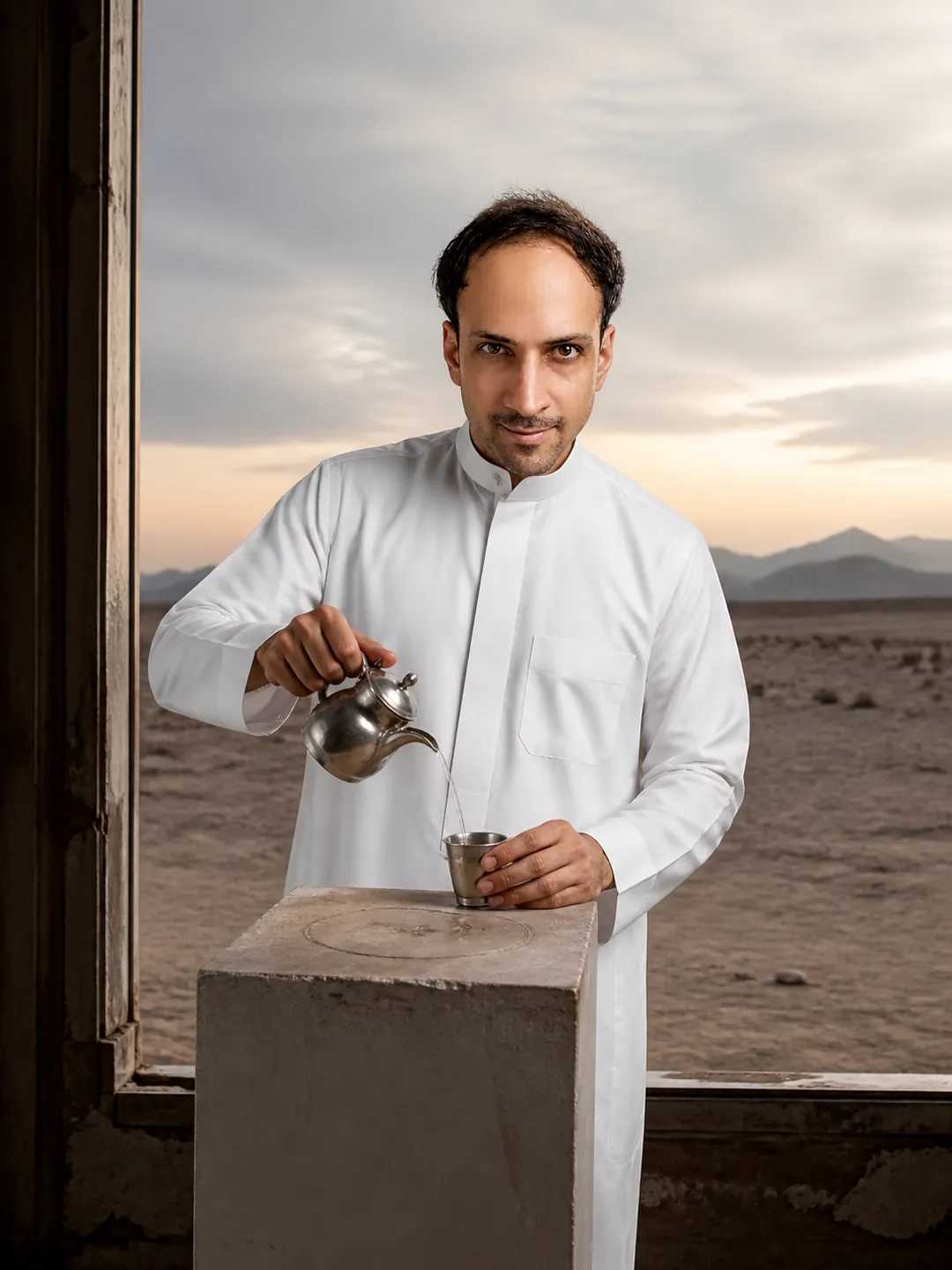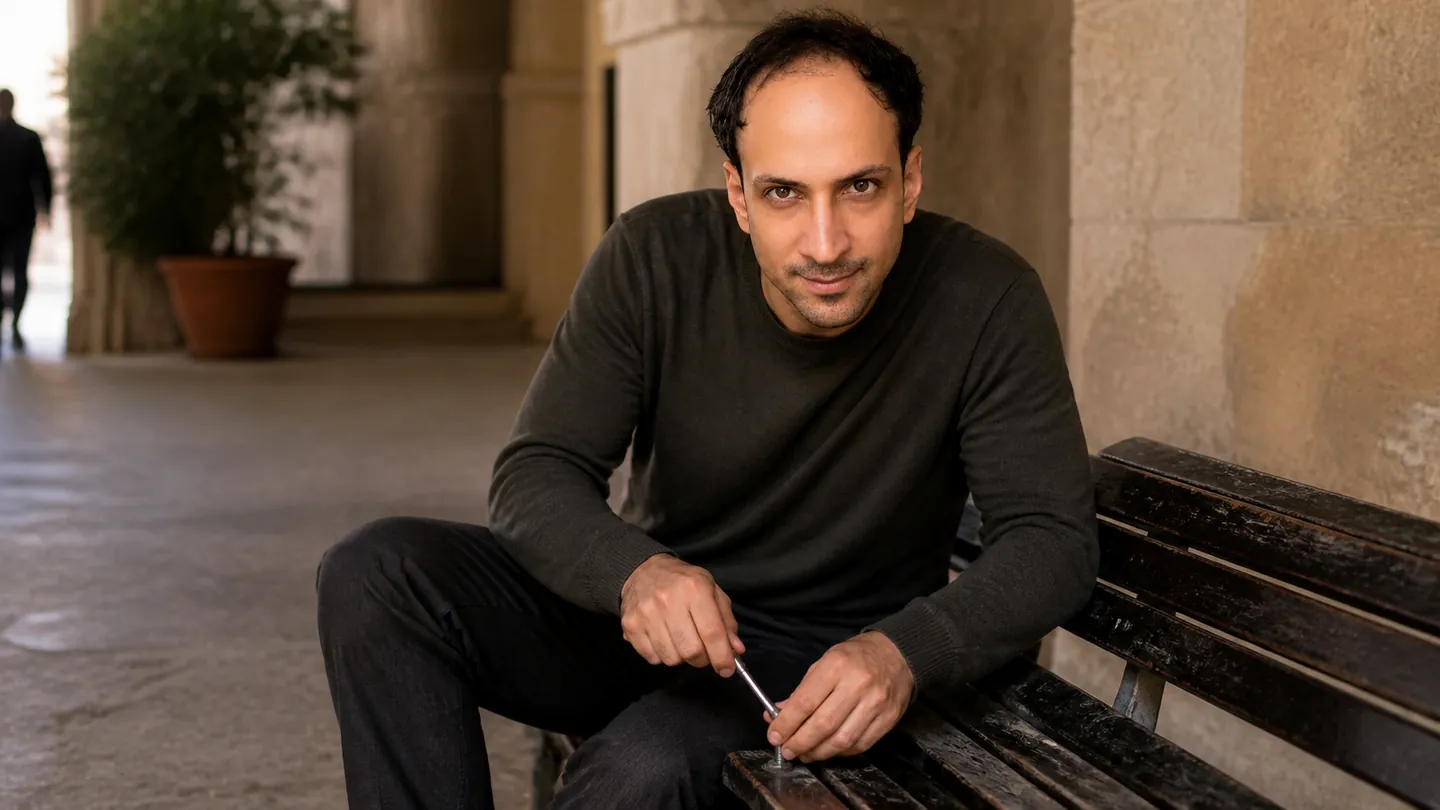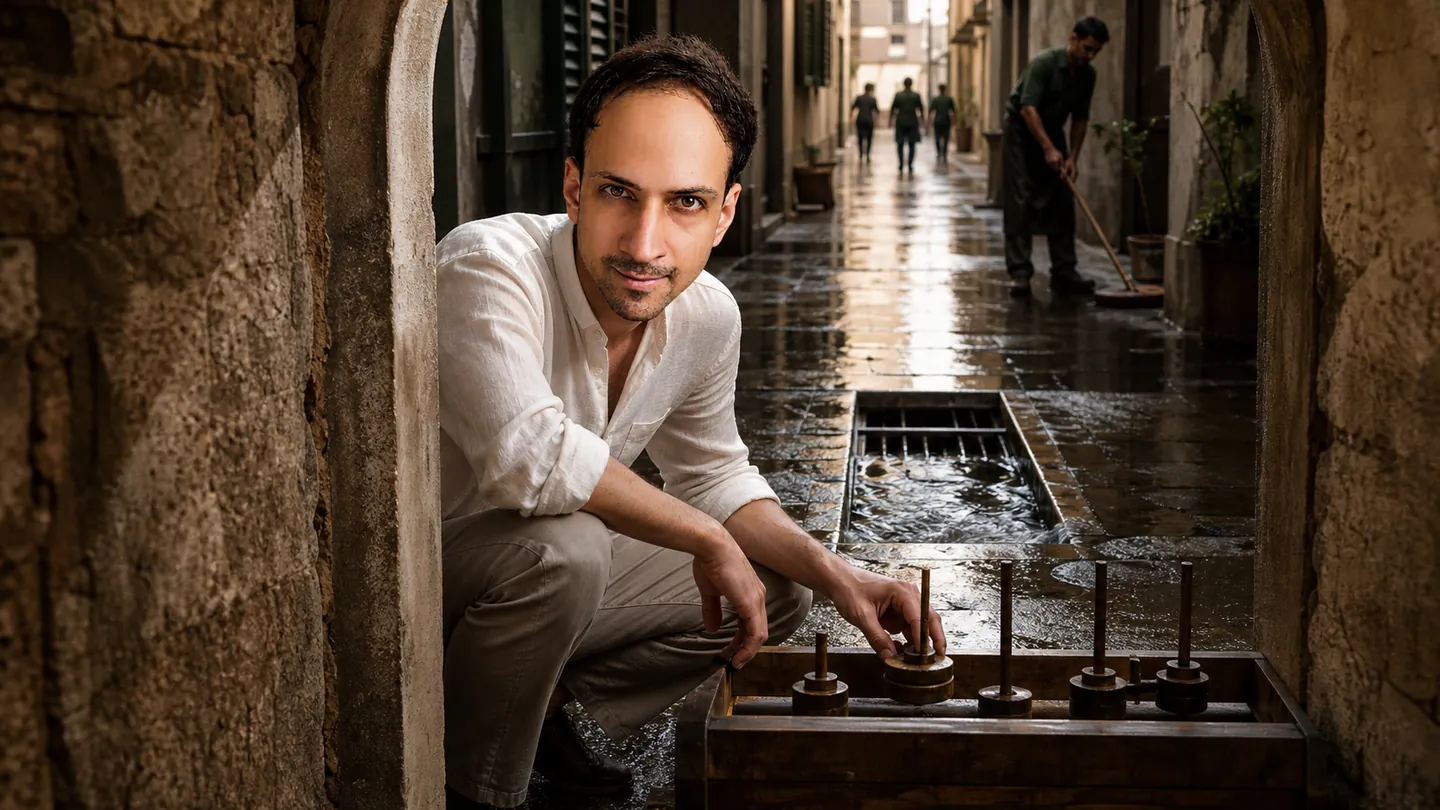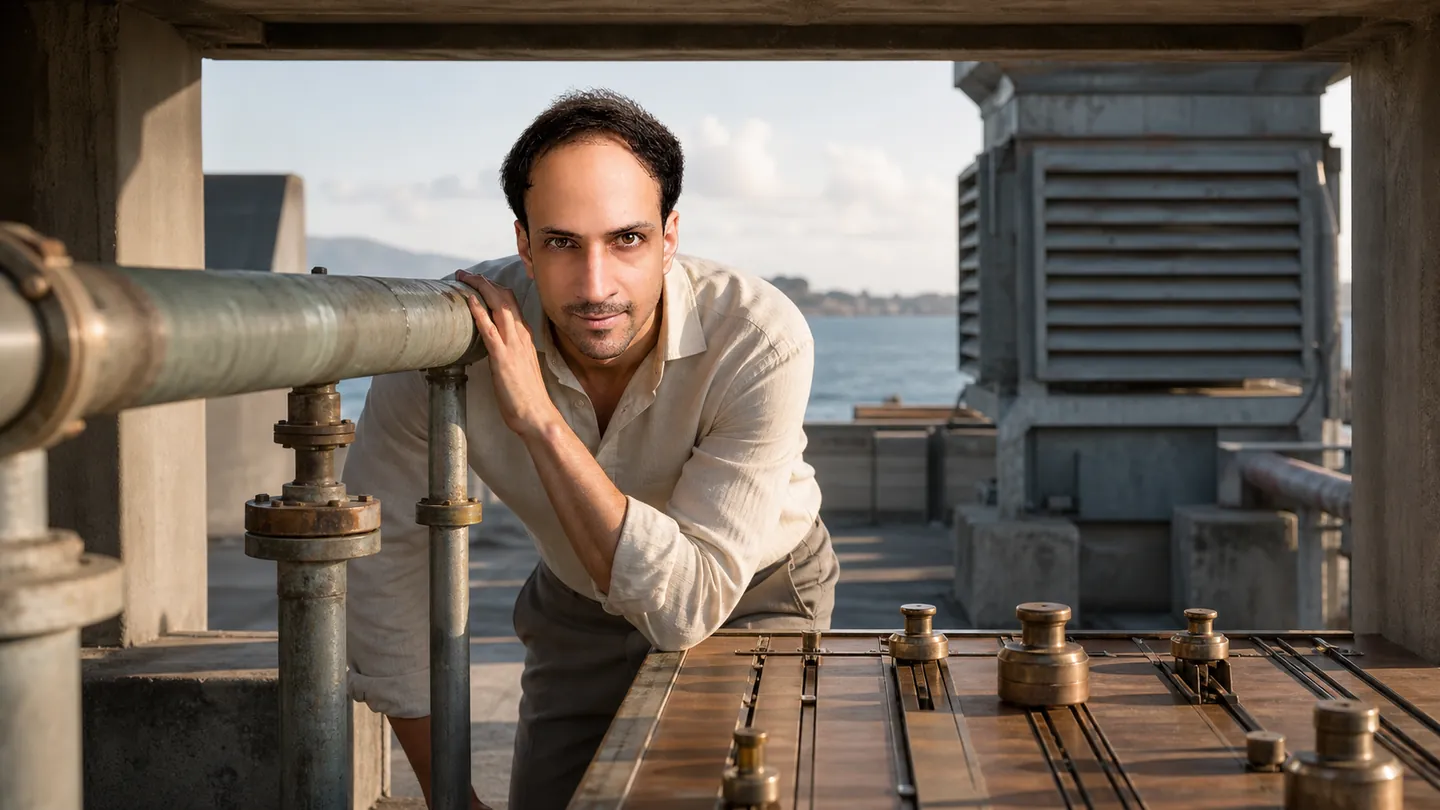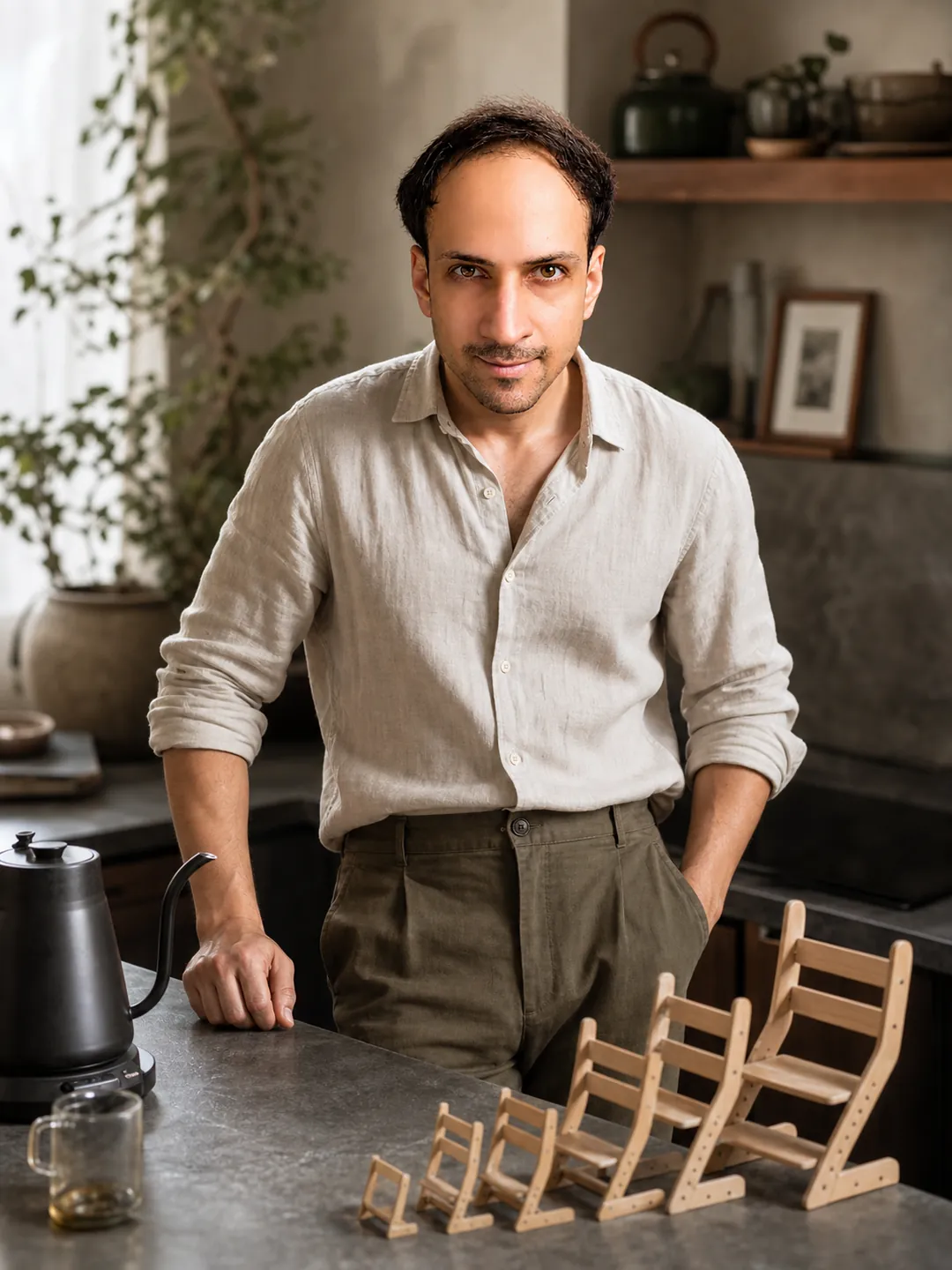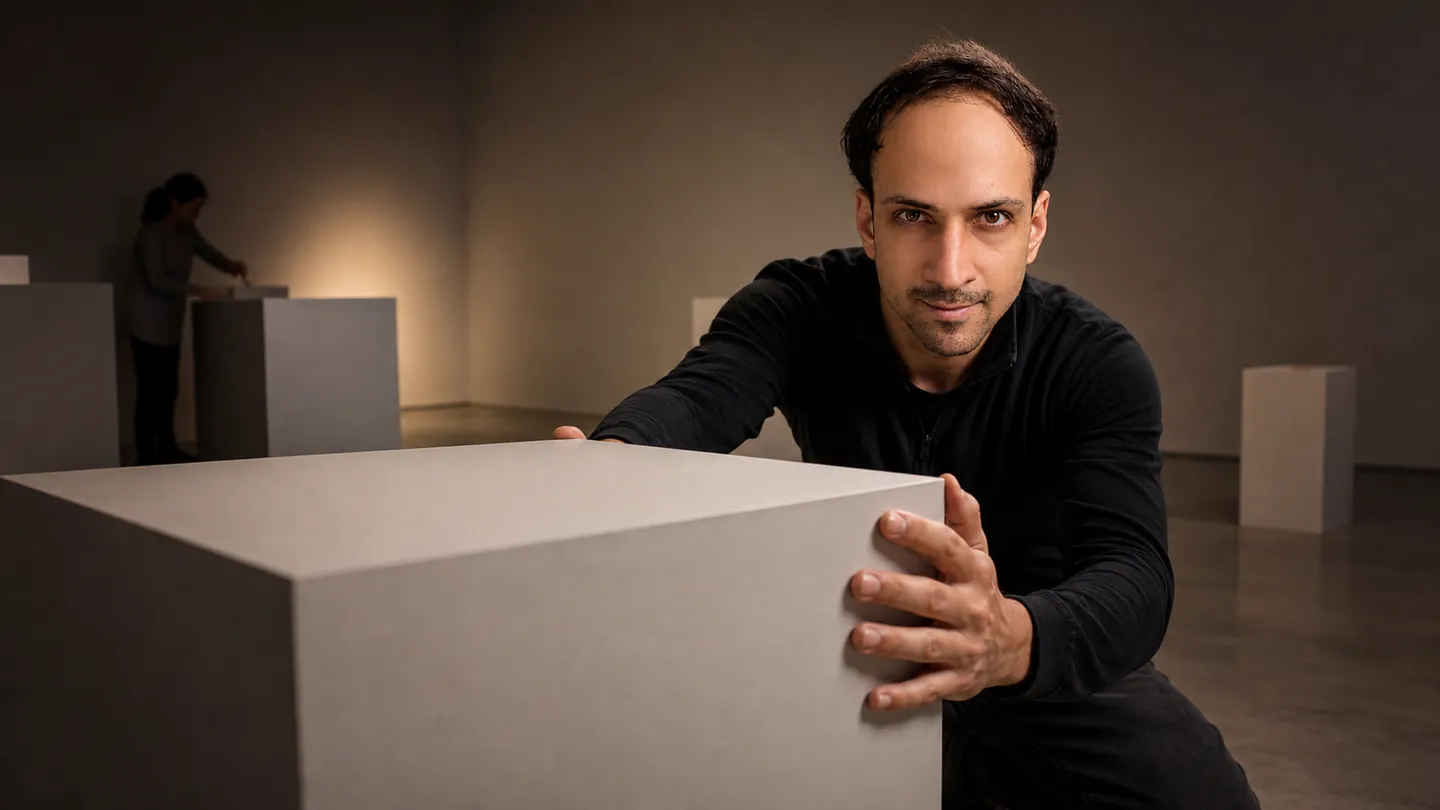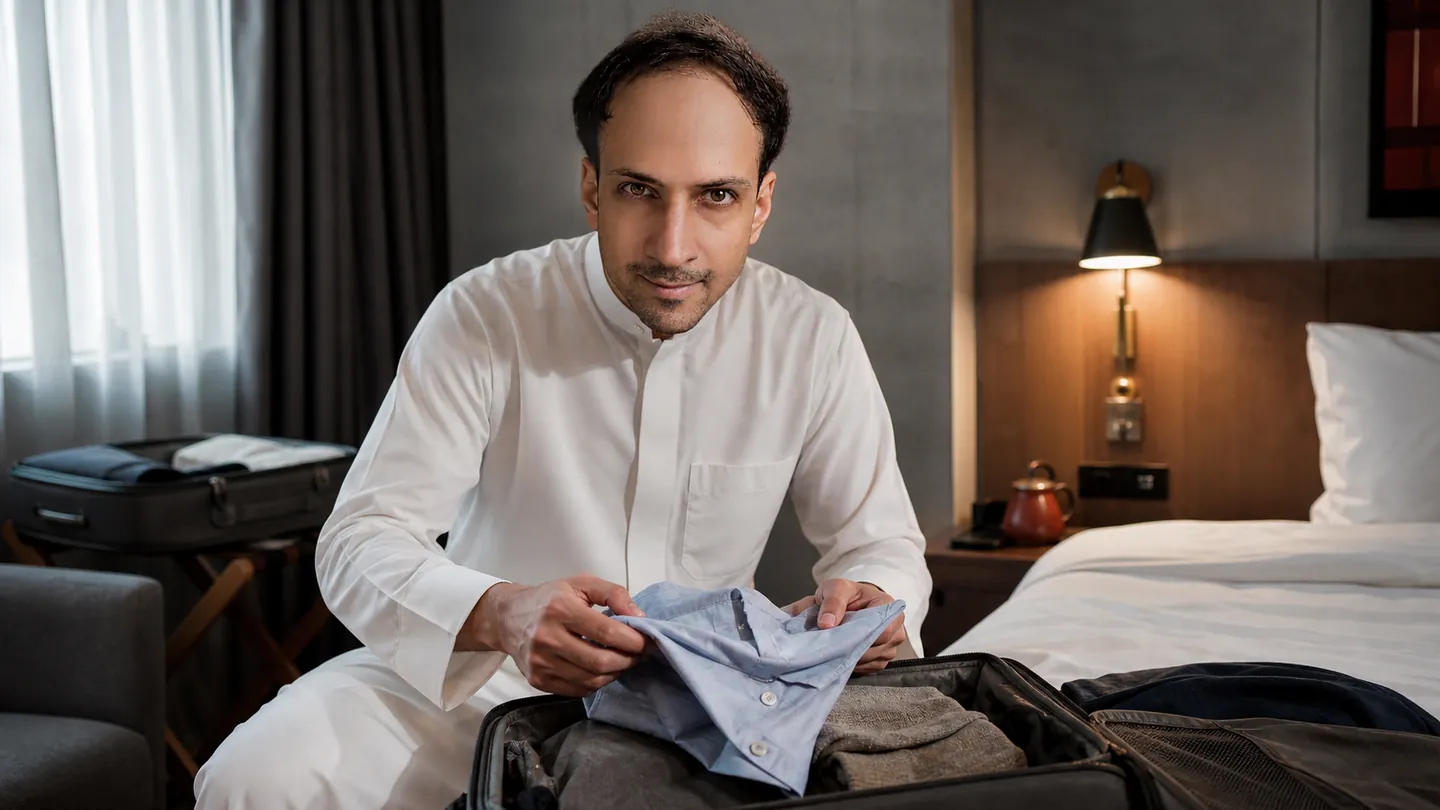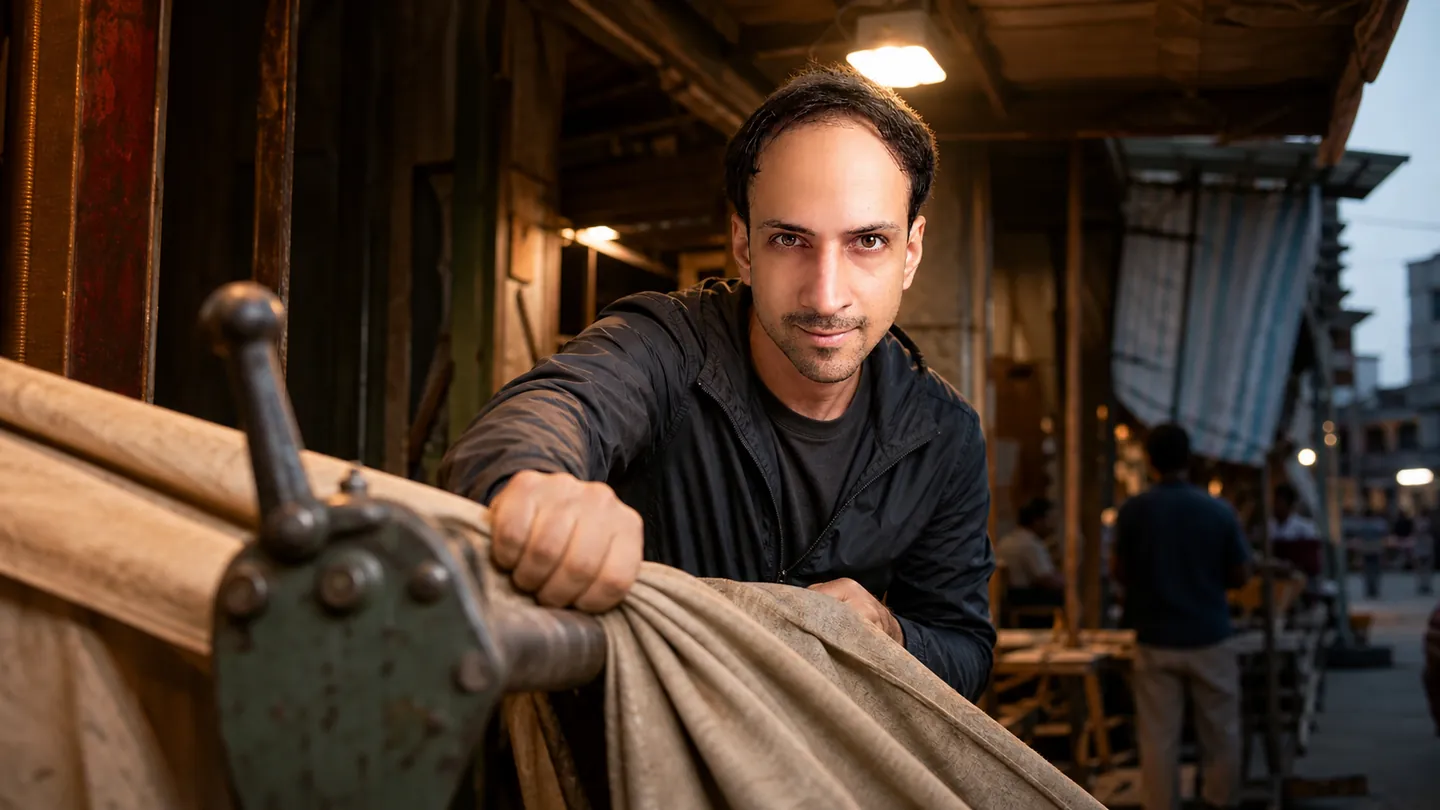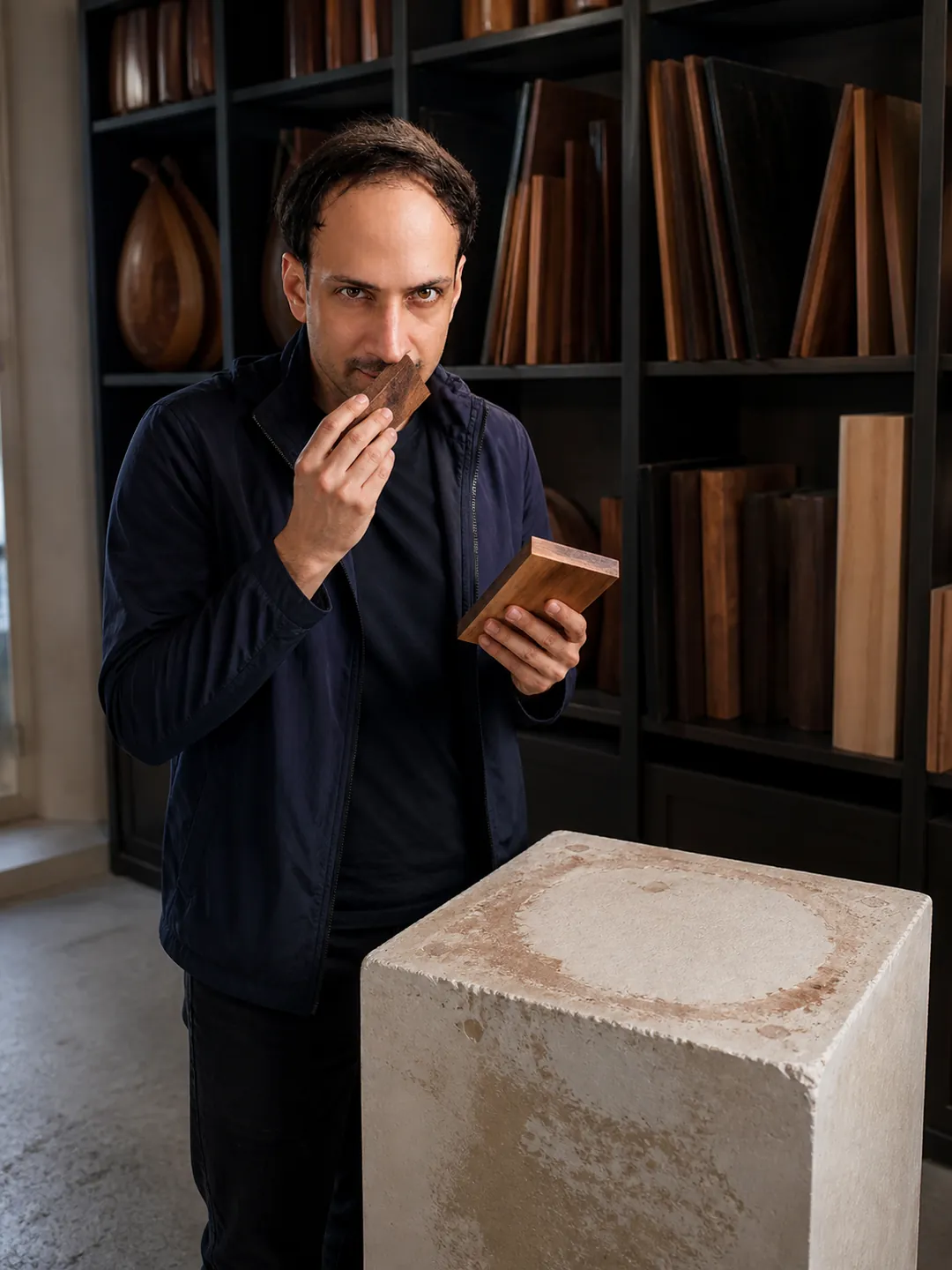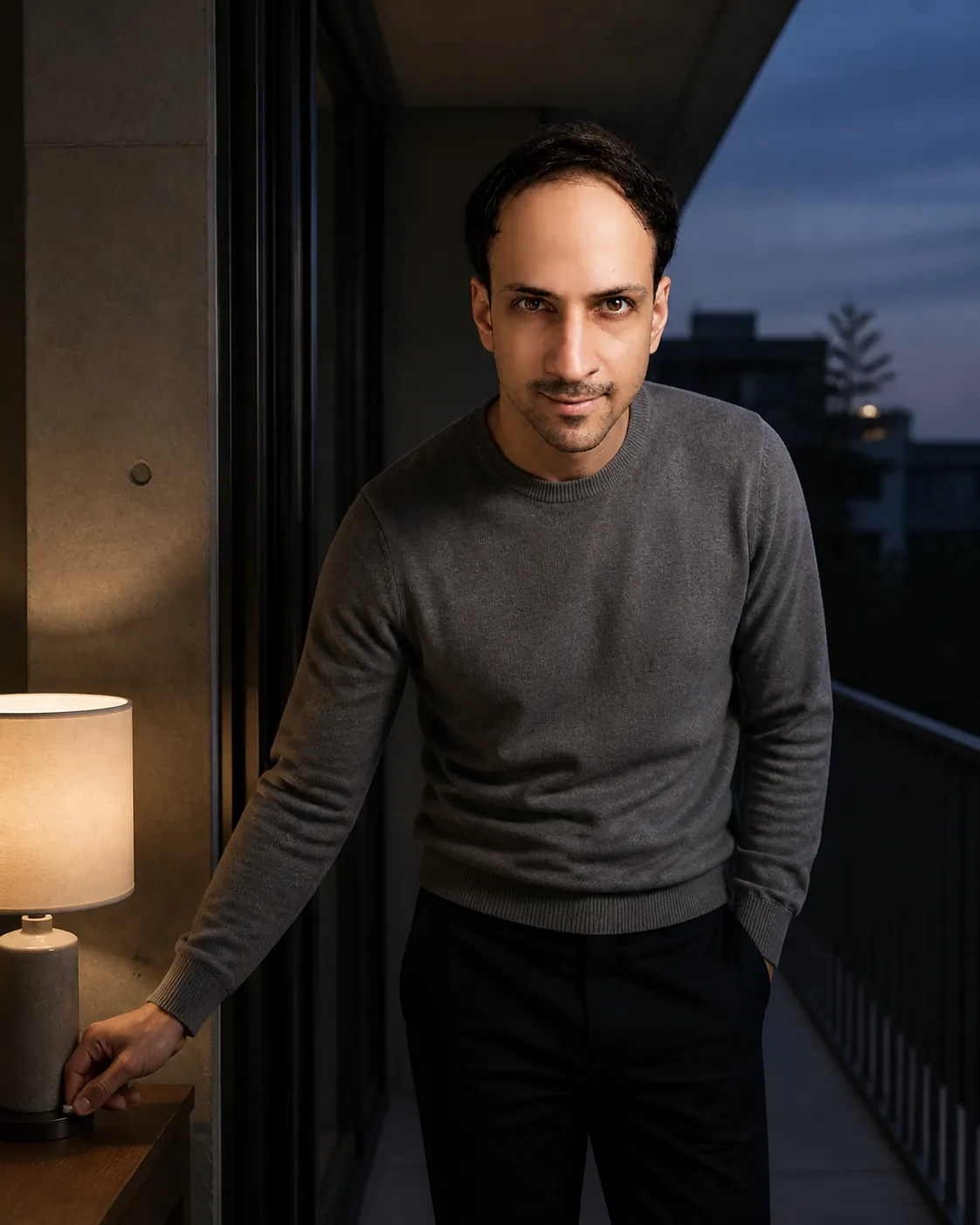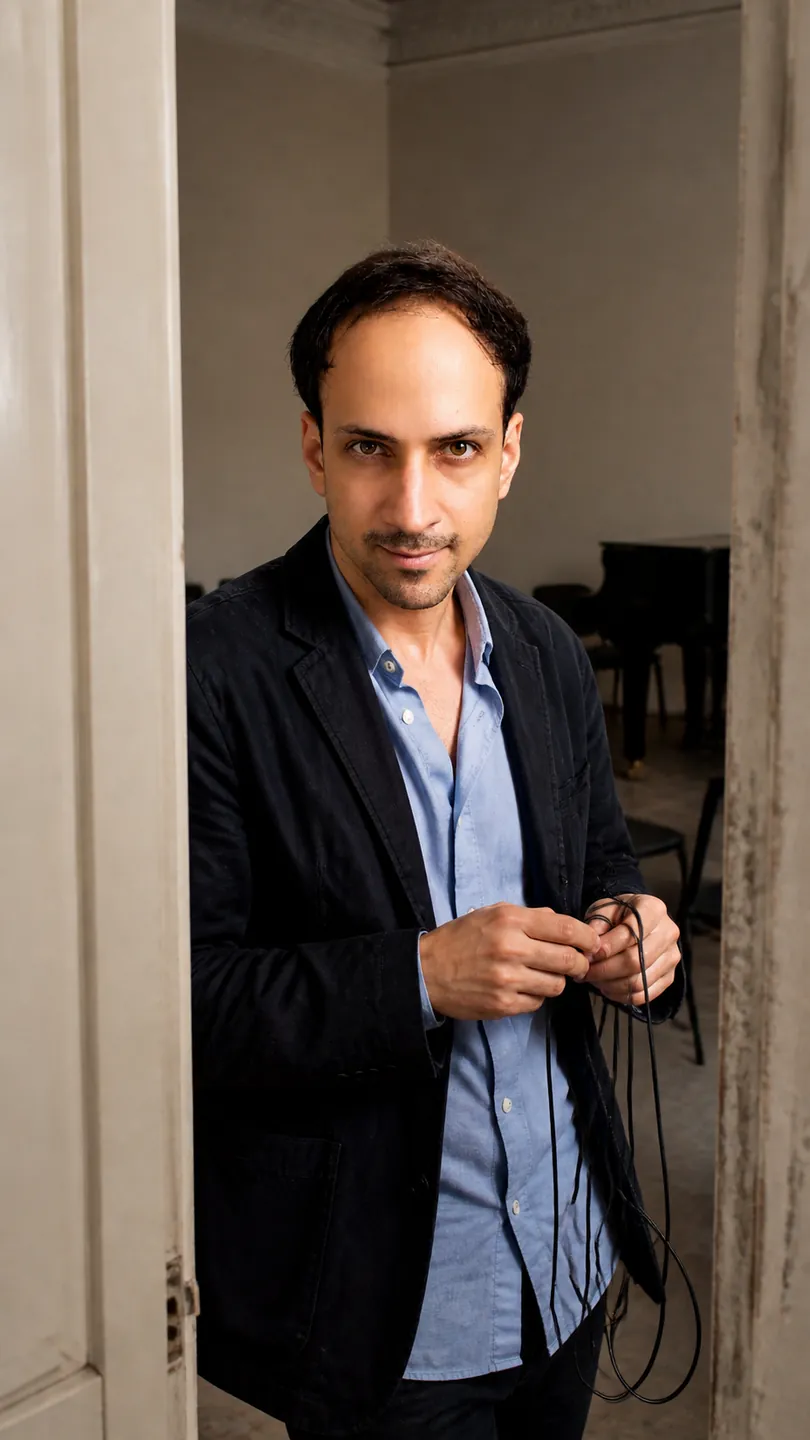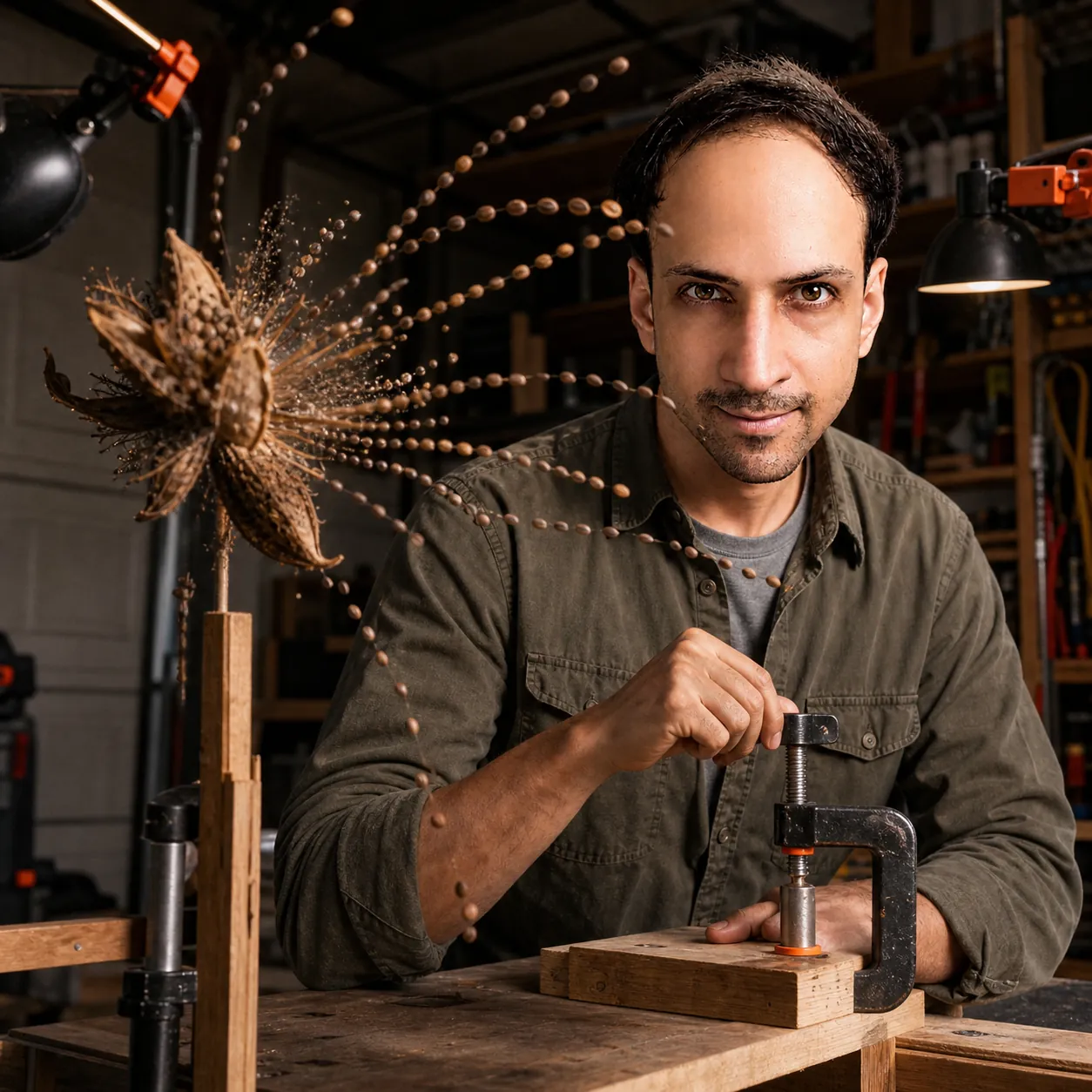
Turn your own photo into a museum-scale split-second portrait in a home garage with a plywood rig and clamped lamps. Keeps your face unchanged.
من نص البرومبت
Use the attached reference photo as the identity reference: keep the same face, skin tone, hair and features as the person in that photo, without beautifying, aging or altering them. Create a square 1:1 museum-catalog frame with a strong first read and a slower second read. Location: a home garage with a plywood rig and clamped lamps. Show the subject in a worn olive work shirt over a grey tee, tightening one clamp a final half turn. Make one rigorous physical condition the conceptual engine: a dry seed pod bursting, its seeds arrested along clean ballistic arcs like a drafted diagram reveals strict geometric order inside an event filed under chaos. Explore whether a scatter can be an inheritance rather than an accident; direct expression and posture toward precise unease, never melodrama or ad-like confidence. Use an eye-level 65mm medium-format viewpoint with natural perspective and restrained depth of field. Make the composition hold their hands relaxed while the event spends all the violence. Render it as museum-scale split-second realism combining high-fidelity portrait photography, truthful fluid dynamics, forensic sharpness, and physically accurate suspended motion, using low-angle late-afternoon light creating long but physically coherent shadows and a palette of carbon, chalk, and a single band of signal orange. Keep one identity-locked person, credible hands and fingers, natural fabric, and coherent scale, contact, reflections, shadows, airflow, deformation, and materials. Background people only when essential, always secondary and clearly different. Avoid bullet-time camera clichés, action-movie explosions, shattering-face effects, frozen gunfire, and dramatic debris storms. No text, labels, logos, signatures, watermarks, random symbols, plastic skin, excessive bloom, or glossy AI finish.